
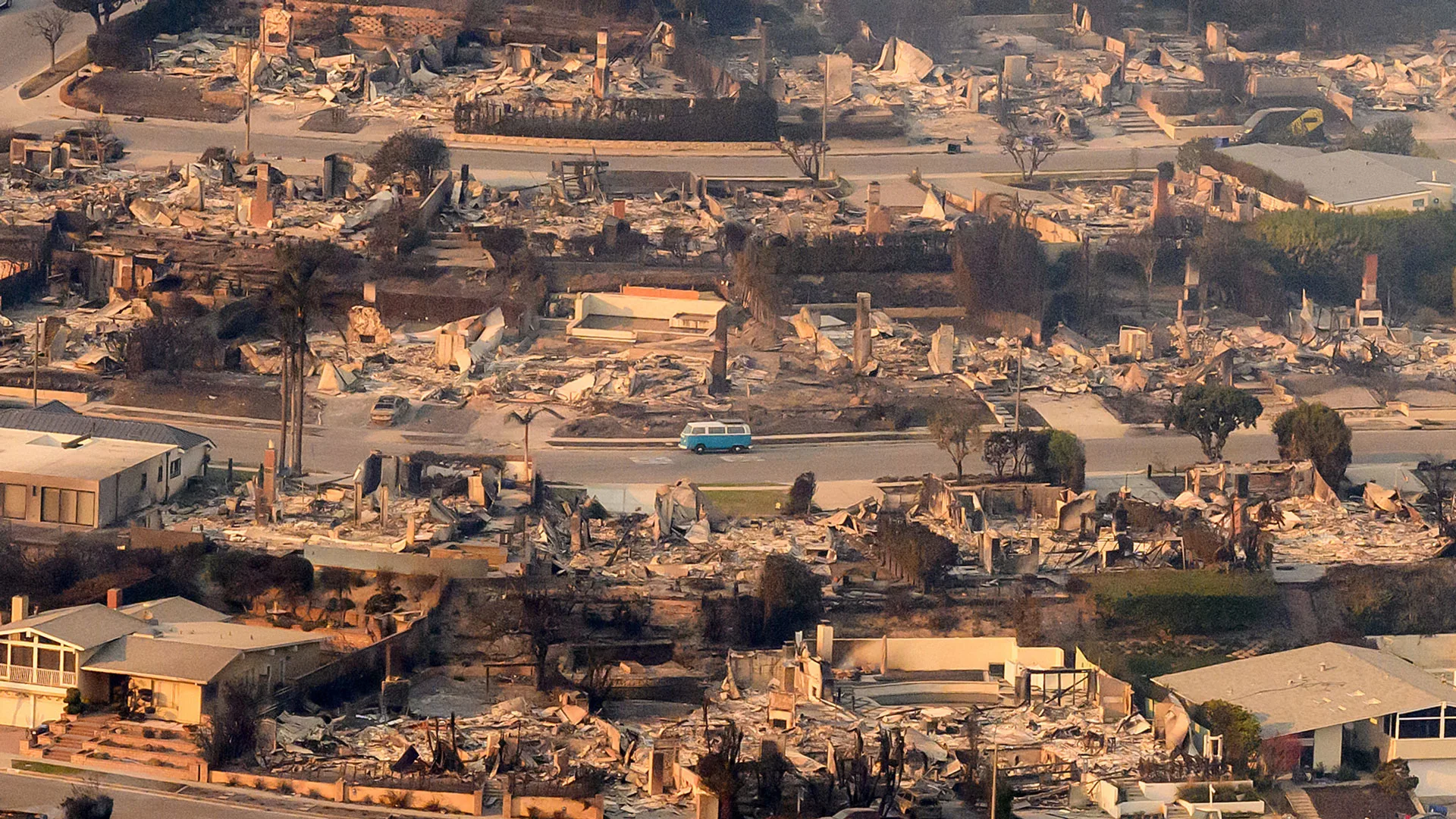
The question “How many homes burned in California?” cuts to the heart of a profound and recurring crisis, directly impacting the very foundation of accommodation in the state. Wildfires have become an annual scourge, transforming vast landscapes and, critically, obliterating residential structures, displacing countless individuals, and reshaping local housing markets. Understanding the sheer scale of this destruction is crucial for comprehending the long-term challenges in providing stable and safe accommodation across affected regions. The numbers are staggering, each digit representing a family home lost, a rental unit vanished, or a community’s accommodation capacity severely diminished.
The Scope of Loss: California’s Accommodation Crisis
California’s wildfire seasons have escalated in severity and frequency, leading to unprecedented levels of property destruction. Over the past decade, the state has witnessed several of the largest and most destructive fires in its history, with residential properties often at the epicenter of the devastation.
A Decade of Devastation
While exact figures fluctuate annually and vary by reporting agency, a cumulative look at major wildfire events paints a stark picture. In 2017, the Tubbs Fire in Sonoma County alone destroyed over 5,600 structures, primarily homes, contributing significantly to a total of over 10,800 structures lost that year. This single event highlighted the vulnerability of suburban and rural residential areas to extreme fire behavior.
The following year, 2018, brought what remains California’s’s deadliest and most destructive wildfire: the Camp Fire. This catastrophic event virtually annihilated the town of Paradise in Butte County, destroying over 18,800 structures, with more than 13,900 of these being single-family homes. The scale of this loss was unprecedented, effectively removing nearly all residential accommodation options from an entire municipality in a matter of days. In the same year, the Woolsey Fire ravaged parts of Los Angeles and Ventura Counties, destroying over 1,600 structures, including many high-value homes in areas like Malibu and Agoura Hills.
Subsequent years have continued this destructive trend. The 2020 fire season, for instance, saw over 10,400 structures destroyed across the state, with significant losses in the CZU Lightning Complex and LNU Lightning Complex fires impacting Santa Cruz, Sonoma, and Napa Counties. Each year brings new incidents, underscoring a continuous erosion of California’s residential accommodation base due to these natural disasters. The cumulative impact over a decade exceeds tens of thousands of homes, representing an immense loss of long-term accommodation.
Displacement and Temporary Housing Challenges
When thousands of homes burn, the immediate and most pressing concern for survivors is finding alternative accommodation. This mass displacement creates an acute demand for temporary housing, stretching local resources and often pushing residents into precarious living situations.
The Immediate Aftermath
In the wake of a major fire, evacuation centers, often set up in school gymnasiums or community halls, provide initial short-term shelter. However, these facilities are not sustainable long-term accommodation solutions. Families, often traumatized and having lost everything, then face the daunting task of finding suitable temporary housing while simultaneously navigating insurance claims, FEMA assistance, and the emotional toll of their ordeal.
The options for temporary accommodation are varied but often insufficient:
- Rental Market Strain: Areas adjacent to fire zones experience an immediate surge in demand for rental properties. This often leads to skyrocketing rents, making already competitive markets even more unaffordable for displaced residents. Many fire victims struggle to find suitable short-term leases or properties that can accommodate their families and any remaining belongings.
- Hotel and Motel Stays: For those with insurance coverage that includes additional living expenses (ALE), temporary stays in hotels or motels can last for weeks or even months. However, the availability of rooms, especially in smaller towns near disaster zones, quickly becomes depleted, forcing some to travel significant distances from their communities, schools, and workplaces.
- Manufactured Housing: FEMA and state programs sometimes deploy manufactured homes or RVs as temporary housing solutions, particularly in rural areas where rental stock is limited. While providing a roof over heads, these options often lack the stability and community integration of permanent housing.
- Living with Family/Friends: Many displaced individuals initially rely on the generosity of family and friends, doubling up in already occupied homes. While offering immediate support, this can lead to overcrowding and prolonged stress for all involved.
The challenge of temporary housing is not merely about finding a physical space; it’s about providing stability, access to services, and a sense of normalcy for those whose lives have been upended. The sheer volume of homes destroyed in events like the Camp Fire meant that thousands were in need of temporary housing simultaneously, an operational challenge of immense proportions for local and state agencies.
Rebuilding Futures: The Path to Restored Residential Accommodation
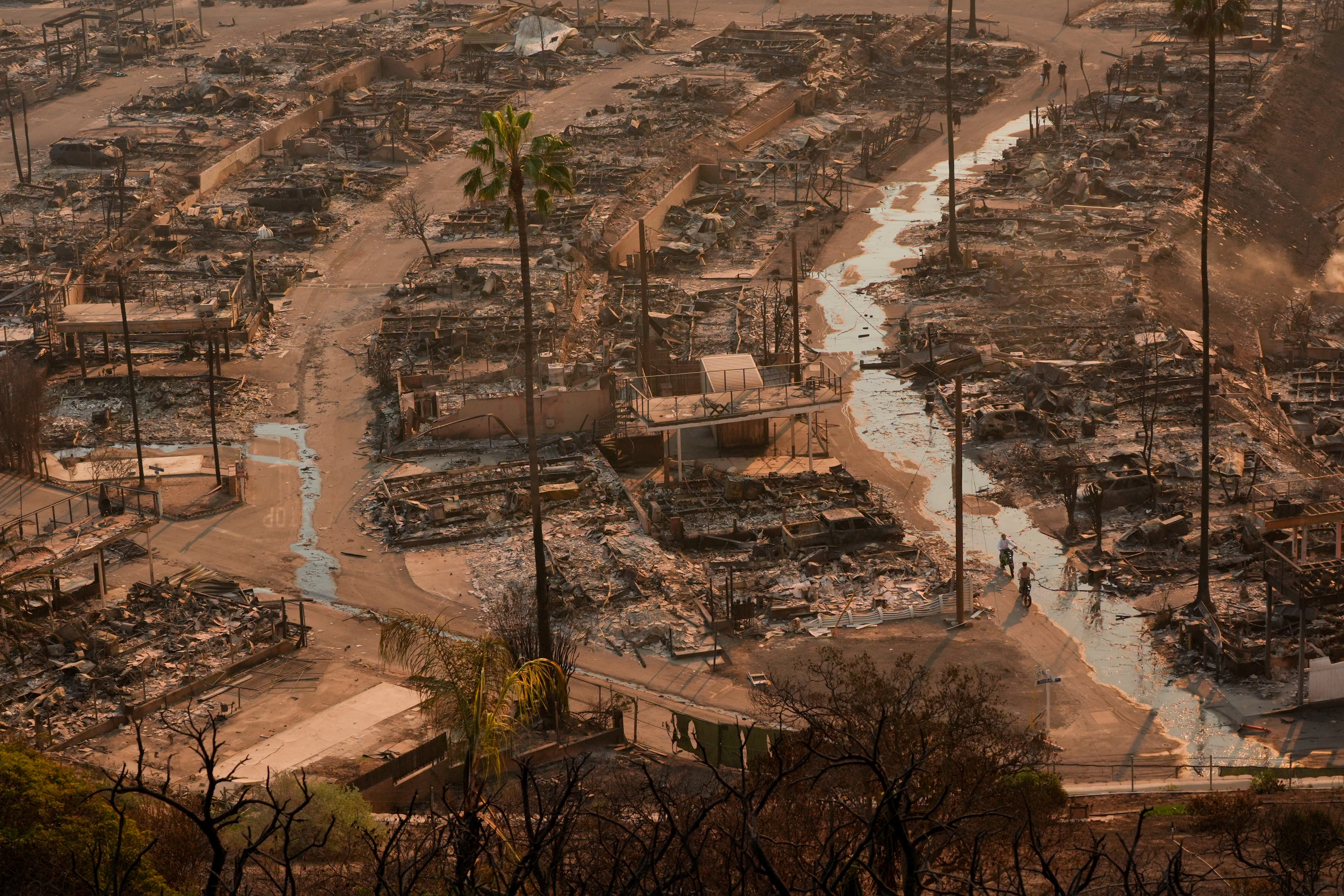
The journey from devastation to rebuilding is protracted and complex, fraught with regulatory hurdles, financial strain, and psychological stress. Restoring the accommodation infrastructure in fire-ravaged communities is not merely about constructing new buildings; it’s about re-establishing communities and ensuring future resilience.
The Reconstruction Timeline
The process often begins with debris removal, a massive undertaking that can take months. Following this, property owners face a labyrinth of permits, architectural plans, and contractor selections. The demand for skilled labor and building materials in post-disaster zones can lead to shortages and inflated costs, further delaying reconstruction. In Paradise, years after the Camp Fire, while significant progress has been made, thousands of lots remain empty, a testament to the slow pace of rebuilding.
- Insurance Payouts: While insurance is critical, navigating policies, determining replacement costs, and receiving timely payouts can be an exhaustive process, often delaying the start of construction. Underinsurance is a common problem, leaving homeowners with insufficient funds to rebuild to current codes or market values.
- Building Code Updates: Post-fire, building codes are frequently updated to incorporate stricter fire-resistant materials and design standards, such as ignition-resistant construction, tempered glass windows, and defensible space requirements. While essential for future safety, these updates can increase rebuilding costs and complexity.
- Community Planning: Rebuilding efforts often spark discussions about community redesign, urban planning, and infrastructure improvements. Some communities choose to rebuild with a focus on wildfire mitigation, creating wider firebreaks, undergrounding utilities, and enhancing early warning systems.
The timeline for rebuilding a home typically ranges from 18 months to several years, meaning that long-term accommodation for many displaced residents remains elusive for extended periods. This contributes to a sense of instability and can lead to permanent relocation for some, fundamentally altering the demographic and housing profiles of affected towns.
Economic Ripple Effects on California’s Housing Market
The loss of tens of thousands of homes has profound and far-reaching economic consequences, particularly for California’s already constrained housing market.
Supply, Demand, and Affordability
The immediate effect is a drastic reduction in housing supply, both owned and rented, in and around affected areas. This sudden supply shock, coupled with sustained demand from displaced residents, exerts immense upward pressure on housing prices and rental rates in surrounding communities. Cities like Chico, near Paradise, saw their rental markets virtually explode after the Camp Fire, making accommodation significantly less affordable for both existing residents and newcomers.
- Increased Competition: The reduced supply means heightened competition for available properties, often leading to bidding wars and expedited rental agreements, putting displaced families at a disadvantage.
- Property Value Impacts: While property values in severely burned areas may initially plummet, they can rebound significantly during the rebuilding phase, especially if demand for housing in the broader region remains strong. However, properties in high-risk zones may face long-term challenges in terms of insurance availability and future marketability.
- Strain on Public Services: A sudden influx of residents into neighboring towns strains public services, including schools, healthcare, and transportation infrastructure, all of which directly impact the quality of life and accommodation for both displaced and existing populations.
The economic ripple effects extend beyond housing to local businesses, tax bases, and overall economic stability, demonstrating how the loss of residential accommodation creates a domino effect across the entire economic landscape.
Adapting Accommodation for a Resilient Future
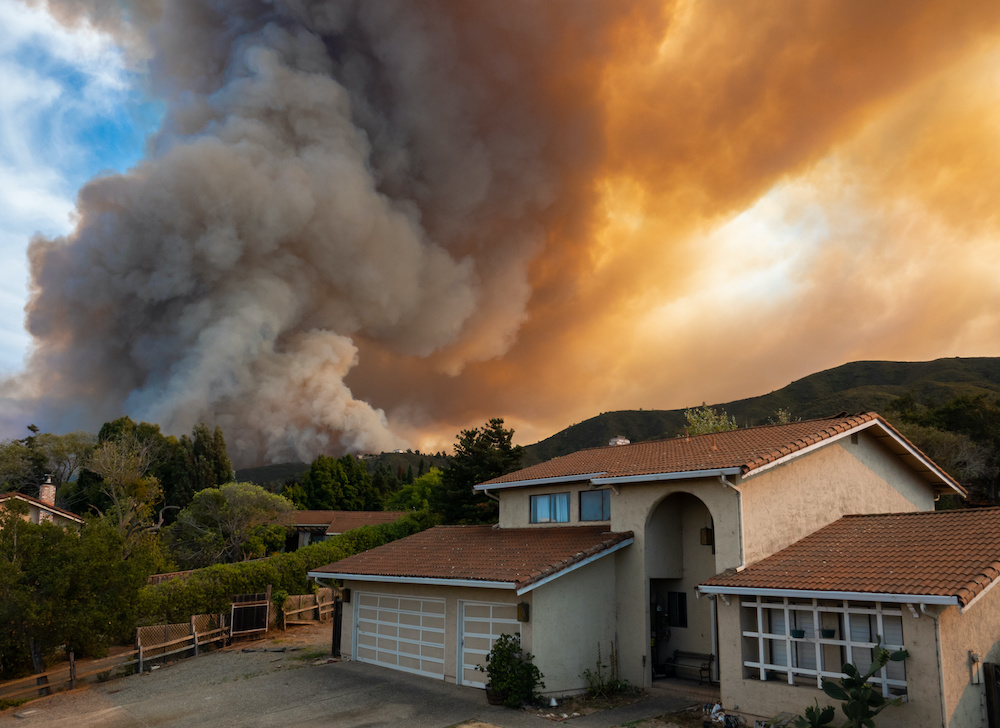
Given the recurring nature of California’s wildfires, the focus must shift towards building more resilient accommodation solutions and adapting to a future where fire risk is an inherent factor.
Innovation in Fire-Resistant Construction
Developers and homeowners are increasingly exploring and adopting advanced fire-resistant building materials and construction techniques. This includes using non-combustible siding, roofing, and decking materials; installing ember-resistant vents; and designing homes with minimal exterior crevices where embers can lodge.
- Smart Home Technology: Integration of smart home systems with early fire detection and notification capabilities can provide crucial minutes for evacuation.
- Community-Wide Resilience: Beyond individual homes, entire communities are adopting strategies such as creating larger defensible space zones, implementing stricter vegetation management programs, and developing community wildfire protection plans. These measures aim to create fire-resistant landscapes that protect clusters of homes and critical infrastructure.
Policy and Planning for Future Accommodation
Government agencies and urban planners are grappling with difficult questions about where and how to permit new residential development in fire-prone areas. This involves:
- Updated Zoning Laws: Revisiting zoning regulations to limit or prohibit building in the highest-risk wildland-urban interface (WUI) zones.
- Incentivizing Safer Construction: Offering financial incentives or streamlined permitting processes for homeowners who rebuild or retrofit their homes with advanced fire-resistant features.
- Investment in Infrastructure: Strengthening critical infrastructure like water supply systems, roads for evacuation, and communication networks to better support communities in the event of a fire.
The challenge of “How many homes burned in California?” is not just a historical question, but a continuous and evolving one that demands innovative solutions for accommodation. It requires a collective effort to rebuild what’s lost, protect what remains, and strategically plan for a future where residential spaces are not only comfortable but also intrinsically resilient to the growing threat of wildfires.
LifeOutOfTheBox is a participant in the Amazon Services LLC Associates Program, an affiliate advertising program designed to provide a means for sites to earn advertising fees by advertising and linking to Amazon.com. Amazon, the Amazon logo, AmazonSupply, and the AmazonSupply logo are trademarks of Amazon.com, Inc. or its affiliates. As an Amazon Associate we earn affiliate commissions from qualifying purchases.