
The question of how many homes have burned in California strikes at the heart of one of the state’s most pressing environmental and humanitarian challenges: wildfires. Beyond the immediate devastation and personal loss for residents, the sheer scale of structural destruction has profound implications for the state’s vibrant tourism industry, influencing everything from visitor perceptions to the viability of beloved destinations. Understanding the scope of this issue is crucial for appreciating the resilience of California’s communities and the evolving landscape of travel within its borders.
The Devastating Numbers: A Historical Perspective
California has long been accustomed to a fire season, but in recent decades, this phenomenon has intensified, transforming into year-round fire threats fueled by climate change, drought conditions, and an expanding wildland-urban interface. The statistics charting the loss of homes are stark reminders of this escalating crisis. While annual figures fluctuate, the trend has been towards larger, more destructive fires that consume an unprecedented number of structures.
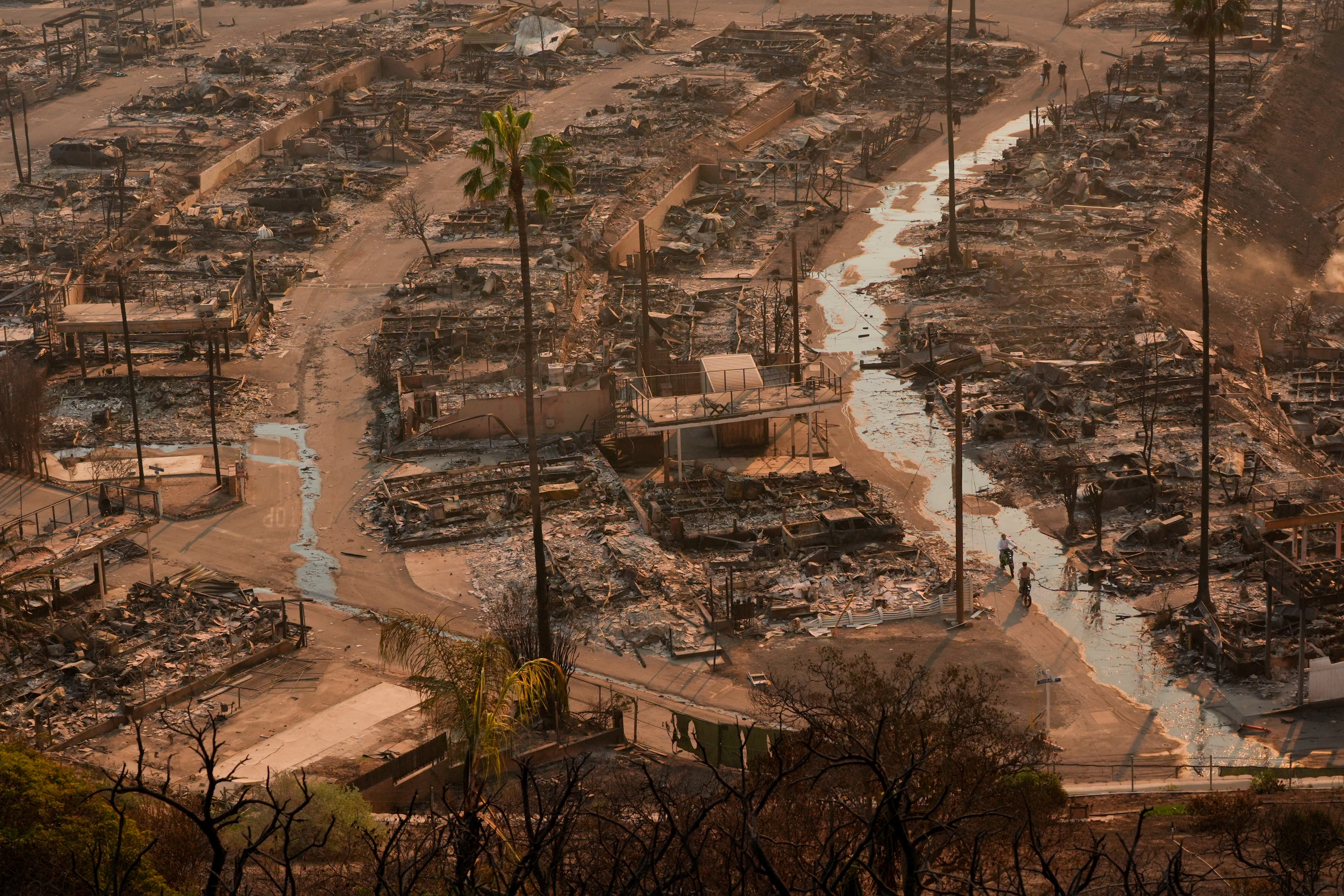
Before the mid-2010s, a fire destroying hundreds of homes was considered catastrophic. Today, events wiping out thousands of residences have become a tragic reality. One of the most devastating examples is the 2018 Camp Fire, which virtually obliterated the town of Paradise in Butte County, leading to the destruction of nearly 19,000 structures, predominantly homes. This single event set a grim record, showcasing the potential for rapid and widespread loss when conditions align for extreme fire behavior. Other significant events, like the 2017 Tubbs Fire in Santa Rosa and Sonoma County, and the 2018 Woolsey Fire impacting Malibu and Los Angeles County, also accounted for thousands of lost homes, leaving communities forever altered.
These numbers are not just cold data points; they represent the displacement of families, the erasure of neighborhoods, and the profound emotional and financial toll on countless individuals. The destruction extends beyond primary residences to include vacation homes, rental properties, and the essential infrastructure that supports local communities, including businesses, schools, and civic buildings. This widespread loss necessitates massive rebuilding efforts, reshaping local economies and requiring significant investment in resilience and preventative measures. The cumulative effect of these fires paints a picture of a state grappling with a complex challenge, one that affects every facet of life, including the very perception and reality of tourism.
Beyond the Ashes: Wildfires’ Impact on California Tourism
The direct destruction of homes has an immediate, localized impact, but the broader effects of wildfires ripple through California’s tourism sector, influencing travel decisions, destination accessibility, and the overall visitor experience. Smoke plumes can spread hundreds of miles, affecting air quality even in distant urban centers like San Francisco or Los Angeles, deterring tourists who seek clear skies and healthy environments for outdoor activities. Road closures, implemented for safety or to facilitate emergency response, can cut off access to popular national parks, scenic routes like Highway 1 along Big Sur, and remote recreational areas, forcing cancellations and frustrating travel plans.
The perception of safety also plays a significant role. News reports of widespread fires can create an impression that the entire state is engulfed, leading potential visitors to postpone or reroute their trips, even if their intended destinations are hundreds of miles from any active blaze. This misperception can significantly impact tourism-dependent economies in unaffected regions, as bookings for hotels, restaurants, and attractions decline. Regions renowned for their natural beauty or outdoor recreation, such as Lake Tahoe, Napa Valley and Sonoma County wine regions, or the coastal towns of Santa Barbara, are particularly vulnerable to these shifts in public perception and accessibility during peak fire seasons.
Preserving Natural Wonders for Future Visitors
California’s natural wonders are the bedrock of its tourism appeal, drawing millions to its diverse landscapes. Iconic destinations like Yosemite National Park, Sequoia National Park, Redwood National Park, and the vast wilderness areas in between, are often in the path of wildfires. While the parks themselves are often managed with prescribed burns and aggressive firefighting to protect infrastructure and giant sequoias, large-scale fires can still cause significant damage to ecosystems, trails, and visitor facilities.
The immediate aftermath of a fire might lead to temporary closures of popular trails or entire sections of parks for public safety and ecological recovery. In the long term, changes to forest composition, loss of wildlife habitat, and altered landscapes can subtly shift the visitor experience. However, these impacts also highlight ongoing conservation efforts and the dedication of park services to restore and protect these precious resources. Educational initiatives within parks often address fire ecology, helping visitors understand the natural role of fire and the complex challenges of managing these ecosystems in a changing climate. Responsible tourism, therefore, includes an appreciation for these conservation efforts and an understanding of the delicate balance of nature in fire-prone regions.
Community Resilience and the Tourist Experience
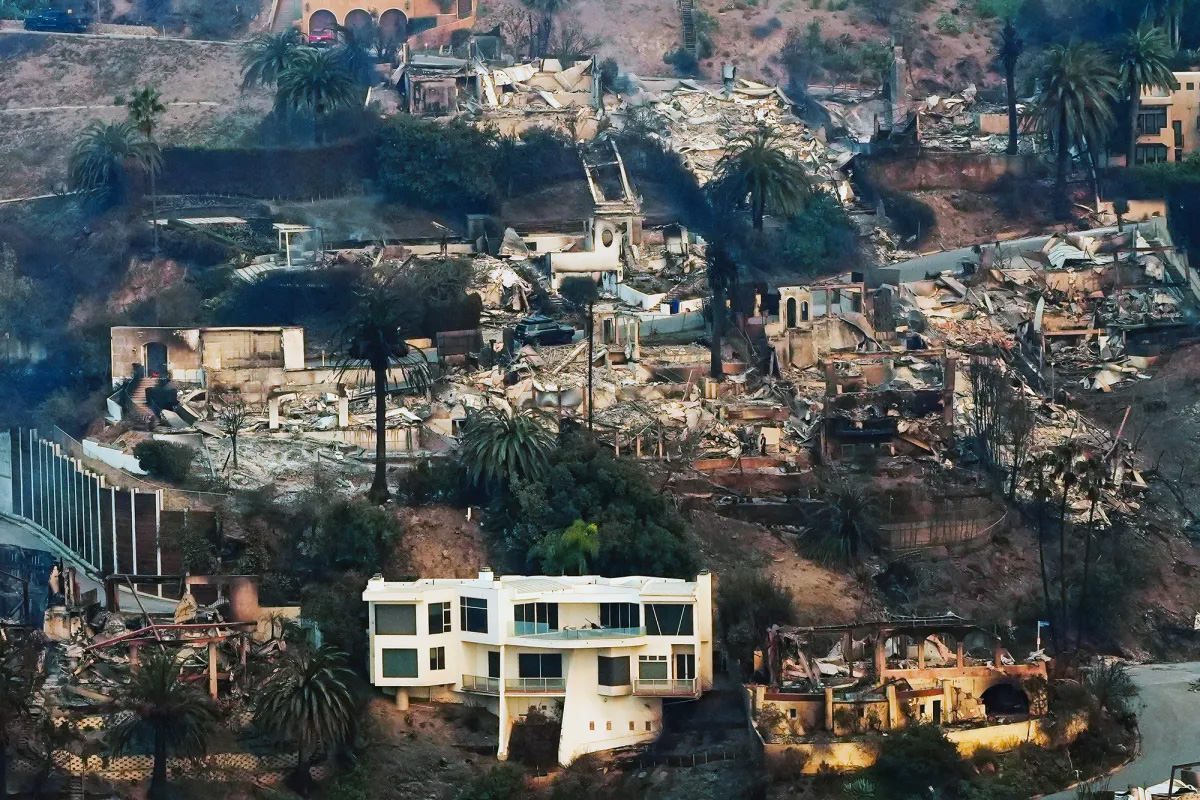
Amidst the devastation, the spirit of California’s communities shines through. Towns like Paradise, Santa Rosa, and others that have faced significant structural losses, embark on monumental journeys of rebuilding and recovery. This resilience can itself become a powerful narrative for tourists. Visiting communities in various stages of recovery offers a unique perspective on local culture, demonstrating strength, innovation, and perseverance. Supporting local businesses, dining at rebuilt restaurants, and staying in newly constructed accommodations contribute directly to the economic revitalization of these areas.
Many communities integrate their experiences with wildfires into their local identity and offerings. Museums might feature exhibits on fire history and recovery, local artists might create works inspired by the landscape’s transformation, and community events often celebrate the renewed spirit. This shift offers a deeper, more authentic cultural experience for tourists seeking to understand the real California beyond the postcards. Engaging with these stories of resilience fosters a more meaningful connection between visitors and the places they explore, transforming a potential negative into an opportunity for profound cultural exchange and support.
Navigating Travel in a Fire-Prone Landscape
For those planning to visit California, understanding the nuances of traveling in a state prone to wildfires is essential for a safe, enjoyable, and responsible experience. It’s not about avoiding California, but rather about approaching travel with informed awareness and flexibility.
Planning Your Trip: Safety and Awareness
Travelers should always prioritize safety by staying informed about current conditions. During fire season, typically late summer through fall, it is advisable to check official sources like the California Department of Forestry and Fire Protection (CAL FIRE) for active fire maps and incident updates. Air quality websites (e.g., PurpleAir or AirNow) are invaluable for checking local conditions, as smoke can affect respiratory health.
Flexibility is key. Have alternative routes or destinations in mind, especially if traveling to regions with higher fire risk. Many popular destinations in California are vast and varied, meaning that even if one area is impacted, numerous others remain open and welcoming. Consider travel insurance that covers fire-related disruptions, and always heed evacuation orders or warnings from local authorities. Park websites for national and state parks will provide up-to-date information on closures, trail conditions, and any fire restrictions. By being proactive and prepared, visitors can significantly mitigate potential risks and ensure a smoother trip.
Supporting Local Economies: Responsible Tourism
Traveling responsibly in California extends beyond personal safety to actively supporting communities, particularly those impacted by wildfires. Choosing to patronize local businesses—from small restaurants and shops to family-run hotels and tour operators—funnels money directly into the local economy, aiding recovery efforts and sustaining livelihoods. Even in areas rebuilding, a visit can provide a crucial boost.
Furthermore, considering accommodations that are environmentally conscious and contribute to sustainable practices can indirectly support efforts to mitigate fire risks through better land management. When exploring natural areas, adhere strictly to all fire regulations, such as campfire bans or restrictions on off-road vehicle use, to prevent accidental ignitions. Engaging with the community through local markets, cultural events, or even brief conversations can offer insights into their resilience and foster a deeper appreciation for their efforts to rebuild and thrive. Responsible tourism transforms a trip into an act of solidarity and support, making a tangible difference in the lives of those affected by these natural disasters.
Looking Ahead: Adaptation and Sustainable Practices
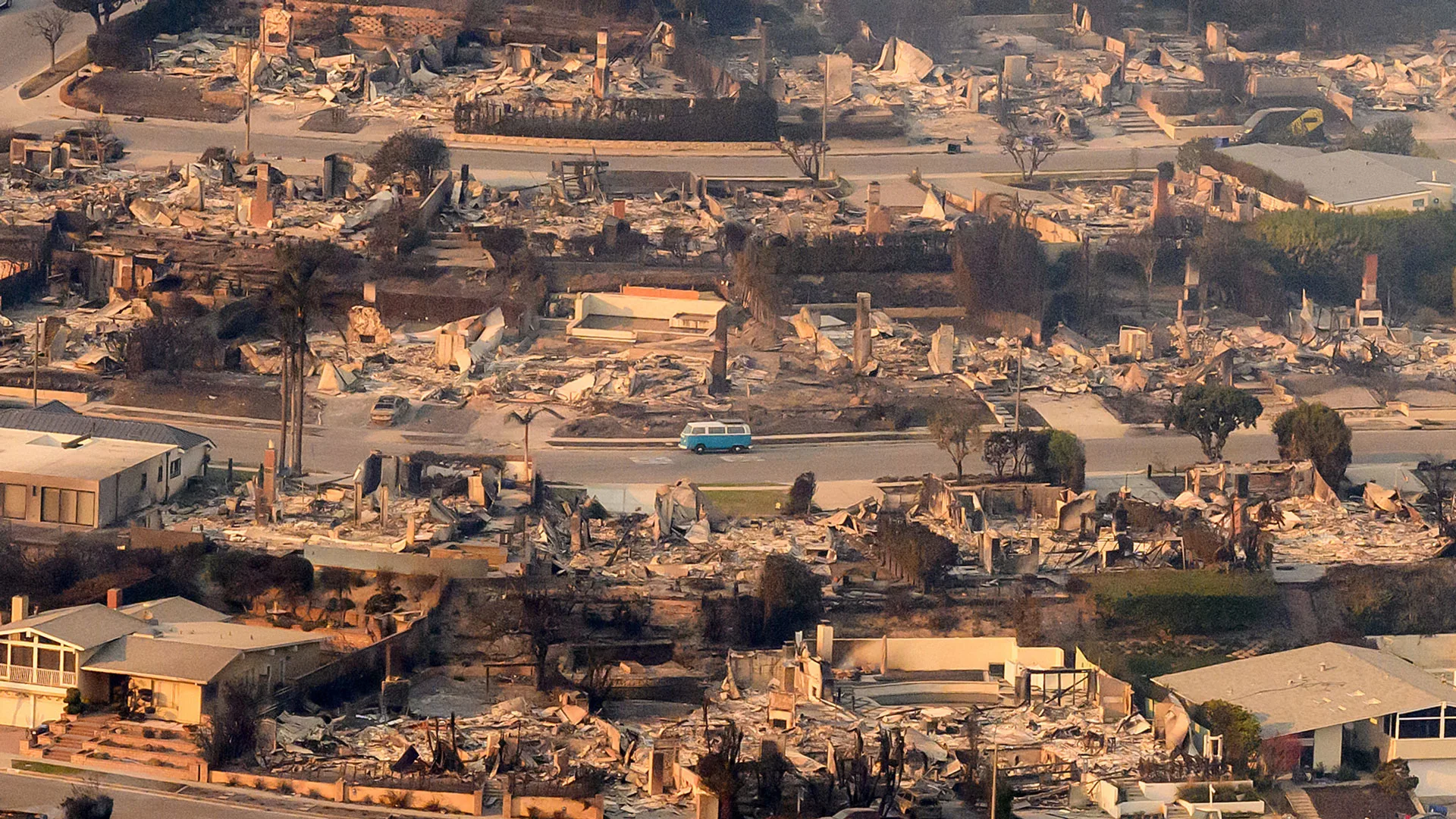
California’s journey with wildfires is ongoing, necessitating continuous adaptation and a commitment to sustainable practices. From extensive forest management projects and home hardening initiatives to early warning systems and enhanced firefighting capabilities, the state is investing heavily in mitigating future risks. For the tourism sector, this means integrating fire awareness into marketing and operational strategies, ensuring visitors are well-informed and prepared.
The future of tourism in California will undoubtedly evolve to reflect these realities. It will emphasize resilient destinations, promote off-peak travel to reduce pressure on resources during high-risk seasons, and highlight the state’s ongoing commitment to environmental stewardship and community rebuilding. California remains an unparalleled destination, offering an incredible diversity of experiences. By embracing adaptation and fostering sustainable tourism, visitors can continue to explore its beauty and support its vibrant communities for generations to come, understanding that while the landscape may bear scars, the spirit of the Golden State remains undimmed.
LifeOutOfTheBox is a participant in the Amazon Services LLC Associates Program, an affiliate advertising program designed to provide a means for sites to earn advertising fees by advertising and linking to Amazon.com. Amazon, the Amazon logo, AmazonSupply, and the AmazonSupply logo are trademarks of Amazon.com, Inc. or its affiliates. As an Amazon Associate we earn affiliate commissions from qualifying purchases.