
The question of homicides in Chicago during 2023 is a complex one, deeply intertwined with the city’s social fabric, economic conditions, and the ongoing efforts to enhance public safety. While statistics provide a quantifiable answer, understanding the nuances behind the numbers requires a broader perspective, considering the multifaceted factors that contribute to urban violence and the various initiatives aimed at mitigating it. This exploration delves into the reported figures for 2023, contextualizes them within historical trends, and examines the contributing elements that shape the narrative of safety and well-being in Chicago.
Understanding the Statistical Landscape
The most direct answer to the question of homicides in Chicago for 2023 comes from official crime data. While preliminary figures are often released throughout the year, final, verified statistics are typically compiled and published by law enforcement agencies and research bodies following the year’s conclusion. These figures are crucial for tracking progress, identifying areas of concern, and informing policy decisions.

Reported Homicide Numbers for 2023
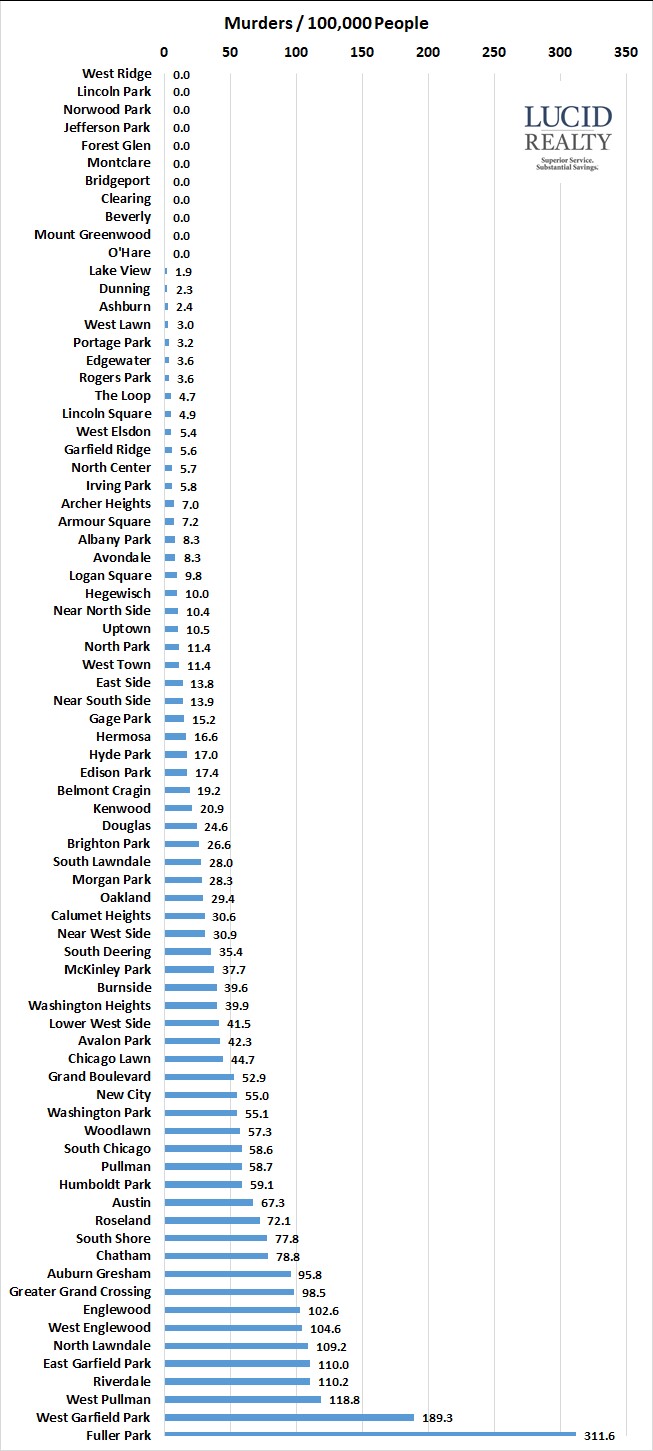
Throughout 2023, news outlets and official sources reported on the ongoing fluctuations in violent crime rates in Chicago. These reports often highlighted specific incidents, neighborhood trends, and the overall impact on the city’s residents. While exact final numbers can vary slightly depending on the source and the precise methodology used for counting, the general trend indicated a decrease in homicides compared to the peak years of the early 2020s.
For instance, data from the Chicago Police Department, as reported by various media outlets, suggested a significant drop from the high of over 800 homicides in preceding years. By the end of 2023, the number of homicides was generally reported to be in the mid-600s. This reduction, while still representing a substantial loss of life, signaled a positive, albeit partial, shift. It’s important to note that these numbers represent individuals, each with a story, a family, and a connection to the vibrant tapestry of Chicago.
Comparative Analysis: Trends Over Time
To truly appreciate the 2023 homicide figures, it is essential to place them within a historical context. Chicago has grappled with issues of violent crime for decades. The city has experienced periods of both rising and falling crime rates, influenced by a complex interplay of socio-economic factors, law enforcement strategies, and community interventions.
The early 2020s, in particular, saw a concerning surge in homicides across many major U.S. cities, with Chicago being a focal point of this national trend. The factors contributing to this surge were debated, but often cited included the social and economic disruptions caused by the COVID-19 pandemic, increased gun violence, and complex issues related to community trust and policing.
The reported decrease in homicides in 2023, therefore, is a point of analysis for criminologists, policymakers, and community leaders. It prompts questions about the effectiveness of current strategies and whether the trend represents a sustainable improvement or a temporary fluctuation. Understanding this context is vital for any discussion about public safety in Chicago.
Factors Influencing Homicide Rates in Chicago
The number of homicides in any major city is not a standalone statistic. It is a symptom of deeper societal issues and is influenced by a myriad of interconnected factors. In Chicago, these factors are particularly pronounced and have been the subject of extensive research and public discourse.
Socio-Economic Determinants
The correlation between poverty, unemployment, lack of educational opportunities, and crime rates is well-documented. In neighborhoods that have historically experienced disinvestment, systemic inequities, and limited access to resources, the conditions can unfortunately foster environments where violence can take root. Addressing these root causes through targeted investments in education, job creation, affordable housing, and community development programs is widely recognized as a critical component of long-term crime reduction.
Gun Violence and Access to Firearms
The prevalence of firearms, particularly illegal firearms, is a significant driver of violent crime in Chicago and across the United States. The ease with which individuals can obtain guns, coupled with the devastating impact of gun violence, directly contributes to the homicide statistics. Debates surrounding gun control, responsible gun ownership, and strategies to intercept illegal firearms are central to discussions about reducing homicides. Efforts to trace illegal guns and disrupt their flow into the city are ongoing priorities for law enforcement and advocacy groups.

Community Relations and Policing Strategies
The relationship between law enforcement and the communities they serve plays a crucial role in public safety. Building trust, fostering transparency, and implementing community-oriented policing strategies can lead to improved cooperation and a greater sense of shared responsibility for safety. Conversely, strained relationships can hinder investigations and reduce the effectiveness of crime prevention efforts. Chicago has a long history of examining and attempting to reform its policing practices, aiming to create a more equitable and effective approach to public safety. The effectiveness of various policing models, from traditional patrol to more data-driven and community-focused initiatives, is continuously evaluated.
Mental Health and Social Support Systems
The impact of mental health challenges and the availability of robust social support systems cannot be overstated. Individuals struggling with mental illness, substance abuse, or who lack adequate social support may be more vulnerable to engaging in or becoming victims of violence. Investments in accessible mental healthcare services, intervention programs for at-risk youth, and support networks for individuals and families facing adversity are essential components of a comprehensive approach to reducing violence.
Efforts to Enhance Public Safety
In response to the persistent challenge of violent crime, Chicago has seen numerous initiatives and strategies implemented by city officials, law enforcement agencies, community organizations, and residents. These efforts aim to create a safer environment for everyone living in and visiting the city.
Law Enforcement and Crime Prevention Initiatives
The Chicago Police Department employs a range of strategies to combat crime. These include targeted patrols in high-crime areas, data analysis to identify crime patterns, and specialized units focused on addressing specific types of offenses, such as gun violence. Initiatives like “Operation Safe Streets” and focused deterrence strategies are examples of efforts to disrupt cycles of violence and hold offenders accountable. The department also works to build community partnerships through initiatives like beat meetings and community policing forums.
Community-Based Violence Interruption Programs
Recognizing that law enforcement alone cannot solve the complex issue of violence, Chicago has heavily invested in and relied upon community-based violence interruption programs. These programs often employ credible messengers—individuals who have lived experience with violence or the justice system—to mediate conflicts, prevent retaliatory shootings, and connect at-risk individuals with social services, job opportunities, and mentorship. Organizations like Cure Violence Global and local initiatives such as the READI Chicago program have been instrumental in these efforts, demonstrating measurable impact in reducing violence in specific neighborhoods.
Policy and Legislative Approaches
Beyond on-the-ground efforts, policymakers at the local, state, and federal levels continue to debate and implement policies aimed at addressing the root causes of violence and improving public safety. This can include legislation related to gun control, sentencing reform, investments in social services, and economic development initiatives. The effectiveness and impact of these policies are often subjects of ongoing study and public discussion.
Data-Driven Strategies and Technology
The use of data analytics and technology has become increasingly important in Chicago‘s approach to public safety. This includes using data to identify crime hotspots, predict potential areas of conflict, and allocate resources more effectively. Technologies such as ShotSpotter, predictive policing software, and advanced surveillance systems are employed, though their implementation and ethical implications are also subjects of ongoing debate and scrutiny.
Conclusion: A Continuous Pursuit of Safety
The question of how many homicides occurred in Chicago in 2023, while answerable with statistical figures, opens a broader conversation about the city’s ongoing struggle with violence and its continuous pursuit of enhanced public safety. The reported decrease in homicides from previous peak years is a testament to the dedicated efforts of law enforcement, community organizations, and residents. However, the numbers, while trending in a positive direction, still represent a significant challenge.
Understanding the complex web of socio-economic factors, the pervasive issue of gun violence, the critical importance of community-police relations, and the need for robust social support systems is essential for a comprehensive view. Chicago‘s journey toward greater safety is not a destination but an ongoing process, marked by adaptation, innovation, and a collective commitment to building stronger, healthier, and more secure communities for all its residents. The data from 2023 serves as a vital marker in this continuous endeavor, providing insights that will undoubtedly shape future strategies and initiatives.
LifeOutOfTheBox is a participant in the Amazon Services LLC Associates Program, an affiliate advertising program designed to provide a means for sites to earn advertising fees by advertising and linking to Amazon.com. Amazon, the Amazon logo, AmazonSupply, and the AmazonSupply logo are trademarks of Amazon.com, Inc. or its affiliates. As an Amazon Associate we earn affiliate commissions from qualifying purchases.