
Arizona, often envisioned as a land of endless sunshine and stark desert landscapes, presents a remarkably diverse canvas when it comes to gardening and cultivating a vibrant lifestyle. Far from being a monolithic climatic entity, the state encompasses a wide range of elevations and geographical features, each contributing to unique microclimates that dictate what can thrive where. For residents, new arrivals, or those simply fascinated by the art of living harmoniously with nature in an arid environment, understanding Arizona’s planting zones is fundamental to successful gardening and landscape design. This knowledge is not merely horticultural; it is a cornerstone of a sustainable and fulfilling Arizona lifestyle.
Decoding Arizona’s Diverse Climate for the Lifestyle Gardener
The concept of planting zones, while seemingly technical, is a practical guide for anyone aiming to create a garden that flourishes with minimal intervention, thereby enhancing their daily life and connection to their surroundings. Arizona’s varied topography, from scorching desert floors to cool mountain peaks, means its planting zones are equally diverse, making it a state of fascinating contrasts for the lifestyle gardener.
Understanding USDA Plant Hardiness Zones
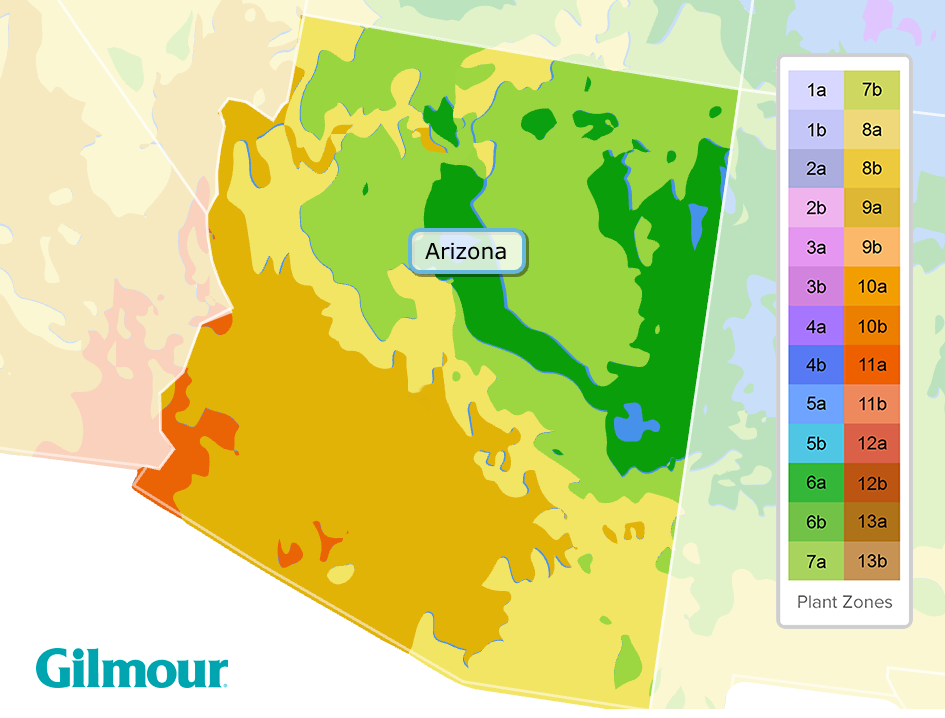
The official standard for identifying planting zones across the United States is the USDA Plant Hardiness Zone Map. This map categorizes regions based on their average annual extreme minimum winter temperature. Each zone represents a 10°F range, with subzones (e.g., 9a, 9b) further narrowing it to a 5°F range. For Arizona, these zones vary dramatically, typically ranging from Zone 4 in the coldest, highest elevations to Zone 10 in the warmest, lowest deserts. This wide spectrum means that a plant that thrives in the low desert around Phoenix would undoubtedly perish in the winter snows of Flagstaff, and vice-versa. Understanding your specific zone is the first step in aligning your gardening aspirations with the local environment, ensuring that your efforts contribute to a sustainable and beautiful living space rather than a battle against nature.
The Microclimates of the Grand Canyon State
Beyond the broad strokes of USDA zones, Arizona is renowned for its numerous microclimates. These localized climatic conditions, influenced by specific geographical features like mountains, canyons, valleys, or even urban heat islands, can significantly alter the suitability of a plant for a given area. For instance, a home nestled against a south-facing rock outcropping in the Sonoran Desert might experience warmer temperatures than a north-facing yard just a few blocks away. Similarly, areas near large bodies of water, even artificial ones like canals or lakes, can have slightly moderated temperatures. Recognizing these nuances is crucial for the discerning lifestyle gardener in Arizona. It encourages thoughtful observation of one’s own property, paying attention to sun exposure, wind patterns, and the proximity of structures, allowing for even more precise plant selections and a greater chance of success, turning a patch of land into a personal oasis.
Navigating Arizona’s Primary Planting Zones
To truly appreciate the diversity of Arizona’s natural and cultivated landscapes, it’s helpful to break down the state into its primary planting zones, each supporting a distinct lifestyle and gardening approach.
The Low Desert Lifestyle (Zones 9-10)
This region encompasses the vast expanses of the Sonoran Desert and parts of the Mojave Desert, including major metropolitan areas like Phoenix, Tucson, Yuma, Tempe, and Scottsdale. Characterized by extremely hot summers, mild winters, and very little rainfall, these zones (predominantly 9b-10b) are ideal for a unique palette of plants. The lifestyle here often revolves around outdoor living, and gardening reflects this with an emphasis on drought-tolerant, heat-loving species. Cacti, succulents, many varieties of palm trees, citrus, olives, and certain types of roses thrive here. Winter vegetable gardens are a popular lifestyle pursuit, as the mild temperatures allow for bountiful harvests of cool-season crops when much of the country is frozen.
The High Desert & Central Highlands Experience (Zones 7-8)
Moving north and east into higher elevations, areas like Prescott, Sedona, and much of the central plateau fall into Zones 7 and 8. Here, summers are warm to hot, but winters are distinctly colder with occasional snowfall and more frequent freezes than the low desert. This transition zone supports a broader range of plants, blending desert adaptability with greater cold tolerance. The lifestyle in these areas often embraces a four-season experience. Gardening can include ornamental grasses, junipers, pines, oaks, some fruit trees (like apples and peaches), and a wider variety of perennials and annuals. Spring and fall are prime gardening seasons, with careful attention required to protect tender plants from late spring or early fall frosts.
Mountain Living and Cold Tolerance (Zones 4-6)
The highest elevations in Arizona, particularly the mountainous regions around Flagstaff, the Grand Canyon rim, Show Low, Payson, Alpine, and Pinetop-Lakeside within the Colorado Plateau, fall into Zones 4, 5, and 6. These areas experience cold winters with significant snowfall and short, mild to warm summers. The lifestyle here is distinctly alpine, with an emphasis on hardy conifers, aspens, cold-tolerant shrubs, and wildflowers. Gardening is often focused on a shorter growing season, making careful timing of planting and choosing very hardy species essential. This environment demands a resilient and adaptable approach to gardening, where every successful bloom or harvest feels like a greater accomplishment.
Cultivating a Thriving Arizona Lifestyle Garden
Once your specific zone is identified, the real work—and joy—of shaping your Arizona lifestyle begins. It’s about making informed choices that reflect both your aesthetic desires and the practical realities of the local environment.
Smart Plant Choices for Each Zone

The key to a successful Arizona garden is selecting plants that are naturally suited to your zone’s temperature extremes. For Zone 9-10 in cities like Mesa, Glendale, and Chandler, this means embracing native desert plants such as palo verde trees, mesquite, saguaros, ocotillos, and agaves. These species are not only beautiful but are genetically programmed for heat and drought survival. In contrast, Zone 7-8 areas like Kingman and Oro Valley can incorporate more temperate options alongside high-desert natives, like various ornamental grasses, Russian sage, and certain varieties of juniper. For the colder Zones 4-6, native ponderosa pines, aspens, and various berry bushes that can withstand deep freezes are excellent choices. Consulting local nurseries, which stock plants appropriate for the immediate area, is an invaluable lifestyle tip.
Adapting Gardening Practices to Arizona’s Unique Climate
Gardening in Arizona requires a departure from traditional temperate-climate practices. The intense sun, low humidity, and often alkaline soils present unique challenges. For low desert dwellers in cities like Peoria and Surprise, planting times are reversed: cool-season vegetables thrive in winter, while heat-loving plants are established in spring or fall, not the height of summer. Mulching is essential across all zones to conserve moisture and regulate soil temperature. Raised garden beds are popular, especially where native soil is poor, allowing for better control over soil composition. Furthermore, understanding the optimal watering schedules and techniques for arid environments is critical to cultivating a lush, yet water-wise, garden.
Embracing Native and Drought-Tolerant Landscaping
A sustainable Arizona lifestyle strongly advocates for xeriscaping, a landscaping method that reduces or eliminates the need for supplemental water from irrigation. This approach not only conserves a precious resource but also promotes the use of native plants that are inherently suited to the local conditions, creating biodiverse habitats. Incorporating elements like permeable hardscaping, efficient drip irrigation systems, and grouping plants with similar water needs are all components of a thoughtful, ecologically conscious lifestyle that thrives in harmony with the desert. This isn’t just about survival; it’s about celebrating the unique beauty and resilience of the local ecosystem.
Beyond the Zone: Factors for a Sustainable Arizona Lifestyle
While planting zones provide an indispensable framework, a truly successful and sustainable Arizona garden, emblematic of an engaged lifestyle, considers several other vital factors.
Water Conservation as a Core Lifestyle Principle
In a state where water is a finite and precious resource, particularly in areas influenced by the Chihuahuan Desert like Sierra Vista, every gardening decision should be made with water conservation in mind. This means utilizing smart irrigation technology, capturing rainwater where feasible, improving soil with organic matter to increase water retention, and prioritizing plants with low to very low water requirements. Adopting water-wise practices isn’t just about saving money; it’s a fundamental aspect of responsible living in the Southwest, a lifestyle choice that reflects respect for the environment and community.
Soil Health and Nutrient Management
Arizona soils often present challenges, from heavy clays to rocky compositions and high alkalinity. Understanding your soil’s unique characteristics through a soil test is an important step. Amending soil with compost and other organic matter can significantly improve its structure, drainage, and nutrient content, making it more hospitable for your chosen plants. Regular replenishment of nutrients, especially in the warm low desert where microbial activity is high, ensures healthy plant growth and reduces the need for harsh chemical fertilizers, aligning with a more natural and holistic lifestyle.
Pest Management in Arid Environments
While some pests are less prevalent in arid climates, others thrive, such as various types of aphids, whiteflies, and spider mites. A proactive approach to pest management, including regular inspection, encouraging beneficial insects, and using organic pest control methods when necessary, is part of maintaining a healthy garden and a stress-free lifestyle. Understanding the specific pests common to your Arizona zone and acting swiftly can prevent minor issues from becoming major problems.
The Joy of Year-Round Gardening in Arizona
One of the most appealing aspects of the Arizona lifestyle, particularly in the lower elevations, is the opportunity for year-round gardening. This continuous connection to the earth is a source of immense satisfaction.
Seasonal Planting for Continuous Harvests
In the low desert, the gardening calendar is almost inverted compared to other parts of the United States. Fall is the time to plant cool-season vegetables like lettuce, spinach, carrots, and broccoli, which will thrive through the mild winter. Spring brings opportunities for warm-season crops like tomatoes, peppers, and beans before the intense summer heat sets in. Even during the peak of summer, certain heat-tolerant crops like sweet potatoes, okra, and specific varieties of melons can be grown. This rhythmic dance with the seasons provides a continuous supply of fresh produce, fostering a self-sufficient and rewarding lifestyle.

Community and Connection Through Local Flora
Gardening in Arizona is more than just tending plants; it’s a way to connect with the unique ecosystem and a vibrant community of fellow enthusiasts. Local garden clubs, botanical gardens, and community events centered around native plants and sustainable practices are plentiful. Engaging with these resources not only provides valuable knowledge and support but also fosters a sense of belonging and shared purpose. Ultimately, understanding Arizona’s planting zones is the gateway to unlocking a rich, fulfilling, and beautiful lifestyle, deeply rooted in the extraordinary landscape of the Grand Canyon State.
LifeOutOfTheBox is a participant in the Amazon Services LLC Associates Program, an affiliate advertising program designed to provide a means for sites to earn advertising fees by advertising and linking to Amazon.com. Amazon, the Amazon logo, AmazonSupply, and the AmazonSupply logo are trademarks of Amazon.com, Inc. or its affiliates. As an Amazon Associate we earn affiliate commissions from qualifying purchases.