
Navigating the complex healthcare landscape of a global metropolis like New York City can be a daunting task, especially when considering the sheer volume and diversity of medical facilities available. For residents, visitors, and even those planning a move to the Big Apple, understanding the number and types of hospitals is crucial for informed decision-making, particularly in emergencies or for ongoing care. While a precise, real-time count is fluid due to openings, closings, and consolidations, we can delve into the general scale and organizational structure of healthcare provision within the five boroughs.

The question of “how many” hospitals in New York City isn’t merely about a numerical tally; it’s about grasping the robust and multifaceted healthcare system that serves millions. This system comprises a wide array of institutions, from world-renowned academic medical centers to community-focused facilities, each playing a vital role in public health. The density and distribution of these hospitals are carefully considered, aiming to provide accessible care across diverse neighborhoods, from the bustling streets of Manhattan to the residential areas of Queens.
The Scope of Hospital Services in New York City
New York City boasts an exceptionally high concentration of hospitals, reflecting its status as a major international hub and a densely populated urban center. The sheer scale of the city’s population, coupled with its role as a destination for medical tourism and a center for groundbreaking medical research, necessitates a comprehensive network of healthcare providers. Estimating the exact number often involves defining what constitutes a “hospital,” as the landscape includes general hospitals, specialized hospitals, children’s hospitals, and facilities with varying ownership structures (voluntary, proprietary, and governmental).
Major Hospital Systems and Their Reach
The healthcare landscape in New York City is dominated by several large, influential hospital systems. These systems often operate multiple facilities across different boroughs, providing a wide spectrum of services and contributing significantly to the city’s economic and social fabric. Understanding these systems is key to appreciating the breadth of available care.
Northwell Health: A Dominant Force
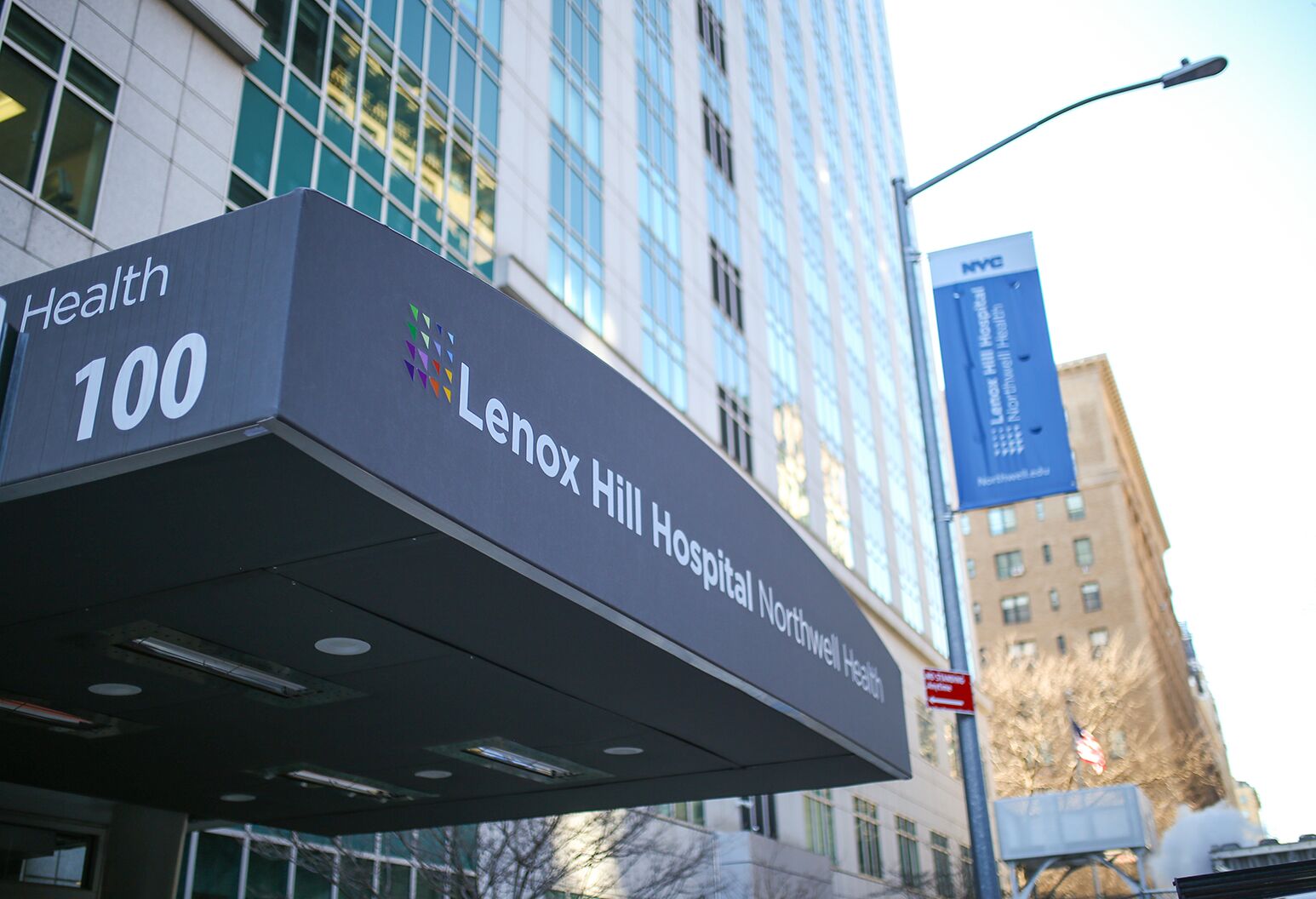
As the largest healthcare provider in New York State, Northwell Health operates a significant number of hospitals within New York City and its surrounding suburbs. Their network includes renowned institutions like Lenox Hill Hospital, North Shore University Hospital, and Long Island Jewish Medical Center. These facilities are often recognized for their advanced medical technologies and specialized treatment centers, serving a vast patient population. Northwell Health plays a pivotal role in trauma care, cardiac surgery, cancer treatment, and neuroscience, among other critical areas.
NewYork-Presbyterian Healthcare System: Excellence in Care and Research
Another colossal presence in the New York City healthcare scene is the NewYork-Presbyterian Healthcare System. This system, a partnership between Columbia University Irving Medical Center and Weill Cornell Medicine, comprises multiple hospitals, including the flagship NewYork-Presbyterian Hospital with its various campuses like Weill Cornell Medical Center and Columbia University Medical Center. Renowned for its cutting-edge research and compassionate patient care, NewYork-Presbyterian consistently ranks among the nation’s top hospitals, offering comprehensive services from primary care to highly specialized treatments for complex conditions. Their commitment to medical education and innovation further solidifies their position as a leader in healthcare.
Mount Sinai Health System: A Legacy of Healing
The Mount Sinai Health System is an extensive network of hospitals and healthcare facilities that has been serving New York City for over 175 years. Its flagship, The Mount Sinai Hospital, is a world-renowned center for excellence in patient care, medical research, and education. The system also includes Mount Sinai West, Mount Sinai St. Luke’s, and several other hospitals and outpatient centers strategically located across the city. Mount Sinai is recognized for its leadership in fields such as cardiology, oncology, gastroenterology, and neurology, consistently pushing the boundaries of medical knowledge and treatment.
NYC Health + Hospitals: Serving All New Yorkers
As the largest public hospital system in the United States, NYC Health + Hospitals plays an indispensable role in ensuring that all residents of New York City, regardless of their insurance status or ability to pay, have access to quality healthcare. This system operates 11 hospitals across the five boroughs, including major facilities like Bellevue Hospital Center, the nation’s oldest public hospital, and Kings County Hospital Center. NYC Health + Hospitals provides a broad range of services, from emergency care and primary physician services to specialized clinics for chronic diseases, mental health, and women’s health. Their commitment to community health and underserved populations makes them a cornerstone of the city’s healthcare infrastructure.
Other Significant Players and Specialized Facilities
Beyond these major systems, New York City is home to numerous other hospitals and specialized facilities that contribute to its comprehensive healthcare offerings. These include hospitals affiliated with prestigious universities outside of the aforementioned systems, such as NYU Langone Health, which operates several major hospitals and clinics, including the highly-regarded NYU Langone Hospitals.
There are also numerous children’s hospitals, such as Morgan Stanley Children’s Hospital of NewYork-Presbyterian and Hassenfeld Children’s Hospital at NYU Langone, dedicated to the unique medical needs of young patients. Furthermore, specialized hospitals focusing on specific conditions like cancer, orthopedics, or rehabilitation further diversify the healthcare landscape, ensuring that patients have access to highly targeted expertise. The presence of facilities like the Memorial Sloan Kettering Cancer Center underscores the city’s commitment to pioneering research and advanced treatments for complex diseases.
Factors Influencing Hospital Numbers and Availability
The number of hospitals in New York City is not static and is influenced by a dynamic interplay of demographic shifts, economic forces, regulatory policies, and advancements in medical technology. Understanding these factors provides a broader perspective on the evolution and resilience of the city’s healthcare system.
Demographic Trends and Healthcare Demand
New York City is a city of constant flux, with a growing and aging population, as well as significant seasonal influxes of tourists and temporary residents. These demographic trends directly impact the demand for healthcare services. An increasing elderly population, for instance, often leads to a higher demand for geriatric care, chronic disease management, and long-term acute care facilities. Conversely, a growing younger population might necessitate more pediatric and family medicine services. The city’s diverse population also means a demand for culturally competent care and services that cater to a wide range of health needs and backgrounds.
Economic and Regulatory Landscape
The economic viability of healthcare institutions is a significant factor in their operation and expansion. New York City has a highly competitive healthcare market, and hospitals must navigate complex billing, insurance, and reimbursement landscapes. Government regulations, including those from the New York State Department of Health and federal bodies, play a crucial role in setting standards for patient care, facility operations, and the approval of new medical services or facilities. Mergers and acquisitions among hospital systems are also common, driven by the need to achieve economies of scale, enhance operational efficiency, and expand market reach, which can indirectly affect the perceived “number” of independent hospitals.
Technological Advancements and Healthcare Delivery Models
Medical technology is evolving at an unprecedented pace, influencing how and where healthcare is delivered. The rise of telemedicine, outpatient surgical centers, and specialized clinics has altered the traditional role of the hospital. While these advancements may not directly reduce the number of hospitals, they can shift the focus of hospital services towards more complex procedures and critical care, while routine or less intensive treatments are increasingly offered in less resource-intensive settings. Furthermore, innovations in diagnostic imaging, robotic surgery, and personalized medicine require significant investment, influencing which hospitals can afford to offer the latest treatments and how they position themselves within the market.
Navigating the Hospital Landscape for Residents and Visitors
For anyone living in or visiting New York City, knowing how to access appropriate hospital care is essential. The vast network of facilities means choices are abundant, but understanding how to navigate them can save critical time and ensure optimal care.
Emergency Services and Urgent Care
In a medical emergency, New York City has a robust emergency medical services system, with ambulances dispatched by the New York City Fire Department (which also oversees EMS) or private ambulance services. Each major hospital in the city is equipped with an emergency department (ED) designed to handle a wide range of acute medical conditions, from heart attacks and strokes to severe injuries. For less life-threatening but still urgent conditions, urgent care centers offer a convenient alternative, providing medical attention without the long wait times often associated with EDs. These centers are typically equipped to handle minor injuries, infections, and other non-emergency ailments.
Choosing the Right Hospital for Specific Needs
Selecting a hospital for non-emergency medical needs, such as surgery, childbirth, or specialized treatment, involves considering several factors. Proximity is often a primary concern, especially for routine appointments or follow-up care. However, for specialized treatments, patients may choose to travel further to access renowned centers of excellence. Researching hospital rankings, patient satisfaction scores, and the specific expertise of medical staff in relevant fields is highly recommended. Resources like Healthgrades or information provided by the hospitals themselves can offer valuable insights. For instance, if seeking world-class cardiac care, one might look into institutions like NewYork-Presbyterian Heart Institute or the cardiac services at Mount Sinai Hospital. Similarly, for pediatric oncology, facilities like Memorial Sloan Kettering Cancer Center or Hassenfeld Children’s Hospital at NYU Langone are leading destinations.
The Role of Insurance and Affiliations
Understanding your health insurance plan is paramount when selecting a hospital. Most insurance providers have networks of in-network and out-of-network providers, and choosing an in-network hospital can significantly reduce out-of-pocket expenses. Hospitals often have affiliations with specific insurance companies, and it’s advisable to verify that your chosen facility is covered by your plan. For those without insurance, or facing high costs, the public hospital system (NYC Health + Hospitals) and hospital financial assistance programs can be crucial resources. Many non-profit hospitals offer charity care or financial aid to eligible patients.
The Dynamic Nature of New York City’s Healthcare Infrastructure
While a definitive, constantly updated count of hospitals in New York City is difficult to pin down, it is safe to say that the city is home to well over 100 hospitals, encompassing a vast array of specialties and serving diverse populations. This number fluctuates due to mergers, acquisitions, the establishment of new facilities, and occasionally, the closure of underperforming institutions. The ongoing evolution of healthcare delivery models, technological advancements, and shifting demographic patterns ensure that the city’s healthcare infrastructure remains a dynamic and ever-changing landscape.
An Ever-Evolving Count: Beyond a Simple Number
The challenge in providing an exact number lies in the definition of a “hospital” itself. Does it include all facilities offering inpatient care? What about specialized rehabilitation centers or long-term acute care hospitals that might not fit the traditional hospital model? Furthermore, the consolidation of healthcare systems means that what were once individual hospitals might now operate under a single organizational umbrella, even if they retain their distinct names and identities. This integration often leads to resource optimization, shared administrative functions, and a more streamlined patient journey across different facilities within a system.

The Future of Hospitals in a Metropolis
Looking ahead, New York City hospitals will continue to adapt to the demands of a complex urban environment. Increased focus on preventive care, the integration of behavioral health services, and the expansion of telehealth are likely to shape future healthcare delivery. The city’s commitment to innovation and its status as a global medical hub suggest that its hospitals will remain at the forefront of medical research, treatment, and patient care, ensuring that residents and visitors have access to some of the best healthcare services available anywhere in the world. The sheer density and diversity of its hospital system are a testament to its commitment to the well-being of its millions of inhabitants and its enduring role as a leader in global health.
LifeOutOfTheBox is a participant in the Amazon Services LLC Associates Program, an affiliate advertising program designed to provide a means for sites to earn advertising fees by advertising and linking to Amazon.com. Amazon, the Amazon logo, AmazonSupply, and the AmazonSupply logo are trademarks of Amazon.com, Inc. or its affiliates. As an Amazon Associate we earn affiliate commissions from qualifying purchases.