
The skyline of Las Vegas is a testament to the sheer scale of the global hospitality industry. For decades, this neon oasis in the heart of Nevada has redefined what it means to host the world. When travelers ask how many hotel rooms are in the city, the answer is a staggering figure that continues to climb as new developments reshape the horizon. As of the most recent estimates, there are approximately 150,000 to 155,000 hotel rooms available across the Las Vegas Valley. This concentration of lodging is unparalleled in the United States, making the city the undisputed leader in high-density accommodation and resort infrastructure.
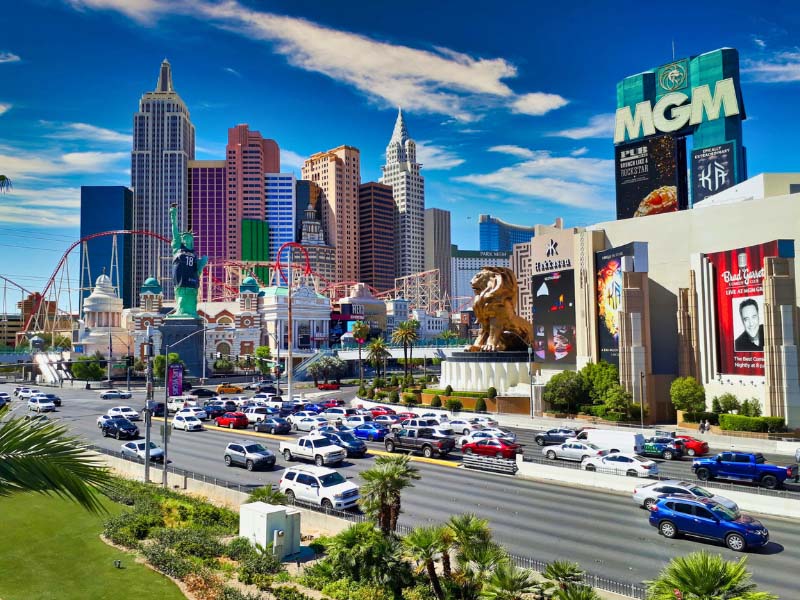
To understand the magnitude of this inventory, one must look at the density of the Las Vegas Strip. This four-mile stretch of South Las Vegas Boulevard contains more hotel rooms than many entire mid-sized nations. The architecture here is designed specifically to maximize room counts while offering expansive gaming floors, entertainment venues, and convention spaces. The inventory is not just about quantity; it is about a diverse ecosystem ranging from budget-friendly rooms to the most expensive luxury villas in the world.
The Massive Inventory of the Entertainment Capital
The volume of hotel rooms in Las Vegas is driven by a constant cycle of demand from international tourism, massive conventions, and high-profile sporting events. Unlike other metropolitan areas where hotel rooms are scattered throughout the city, the majority of the inventory in this region is clustered within a few square miles. This unique geographic concentration allows the city to host millions of visitors simultaneously, providing the infrastructure necessary for events at the Las Vegas Convention Center or the Allegiant Stadium.
The room count is dynamic. While older properties may occasionally undergo renovations that consolidate smaller rooms into larger suites, the overall trend is one of aggressive growth. The introduction of properties like Resorts World Las Vegas and the long-awaited opening of Fontainebleau Las Vegas have added thousands of keys to the market in recent years. These massive projects are often “integrated resorts,” meaning they provide everything from lodging and dining to retail and nightlife under one roof, often featuring room counts that exceed 3,000 units per property.
Maintaining such a high volume of rooms requires an intricate logistical network. On any given day, the hospitality workforce ensures that tens of thousands of rooms are turned over, a feat that requires precision and a massive labor force. This high room density also influences the local economy, as the occupancy rates of these 150,000 rooms serve as a primary indicator of the city’s financial health.
Defining the Mega-Resort Era
The architectural identity of Las Vegas changed forever with the dawn of the mega-resort era. This philosophy of hotel design prioritizes scale, ensuring that each property can house a small city’s worth of guests. To grasp the scale, one only needs to look at the individual room counts of the Strip’s most prominent titans.
The Power Players of the Strip
At the center of the room count discussion is the MGM Grand. For years, it stood as one of the largest hotels in the world, boasting over 5,000 rooms within its emerald-green towers. When combined with its various components like The Signature at MGM Grand and the ultra-exclusive Skylofts at MGM Grand, the complex represents a significant portion of the city’s total lodging capacity.
Nearby, The Venetian Resort Las Vegas and its sister property, The Palazzo at The Venetian Resort, form an even larger interconnected complex. With more than 7,000 all-suite rooms, this destination remains a marvel of the hospitality world. The design focuses on providing larger-than-average standard rooms, ensuring that even at high capacity, the guest experience remains luxurious.
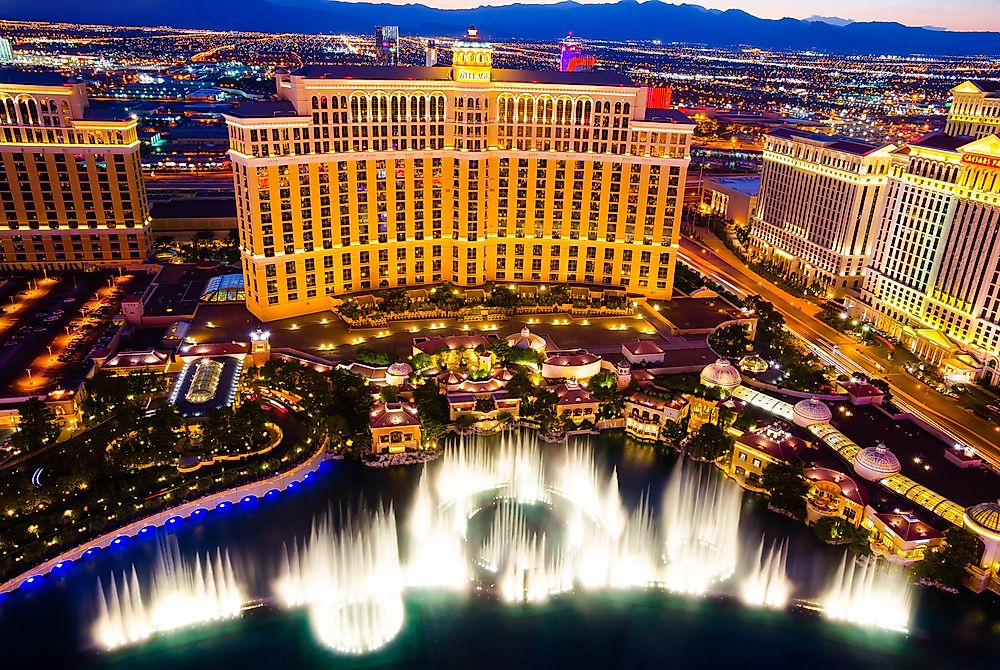
The iconic Caesars Palace is another major contributor to the room tally. Through decades of expansion, it has added multiple towers, including the Octavius Tower and the Augustus Tower, each bringing hundreds of keys to the Flamingo Road intersection. Other heavy hitters include Bellagio, known for its elegance and nearly 4,000 rooms, and the Wynn Las Vegas, which along with Encore at Wynn Las Vegas, provides some of the most highly-rated luxury rooms in the global industry.
Properties like Luxor Hotel and Casino, with its unique pyramid shape, and Excalibur Hotel & Casino, with its castle theme, add thousands of additional rooms targeted at the mid-range and family markets. Further south, Mandalay Bay Resort and Casino and the Delano Las Vegas provide a massive inventory that caters specifically to the convention crowd, given their proximity to one of the largest private convention centers in the country.
Downtown and Off-Strip Alternatives
While the Strip dominates the headlines, Downtown Las Vegas and the “Off-Strip” market are essential components of the 150,000-room total. The downtown area, centered around the Fremont Street Experience, has seen a resurgence in room capacity and quality. Circa Resort & Casino recently introduced the first new hotel tower to the downtown area in decades, bringing a modern, adults-only high-rise experience to the historic district.
Historic properties like the Golden Nugget Las Vegas and Binion’s Gambling Hall & Hotel contribute significantly to the downtown inventory, offering a different atmosphere than the mega-resorts of the south. Additionally, the The D Las Vegas and Four Queens Hotel and Casino provide thousands of rooms for those looking to stay in the heart of the “Glitter Gulch.”
Off-Strip hotels also play a vital role. Properties like Rio Hotel & Casino, Palms Casino Resort, and the Westgate Las Vegas Resort & Casino offer thousands of rooms just minutes away from the main thoroughfare. These resorts often cater to a mix of locals, long-term convention attendees, and tourists seeking a different perspective of the city. Further into the suburbs, luxury options like Red Rock Casino Resort & Spa and Green Valley Ranch Resort Spa & Casino add a significant number of high-end rooms to the regional total.
Luxury Suites, Villas, and the Evolution of Amenities
The raw number of rooms in Las Vegas only tells half the story. The city has shifted its focus from merely providing “heads in beds” to creating specialized environments. A substantial portion of the inventory is now dedicated to luxury suites and boutique “hotels-within-a-hotel.”
This evolution is best seen in properties like Aria Resort & Casino and the Cosmopolitan of Las Vegas. These resorts prioritize modern design and high-tech amenities, often featuring floor-to-ceiling windows and digital room controls. Within these structures, niche brands operate to provide a more intimate experience. For example, NoMad Las Vegas occupies the top floors of Park MGM, and Nobu Hotel Caesars Palace offers a curated Japanese-inspired stay within the larger Caesars Palace campus.
The rise of non-gaming hotels has also influenced the room inventory. Vdara Hotel & Spa and the Waldorf Astoria Las Vegas provide thousands of rooms for travelers who want the Las Vegas experience without the casino environment at their doorstep. Similarly, the Four Seasons Hotel Las Vegas, located on the upper floors of Mandalay Bay, offers a tranquil escape with its own private entrance and lobby.
Amenities have become the primary differentiator in how these rooms are marketed. Beyond the standard bed and bath, Las Vegas rooms now feature advanced air filtration systems, specialized lighting for wellness, and integrated streaming services. The competition to fill 150,000 rooms every night drives constant innovation in room design, ensuring that the inventory remains fresh and attractive to a global audience.
The Future of Lodging and New Developments
The question of how many hotel rooms are in Las Vegas is one that requires constant updating. The city is currently in another phase of expansion, driven by the arrival of professional sports and the city’s emergence as a global entertainment hub. The Sphere and the nearby Formula 1 Las Vegas Grand Prix have increased the demand for high-end lodging, prompting many older hotels to accelerate their renovation schedules.
The recent opening of Fontainebleau Las Vegas added approximately 3,600 rooms to the north end of the Strip, revitalizing an area that had seen less development than the central corridor. Meanwhile, the rebranding of the Hard Rock Hotel & Casino and the ongoing transformation of the Mirage Hotel & Casino signify that even the most famous rooms in the city are subject to change.
Future projects continue to be proposed, including new towers at existing properties and entirely new resorts on the remaining vacant lots of the Strip. As the city looks toward the next decade, the focus is likely to remain on high-capacity, high-luxury integrated resorts. This growth is supported by the expansion of Harry Reid International Airport, which continues to increase its capacity for international arrivals, ensuring a steady stream of guests for the city’s vast hotel inventory.
The 150,000-room milestone is a symbol of Las Vegas’s resilience and its ability to adapt to changing consumer tastes. Whether it is through the addition of massive new towers or the meticulous renovation of historic landmarks like Flamingo Las Vegas or Horseshoe Las Vegas, the city remains committed to maintaining its status as the hotel capital of the world. For the visitor, this massive inventory means that there is always a room available, whether they are looking for a view of the Paris Las Vegas Eiffel Tower or a quiet suite in Summerlin. The sheer number of rooms is not just a statistic; it is the foundation upon which the entire Las Vegas experience is built.
LifeOutOfTheBox is a participant in the Amazon Services LLC Associates Program, an affiliate advertising program designed to provide a means for sites to earn advertising fees by advertising and linking to Amazon.com. Amazon, the Amazon logo, AmazonSupply, and the AmazonSupply logo are trademarks of Amazon.com, Inc. or its affiliates. As an Amazon Associate we earn affiliate commissions from qualifying purchases.