
Embarking on a journey from California to Australia is an adventure that promises breathtaking landscapes, unique wildlife, and vibrant cultures. However, one of the most significant initial challenges and crucial planning considerations for any traveler is understanding the vast time difference. Navigating the temporal gap between these two distant points is not merely a matter of arithmetic; it’s a fundamental aspect of managing travel itineraries, combating jet lag, and staying connected across hemispheres. This article delves into the complexities of the time zones separating Australia and California, providing practical insights for a seamless travel experience.
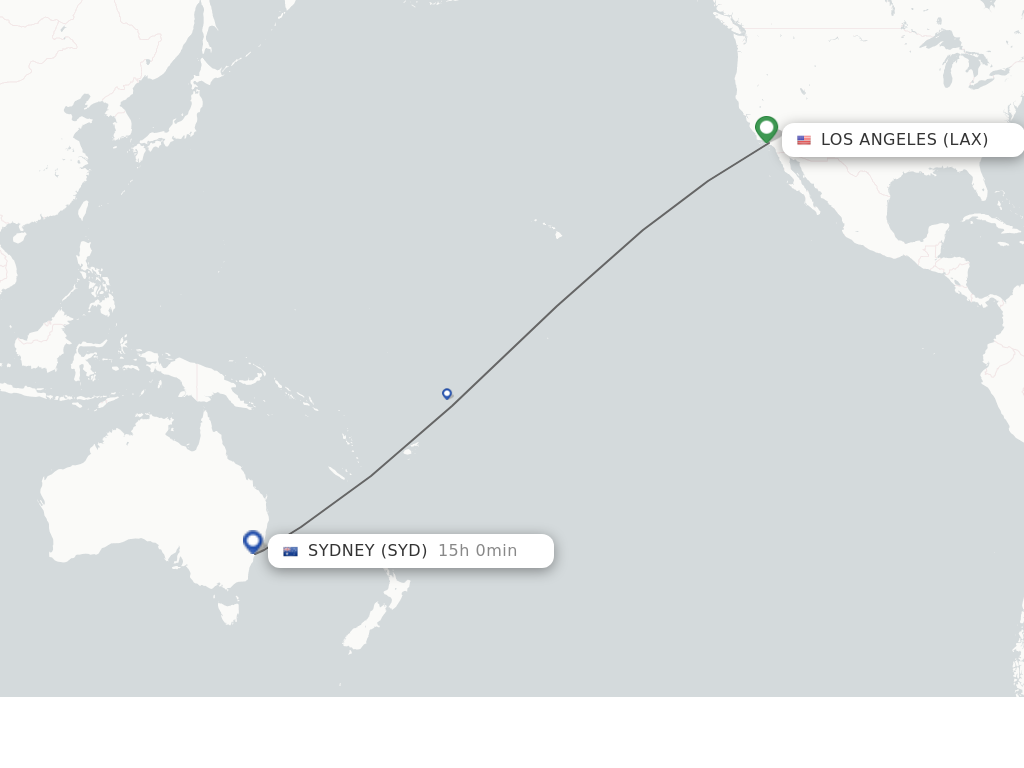
The Vast Expanse: Understanding Time Zones Across the Pacific
The sheer geographical distance between California and Australia, spanning across the expansive Pacific Ocean, dictates a substantial time difference. The Earth is divided into 24 primary time zones, each roughly 15 degrees of longitude apart, accounting for the planet’s 360-degree rotation over 24 hours. As you travel eastward across time zones, you gain an hour; westward, you lose an hour. The most impactful element in this transatlantic journey is the International Date Line (IDL). Situated approximately at 180 degrees longitude, crossing the IDL means either advancing or rewinding an entire day. When flying from California to Australia, you cross the IDL moving westward, effectively “losing” a calendar day. Conversely, traveling from Australia to California means “gaining” a day.
All time zones are measured in relation to Coordinated Universal Time (UTC), which is the primary time standard by which the world regulates clocks and time. Understanding your destination’s offset from UTC is key to calculating the difference.
California’s Time Zones: A Starting Point
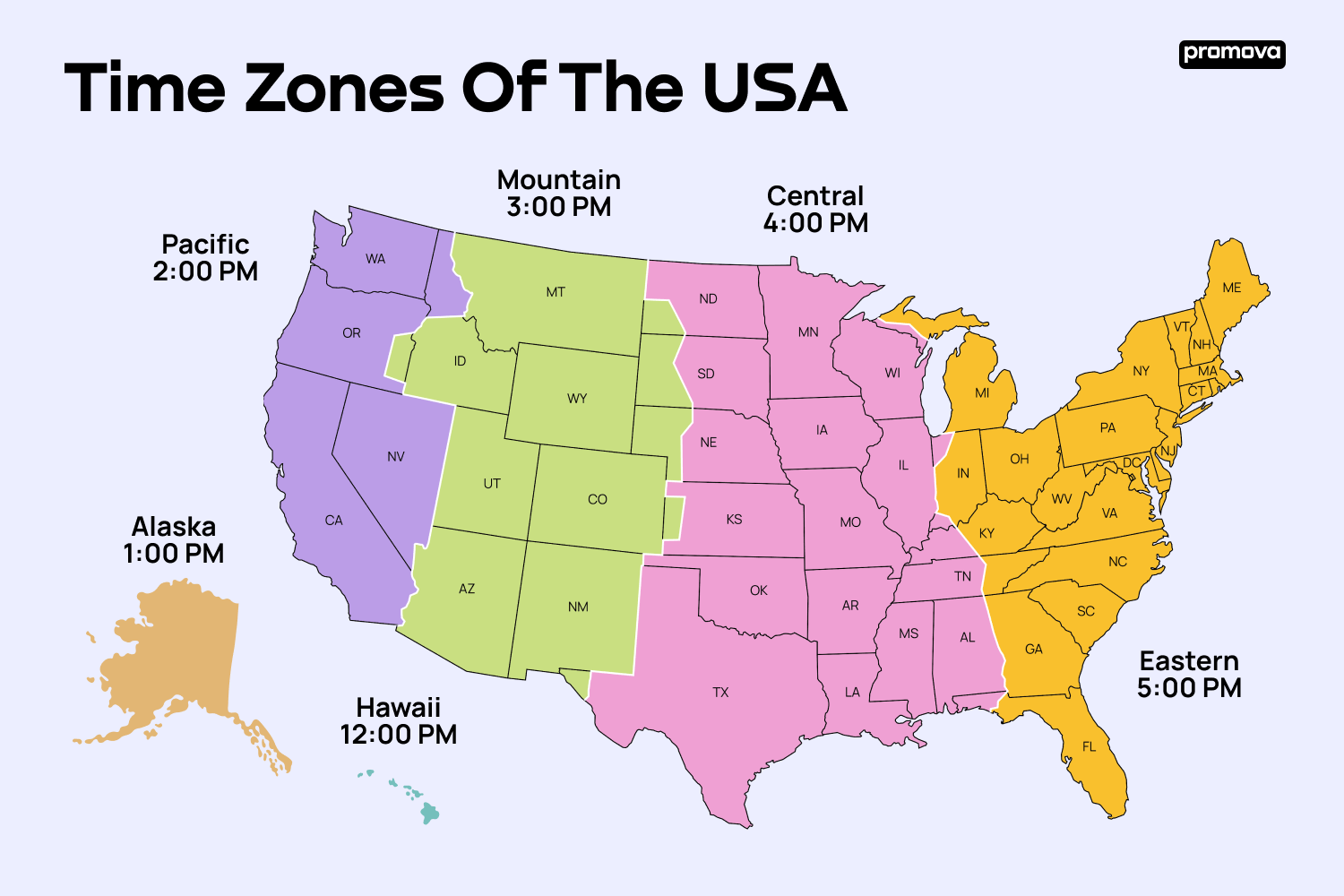
California, like much of the western United States, primarily observes a single time zone, but with an important seasonal adjustment.
During standard time, from roughly early November to mid-March, California operates on Pacific Standard Time (PST), which is UTC-8. This means it is eight hours behind Coordinated Universal Time (UTC). Major cities like Los Angeles, San Francisco, and San Diego all adhere to PST during this period.
From mid-March to early November, California switches to Pacific Daylight Time (PDT). This involves advancing clocks by one hour, making it UTC-7, or seven hours behind UTC. This Daylight Saving Time (DST) adjustment influences the exact hourly difference with Australia for a significant portion of the year. Travelers must always factor in whether California is on PST or PDT when making calculations.
Australia’s Multiple Time Zones: A Complex Reality
Australia is a vast continent, and its size necessitates the division into multiple time zones, further complicated by varying Daylight Saving Time (DST) observances among its states and territories. This means that the time difference from California can vary significantly depending on your specific destination within Australia and the time of year.
Australia has three primary mainland time zones:
- Australian Eastern Standard Time (AEST): This zone covers the eastern states of Queensland, New South Wales, Victoria, Tasmania, and the Australian Capital Territory. It is UTC+10, meaning it is ten hours ahead of Coordinated Universal Time (UTC). Major cities in this zone include Sydney, Melbourne, and Brisbane.
- Australian Central Standard Time (ACST): Covering South Australia and the Northern Territory, ACST is UTC+9:30, nine and a half hours ahead of UTC. Key cities here are Adelaide and Darwin.
- Australian Western Standard Time (AWST): This zone encompasses Western Australia and is UTC+8, eight hours ahead of UTC. The capital city is Perth.
Adding another layer of complexity is Daylight Saving Time (DST). In Australia, DST is typically observed from the first Sunday in October to the first Sunday in April (the Southern Hemisphere’s summer). However, not all states participate. Queensland, the Northern Territory, and Western Australia do not observe DST. This means:
- States observing DST (e.g., New South Wales, Victoria, Tasmania, South Australia) will shift from standard time to daylight time (e.g., AEST becomes Australian Eastern Daylight Time (AEDT), UTC+11; ACST becomes Australian Central Daylight Time (ACDT), UTC+10:30).
- States not observing DST (e.g., Queensland, Northern Territory, Western Australia) maintain their standard time throughout the year.
This creates a dynamic time difference that fluctuates based on the calendar.
Calculating the Difference: Practical Scenarios
To accurately determine the time difference, you must consider the specific time of year and the exact destination within Australia. Here are some common scenarios:
Non-Daylight Saving Periods (Northern Hemisphere Winter / Southern Hemisphere Summer)
This period typically spans from early November to mid-March. California is on PST (UTC-8). Australia is mostly on DST during this time (Southern Hemisphere summer), meaning eastern and central regions are an hour ahead of their standard time.
- California (PST) vs. Australian Eastern Daylight Time (AEDT) (Sydney, Melbourne):
- PST = UTC-8
- AEDT = UTC+11
- Difference: 11 – (-8) = 19 hours.
- Result: Sydney and Melbourne are 19 hours ahead of California. (And one calendar day ahead due to the IDL). If it’s 9 AM Monday in California, it’s 4 AM Tuesday in Sydney.
-
California (PST) vs. Australian Central Daylight Time (ACDT) (Adelaide):
- PST = UTC-8
- ACDT = UTC+10:30
- Difference: 10.5 – (-8) = 18.5 hours.
- Result: Adelaide is 18.5 hours ahead of California.
-
California (PST) vs. Australian Eastern Standard Time (AEST) (Brisbane, Queensland): (Brisbane does not observe DST)
- PST = UTC-8
- AEST = UTC+10
- Difference: 10 – (-8) = 18 hours.
- Result: Brisbane is 18 hours ahead of California.
-
California (PST) vs. Australian Western Standard Time (AWST) (Perth): (Perth does not observe DST)
- PST = UTC-8
- AWST = UTC+8
- Difference: 8 – (-8) = 16 hours.
- Result: Perth is 16 hours ahead of California.
Daylight Saving Overlaps (Northern Hemisphere Summer / Southern Hemisphere Winter)
This period is roughly from early April to early November. California is on PDT (UTC-7). Australia is primarily on standard time during this period (Southern Hemisphere winter), as DST has ended.
-
California (PDT) vs. Australian Eastern Standard Time (AEST) (Sydney, Melbourne, Brisbane):
- PDT = UTC-7
- AEST = UTC+10
- Difference: 10 – (-7) = 17 hours.
- Result: Sydney, Melbourne, and Brisbane are 17 hours ahead of California.
-
California (PDT) vs. Australian Central Standard Time (ACST) (Adelaide, Darwin):
- PDT = UTC-7
- ACST = UTC+9:30
- Difference: 9.5 – (-7) = 16.5 hours.
- Result: Adelaide and Darwin are 16.5 hours ahead of California.
-
California (PDT) vs. Australian Western Standard Time (AWST) (Perth):
- PDT = UTC-7
- AWST = UTC+8
- Difference: 8 – (-7) = 15 hours.
- Result: Perth is 15 hours ahead of California.
As these examples illustrate, the time difference can range from 15 to 19 hours, always with Australia being ahead and across the International Date Line.
Navigating the Time Warp: Practical Tips for Travelers
Understanding the time difference is only the first step; effectively managing it is key to enjoying your Australian adventure.
Beating Jet Lag
The significant time shift, especially when crossing the IDL and numerous time zones, makes jet lag almost inevitable. However, strategic planning can mitigate its effects:
- Pre-Adjust Your Sleep: A few days before departure, try to gradually shift your sleep schedule closer to Australia’s time. If flying east, go to bed an hour or two earlier each night.
- Hydrate and Eat Light: Drink plenty of water and avoid excessive alcohol or caffeine on the flight. Opt for light, healthy meals.
- Embrace Natural Light: Upon arrival, expose yourself to natural light during the day, and avoid bright lights in the evening. This helps reset your circadian rhythm.
- Strategic Napping: If you must nap, keep it short (20-30 minutes) and avoid napping too close to your new bedtime.
- Stay Active: Gentle exercise can help normalize your body clock and improve sleep quality.
Planning Your Itinerary
The time difference impacts more than just your internal clock; it affects your entire travel plan.
- Arrival Day Strategy: Plan a relaxed first day. Avoid scheduling demanding activities, long drives, or important appointments immediately after landing. Focus on checking into your accommodation and gently exploring your immediate surroundings.
- Communication with Home: Clearly communicate expected communication times with family, friends, or colleagues back in California. Remember that when it’s daytime in Australia, it’s likely the previous evening or very early morning in California.
- Attraction Opening Hours: Always double-check the local opening and closing times for attractions, restaurants, and public transport, accounting for Australian’s time zones.

Essential Tools
Leverage technology to simplify time management:
- World Clock Apps: Your smartphone’s world clock feature is invaluable. Add California and your specific Australian destinations (Sydney, Melbourne, Perth, etc.) to see the times at a glance. Many apps automatically adjust for Daylight Saving Time (DST).
- Airline Apps: Keep your airline’s app handy for real-time flight status and departure/arrival times, which will be shown in local time.
- Local SIM Card/eSIM: Ensure your phone automatically updates to the local time by acquiring a local Australian SIM card or activating an eSIM with a data plan upon arrival. This removes the guesswork.
Traveling from California to Australia is a journey across continents and through time. By understanding the intricate dance of time zones, accounting for Daylight Saving Time (DST) in both locations, and implementing smart travel strategies, you can minimize the impact of the time difference and maximize your enjoyment of everything the Land Down Under has to offer.
LifeOutOfTheBox is a participant in the Amazon Services LLC Associates Program, an affiliate advertising program designed to provide a means for sites to earn advertising fees by advertising and linking to Amazon.com. Amazon, the Amazon logo, AmazonSupply, and the AmazonSupply logo are trademarks of Amazon.com, Inc. or its affiliates. As an Amazon Associate we earn affiliate commissions from qualifying purchases.