
Navigating the complexities of time zones can be a crucial element of planning any international journey, particularly when your itinerary involves crossing the Atlantic. For many travelers, the question “How many hours ahead is London from New York?” is a fundamental one, impacting everything from flight schedules and arrival times to the ability to conduct business or connect with loved ones back home. Understanding this time difference is not just about avoiding jet lag; it’s about maximizing your travel experience, ensuring seamless communication, and fully appreciating the unique rhythm of each magnificent city. This article delves into the intricacies of this specific time difference, exploring its practical implications for travelers, tourists, and business professionals alike.

The core of this time difference lies in the Earth’s rotation and the establishment of standardized time zones. New York, located on the eastern seaboard of the United States, observes Eastern Standard Time (EST) during the winter months, which is UTC-5, and Eastern Daylight Time (EDT) during the summer months, which is UTC-4. London, the vibrant capital of the United Kingdom, adheres to Greenwich Mean Time (GMT) during the winter, which is UTC+0, and British Summer Time (BST) during the summer, which is UTC+1. This shift to daylight saving time in both regions, though occurring at different times of the year, is a critical factor in the variability of the hour difference.
Understanding the Time Difference: A Practical Guide
The most common scenario, and the one people often refer to when asking about the time difference, is during the periods when both locations are observing standard time or daylight saving time simultaneously.
The Standard Difference: Five Hours
Typically, when New York is on EST (UTC-5) and London is on GMT (UTC+0), London is five hours ahead of New York. This means that if it is 12:00 PM (noon) in New York, it is already 5:00 PM in London. This five-hour gap is a significant consideration for travelers. For instance, a flight departing New York in the morning might arrive in London in the late evening, despite the flight time itself being around seven to eight hours.
Daylight Saving Adjustments
The introduction of daylight saving time in both the United States and the United Kingdom can slightly alter this difference for a few weeks each year. Both regions typically switch their clocks forward in the spring and backward in the autumn, but the exact dates are not synchronized.
-
When New York is on EDT (UTC-4) and London is on BST (UTC+1): During this period, London is five hours ahead of New York. This occurs when both are observing their respective summer times.
-
The Transition Weeks: The complication arises during the weeks when one region has switched to daylight saving time and the other has not.
- For instance, if New York has switched to EDT (UTC-4) but London is still on GMT (UTC+0), the difference becomes four hours. This typically happens in early spring, when the US starts daylight saving earlier than the UK.
- Conversely, if London has switched back to GMT (UTC+0) but New York is still on EDT (UTC-4), the difference reverts to five hours. This is less common as the UK typically switches back its clocks earlier than the US switches back.
- Similarly, if New York is still on EST (UTC-5) and London has switched to BST (UTC+1), the difference becomes six hours. This typically occurs in late autumn, when the UK starts daylight saving earlier than the US.
While these transitional periods are relatively short, they can cause confusion if not accounted for. Most travelers find that the consistent five-hour difference is the most pertinent information for their planning.
Implications for Travel and Tourism
Understanding the time difference is paramount for effective travel planning, especially for those embarking on a trip from New York to London or vice versa. This knowledge impacts flight bookings, itinerary creation, and the overall travel experience.
Flight Scheduling and Arrival Times
When booking flights, the arrival time in the destination city is crucial. A flight departing New York at 8:00 AM EST on a Monday, with a flight duration of 7.5 hours, would theoretically land at 3:30 PM EST. However, in London, it would be 8:30 PM GMT. This means travelers are essentially losing most of their working day upon arrival and need to factor in the time difference when planning their first day’s activities. Conversely, a flight from London to New York will arrive earlier in the day than the departure time plus flight duration would suggest. For example, a 7:00 PM GMT departure from London might arrive in New York at 10:00 PM EST, having seemingly “gained” time.
This discrepancy is vital for arranging airport transfers, checking into hotels, and even scheduling initial tours. Booking a hotel that allows early check-in or has excellent lounge facilities can be a lifesaver after a long transatlantic flight arriving late in the evening. Many hotels, such as the iconic The Ritz London or the luxurious The Langham London, offer amenities that can help ease the transition for weary travelers.
Jet Lag Management
The five-hour time difference is significant enough to cause jet lag for many individuals. Jet lag is a sleep disorder that occurs when a traveler’s body clock, or circadian rhythm, is out of sync with the new time zone. For those traveling from New York to London, the body will still feel like it’s earlier than it is in London. This can lead to difficulty sleeping at night and feeling tired and disoriented during the day.
To mitigate jet lag, travelers are often advised to:
- Adjust their sleep schedule gradually in the days leading up to their trip.
- Try to adopt the local time of the destination as soon as they board the plane.
- Stay hydrated and avoid excessive alcohol and caffeine, especially on the flight.
- Expose themselves to natural light at appropriate times in the new time zone, which is crucial for resetting the body clock. This might mean taking a stroll through Hyde Park or visiting a landmark like the Tower of London during daylight hours, even if feeling tired.
Maximizing Sightseeing and Experiences
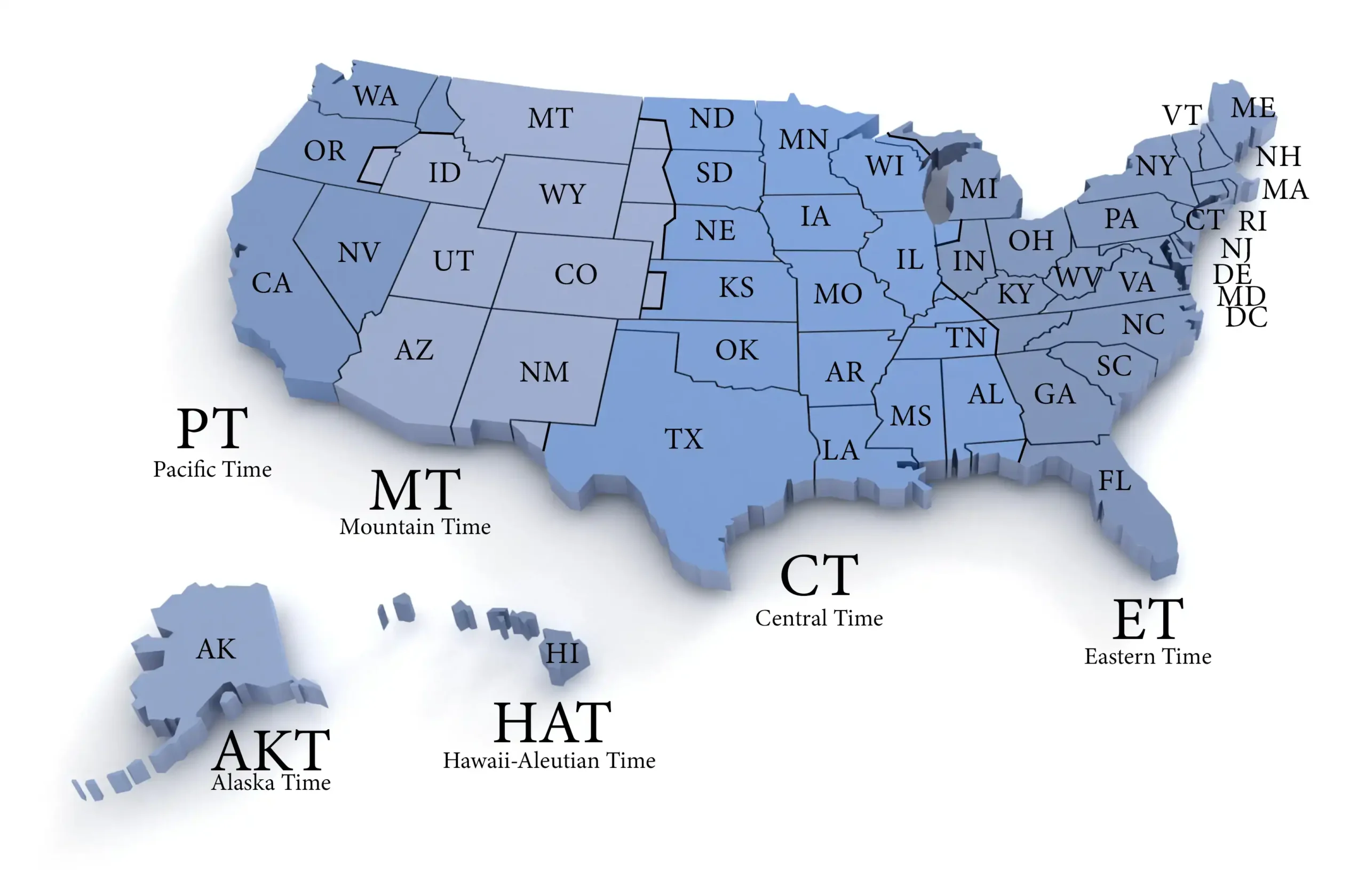
Understanding the time difference allows travelers to maximize their sightseeing opportunities. Knowing that London is ahead means that as the day begins in London, New York is still in the early morning. This can be advantageous for early risers who want to experience popular attractions with fewer crowds. For example, visiting the British Museum or the Westminster Abbey shortly after opening can provide a more serene experience.
Conversely, for those who prefer to start their day later, the earlier sunsets in London (compared to New York during summer months) mean that nighttime activities like enjoying the illuminated Tower Bridge or a West End show start at a time that might feel more natural to their body clock, even if it’s already evening in London.
Business and Communication Considerations
The transatlantic time difference is not just a travel consideration; it has significant implications for international business and communication between New York and London. Effective coordination requires a keen awareness of the prevailing time difference.
Scheduling Meetings and Calls
For businesses operating across the Atlantic, scheduling meetings and calls requires careful planning. The most common overlap for business hours occurs when London is finishing its workday and New York is in its mid-morning or early afternoon. This typically falls between 9:00 AM and 12:00 PM EST in New York, which corresponds to 2:00 PM to 5:00 PM GMT in London. This window allows for productive exchanges without requiring extreme early mornings or late nights for either party.
However, during the transitional periods of daylight saving, this overlap can shift. Businesses need to stay informed about the exact dates of these changes to avoid missed calls or miscommunications. Many companies utilize scheduling tools that automatically adjust for time zones, but a manual understanding is still essential for effective communication and relationship building.
Communication Delays and Response Times
The five-hour time difference inherently creates a delay in communication. An email sent at the end of the business day in New York will not be received by colleagues in London until the next morning. This can impact project timelines and the speed at which urgent requests can be addressed.
To overcome this, businesses often adopt strategies such as:
- Clearly stating the time zone when providing deadlines or availability.
- Utilizing asynchronous communication tools effectively.
- Establishing protocols for urgent matters that might require out-of-hours communication from one side.
- Having team members in both locations who can bridge the gap.
For travelers on a business trip, staying connected can mean scheduling calls during their hotel’s evening hours that correspond to morning hours in their home office, or vice versa. Choosing a hotel with reliable Wi-Fi and good business amenities, such as the The Connaught or a serviced apartment in areas like Mayfair, can be crucial for maintaining productivity.
Impact on Global Operations
For multinational corporations with offices in both New York and London, the time difference is a constant factor in their global operations. It influences everything from production schedules and supply chain management to financial reporting and customer support. Effective management of these operations requires robust communication systems and a deep understanding of how time zones impact workflows. The ability to adapt and work across these temporal divides is a hallmark of successful global businesses.
Embracing the Time Difference for a Richer Experience
Far from being a mere logistical hurdle, the time difference between London and New York can actually be leveraged to enhance one’s travel experience, offering unique perspectives and opportunities.
A Tale of Two Cities, Two Rhythms
Each city possesses its own distinct rhythm and pace. New York, often dubbed “the city that never sleeps,” pulsates with a relentless energy. London, while also a bustling metropolis, often presents a slightly more relaxed, yet equally vibrant, atmosphere. Understanding the time difference helps travelers appreciate these nuances. For example, enjoying a quiet morning coffee at a cafe in SoHo before the city fully wakes up in New York offers a different experience than witnessing the sunrise over the River Thames from a balcony at a hotel like The Shard in London.
Planning for Connectedness
For families and friends separated by the Atlantic, the time difference is a constant reminder of distance, but also an opportunity to be intentional about connection. Knowing that London is five hours ahead means that a morning call from New York might coincide with an afternoon tea or early evening in London, making it a convenient time for a catch-up. Conversely, a late-evening call from New York might be an early morning conversation starter for someone in London. This conscious planning ensures that relationships are maintained despite geographical separation.

Embracing the “Double Day”
For the truly adventurous or those with specific itinerary needs, the time difference can even allow for the experience of a “double day.” Imagine enjoying a full day of sightseeing and activities in London, having dinner, and then taking a red-eye flight back to New York. Arriving in New York in the early morning, you could technically start a new day of activities there, effectively experiencing almost 48 hours of wakefulness. While not for the faint of heart, this highlights the unique temporal relationship between these two global hubs.
In conclusion, the question of “How many hours ahead is London from New York?” is answered most commonly by a five-hour difference, subject to the nuances of daylight saving time. This temporal gap is a fundamental aspect of travel, business, and communication between these iconic cities. By understanding and planning around this difference, travelers can navigate their journeys more smoothly, mitigate the effects of jet lag, maximize their sightseeing, and ensure seamless professional interactions, ultimately leading to a richer and more rewarding experience of both worlds.
LifeOutOfTheBox is a participant in the Amazon Services LLC Associates Program, an affiliate advertising program designed to provide a means for sites to earn advertising fees by advertising and linking to Amazon.com. Amazon, the Amazon logo, AmazonSupply, and the AmazonSupply logo are trademarks of Amazon.com, Inc. or its affiliates. As an Amazon Associate we earn affiliate commissions from qualifying purchases.