
The mere thought of encountering bed bugs can send a shiver down the spine of any traveler. These tiny, nocturnal pests, scientifically known as Cimex lectularius, are notorious for their ability to hitch a ride on luggage and infest hotel rooms, leading to itchy bites and a generally unpleasant travel experience. While most hotels strive to maintain impeccable hygiene standards, no establishment is entirely immune to the possibility of a bed bug infestation. Knowing how to identify the signs of their presence is crucial for protecting yourself and ensuring a comfortable stay, whether you’re exploring the bustling streets of New York City or relaxing on the beaches of Maui.
This article will equip you with the knowledge to spot telltale signs of bed bugs in your hotel room, from the physical evidence they leave behind to understanding the broader context of hotel hygiene and travel preparedness. Our aim is to empower you, the discerning traveler, to make informed decisions and enjoy your journeys without the unwelcome company of these common nuisances.
Recognizing the Signs: What to Look For
When you first enter your hotel room, especially after a long journey, the urge to collapse onto the bed is strong. However, a few moments of careful observation can save you a lot of discomfort. Bed bugs are masters of camouflage and can be difficult to spot directly, especially in their early stages of infestation. Their detection often relies on identifying the indirect evidence they leave behind.
Physical Evidence of Bed Bugs
The most definitive way to confirm a bed bug presence is by spotting the bugs themselves or their distinct signs. Bed bugs are small, oval-shaped insects, about the size of an apple seed, and reddish-brown in color when unfed. After feeding, they become more engorged and darker.
- Live Bed Bugs: While elusive, you might spot a live bed bug on the mattress seams, box spring, headboard, or even in the crevices of nearby furniture. They are most active at night but can be found during the day if disturbed.
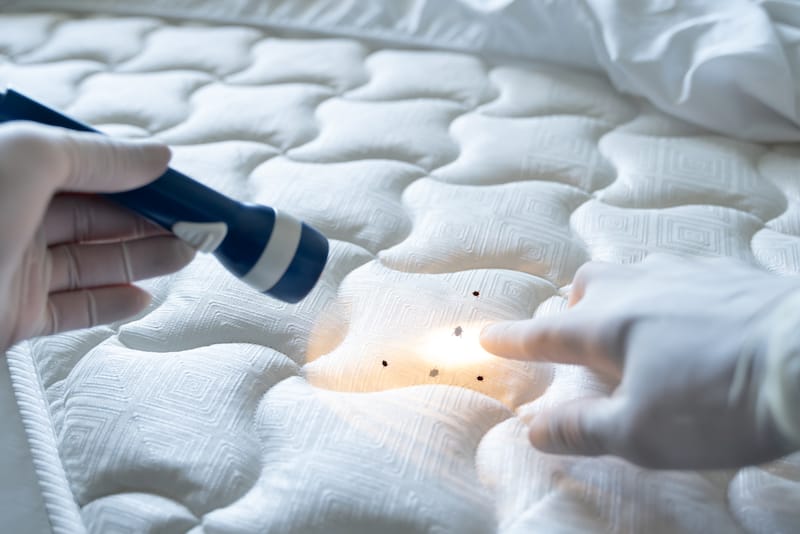
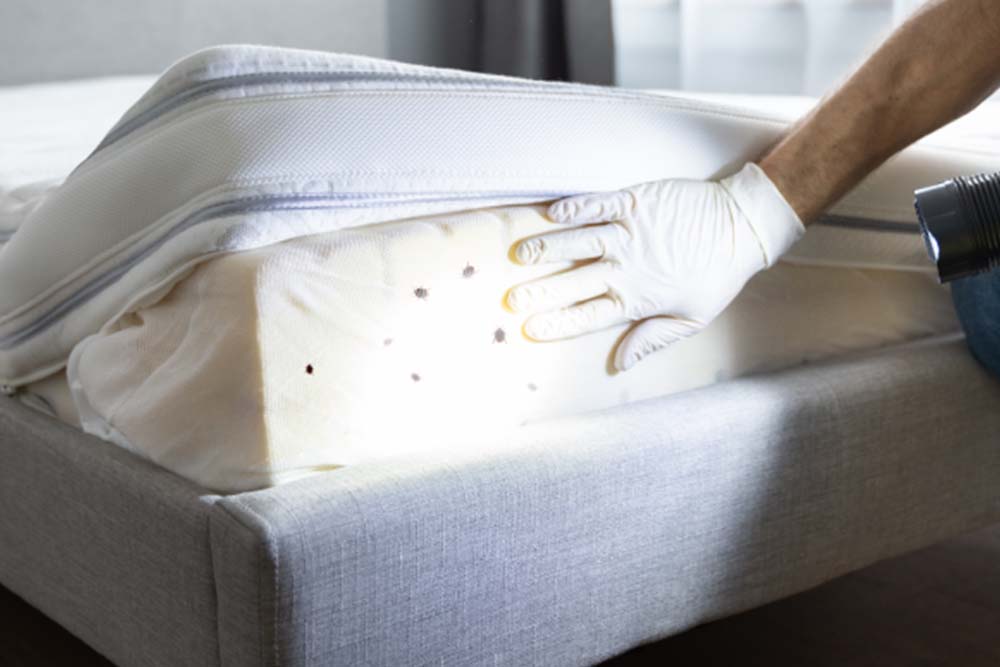
- Bed Bug Feces: This is a common and often easier-to-spot indicator. Bed bug droppings are small, dark, inky spots, resembling a black marker dot. These are undigested blood meals and can be found on mattresses, bedding, and nearby surfaces. When wetted, they will smear, unlike dirt.
- Blood Stains: You might find small, reddish-brown blood stains on your sheets or pillowcases. These can be caused by accidentally crushing a bed bug while sleeping, or from the bites themselves.
- Shedding (Exoskeletons): As bed bugs grow, they shed their skin multiple times. These shed skins, or exoskeletons, are translucent and hollow and can be found in the same locations as live bugs and their feces. They resemble empty shells of the bugs.
- Eggs and Eggshells: Bed bug eggs are tiny, pearly white, and oval-shaped. They are often found in clusters in the cracks and crevices of furniture or bedding. It’s difficult to see them without close inspection.
Where to Inspect Your Hotel Room
Thorough inspection is key. Don’t limit your search to just the bed itself. Bed bugs are resourceful and can hide in a variety of places.
- Mattress and Box Spring: Carefully examine all seams, tufts, and folds of the mattress and box spring. Lift the corners and look underneath.
- Headboard and Bed Frame: Inspect the entire headboard, especially if it’s upholstered or has crevices. Check all joints and connections of the bed frame.
- Nightstands and Dressers: Empty the drawers of nightstands and dressers and inspect their insides, corners, and undersides.
- Upholstered Furniture: If your room has upholstered chairs or sofas, check the seams, cushions, and undersides.
- Behind Wall Hangings and Pictures: Bed bugs can hide behind picture frames, mirrors, and any wall decorations.
- Electrical Outlets and Light Switches: While less common, bed bugs can sometimes be found hiding in the cavities of electrical outlets or behind switch plates.
- Curtains and Drapes: Check the folds and seams of curtains, especially near the window.
Beyond the Room: General Hotel Hygiene and Reputation
While direct evidence in your room is the most concerning, certain broader indicators can suggest a higher risk of encountering pests, including bed bugs. Paying attention to the overall cleanliness and reputation of a hotel can be a proactive measure.
Hotel Cleanliness and Maintenance
A hotel that appears run-down, poorly maintained, or generally unclean may have less stringent pest control protocols.

- Visible Dirt and Grime: Excessive dust, stains, or general untidiness in common areas like the lobby, hallways, or even the elevator can be a red flag. This suggests a lack of attention to detail in overall cleaning.
- Unpleasant Odors: A musty or unusual smell in the room or hotel can sometimes be an indicator of underlying issues, including potential pest problems.
- Damaged Furnishings: Torn upholstery, loose wallpaper, or damaged furniture might provide hiding places for pests. While not a direct sign of bed bugs, it points to potential neglect in maintenance that could extend to pest management.
Hotel Reviews and Reputation
In the age of the internet, past guest experiences are readily available. Online reviews can be an invaluable resource for identifying potential issues.
- Review Websites: Platforms like TripAdvisor, Booking.com, and Yelp are goldmines of information. When searching for hotels in destinations like Paris or Rome, specifically search for keywords like “bed bugs,” “pests,” “itchy,” or “bites.”
- Recent Reviews: Pay close attention to recent reviews, as infestation issues can arise and be resolved over time. A single mention from years ago might not reflect the current situation, but recurring complaints are a significant concern.
- Hotel Responses: Observe how the hotel management responds to negative reviews, particularly those mentioning pests. A defensive or dismissive attitude can be as telling as the complaint itself.
Understanding Bed Bug Infestations
It’s important to remember that bed bug infestations are not necessarily a reflection of a hotel’s overall lack of hygiene, especially in high-traffic establishments. They are excellent hitchhikers and can be brought in by any guest, regardless of their cleanliness.
- High Turnover: Hotels with a very high guest turnover, such as busy airport hotels or popular tourist accommodations, might statistically have a slightly higher chance of encountering bed bugs if proactive measures aren’t rigorously enforced.
- Location: While not a direct indicator of infestation, certain types of travel or lodging might present different levels of risk. For example, staying in older buildings or sharing dormitories in hostels might require extra vigilance compared to a newly built, luxury resort in Dubai.
What to Do If You Suspect Bed Bugs
Discovering bed bugs in your hotel room can be upsetting, but it’s important to remain calm and take appropriate action to mitigate the situation and protect your belongings.
Immediate Steps in the Hotel
If you find any evidence of bed bugs, do not unpack your luggage completely or use the bedding.
- Do Not Panic, But Act Swiftly: The key is to address the issue immediately.
- Document Everything: Take clear photos or videos of the live bugs, stains, or any other evidence you find. This documentation will be crucial when speaking with hotel management.
- Contact Hotel Management: Politely inform the front desk or management about your findings. Show them the evidence you’ve collected.
- Request a Room Change: The hotel should immediately offer you a different room, preferably one on a different floor or in a different section of the hotel, far from the infested area. Inspect the new room thoroughly before settling in.
- Keep Luggage Sealed: Until you are sure your belongings are not infested, keep your luggage sealed in plastic bags or the bathtub.
- Wash Your Belongings: Upon returning home, immediately wash all your clothes, bedding, and any washable items in hot water and dry them on the highest heat setting.
Prevention and Preparedness for Future Trips
Being prepared can significantly reduce the risk of bringing bed bugs home or encountering them in the first place.
- Travel-Sized Inspection Flashlight: A small, powerful flashlight can help you inspect darker crevices and seams more effectively.
- Sealable Plastic Bags: Bring extra large, heavy-duty plastic bags to store your luggage and items if you suspect an issue or want to create a barrier.
- Research Your Accommodation: Before booking, always read recent reviews specifically mentioning pests.
- Travel Insurance: Consider travel insurance that covers pest-related incidents or trip interruptions.
By staying vigilant and informed, you can significantly enhance your travel experience. Knowing how to identify the signs of bed bugs, understanding general hotel hygiene, and knowing how to react if an issue arises will allow you to explore the world with greater confidence and peace of mind, whether your adventures take you to the historical sites of Machu Picchu or the natural wonders of Banff National Park. Your comfort and health are paramount, and this knowledge is a valuable tool in your travel arsenal.
LifeOutOfTheBox is a participant in the Amazon Services LLC Associates Program, an affiliate advertising program designed to provide a means for sites to earn advertising fees by advertising and linking to Amazon.com. Amazon, the Amazon logo, AmazonSupply, and the AmazonSupply logo are trademarks of Amazon.com, Inc. or its affiliates. As an Amazon Associate we earn affiliate commissions from qualifying purchases.