
The concept of full-time employment is a cornerstone of the modern workforce, dictating not only an individual’s earnings but also their access to crucial benefits, job security, and overall work-life balance. In California, a state renowned for its progressive labor laws and dynamic economy, understanding what constitutes full-time hours is not just a matter of compliance for employers but a vital piece of knowledge for employees shaping their professional and personal lives. Far from a simple numerical threshold, full-time status in California carries a web of legal definitions, protections, and lifestyle implications that set it apart from other states.
This comprehensive guide aims to demystify full-time employment in California, providing insights into the nuanced regulations that govern work schedules, wages, and employee rights. Whether you’re an employer striving for compliance, an employee seeking to understand your entitlements, or someone considering a move to the Golden State, grasping these definitions is essential for navigating the complex landscape of work in one of the world’s largest economies.
The Foundation: Defining Full-Time Status in California
At its core, “full-time” employment generally refers to a work schedule that qualifies an employee for standard benefits and protections. However, the precise definition can vary depending on the context—federal law, state law, or even company policy—each carrying distinct implications for an individual’s lifestyle and financial security.
Federal vs. State Definitions
While the federal Fair Labor Standards Act (FLSA) does not explicitly define “full-time” or “part-time” status for general wage and hour purposes, it is widely understood in the United States that 40 hours per week constitutes standard full-time employment. The FLSA primarily focuses on minimum wage, overtime pay, recordkeeping, and child labor standards, without mandating specific hours for full-time status.
California, however, often goes beyond federal stipulations, offering more robust protections and clearer definitions for its workers. For many purposes under California law, full-time employment is indeed tied to a 40-hour work week. This standard is particularly relevant for eligibility for certain state-mandated benefits, such as health insurance under the Affordable Care Act (ACA), where employers with 50 or more full-time equivalent employees must offer health coverage to employees who work an average of 30 or more hours per week. While 30 hours might qualify for ACA purposes, the traditional benchmark for a full-time professional lifestyle in California remains closer to 40 hours for most other considerations.
The 40-Hour Work Week Standard
For most employers and employees in California, full-time status is synonymous with a 40-hour work week, typically spread over five 8-hour days. This standard is ingrained in the collective understanding of employment and forms the basis for calculating overtime, benefits eligibility, and various other employment-related factors.
However, it’s crucial to note that this is a general guideline, not an absolute legal mandate for all purposes. Some employers may define full-time as fewer or more hours (e.g., 32 hours or 35 hours per week) in their company policies for internal benefits like paid time off (PTO) accrual or health insurance if they are not subject to ACA employer mandate provisions or choose to offer more generous terms. Nevertheless, for the vast majority of legal and practical considerations concerning wages and overtime, the 40-hour mark is the primary determinant in California.
Implications Beyond the Clock
The designation of “full-time” in California extends far beyond merely counting hours. It signifies a level of commitment and stability that often comes with a host of advantages, significantly impacting an individual’s lifestyle. Full-time employees typically enjoy greater job security, more comprehensive benefits packages, and a stronger position within a company’s structure. This status can influence everything from eligibility for company-sponsored training and career advancement opportunities to the ability to secure loans or housing, making it a critical aspect of one’s professional journey in the state.
Navigating Full-Time Status: Wage, Overtime, and Benefits
The distinction between full-time and part-time employment in California becomes particularly significant when considering financial compensation and access to benefits that enhance an individual’s quality of life. California’s robust labor laws provide specific protections and entitlements linked to full-time status.
Minimum Wage and Overtime Protections for Full-Timers
California boasts some of the highest minimum wage rates in the United States, and these rates are applicable to both full-time and part-time non-exempt employees. However, the consistent 40-hour work week of full-time employment ensures a steady income that forms a solid foundation for living in high-cost-of-living areas like Los Angeles or San Francisco.
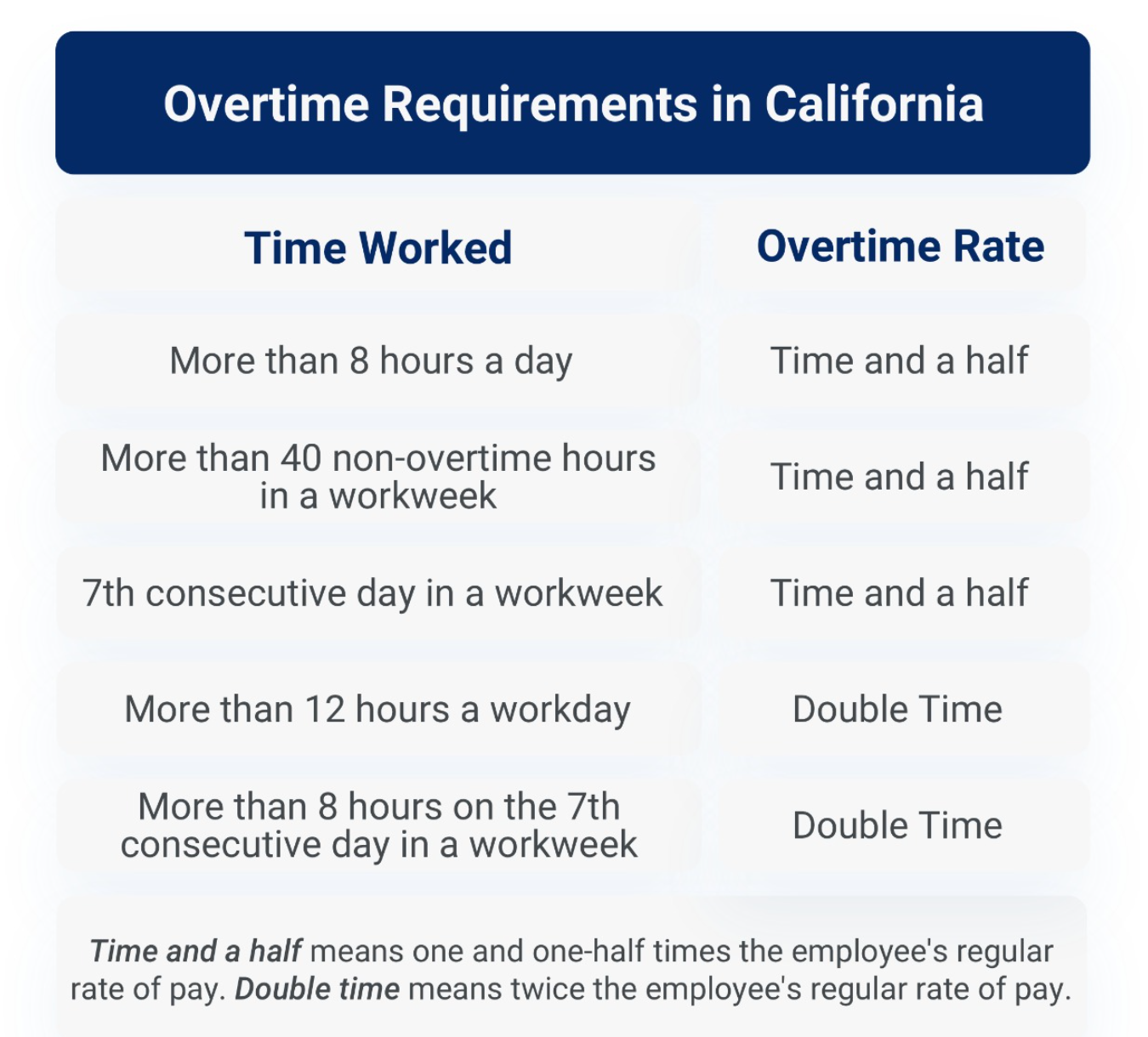
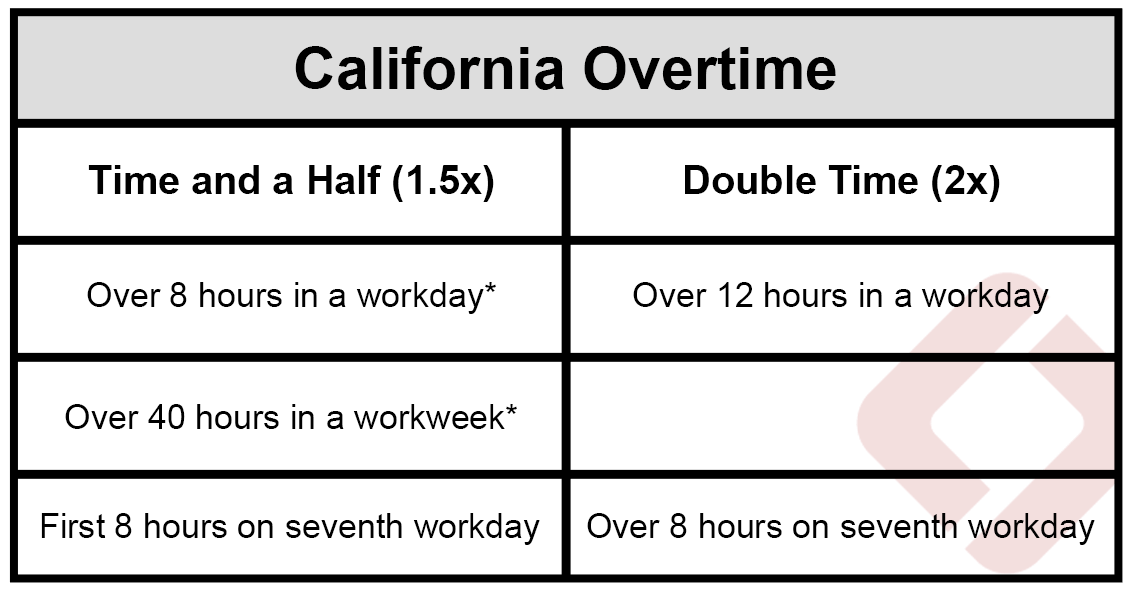
Crucially, full-time non-exempt employees in California are entitled to overtime pay at 1.5 times their regular rate of pay for all hours worked over 8 hours in a workday, over 40 hours in a workweek, and for the first 8 hours worked on the seventh consecutive day of work in a workweek. Double time—twice the regular rate of pay—is mandated for hours worked over 12 in a workday and for hours worked over 8 on the seventh consecutive day of work in a workweek. These robust overtime rules are a key financial protection, ensuring that dedicated full-time work is adequately compensated, significantly impacting an employee’s potential earnings and lifestyle quality.
Healthcare and Retirement: Key Full-Time Advantages
One of the most significant advantages of full-time employment, and a critical component of one’s lifestyle, is access to comprehensive benefits, particularly health insurance and retirement plans. While not legally mandated for all employers, most companies in California offer these benefits to their full-time staff as part of their compensation package.
Under the ACA, large employers (those with 50 or more full-time or full-time equivalent employees) are required to offer affordable health coverage that meets minimum value standards to their full-time employees (those working an average of 30 hours per week or 130 hours per month). Beyond this, many California companies provide generous health, dental, and vision insurance plans, paid for in part or in full by the employer, dramatically reducing out-of-pocket healthcare costs for employees and their families. Similarly, access to 401(k) plans or other retirement savings vehicles, often with employer matching contributions, is a common perk for full-time employees, offering long-term financial security essential for a stable lifestyle.
Paid Time Off (PTO) and Sick Leave Accrual
California law mandates paid sick leave for all employees, including part-timers, but full-time employees often accrue more substantial amounts of sick leave and frequently also receive paid vacation or general PTO. This time off is vital for maintaining work-life balance, allowing employees to rest, recover, attend to personal matters, or enjoy leisure activities without loss of income. The ability to take vacations or personal days is a significant factor in overall job satisfaction and contributes profoundly to a positive lifestyle, preventing burnout and promoting mental and physical well-being.
Exempt vs. Non-Exempt: Understanding Classification Impacts on Your Lifestyle
The distinction between exempt and non-exempt employment status profoundly influences how full-time hours are regulated and, consequently, an employee’s daily work-life experience in California. This classification dictates eligibility for overtime pay, meal and rest breaks, and other key protections under California labor law.
The White-Collar Exemptions: Executive, Administrative, Professional
Certain full-time employees are classified as “exempt” from overtime rules and other wage and hour provisions if they meet specific criteria related to their duties and salary. These are commonly known as the “white-collar exemptions”:
- Executive Exemption: Applies to employees whose primary duty is management, who customarily and regularly direct the work of two or more other employees, and who have the authority to hire or fire, or whose suggestions are given particular weight.
- Administrative Exemption: Applies to employees whose primary duty involves office or non-manual work directly related to the management or general business operations of the employer or the employer’s customers, and who customarily and regularly exercise discretion and independent judgment.
- Professional Exemption: Applies to employees whose primary duty involves work requiring knowledge of an advanced type in a field of science or learning customarily acquired by a prolonged course of specialized intellectual instruction, or who are licensed and engaged in the practice of a recognized learned profession (e.g., doctors, lawyers).
In addition to these duty tests, exempt employees in California must earn a salary equivalent to at least two times the state minimum wage for full-time employment. For employers in California, this minimum salary threshold is substantial, ensuring that only higher-earning individuals can be classified as exempt. Exempt employees typically work whatever hours are necessary to complete their tasks, with no additional pay for hours exceeding 40 per week, impacting their lifestyle by demanding flexibility and often longer hours without direct hourly compensation.
Beyond White-Collar: Computer Professionals and Salespersons
California also provides specific exemptions for certain computer software employees and outside salespersons, provided they meet strict salary and duties tests.
- Computer Professional Exemption: Employees primarily engaged in highly skilled computer systems analysis, programming, or software engineering may be exempt if they meet specific duties criteria and earn a significantly higher hourly or annual salary threshold.
- Outside Sales Exemption: Applies to employees who are primarily engaged in selling outside the employer’s place of business, who customarily and regularly work more than half their working time away from the employer’s place of business selling items or obtaining orders. These roles are often commission-based, and the nature of their work inherently makes a 9-to-5 schedule less relevant, thus influencing their daily work lifestyle.
Misclassification Risks and Their Lifestyle Consequences
Misclassifying a non-exempt full-time employee as exempt can lead to significant legal and financial penalties for employers in California. For employees, misclassification can mean missing out on substantial overtime pay, meal and rest break premiums, and other protections, which can severely impact their financial stability and overall quality of life. Understanding your classification is critical to ensuring you receive the protections and compensation you are entitled to under California law, directly safeguarding your lifestyle.
Work-Life Balance and Full-Time Employment in the Golden State
The pursuit of work-life balance is a critical aspect of modern lifestyle, and for full-time employees in California, state laws and cultural expectations play a significant role in shaping this equilibrium.
The “California Dream” and Work Expectations
California is often associated with innovation, opportunity, and a desirable lifestyle, attracting talent from across the globe. While the ” California Dream” may imply sun-drenched beaches and entrepreneurial success, it also entails a highly competitive and often demanding work environment. Full-time employees, particularly in thriving tech hubs like Silicon Valley or professional services in San Diego, often face high expectations for productivity and commitment. Balancing these demands with personal life is a constant challenge, highlighting the importance of understanding the legal frameworks that support employee well-being.
Flexible Work Arrangements and the Future of Full-Time
The COVID-19 pandemic significantly accelerated the adoption of flexible work arrangements, including remote work and hybrid models. Many California companies have embraced these shifts, recognizing their potential to improve employee satisfaction and work-life balance. While the 40-hour work week often remains the standard for full-time status, the way those hours are completed has evolved. Flexible schedules can empower full-time employees to better integrate their professional duties with personal responsibilities, allowing for a more customized and sustainable lifestyle in California’s diverse regions, from Sacramento to Orange County.
Legal Protections for Rest and Meal Periods
California law is exceptionally stringent when it comes to mandating meal and rest breaks for non-exempt employees, including full-time workers. Employers must provide a 30-minute unpaid meal break for shifts over five hours (unless waived by mutual consent for shifts between five and six hours) and a second 30-minute unpaid meal break for shifts over ten hours. Additionally, employees are entitled to a 10-minute paid rest period for every four hours worked or major fraction thereof. These mandated breaks are crucial for preventing employee burnout, promoting health and safety, and ensuring that even full-time employees have structured time away from their duties, contributing significantly to their daily quality of life and compliance with a healthy lifestyle.
Employer Responsibilities and Employee Rights in California
Navigating the complexities of full-time employment in California requires a clear understanding of both employer obligations and employee rights. Adherence to these regulations is paramount for fostering a fair and productive work environment that supports a positive lifestyle for all.
Compliance and Penalties for Non-Adherence
Employers in California face significant penalties for failing to comply with wage and hour laws, including those pertaining to full-time status, overtime, and breaks. These penalties can include back wages, liquidated damages, interest, and even civil penalties enforced by agencies like the California Department of Industrial Relations (DIR) or through private lawsuits. Ensuring proper classification, accurate hour tracking, and timely payment is not just a legal requirement but a fundamental aspect of ethical business practice that protects employees’ livelihoods.
Resources for Employees: Knowing Your Rights
For full-time employees in California, knowing your rights is empowering. The California Labor Commissioner’s Office (a division of the DIR) provides extensive resources and information regarding wage and hour laws. Employees who believe their rights have been violated can file a wage claim or seek assistance from the state. Understanding these avenues for recourse is essential for safeguarding one’s professional and financial lifestyle in the state.

The Evolving Landscape of Full-Time Work
The definition and implications of full-time work in California are not static. As the economy evolves, so too do the nature of work, employee expectations, and legal frameworks. Emerging trends like the “gig economy,” increased remote work, and calls for more flexible schedules continue to shape discussions around employment classifications and benefits. Staying informed about these changes is crucial for both employers and employees to adapt and thrive in California’s dynamic employment landscape, ensuring a sustainable and fulfilling lifestyle.
In conclusion, understanding what constitutes full-time hours in California is a critical piece of knowledge for anyone living or working in the state. It underpins financial stability, access to essential benefits, and the ability to achieve a healthy work-life balance—all fundamental components of a well-rounded and successful lifestyle. California’s progressive labor laws are designed to protect workers, making it imperative for both employers and employees to be well-versed in these regulations to navigate the professional world effectively and maintain a high quality of life.
LifeOutOfTheBox is a participant in the Amazon Services LLC Associates Program, an affiliate advertising program designed to provide a means for sites to earn advertising fees by advertising and linking to Amazon.com. Amazon, the Amazon logo, AmazonSupply, and the AmazonSupply logo are trademarks of Amazon.com, Inc. or its affiliates. As an Amazon Associate we earn affiliate commissions from qualifying purchases.