
Traveling across different time zones can be both an exhilarating and bewildering experience. One moment you’re enjoying a bustling morning, the next you’re trying to calculate how many hours you’ve gained or lost, especially when connecting with friends, family, or business associates back home. For those venturing to or from the sun-kissed shores of California, understanding its position in the global timekeeping grid is paramount. A state synonymous with innovation, glamour, and natural beauty, California operates on a distinct rhythm that impacts everything from flight schedules and hotel check-ins to conference calls and dining reservations.
Whether you’re planning a trip to the iconic landmarks of Los Angeles or San Francisco, arranging a virtual meeting, or simply curious about global time differences, grasping California’s temporal alignment is key. This comprehensive guide will demystify California’s time zone, detailing its relationship to the rest of the United States and the world, and offering practical insights for travelers and those navigating cross-continental connections.
Understanding California’s Time Zone: PST/PDT Explained
California primarily observes the Pacific Time Zone, which has two phases throughout the year: Pacific Standard Time (PST) and Pacific Daylight Time (PDT). This biannual shift is a crucial element of timekeeping across many parts of North America.
Pacific Standard Time (PST)
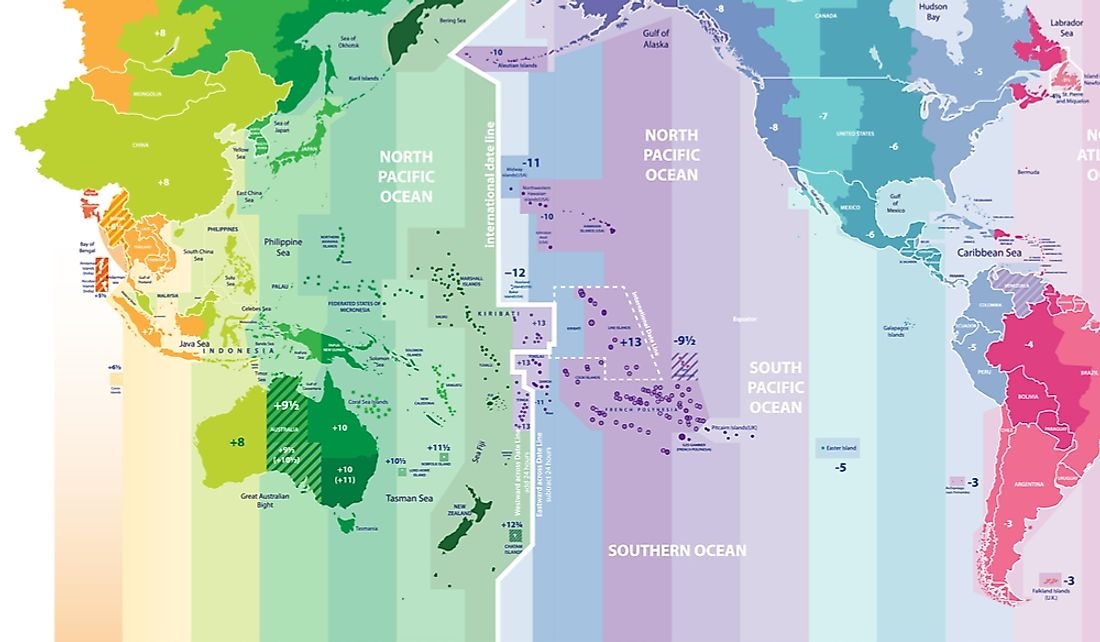
During the winter months, from early November to mid-March, California operates on Pacific Standard Time (PST). PST is 8 hours behind Coordinated Universal Time (UTC) and Greenwich Mean Time (GMT). This means that when it’s noon in London (on GMT), it’s 4 AM in California. This standard time is a benchmark for understanding how “behind” California typically is compared to the rest of the world. Beyond California, PST is also observed in most of Oregon, Washington, Nevada, and parts of Idaho. Additionally, a portion of Canada and Mexico also share this time zone, facilitating cross-border travel and communication.
Pacific Daylight Time (PDT)
As spring arrives, typically on the second Sunday in March, California springs forward one hour to Pacific Daylight Time (PDT). This shift is part of Daylight Saving Time, designed to make better use of daylight and save energy. PDT is 7 hours behind UTC and GMT. This change effectively reduces the time difference with many international locations by one hour. The transition back to PST occurs on the first Sunday in November. For travelers, this means being mindful of the date when planning itineraries, especially if connecting flights or hotel bookings span these transition periods. For example, a flight arriving in San Francisco on the day of the time change might adjust its arrival time, impacting onward travel plans or scheduled activities at your chosen accommodation.
Relative to the Rest of the United States: Navigating Domestic Time Differences
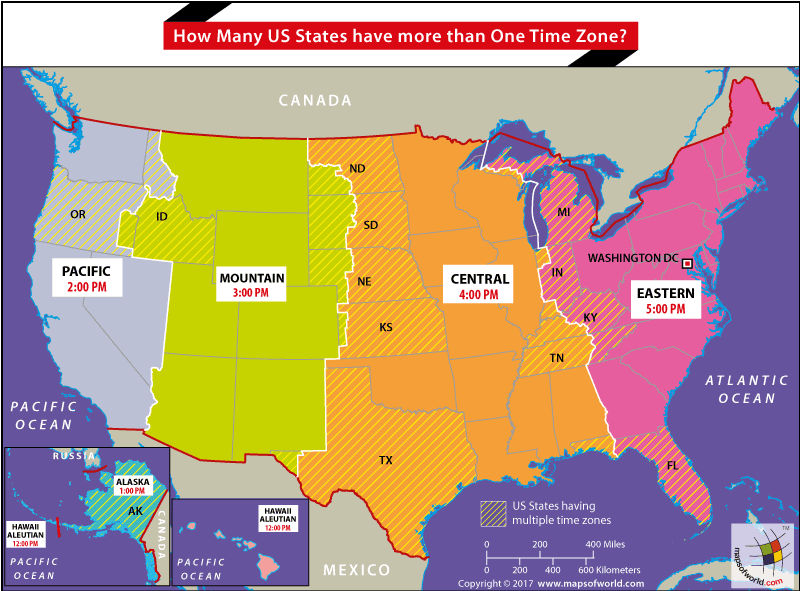
Within the continental United States, California is generally considered to be in the “latest” time zone, apart from Alaska and Hawaii. This means that for anyone traveling eastward or communicating with colleagues on the East Coast, California will always be “behind” by a significant margin.
East Coast (Eastern Time – EST/EDT)
The most pronounced time difference within the United States is with the East Coast, which observes Eastern Time (ET). This zone covers major cities like New York City, Miami, and Washington D.C.
- During PST (winter): California is 3 hours behind Eastern Standard Time (EST). If it’s 9 AM in New York City, it’s 6 AM in Los Angeles.
- During PDT (summer): California is 3 hours behind Eastern Daylight Time (EDT). The 3-hour difference remains constant due to both regions observing Daylight Saving Time.
This 3-hour gap is critical for business travelers and for scheduling family calls. A 5 PM meeting on the East Coast means a 2 PM meeting for California residents, often requiring early starts or late finishes for bicoastal teams.
Central Time (CST/CDT) and Mountain Time (MST/MDT)
Moving westward, the time differences lessen:
- Central Time (CT): Covering states like Illinois, Texas, and most of the Midwest, Central Time is 1 hour ahead of Mountain Time and 2 hours ahead of Pacific Time. So, if it’s 9 AM in Chicago (CST or CDT), it’s 7 AM in California.
- Mountain Time (MT): States such as Colorado, Utah, and most of Arizona (which largely does not observe Daylight Saving Time, keeping Mountain Standard Time (MST) year-round) fall into this zone. Mountain Time is 1 hour ahead of Pacific Time. Therefore, a 9 AM start in Denver means 8 AM in California when both are on Daylight Saving, or a slightly more complex calculation if Arizona is involved during PDT. When it’s PDT, Arizona (on MST) will be the same time as California. This can be a common point of confusion for travelers heading to destinations like Las Vegas (PDT) and then crossing into Arizona.
For travelers within the United States, understanding these differences is vital for avoiding jet lag, making timely connections, and ensuring a smooth transition to their California adventure, whether it’s checking into a resort in San Diego or catching a show in Hollywood.
Global Perspective: California and International Time Zones
When considering California’s time relative to the rest of the world, the differences become much more significant, often spanning half a day or more. This is particularly relevant for international business, global tourism, and maintaining connections with friends and family abroad.
Across the Pacific: Asia and Australia
California’s location on the western edge of North America means it’s far “behind” most countries in Asia and Australia.
- Tokyo (Japan): Tokyo is 16 hours ahead of PST and 15 hours ahead of PDT. This means that when it’s 9 AM on Monday in Los Angeles (PDT), it’s 12 AM (midnight) on Tuesday in Tokyo.
- Beijing/Shanghai (China): These cities are 15 hours ahead of PST and 14 hours ahead of PDT.
- Sydney (Australia): Depending on Australia’s Daylight Saving, Sydney can be anywhere from 17 to 19 hours ahead of California. For instance, during PDT when Sydney is on Australian Eastern Standard Time (AEST), it’s 17 hours ahead. This significant difference often means that when it’s daytime in California, it’s already the next day in Australia and Asia. This poses unique challenges for business travelers, requiring careful scheduling for international video conferences or even for tourists connecting with friends back home.
Eastward: Europe, Africa, and Beyond
Heading across the Atlantic Ocean towards Europe and Africa, California is still significantly “behind.”
- London (UK): London (GMT/BST) is 8 hours ahead of PST and 7 hours ahead of PDT. If you call London at 9 AM from Los Angeles (PDT), it’s already 5 PM there.
- Paris, Berlin, Rome (Central European Time): These cities are typically 9 hours ahead of PST and 8 hours ahead of PDT.
- Dubai (UAE): Dubai is 12 hours ahead of PST and 11 hours ahead of PDT.
- Mumbai (India): Mumbai (Indian Standard Time) is 13.5 hours ahead of PST and 12.5 hours ahead of PDT.
These substantial international differences highlight the importance of time zone calculators and careful planning, particularly for international travelers seeking to minimize jet lag upon arrival or departure from California. It also underscores the need for flexibility when arranging accommodation bookings, tours, and activities, especially when dealing with operators in different time zones.
Implications for Travel, Business, and Lifestyle in California
Understanding California’s time zone isn’t just a matter of trivia; it has tangible impacts on various aspects of life, especially for those involved in travel, business, and exploring the unique California lifestyle.
Seamless Travel Planning: Avoiding Time Zone Troubles
For anyone planning a trip to California, or departing from it, being aware of time zones is crucial for a smooth experience.
- Flight Schedules: Always double-check arrival and departure times, ensuring they account for time zone changes and Daylight Saving shifts. A flight from New York City to Los Angeles might only take 5-6 hours in the air, but the clock will “turn back” 3 hours upon arrival, making the perceived journey longer or shorter depending on your perspective.
- Accommodation Bookings: If you’re booking a hotel in San Francisco or a resort near Disneyland, arrival times are always local. Be mindful of early check-in requests if you’re arriving from an eastward direction and feeling the effects of jet lag. Many hotels are accustomed to accommodating guests arriving at various times, but prior communication is always beneficial.
- Sightseeing and Activities: When planning excursions to landmarks like the Golden Gate Bridge, a wine tour in Napa Valley, or a visit to Yosemite National Park, remember that local times apply. Scheduling tours or purchasing timed tickets requires precise calculation, especially if you’re still adjusting to the time difference.
- Communication with Home: Keep in mind the time difference when contacting family or friends. A late-night call from California could be an early morning disturbance for someone on the East Coast or in Europe.
Connecting Across Time: Business and Personal Communication
The 3-hour difference with the East Coast of the United States is a constant factor in business operations. California’s tech and entertainment industries frequently collaborate with partners in New York City, requiring strategic scheduling for meetings and calls. For global businesses, the challenge is even greater, with significant overlaps in working hours often limited to a few windows. Travelers on business stays should always verify meeting times in the local time zone of their destination and use online tools for quick conversions. The rise of remote work has intensified the need for clear communication around time zone expectations, ensuring productivity without undue stress.
Personally, staying connected with loved ones across multiple time zones requires a bit of planning and consideration. Utilizing apps that display multiple time zones simultaneously can be a lifesaver, helping to find the perfect window for a video call without interrupting someone’s sleep or workday.

Embracing the California Lifestyle: The West Coast Advantage
Beyond the practicalities, California’s time zone subtly contributes to its unique lifestyle and appeal. Being “behind” the rest of the country can foster a sense of being on the cutting edge, where the news of the day from the East Coast arrives before the workday truly begins in California. This allows for a reactive approach, often seeing trends and market shifts before acting upon them.
The later daylight hours, especially during PDT, contribute to the relaxed, outdoor-centric culture. Evenings stay lighter longer, encouraging more time spent on the beaches of San Diego, hiking trails near Universal Studios Hollywood, or enjoying an al fresco meal along the California Coast. This vibrant lifestyle, focused on wellness, innovation, and enjoying the natural surroundings, is undeniably intertwined with its position in the Pacific Time Zone. It’s a rhythm that locals embrace and visitors quickly come to appreciate, adding another layer to the Golden State’s irresistible charm.
In conclusion, while California is consistently 3 hours behind the East Coast of the United States and considerably behind most international destinations, this temporal difference is more than just a number. It’s a fundamental aspect of navigating travel, business, and daily life in the Golden State. Understanding PST and PDT and their global implications empowers travelers to plan better, communicate more effectively, and fully immerse themselves in the laid-back yet dynamic pace of California life. So, as you pack your bags or dial in for your next meeting, remember to adjust your internal clock to California time – a small adjustment for a truly golden experience.
LifeOutOfTheBox is a participant in the Amazon Services LLC Associates Program, an affiliate advertising program designed to provide a means for sites to earn advertising fees by advertising and linking to Amazon.com. Amazon, the Amazon logo, AmazonSupply, and the AmazonSupply logo are trademarks of Amazon.com, Inc. or its affiliates. As an Amazon Associate we earn affiliate commissions from qualifying purchases.