
Navigating Youth Employment in the California Lifestyle
The journey from childhood to adulthood is a complex tapestry woven with education, personal growth, and increasingly, an introduction to the world of work. For minors in California, balancing these elements is a critical aspect of their evolving lifestyle. Understanding the regulations governing how many hours a minor can work is not merely about legal compliance; it’s about shaping a healthy, productive, and financially aware young life. California, known for its dynamic economy and strong worker protections, has specific rules designed to safeguard the well-being and educational future of its young workforce. These regulations play a significant role in how minors manage their time, develop new skills, and potentially contribute to their own financial independence, influencing everything from saving for higher education to affording leisure activities or personal aspirations. For families, navigating these rules is crucial in supporting their children’s development, ensuring they can experience the benefits of early employment without sacrificing their academic progress or overall quality of life. The decisions around a minor’s employment hours directly impact their daily routine, their engagement with school, their social life, and their ability to pursue hobbies, all central components of a balanced lifestyle.

Core Regulations: Age, Hours, and Educational Balance
California labor laws regarding minors are structured primarily by age, emphasizing that education remains the top priority. These rules ensure that work complements, rather than detracts from, a minor’s academic and personal development.
Minors Under 14: Strict Limitations
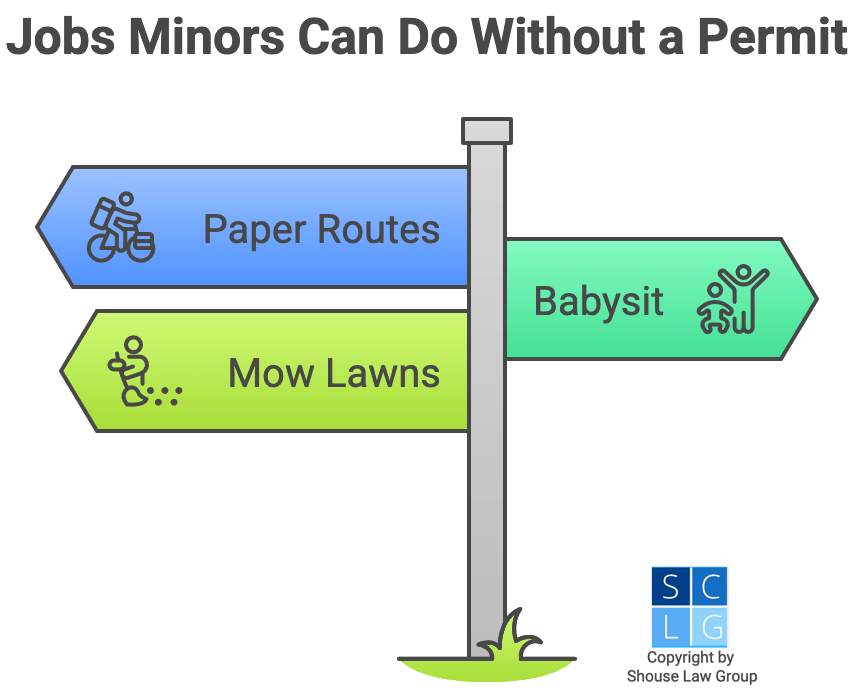
Employment for children under the age of 14 is highly restricted in California. Generally, children in this age group are permitted to work only in limited capacities, such as in the entertainment industry (with specific permits and strict supervision), in family-owned businesses where they are supervised by a parent or guardian, or as newspaper carriers. These roles are typically viewed as opportunities for early exposure to responsibility rather than significant income generation. The emphasis here is overwhelmingly on ensuring the child’s primary focus remains on education and development, with any work being supplementary and carefully controlled. For families, this means the lifestyle implications are minimal in terms of earning, but can offer valuable lessons in responsibility and contributing to a household or family venture.
14 and 15-Year-Olds: Balancing School and Work
For 14 and 15-year-olds, the pathway to employment opens up more, but remains tightly controlled to protect their educational and personal development. During school days, these minors can work a maximum of 3 hours per day, and no more than 18 hours per week. This ensures that their work schedule does not conflict with school hours and allows ample time for homework, extracurricular activities, and rest. On non-school days (weekends, holidays), they can work up to 8 hours per day, with a weekly maximum of 40 hours during school vacation periods. Crucially, their work hours must generally fall between 7 a.m. and 7 p.m., though this extends to 9 p.m. during summer breaks (June 1st through Labor Day).
This age group often experiences their first taste of significant financial independence. Earning a paycheck teaches valuable lessons in money management, budgeting, and the satisfaction of contributing. The lifestyle for these minors involves a delicate balance: managing schoolwork, fitting in social engagements, and now, adding the responsibility of a job. The skills learned during this period – time management, prioritizing tasks, and understanding workplace expectations – are foundational for their future personal and professional lives. Families support this stage by helping minors navigate their schedules, understand their rights, and make smart choices about their earnings, fostering a responsible approach to their expanding lifestyle.
16 and 17-Year-Olds: Greater Flexibility with Safeguards
As minors reach 16 and 17 years of age, the working hour restrictions become more flexible, recognizing their increased maturity and proximity to adulthood, yet still retaining safeguards for their education. During school days, these minors can work up to 4 hours per day, though some occupations may allow up to 8 hours on any day before a non-school day (e.g., Friday working into Saturday). The weekly limit during school is 20 hours. On non-school days and during school vacation periods, they can work up to 8 hours per day and up to 48 hours per week. Similar to younger minors, work hours must generally fall between 5 a.m. and 10 p.m. on school nights, extending to 12:30 a.m. on nights preceding a non-school day.
There are also specific exemptions, such as minors who have graduated from high school or have been released from school attendance by the school district, who are not subject to these hour restrictions. For 16 and 17-year-olds, employment can play a more substantial role in their lifestyle. Greater earning potential means more significant opportunities for saving for college, purchasing a car, or funding personal travel and experiences. These experiences contribute profoundly to their independence, shaping their decision-making skills and preparing them for the transition to full adult responsibilities. The increased hours, however, also demand more sophisticated time management to ensure a healthy balance between work, academics, and personal life.
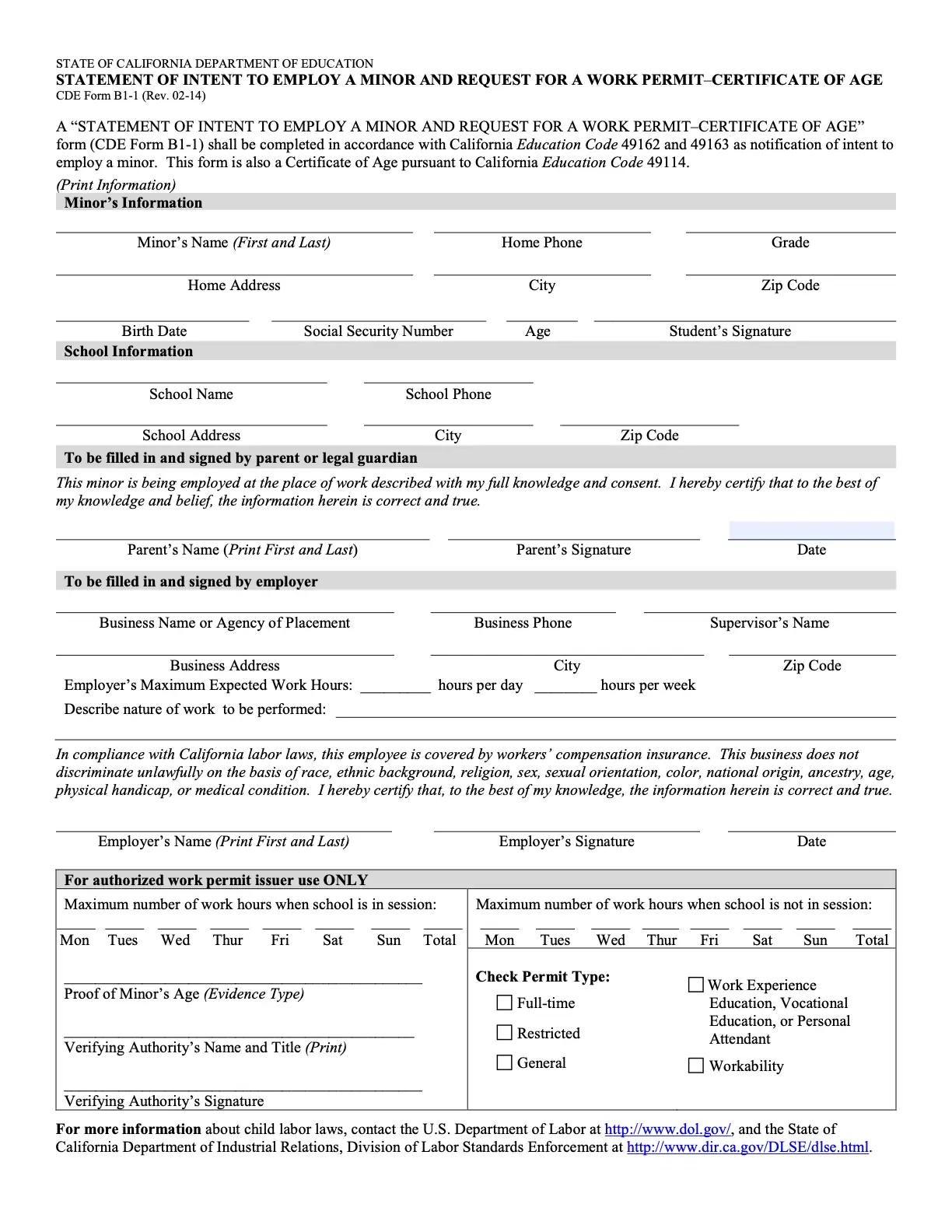
Regardless of age, all minors employed in California generally require a work permit issued by their school. This permit is a crucial step, confirming that the minor’s academic standing and health allow them to work, thereby ensuring their employment is a positive addition to their lifestyle rather than a detriment.
The Impact on a Minor’s Lifestyle: Beyond the Paycheck
The experience of working as a minor in California extends far beyond the immediate financial gain. It’s a transformative period that shapes a young individual’s lifestyle, instilling valuable lessons and skills that contribute to their long-term well-being and success.
Financial Literacy and Independence
One of the most profound impacts of early employment is the development of financial literacy. Minors learn the direct correlation between effort and reward, gaining a tangible understanding of earning, saving, and spending. Managing a paycheck, no matter how small, fosters budgeting skills, teaches the value of money, and encourages goal-setting, whether it’s saving for a new gadget, a future college fund, or even a personal travel experience. This early exposure to financial responsibility is a cornerstone of an independent lifestyle, preparing them for more complex financial decisions in adulthood and empowering them to achieve their aspirations. These practical lessons are often more impactful than theoretical classroom learning, directly shaping their habits around money.
Skill Development and Future Pathways
Working as a minor provides invaluable opportunities for skill development that are essential for any successful lifestyle. Beyond the specific tasks of a job, minors learn critical soft skills such as time management, responsibility, teamwork, problem-solving, and communication. They gain an understanding of workplace etiquette, customer service, and employer expectations. These skills are transferable across various aspects of life, from academic pursuits to future careers, and even personal relationships. They build character, boost self-confidence, and contribute to a well-rounded individual. This foundation sets them on a path toward greater opportunities, whether they envision future academic excellence, entrepreneurial endeavors, or a professional career that might include frequent business stays.
Work-Life-School Balance
Adhering to California’s strict hour limits is paramount for ensuring minors maintain a healthy work-life-school balance – a fundamental component of a sustainable lifestyle. Overworking can lead to burnout, decreased academic performance, and a lack of time for crucial developmental activities like sports, hobbies, and social interactions. A balanced approach ensures that minors can enjoy the benefits of employment without sacrificing their education, physical health, or mental well-being. It teaches them the importance of setting boundaries, prioritizing tasks, and advocating for their own needs, all vital lessons for managing stress and maintaining a fulfilling lifestyle throughout their lives. This balance allows them to explore diverse interests and develop a rich, multifaceted identity.
Parental Role and Family Dynamics
The decision for a minor to work, and how many hours they commit, is often a significant family discussion. Parents play a crucial role in guiding their children through their first employment experiences, ensuring compliance with labor laws, and supporting their work-life balance. These conversations often touch upon financial goals, the value of work, and the importance of education, shaping the family’s collective lifestyle and values. For some families, a minor’s earnings might contribute to household expenses or savings for shared experiences, such as family vacations. For others, it’s an opportunity for the minor to learn independence. This collaborative approach fosters stronger family bonds and ensures that the minor’s entry into the workforce is a positive, supported experience that aligns with the family’s overall lifestyle philosophy.
Navigating Special Circumstances and Enforcement
While the general rules outlined above apply broadly across most industries, it is important to acknowledge that certain sectors in California may have additional, specific regulations for minor employees. For example, the entertainment industry operates under a distinct set of rules regarding permits, working hours, and on-set schooling requirements, reflecting its unique demands. Agricultural work also has some specific provisions. Employers and families involved in these specialized fields must be diligent in understanding and adhering to these nuanced rules to protect the minor’s rights and well-being.
Enforcement of minor labor laws in California falls primarily under the purview of the California Division of Labor Standards Enforcement (DLSE). The DLSE investigates complaints, conducts inspections, and ensures that employers are complying with all state labor laws concerning minors, including those pertaining to working hours, wages, and working conditions. This oversight is vital in safeguarding the lifestyle of young workers, ensuring they are treated fairly and are not exploited. For any minor considering employment, or for parents and employers, familiarizing oneself with these regulations is not just a legal necessity but a moral imperative, designed to foster a responsible, enriching, and balanced start to a young person’s working life within the vibrant California landscape.
LifeOutOfTheBox is a participant in the Amazon Services LLC Associates Program, an affiliate advertising program designed to provide a means for sites to earn advertising fees by advertising and linking to Amazon.com. Amazon, the Amazon logo, AmazonSupply, and the AmazonSupply logo are trademarks of Amazon.com, Inc. or its affiliates. As an Amazon Associate we earn affiliate commissions from qualifying purchases.