
The raw numbers detailing homes lost to California’s devastating wildfires tell a story of profound human tragedy and ecological disruption. Beyond the immediate heartache for residents, these statistics echo far into the state’s vibrant tourism sector, reshaping landscapes, community structures, and visitor perceptions. California, a global magnet for travelers drawn to its diverse scenery, iconic cities, and world-class experiences, faces a unique challenge when its very fabric – from residential areas to natural wonders – is scarred by fire. This article delves into the less-examined impact of these blazes on California’s tourism, exploring how the destruction of homes, infrastructure, and natural habitats influences local culture, attractions, and the overall visitor experience. It’s a narrative of loss, certainly, but also one of remarkable resilience and the evolving role of tourism in recovery.
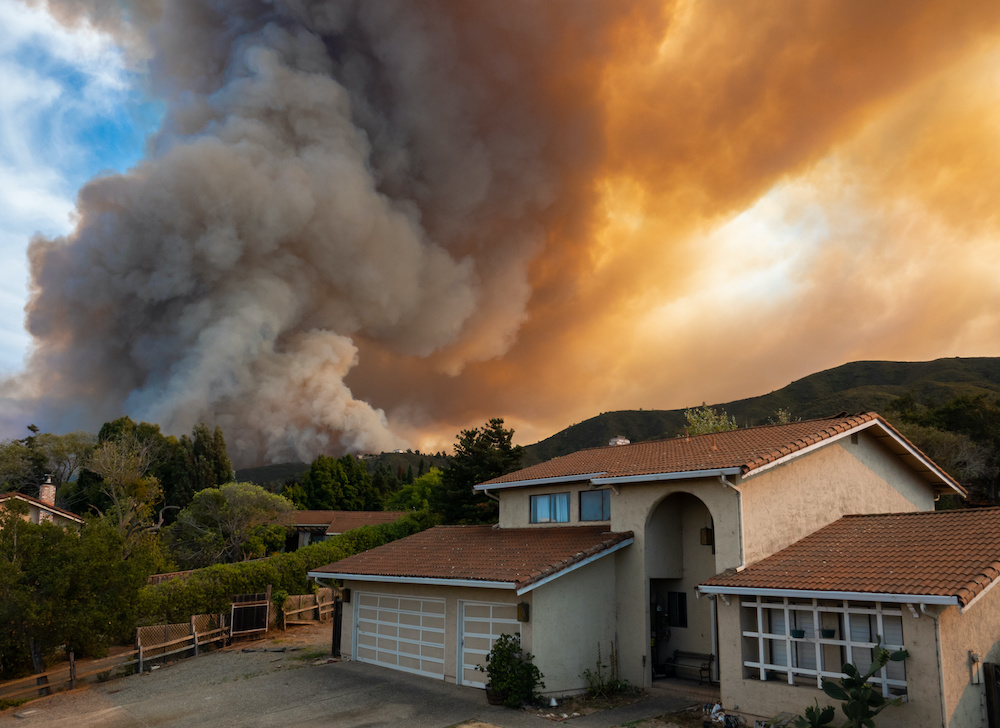
The Unseen Ripple: Wildfires and California’s Tourism Tapestry
While media headlines often focus on the shocking figures of structures destroyed, the implications for California’s tourism economy are often more nuanced and long-lasting. The loss of homes directly affects the local populations who staff hotels, run restaurants, operate tour companies, and contribute to the unique cultural fabric that attracts visitors.
Scale of Destruction and Community Displacement
Major wildfires, such as the Camp Fire that decimated Paradise in 2018, or the succession of blazes that have impacted regions like Napa Valley and Sonoma County, have resulted in the destruction of tens of thousands of homes. The Camp Fire alone consumed over 18,000 structures, predominantly residential. Similarly, the Woolsey Fire in 2018 devastated areas of Malibu and Agoura Hills, destroying over 1,600 structures, many of which were homes or businesses vital to the local economy. These incidents don’t just erase buildings; they dismantle communities. When a significant portion of a town’s residents are displaced, the very workforce that supports the tourism industry – from hotel housekeepers to park rangers – is uprooted. This can lead to labor shortages, strained local services, and a general disruption of the hospitality ecosystem that takes years to rebuild. The absence of a stable residential base can directly impact the quality and availability of tourist services, from local dining spots to artisan shops that contribute to the “local culture” aspect of tourism.
Loss of Local Charm and Cultural Heritage
Beyond the sheer numbers, many of the homes and historical buildings lost in California’s fires possessed significant cultural or architectural value. In areas like the historic gold rush towns or coastal communities, residential structures often contribute to the unique charm and heritage that draws visitors. The destruction of these homes can erase tangible links to the past, altering the aesthetic and cultural appeal of a destination. Consider the historical vineyards and estates in Napa Valley and Sonoma County, where ancestral homes and boutique wineries—often family-run operations—have been severely damaged or destroyed. While not always “landmarks” in the traditional sense, these properties are integral to the region’s allure, offering unique tasting experiences and a sense of place that is deeply tied to its history. Their loss is not just economic; it’s a diminishment of the very local culture that tourists seek to experience, impacting the authenticity and narrative of the destination.
Rebuilding and Resilience: The Path to Recovery for Tourism
In the wake of such widespread destruction, California’s communities and its tourism industry embark on a challenging path of recovery and rebuilding. This process is not merely about replacing structures but about reimagining and strengthening the resilience of destinations.
Infrastructure Challenges for Visitors
Wildfires frequently impact critical infrastructure, including roads, bridges, and utilities. While primary highways are often prioritized for repair, secondary roads leading to scenic viewpoints, national parks, or secluded resorts can remain damaged or closed for extended periods. For tourists, this means altered travel routes, limited access to attractions, and potential disruptions to planned itineraries. For example, areas around Lake Tahoe and parts of the Sierra Nevada have seen closures of popular hiking trails and campgrounds due to fire damage, even when surrounding towns remain intact. The absence of essential services, such as reliable power or water, in fire-affected zones also complicates the reopening of hotels, restaurants, and activity providers. Tourism boards and local chambers of commerce must then work to communicate transparently about accessible areas and safe travel conditions, a task made harder when the extent of infrastructure damage is vast.
Supporting Local Businesses and Attractions

The recovery of tourism is intrinsically linked to the revitalization of local businesses. Many small businesses, from craft shops to independent tour operators, lose their customer base and sometimes their physical premises in the wake of fires. For areas where homes have burned, the return of residents and the restoration of a local economy are paramount for tourism to flourish again. Initiatives often emerge to encourage visitors to “travel local” and support the recovery. For instance, campaigns after the Sonoma and Napa Valley fires encouraged wine enthusiasts to continue visiting, highlighting that while some wineries suffered, many were untouched and relied on visitor spending. This collective effort to rebuild includes restoring and promoting key attractions, ensuring that destinations remain appealing despite localized devastation. Art galleries, museums, and historical sites, if spared from the flames, become symbols of resilience and continuity, offering visitors a connection to the area’s enduring spirit.
Shifting Perceptions: Safety, Environment, and Visitor Confidence
One of the most profound impacts of recurring wildfires is the shift in public perception, affecting traveler confidence and the long-term image of California as a pristine, safe destination.
Addressing Ecological Concerns and Natural Attractions
California’s natural beauty, from its redwood forests to its desert landscapes, is a cornerstone of its tourism appeal. Fires can devastate vast tracts of forests, national parks, and wilderness areas, changing the ecological balance and altering scenic vistas. Popular natural attractions like parts of Yosemite National Park or the Redwood National and State Parks have experienced fire threats or closures, impacting visitor experiences. The long-term effects on air quality, water resources, and wildlife populations can also deter environmentally conscious travelers. Tourism efforts in these areas often shift towards eco-tourism and educational experiences, focusing on forest regeneration, fire ecology, and sustainable practices. Guided tours highlighting recovery efforts or the natural resilience of the ecosystem can transform a perceived negative into an opportunity for deeper engagement, allowing visitors to witness and understand the powerful cycles of nature.
Communicating Safety to Potential Travelers
The media portrayal of widespread fires can create a general perception that all of California is burning or unsafe. This generalized fear significantly impacts visitor numbers, even in areas hundreds of miles from fire zones. Tourism marketing campaigns must, therefore, be proactive and precise, clearly delineating affected areas from those that remain open and vibrant. Destinations need to communicate not only the safety of travel but also the practicalities, such as air quality updates or road conditions. For instance, cities like San Francisco or Los Angeles, while often distant from the most destructive fires, can still experience impacts from smoke or associated travel disruptions, which require careful messaging. Reassuring potential visitors about emergency preparedness, available resources, and the resilience of local communities is crucial for restoring confidence and encouraging travel.
The Role of Sustainable Tourism in California’s Future
As California continues to grapple with the increasing frequency and intensity of wildfires, the tourism sector is increasingly looking towards sustainable models that not only drive economic growth but also contribute to community resilience and environmental stewardship.
Investing in Resilient Communities
The destruction of homes underscores the critical need for resilient community planning. For tourism, this means investing in infrastructure that can withstand future disasters and supporting local economies in a way that minimizes vulnerability. Sustainable tourism practices can play a direct role by channeling visitor spending into local businesses and recovery efforts, ensuring that the economic benefits are broadly distributed and contribute to long-term stability. This includes promoting lodging options that meet stringent fire safety codes, encouraging local sourcing for hotels and restaurants, and supporting community-led initiatives for fire prevention and land management. By fostering strong, prepared communities, California enhances its attractiveness as a destination, demonstrating a commitment to safety and well-being for both residents and visitors.

Promoting Regenerative Travel Experiences
Beyond simply sustaining existing tourism, there’s a growing movement towards “regenerative travel,” where visitors actively contribute to the regeneration of the places they visit. In the context of fire recovery, this could involve tourists participating in reforestation projects, volunteering with local rebuilding efforts, or visiting and spending money at businesses that are actively engaged in post-fire recovery. Programs that allow tourists to engage with the natural environment in a meaningful way—such as planting trees in fire-damaged areas or learning about native plant restoration—can transform a simple vacation into an impactful experience. This approach not only aids in ecological recovery but also provides a deeper, more authentic connection to the destination, appealing to a growing segment of conscious travelers. By embracing these models, California’s tourism can pivot from merely surviving wildfires to leading a global example of how travel can be a force for positive environmental and social change, even in the face of profound challenges.
LifeOutOfTheBox is a participant in the Amazon Services LLC Associates Program, an affiliate advertising program designed to provide a means for sites to earn advertising fees by advertising and linking to Amazon.com. Amazon, the Amazon logo, AmazonSupply, and the AmazonSupply logo are trademarks of Amazon.com, Inc. or its affiliates. As an Amazon Associate we earn affiliate commissions from qualifying purchases.