
Understanding the demographic landscape of any region is crucial for comprehensive analysis, especially when considering the nuances of population dynamics. In the context of Colorado, a state renowned for its stunning natural beauty and vibrant urban centers, the question of undocumented immigrant populations has become a focal point of discussion. This exploration delves into the available data and methodologies used to estimate these numbers, offering insights relevant to tourism, local economies, and the social fabric of the Centennial State.
Estimating Undocumented Populations: Methodologies and Challenges
Accurately quantifying the number of individuals residing in a state without legal documentation presents inherent difficulties. Unlike census data, which relies on official records, estimates for undocumented populations are derived through indirect methods. These methods typically involve analyzing various data points and applying statistical models.

Data Sources and Analytical Frameworks
Researchers and government agencies often employ a combination of data sources to formulate their estimates. These can include:
- American Community Survey (ACS): This ongoing survey conducted by the U.S. Census Bureau provides detailed demographic, social, and economic information about the population. While it does not directly ask about immigration status, its data on foreign-born populations and language spoken at home can be used in conjunction with other datasets to infer undocumented presence.
- Immigration and Customs Enforcement (ICE) Data: While ICE primarily focuses on enforcement, their data on arrests, detentions, and removals can offer some indication of the undocumented population, though it does not represent the entirety.
- State-Specific Data: Colorado state agencies, such as the Department of Human Services or the Department of Labor and Employment, may collect or analyze data that sheds light on the socio-economic contributions and presence of various immigrant groups, which can indirectly inform estimations.
- Economic Indicators: Analyzing labor force participation, tax contributions, and consumption patterns among foreign-born populations can provide clues about the scale of undocumented workers and residents.
- Academic and Think Tank Research: Numerous research institutions and think tanks dedicate resources to studying immigration patterns and estimating undocumented populations across the United States and in specific states like Colorado. Organizations such as the Pew Research Center and the Center for Migration Studies frequently publish reports with such estimates.
The “Residual Method” and its Limitations
One of the most common statistical approaches is the “residual method.” This involves:
- Estimating the total foreign-born population: This is usually based on census data.
- Estimating the legal immigrant population: This includes individuals with green cards, temporary visas, asylum seekers, and those with Deferred Action for Childhood Arrivals (DACA) status.
- Subtracting the legal population from the total foreign-born population: The remainder is presumed to be the undocumented population.
However, this method has inherent limitations. It relies on the accuracy of data for legal immigration, which can fluctuate and be challenging to track precisely. Furthermore, it assumes that all individuals not accounted for legally are undocumented, which may not always be the case due to data collection gaps or categorization issues.
Current Estimates for Colorado
While precise figures are elusive, various studies and reports provide estimations for the undocumented immigrant population in Colorado. These numbers can vary depending on the methodology employed and the year of the estimate.
Leading Research and Projections
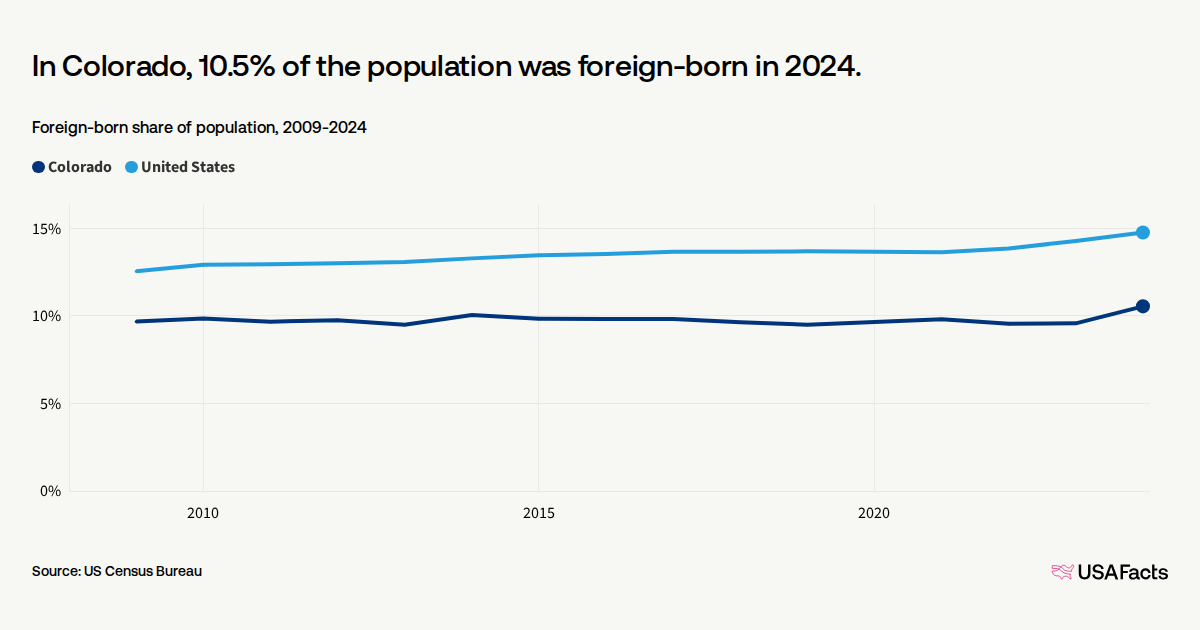
Organizations like the Pew Research Center have historically provided some of the most widely cited estimates. For instance, based on analyses of U.S. Census Bureau data, Pew has indicated that the undocumented immigrant population in Colorado has seen fluctuations over the years, often mirroring national trends.
More recent analyses suggest that the undocumented population in Colorado likely numbers in the tens of thousands, potentially ranging from 100,000 to 150,000 individuals, though these are broad approximations. These figures are derived from complex statistical models that attempt to account for the various immigration statuses and demographic characteristics of the foreign-born population within the state.
Demographic Profile of Undocumented Residents
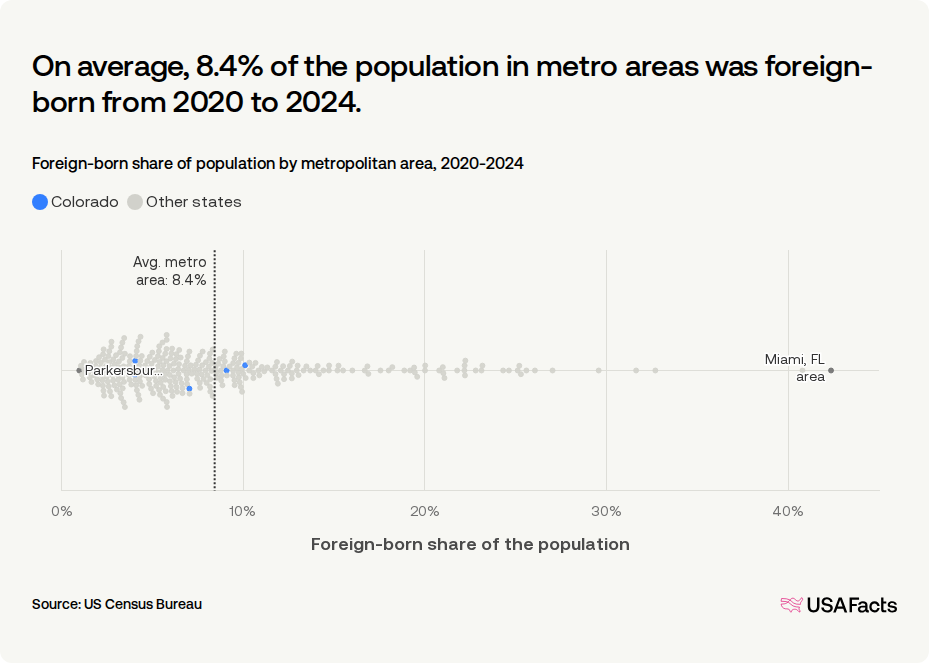
The undocumented population in Colorado, like elsewhere in the U.S., is diverse. While a significant portion may originate from Mexico and Central American countries, there are also individuals from Asia, Europe, and other regions. They are spread across the state, with higher concentrations often found in metropolitan areas such as Denver, Aurora, and Colorado Springs, as well as in agricultural regions where labor demand is high.
Undocumented immigrants in Colorado contribute to the economy through their labor and consumption. They are employed in various sectors, including agriculture, hospitality, construction, and healthcare. Their presence also influences the demand for goods and services, impacting local businesses and communities.
The Impact on Colorado’s Tourism and Local Economies
The presence of a significant undocumented population, regardless of their legal status, has implications for various facets of life in Colorado, including its vibrant tourism industry and overall economic health.
Economic Contributions and Labor Force
Undocumented immigrants are an integral part of Colorado’s labor force, often filling jobs that may be difficult to staff. Their contributions extend beyond direct employment; they are consumers of goods and services, pay sales taxes, and in many cases, pay property taxes indirectly through rent. Studies have suggested that undocumented workers contribute billions of dollars annually to the U.S. economy in taxes. In Colorado, their economic activity supports local businesses, including hotels, restaurants, and retail establishments that are often patronized by tourists.
Tourism Sector and Undocumented Residents
While not directly involved in organized tourism initiatives, undocumented residents are consumers within the tourism ecosystem. They frequent local restaurants, shops, and entertainment venues, especially in cities like Denver and the surrounding metropolitan areas. Their spending contributes to the revenue of businesses that also cater to tourists. Moreover, their presence contributes to the diverse cultural tapestry of Colorado, which can indirectly enhance the visitor experience by offering a richer and more authentic local flavor.
From a workforce perspective, undocumented individuals often find employment in the hospitality sector, including roles in hotels, restaurants, and event services. These are sectors that are critical to the functioning and success of Colorado’s tourism industry, from supporting major events like the National Western Stock Show to the daily operations of numerous resorts and lodging establishments.
Social Services and Community Infrastructure
The presence of undocumented immigrants also raises questions about their utilization of public services and the strain on community infrastructure. While many do not qualify for certain federal benefits, they do utilize services like emergency healthcare, public schools, and local law enforcement. The funding for these services often comes from state and local taxes, which are also contributed to by the entire population, including undocumented residents. Understanding these dynamics is key for policymakers in Colorado when planning for community growth and resource allocation.
Future Trends and Data Refinement
The population of undocumented immigrants in Colorado is not static. It is influenced by a multitude of factors, including national immigration policies, economic conditions in Colorado and their countries of origin, and global events.
Policy Implications and Data Needs
As immigration debates continue at the national and state levels, accurate and up-to-date data on the undocumented population becomes increasingly vital. Policy decisions regarding workforce, social services, and community development in Colorado all benefit from a clearer understanding of demographic realities. Continued research and improved methodologies are essential to provide more precise estimates, moving beyond broad ranges to more granular figures that can inform effective governance and planning.
The focus on the undocumented population in Colorado is a reflection of the broader national conversation about immigration. By examining the available data and understanding the complexities of estimation, we gain a more nuanced perspective on the contributions and challenges associated with this segment of the population, ultimately enriching our understanding of the state’s diverse and dynamic community, which is so integral to its appeal as a travel destination.
LifeOutOfTheBox is a participant in the Amazon Services LLC Associates Program, an affiliate advertising program designed to provide a means for sites to earn advertising fees by advertising and linking to Amazon.com. Amazon, the Amazon logo, AmazonSupply, and the AmazonSupply logo are trademarks of Amazon.com, Inc. or its affiliates. As an Amazon Associate we earn affiliate commissions from qualifying purchases.