
Venturing through the stunning landscapes and vibrant cities of Arizona offers an unforgettable experience, from the majestic Grand Canyon to the lively arts scene of Scottsdale. As you plan your itinerary, understanding the local sales tax, officially known as the Transaction Privilege Tax (TPT) in Arizona, is a crucial step for savvy travelers looking to budget effectively. Unlike traditional sales taxes, the TPT is a tax on vendors for the privilege of doing business in the state, though it is typically passed on to the consumer. This nuanced system affects nearly every purchase a tourist might make, from a refreshing drink in Phoenix to a unique souvenir in Sedona.
Navigating Arizona’s Tax Landscape for Tourists
For most travelers, the concept of sales tax is straightforward: an additional percentage added to the price of goods and services. In Arizona, however, this system is known as the Transaction Privilege Tax (TPT). While it functions similarly to a sales tax for consumers—appearing as an added cost on receipts—it’s legally distinct, being levied on the vendor for the privilege of conducting business within the state. Vendors generally pass this cost directly to the consumer, making it an essential component of your travel expenses.
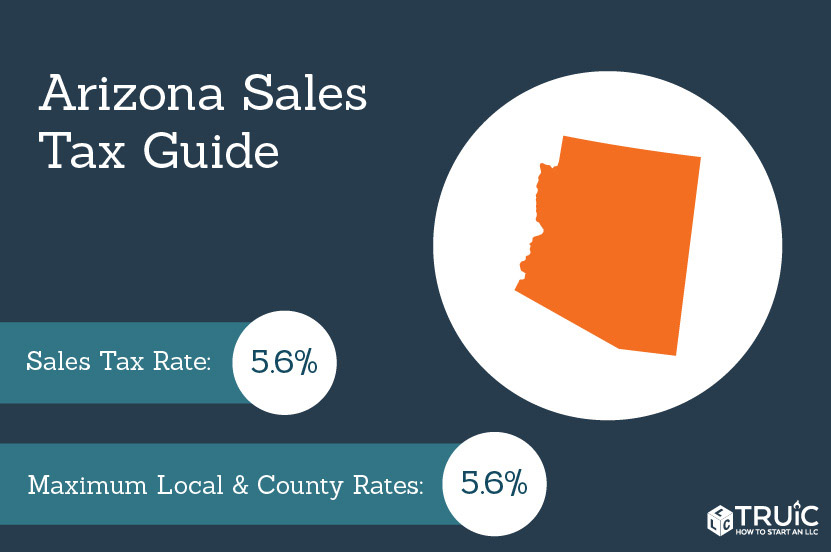
The state of Arizona imposes a base TPT rate, which is then combined with any applicable county and city taxes. This multi-layered approach means that the exact percentage you pay can vary significantly depending on your location within the state and the specific type of transaction. For instance, the tax rate for a meal in Tucson might differ from that in Flagstaff, and even within the same city, certain services or goods might be subject to slightly different rates. Understanding this foundational structure is the first step in accurately forecasting your spending and avoiding any surprises during your trip. Tourists should always expect to see the TPT added to their purchases, as it is a ubiquitous aspect of commerce in Arizona.
Understanding How Sales Tax Impacts Your Travel Budget
For any tourist, budgeting is key to a stress-free trip, and the Transaction Privilege Tax (TPT) in Arizona plays a significant role in this. Knowing how and where this tax applies can help you allocate funds more effectively, ensuring you have enough to cover everything from delicious meals to memorable experiences.
Dining and Food Purchases
Food and dining are often a substantial part of any travel budget, and in Arizona, these expenditures are typically subject to TPT. When you dine at restaurants, cafes, or eateries, expect the applicable state, county, and city TPT rates to be added to your bill. This includes not just the cost of your meal but often beverages and any additional services like catering. For those planning to save money by purchasing groceries and preparing their own meals, non-prepared food items are generally exempt from state TPT, although local taxes may still apply in some jurisdictions. However, prepared foods bought from grocery delis, convenience stores, or gas stations are usually taxable. This distinction is crucial for budget travelers who might rely on supermarket visits. Always check your receipt carefully to understand the breakdown of charges and taxes.
Souvenirs and Retail Shopping
Shopping for mementos, local crafts, or fashion items is a popular activity for many tourists. Whether you’re browsing the boutiques of Scottsdale, exploring art galleries in Sedona, or picking up traditional Native American jewelry near the Grand Canyon, retail purchases are a primary target for the TPT. The sticker price you see on an item in a store typically does not include the tax, which will be calculated at checkout. This applies to everything from clothing and electronics to artwork and local produce sold by vendors. Budgeting an extra percentage for these items will prevent sticker shock at the register and allow you to indulge in those unique Arizona finds without overspending your allowance.
Activities and Attractions
Arizona boasts an incredible array of activities and attractions, from museum entry fees in Tucson to guided tours through stunning natural parks. The TPT generally applies to the admission fees for most privately-owned or commercially operated attractions, such as theme parks, zoos, private museums, and guided tours. While federal fees for national parks like the Grand Canyon are typically exempt, state parks and locally operated cultural sites may include TPT. Concert tickets, sporting event admissions, and other entertainment options also fall under this taxable category. When researching activities, assume that the advertised price is pre-tax and mentally add the applicable TPT to get a true estimate of the total cost. This foresight will allow you to fully enjoy Arizona’s diverse offerings without financial surprises.
Lodging and Accommodation
One of the most significant expenditures for any traveler is accommodation, and in Arizona, lodging is subject to a complex combination of taxes. On top of the standard state, county, and city TPT that applies to most services, hotels, resorts, and vacation rentals often levy additional excise taxes specifically on transient lodging. These lodging taxes, sometimes called bed taxes or occupancy taxes, are typically implemented at the county and city levels to fund local tourism initiatives and infrastructure. For example, a stay in Phoenix will incur not only the city’s general TPT rate but also specific lodging taxes. This can significantly increase the nightly rate of your stay, often adding several percentage points to the advertised price. Always inquire about the total tax rate for accommodations before booking to ensure your budget accurately reflects the final cost.
Regional Variations: City and County Taxes Across Arizona
One of the most critical aspects of Arizona’s Transaction Privilege Tax (TPT) system for tourists is its variability. The total TPT rate you pay is a combination of the statewide rate, a county rate, and a city rate. This means that the exact percentage added to your purchases can differ considerably depending on which city or even which part of a county you are in. Being aware of these regional differences is vital for accurate budgeting, especially if your travel itinerary includes multiple destinations within the state.
For instance, major metropolitan areas like Phoenix and Tucson tend to have higher combined TPT rates due to their higher city-level taxes compared to smaller towns or unincorporated areas. In Phoenix, as the state capital and a bustling hub, visitors can expect a combined TPT rate that includes the state, Maricopa County, and City of Phoenix taxes. Similarly, Tucson, located in Pima County, will have its own specific city TPT rate on top of the state and county taxes.
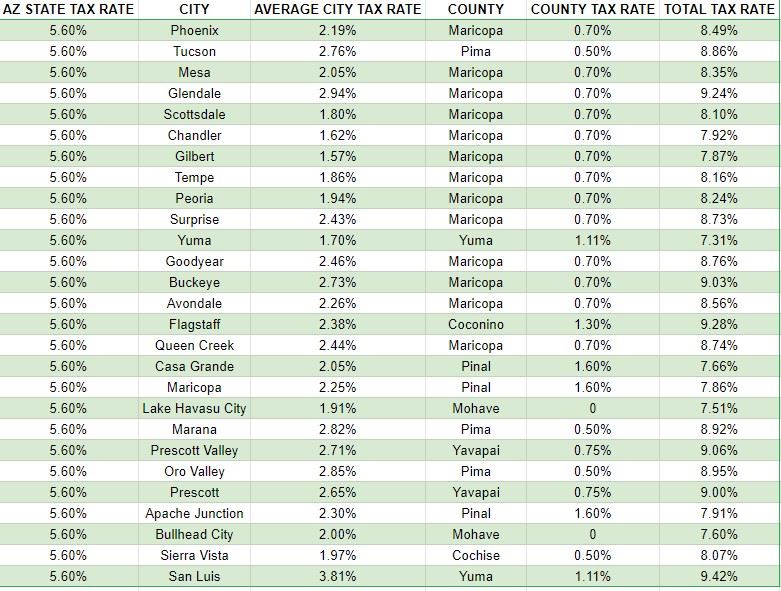
Tourist-heavy destinations such as Scottsdale, known for its luxury resorts and shopping, and Sedona, famous for its red rock scenery and spiritual retreats, also have their unique city tax structures that contribute to the overall TPT rate. Travelers visiting these areas might find their tax burden slightly different from what they would experience in a more rural setting. Even gateway cities to major attractions, like Flagstaff (the gateway to the Grand Canyon), will have their specific tax rates, impacting everything from gas purchases to dining out.
It is highly recommended that tourists, particularly those planning a multi-city tour of Arizona, research the specific TPT rates for their intended destinations. Many city and county websites provide detailed information on their current tax rates, which can be invaluable for pre-trip financial planning. Understanding these variations ensures that your budget remains realistic, allowing you to fully enjoy the diverse experiences Arizona has to offer without unexpected costs.
Tips for Budgeting and Smart Spending in Arizona
Effective budgeting is a cornerstone of smart travel, especially when navigating a tax system like Arizona’s Transaction Privilege Tax (TPT). By incorporating a few strategic tips into your planning, you can ensure your trip remains enjoyable and free from financial surprises.
Firstly, always factor in tax from the outset. When you see an advertised price for a souvenir, a meal, or an activity, mentally add the expected TPT rate to get a more accurate total. Do not assume the price listed is the final amount you will pay. This simple habit will prevent you from underestimating your daily expenses.
Secondly, research local rates for your specific destinations. As highlighted, TPT rates vary significantly from city to city and county to county. Before arriving in Phoenix, Scottsdale, Tucson, or Sedona, take a few moments to look up their current combined TPT rates. Government websites for the state and individual cities often provide this information, helping you predict costs more precisely.
Consider where you make your purchases. While the difference might be slight, buying certain items in smaller towns or less tourist-centric areas might sometimes incur a marginally lower total TPT rate compared to major metropolitan hubs. However, the convenience and selection in larger cities often outweigh minor tax savings.
Keep an eye on your receipts. Arizona businesses are generally transparent about TPT, and you should see it listed as a separate line item on most receipts. Reviewing these can help you track your spending and understand how much you’re actually paying in tax. If you notice discrepancies or have questions, don’t hesitate to ask the vendor.
Regarding payment methods, whether you pay with cash or card, the TPT will apply uniformly. The method of payment does not influence the tax rate. However, using a travel budgeting app or simply keeping a running tally can help you stay within your financial limits. Unfortunately, for state sales taxes like the TPT, duty-free or tax-free shopping options are generally not available for tourists leaving the state, unlike in some international travel contexts.
Finally, remember that certain purchases, such as most unprepared groceries, are often exempt from the state’s TPT, though local rates might still apply. Knowing these exemptions can provide small savings, especially for longer stays where self-catering is an option. By employing these smart budgeting practices, you can focus more on enjoying the unparalleled beauty and culture of Arizona and less on unexpected costs.
Beyond Sales Tax: Other Taxes Affecting Tourists
While the Transaction Privilege Tax (TPT) is the most pervasive tax affecting tourists in Arizona, it’s not the only financial consideration. Several other taxes can add to your overall travel expenses, making it essential to budget for them to avoid any surprises.
Lodging Tax
As previously mentioned, lodging in Arizona typically incurs more than just the standard TPT. In addition to state, county, and city TPT on the room rate, most cities and counties impose specific lodging taxes, sometimes referred to as bed taxes or occupancy taxes. These additional percentages are levied on hotels, motels, resorts, and short-term vacation rentals. For instance, a stay in Phoenix or Scottsdale will include not only their respective city TPT rates but also a specific lodging tax to fund local tourism marketing and infrastructure. These taxes can significantly increase the total cost of your accommodation, so it’s always wise to confirm the full, all-inclusive rate when booking.
Rental Car Tax
For many visitors, exploring Arizona’s vast landscapes necessitates renting a car. Be aware that rental cars are subject to their own set of taxes and fees, beyond the general TPT on the rental amount. Arizona imposes a specific vehicle rental surcharge, often referred to as a “rental car tax” or “concession recovery fee,” which can vary. This additional charge is typically a percentage of the rental price or a flat daily fee, and it’s distinct from the standard TPT. When booking a rental vehicle, pay close attention to the breakdown of charges provided by the rental company to understand the full cost, including all applicable taxes and fees, before you sign.
Fuel Tax
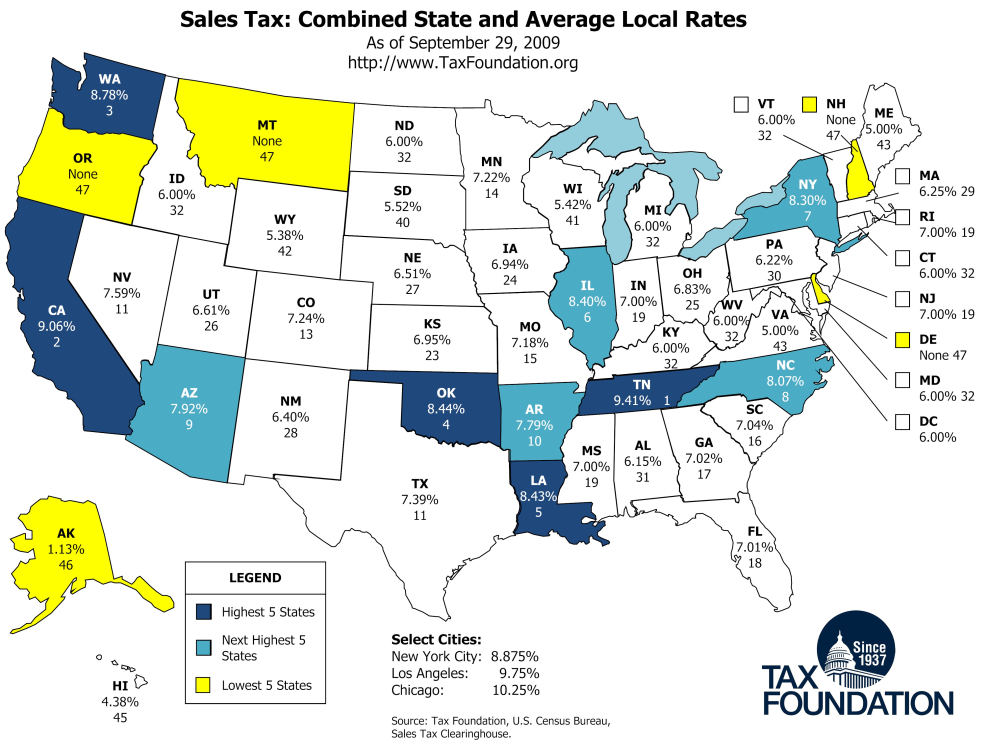
If you plan on driving extensively across Arizona, whether on scenic drives to Sedona or day trips from Flagstaff to the Grand Canyon, fuel costs will be a notable expenditure. Like all states, Arizona imposes a fuel tax on gasoline and diesel. This tax is typically included in the per-gallon price you see at the pump, so you won’t see it as a separate line item on your receipt unless specifically broken down by the retailer. While you don’t budget for it separately from the price of gas, understanding that a portion of what you pay for fuel goes towards state infrastructure and services is part of a comprehensive view of taxes affecting your travel. Keeping these additional taxes in mind will ensure a smoother, more financially prepared journey through the Grand Canyon State.
LifeOutOfTheBox is a participant in the Amazon Services LLC Associates Program, an affiliate advertising program designed to provide a means for sites to earn advertising fees by advertising and linking to Amazon.com. Amazon, the Amazon logo, AmazonSupply, and the AmazonSupply logo are trademarks of Amazon.com, Inc. or its affiliates. As an Amazon Associate we earn affiliate commissions from qualifying purchases.