
Florida, often lauded as the Sunshine State, has long been a critical battleground in American politics. Its diverse demographics, sprawling urban centers, and significant population growth have made it a perennial focus for both major political parties. The question of whether Florida is “turning blue” – a metaphorical shift towards Democratic Party dominance – is one that sparks considerable debate and is influenced by a complex interplay of socio-economic factors, demographic changes, and the evolving political landscape. While past election cycles have shown a Republican lean, recent trends and demographic shifts suggest a more fluid and potentially evolving political identity for the state.

Demographic Shifts and Evolving Electorate
The Sunshine State’s population is in a constant state of flux, driven by both domestic migration and international immigration. These newcomers often bring with them different political perspectives and affiliations, directly impacting the state’s electorate.
The Influence of Migration
Florida has consistently attracted retirees and individuals seeking warmer climates and a lower cost of living, particularly from the Northeast and Midwest. Traditionally, many of these migrants have leaned Republican. However, the nature of this migration is diversifying. Increasingly, younger professionals and families are choosing Florida for its burgeoning job market, particularly in sectors like technology and healthcare. These demographics may not hold the same established political allegiances as older, more established populations.
Furthermore, the rise of urban centers like Miami, Orlando, and Tampa has created pockets of significant Democratic support. These areas are magnets for diverse populations, including a growing number of young voters and minority groups, who tend to favor Democratic candidates. The sheer population density in these urban cores can significantly influence statewide election outcomes, even if surrounding rural areas remain staunchly Republican.
Growing Minority Communities
The Hispanic and Black populations in Florida are substantial and growing, with different communities exhibiting varying political leanings. The Cuban-American population, particularly in Miami-Dade County, has historically leaned Republican, though this has seen some erosion in recent years. Newer waves of immigration from other Latin American countries, such as Venezuela and Nicaragua, have introduced different political dynamics. These groups, often fleeing political instability or economic hardship in their home countries, have shown a greater propensity to align with Democratic platforms.
The Black electorate in Florida remains a significant and largely consistent Democratic voting bloc. As the state’s population grows, so does the absolute number of Black voters, who are a crucial component of any Democratic victory strategy. Their engagement and mobilization are paramount for shifting the political balance.
Generational Divides
As in many parts of the country, generational differences play a role in Florida’s political leanings. Younger generations, generally more diverse and socially liberal, tend to favor Democratic candidates. Conversely, older generations, who may have established their political identities during different eras, are often more conservative. The continuous influx of younger residents and the aging of the existing population create a dynamic tension that shapes the electorate’s overall outlook.
Shifting Political Allegiances and Electoral Trends
While demographic changes provide the underlying currents, it is the observable shifts in voting patterns and election results that offer tangible evidence of Florida’s evolving political landscape.
Recent Election Performance
Recent presidential election results in Florida have been particularly telling. While Donald Trump won the state in both 2016 and 2020, his margins of victory were narrower than some anticipated, and the state has narrowly gone Republican in recent presidential contests. This suggests that while the state hasn’t definitively “turned blue,” it has become more competitive. The Democratic Party has seen successes in gubernatorial and senatorial races in the past, indicating that their potential for statewide victories is real, even if not consistently realized.
The growing prominence of Democratic candidates like Andrew Gillum in 2018, who narrowly lost the gubernatorial race, and Charlie Crist in 2022, further illustrate the state’s increasing competitiveness. These campaigns energized significant portions of the Democratic base and demonstrated the potential to mobilize voters in key urban and suburban areas.
The Suburban Vote
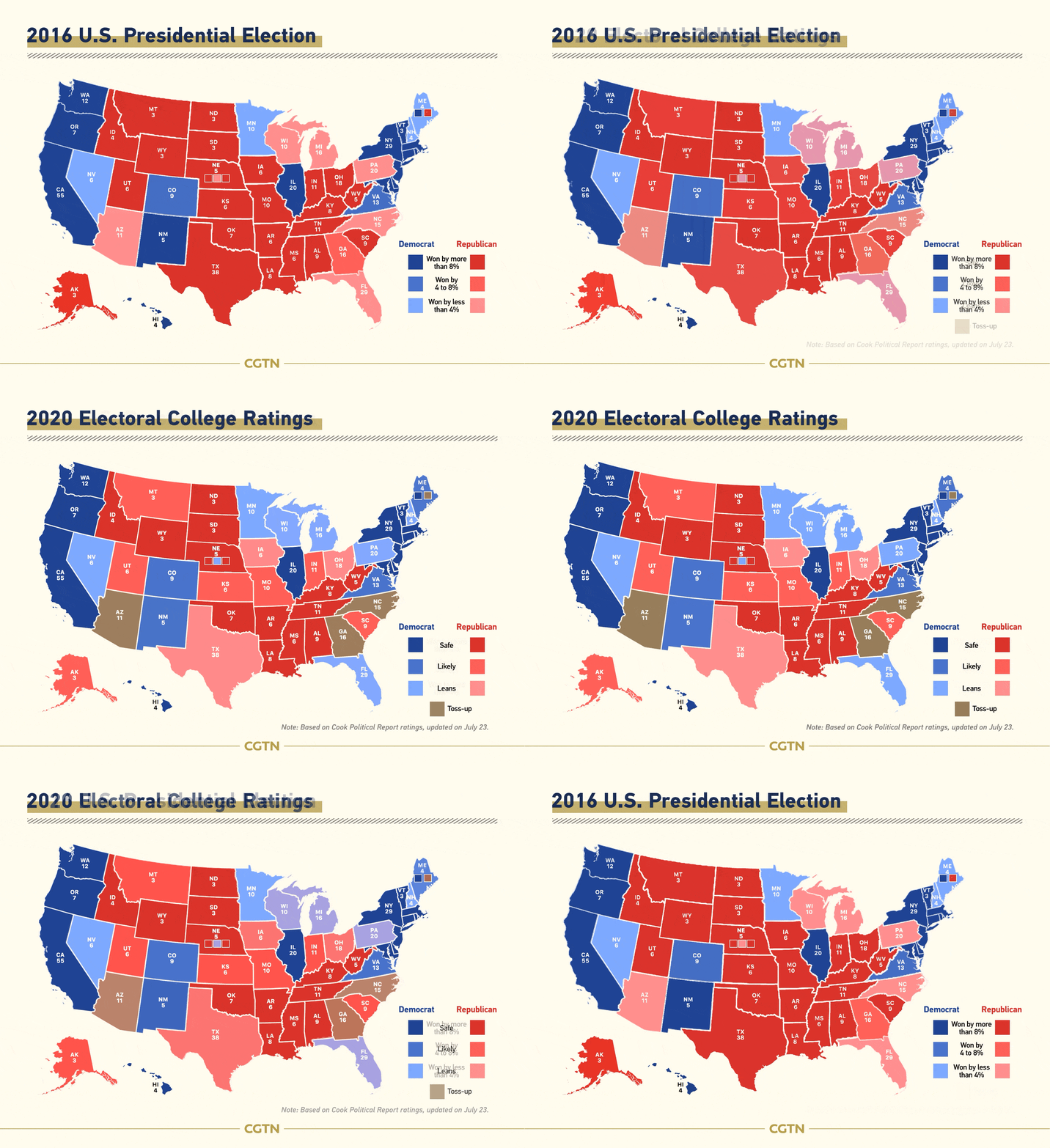
Suburban areas, once considered reliably Republican territory, are becoming increasingly critical battlegrounds. As suburbs become more diverse and experience population growth, they are becoming more politically dynamic. The “blue wave” phenomenon, which saw Democrats making gains in suburban districts across the country in recent elections, has also been observed to some extent in Florida. Shifts in suburban voting patterns can be influenced by a variety of factors, including education levels, economic concerns, and social issues.
The Role of Independent Voters
Florida has a significant and growing number of voters registered as “no party affiliation” or independent. This segment of the electorate is often swayed by specific issues and candidate appeal, making them a crucial target for both parties. As more Floridians opt out of traditional party affiliations, their votes become more unpredictable, adding another layer of complexity to the state’s political calculus. A candidate who can appeal to the moderate sensibilities of independent voters could potentially tip the balance in a close election.
Key Issues Shaping Florida’s Political Future
Beyond broad demographic and electoral trends, specific policy issues and social movements are actively shaping the political discourse and influencing voter behavior in Florida.
Economic Factors and Affordability
The rising cost of living, particularly housing and insurance, is a major concern for many Floridians. These economic pressures disproportionately affect lower and middle-income families and can influence their voting decisions. Issues such as minimum wage, affordable housing initiatives, and property tax relief are potent motivators. Democrats often champion policies aimed at addressing these concerns, while Republicans may focus on tax cuts and deregulation. The effectiveness of each party’s approach in tackling these economic challenges will be a significant factor in future elections.
Environmental Concerns
As a state with a vast coastline and a delicate ecosystem, Florida is particularly vulnerable to the impacts of climate change, including rising sea levels and more severe hurricanes. Environmental issues, such as water quality, conservation, and renewable energy, are gaining prominence among voters, especially younger generations and those living in coastal communities. The Democratic Party typically advocates for more robust environmental protections and climate action, while the Republican Party’s stance can vary, often emphasizing economic growth alongside environmental considerations.
Social Issues and Cultural Divides
Social issues continue to be significant drivers of political engagement and polarization in Florida. Debates surrounding education, LGBTQ+ rights, reproductive freedom, and gun control resonate deeply with various segments of the population. The state’s diverse religious and cultural makeup means that these issues can evoke strong reactions and mobilize voters on both sides of the political spectrum. The way candidates address these sensitive topics can significantly impact their appeal to different demographic groups.
Healthcare Access and Affordability
Access to affordable healthcare is another pressing issue for many Floridians. The state has a significant population of seniors and individuals with pre-existing conditions, making healthcare policy a critical concern. Debates around the Affordable Care Act, Medicare, and Medicaid, as well as the cost of prescription drugs, are central to political discussions. Both parties offer distinct approaches to healthcare, which can influence voters concerned about their well-being and financial security.
The Path Forward: A Purple State in Flux?
The question of whether Florida is truly “turning blue” is complex and unlikely to yield a simple yes or no answer in the immediate future. Instead, the state appears to be evolving into a more intensely competitive, or “purple,” state. The Republican Party has historically held an advantage in statewide elections, benefiting from a strong rural base and a significant contingent of conservative voters. However, the Democratic Party has made notable inroads, driven by demographic shifts, urban growth, and an increasing engagement of minority and younger voters.
The Importance of Mobilization and Turnout
Ultimately, the outcome of elections in Florida will depend on the ability of both parties to effectively mobilize their bases and persuade undecided voters. Get-out-the-vote efforts, voter registration drives, and targeted campaign messaging will be crucial. The high stakes of Florida’s political contests ensure that significant resources will be invested in understanding and influencing its electorate.
The Role of Leadership and Candidate Appeal
The specific candidates who emerge and their ability to connect with a broad range of voters will also play a pivotal role. Charismatic leaders who can transcend traditional partisan divides and address the concerns of diverse communities have the potential to reshape the political landscape. The ongoing evolution of Florida’s electorate suggests that the state will remain a dynamic and closely watched arena in American politics for years to come. Whether it leans more consistently blue, remains a staunchly red state with blue pockets, or settles into a perpetual state of purple, its political trajectory will undoubtedly have national implications.
LifeOutOfTheBox is a participant in the Amazon Services LLC Associates Program, an affiliate advertising program designed to provide a means for sites to earn advertising fees by advertising and linking to Amazon.com. Amazon, the Amazon logo, AmazonSupply, and the AmazonSupply logo are trademarks of Amazon.com, Inc. or its affiliates. As an Amazon Associate we earn affiliate commissions from qualifying purchases.