
The question “How many islands are in Hawaii?” seems straightforward, yet its answer holds a fascinating complexity, much like the diverse landscapes and rich culture of this iconic Pacific Ocean archipelago. While many travelers immediately think of the handful of major, inhabited islands, the true count stretches far beyond, encompassing a vast chain of islets, atolls, and submerged seamounts that tell a geological story spanning millions of years. For anyone planning a trip, delving into this question not only clarifies the geography but also illuminates the unique character and offerings of each distinct Hawaiian destination, from bustling tourist hubs to remote, protected havens.
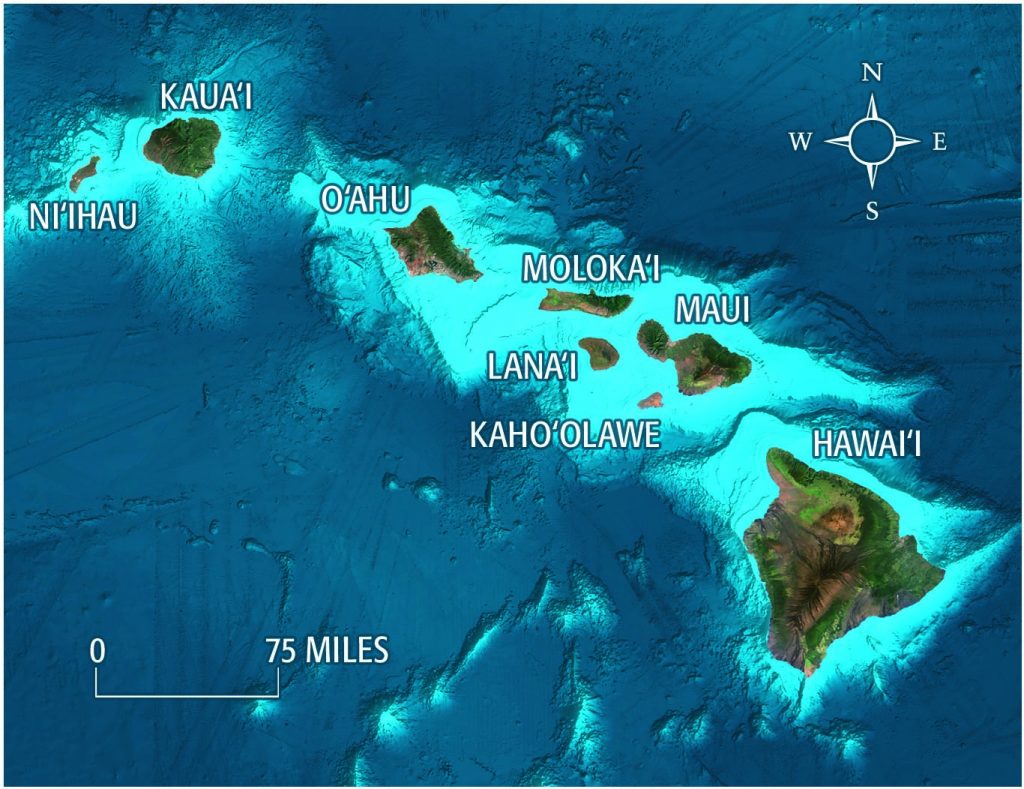
At its simplest, the USA state of Hawaii is comprised of eight main islands. These are the ones most frequently visited and discussed, forming the southeastern end of a much larger submarine mountain range. However, the comprehensive answer reveals a majestic chain of over 130 islands, atolls, reefs, and seamounts stretching approximately 1,500 miles (2,400 kilometers) from Kure Atoll in the northwest to the Big Island of Hawaii in the southeast. This extensive archipelago is a testament to millions of years of volcanic activity and erosion, offering a spectrum from thriving metropolitan areas to pristine, uninhabited wildlife sanctuaries. Understanding this distinction is key to appreciating the full scope of Hawaii’s natural wonders and planning an unforgettable travel experience.
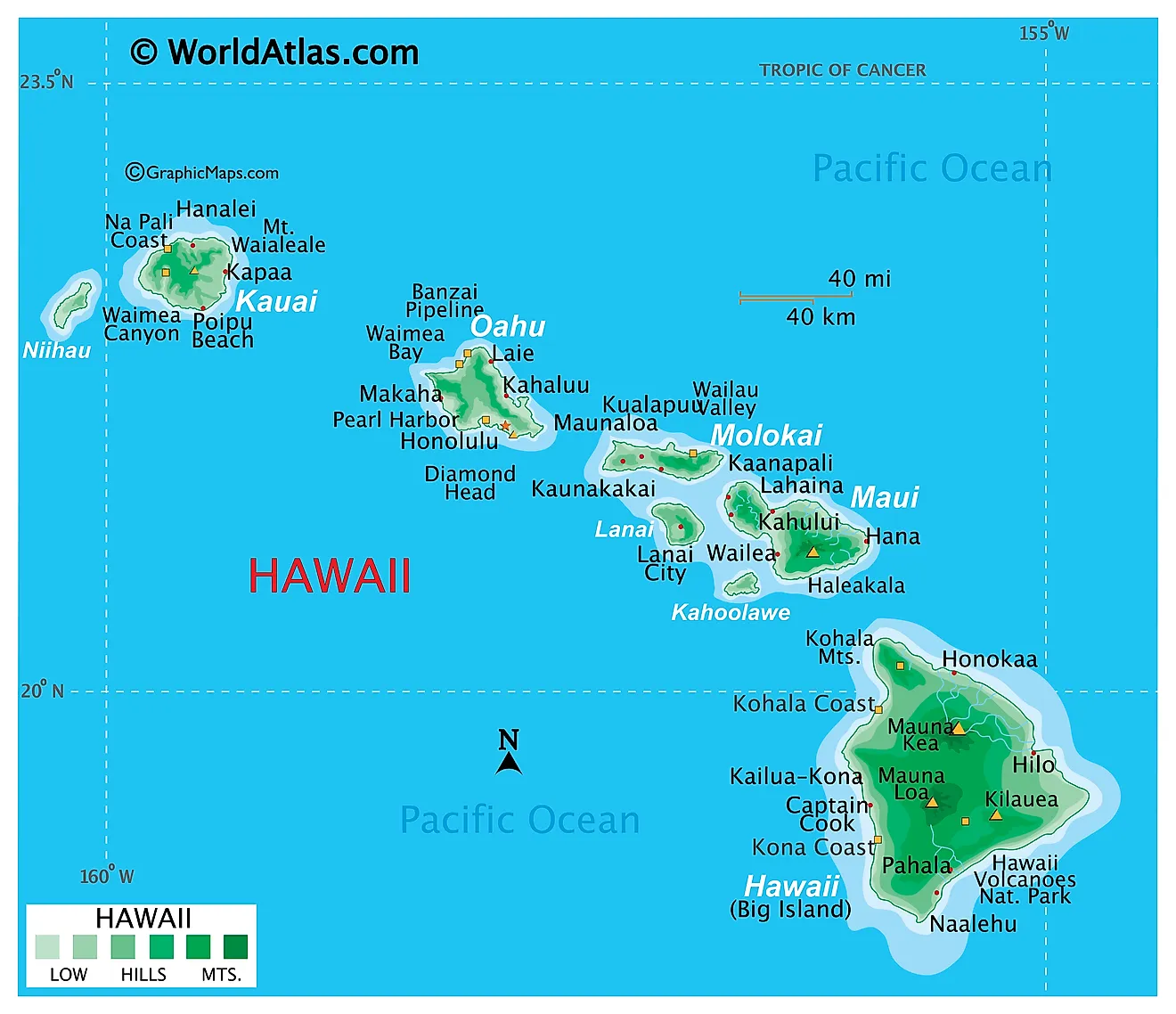
The Eight Main Hawaiian Islands: A Traveler’s Guide
When most people refer to the Hawaiian Islands, they are thinking of the eight major landmasses that are relatively accessible and support permanent populations or significant visitor infrastructure. Each of these islands boasts a unique personality, drawing different types of travelers seeking everything from luxurious resort stays and vibrant nightlife to secluded natural adventures and deep cultural immersion.
Oahu: The Gathering Place
Oahu, often called “The Gathering Place,” is the most populated and developed of the Hawaiian Islands, serving as the economic and political heart of the state. It’s home to the capital city of Honolulu and the world-famous Waikiki Beach, where a myriad of hotels, from budget-friendly apartments to lavish 5-star resorts, cater to millions of visitors annually. For travelers seeking a vibrant mix of urban amenities and stunning natural beauty, Oahu offers an unparalleled experience.
Iconic landmarks like Pearl Harbor offer a poignant historical perspective, while the majestic hike up Diamond Head provides panoramic views of Waikiki and the coastline. The island’s North Shore is legendary among surfers, especially during winter months when colossal waves draw international competitions, but also offers charming towns and beautiful beaches for all visitors. Oahu’s dynamic food scene ranges from gourmet dining in Honolulu’s upscale establishments to popular food trucks serving local favorites like poke and garlic shrimp. Whether you’re interested in cultural festivals, a bustling nightlife, world-class shopping, or simply relaxing on a pristine beach, Oahu provides a comprehensive Hawaiian experience for families, solo adventurers, and business travelers alike. Accommodation options are plentiful, making it easy to find everything from luxury suites overlooking the ocean to more secluded villas perfect for long-term stays.
Maui: The Valley Isle
Known as “The Valley Isle,” Maui consistently ranks among the world’s top island destinations, celebrated for its exquisite beaches, lush valleys, and dramatic volcanic landscapes. It strikes a beautiful balance between development and natural preservation, offering travelers a more relaxed pace than Oahu while still providing a wealth of activities and luxurious amenities.
The famous Road to Hana is an unforgettable journey through dense rainforests, past cascading waterfalls, and along breathtaking coastal cliffs. Watching the sunrise from the summit of Haleakala National Park, a dormant volcano, is a quintessential Maui experience, providing a spiritual connection to the island’s raw power. The historic whaling town of Lahaina offers a charming blend of history, art galleries, and waterfront dining. Maui is also a premier destination for whale watching during winter months, snorkeling in crystal-clear waters, and indulging in world-class golf. Its resorts, particularly along the Wailea and Ka’anapali coasts, offer everything from family-friendly suites to adults-only luxury villas, often featuring stunning infinity pools, spas, and direct beach access. Maui caters to those seeking a romantic getaway, an active family vacation, or a serene escape into nature.

Hawaii Island: The Big Island
Simply called “The Big Island” due to its sheer size – it’s larger than all the other Hawaiian Islands combined – Hawaii Island is a realm of dramatic contrasts and ongoing creation. It is home to Hawaii Volcanoes National Park, where visitors can witness the raw power of active volcanoes like Kilauea and Mauna Loa, which continue to expand the island’s landmass. This dynamic geological activity results in incredible diversity, from black sand beaches formed by lava flows to snow-capped peaks.
The island is divided into two main regions: the sunny, drier Kona coast to the west, known for its world-class coffee plantations, deep-sea fishing, and vibrant snorkeling spots, and the lush, rainy Hilo side to the east, famed for its botanical gardens and stunning waterfalls. Above it all, Mauna Kea, the world’s tallest mountain from base to peak, offers incredible stargazing opportunities from its summit. The Big Island appeals to adventure seekers, nature enthusiasts, and those fascinated by geology and astronomy. Accommodation options range from luxury resorts on the Kona coast to charming bed and breakfasts in Hilo and eco-friendly retreats near the volcano. Visitors can explore local culture through farmers’ markets, enjoy farm-to-table dining, and partake in unique activities such as night snorkeling with manta rays or exploring lava tubes.
Kauai: The Garden Isle
Kauai, often referred to as “The Garden Isle,” is the oldest and northernmost of the main Hawaiian Islands, characterized by its dramatic emerald valleys, sharp mountain spires, and jagged cliffs carved by millennia of wind and rain. Its lush, untamed beauty makes it a paradise for outdoor adventurers and those seeking a tranquil escape into nature.
The island’s crown jewel is the awe-inspiring Na Pali Coast, a series of towering cliffs accessible primarily by helicopter tour, boat excursion, or strenuous hiking trails. Another natural marvel is Waimea Canyon, often dubbed the “Grand Canyon of the Pacific,” offering breathtaking vistas and numerous hiking opportunities. Kauai’s laid-back atmosphere, combined with its stunning natural landmarks, makes it ideal for honeymooners, families looking for outdoor activities, and anyone wanting to disconnect from the hustle and bustle. Accommodations range from luxurious beachfront resorts in Poipu to charming vacation rentals and boutique hotels in quieter towns like Hanalei. Beyond hiking and sightseeing, activities include kayaking on the Wailua River, exploring local art galleries, and indulging in fresh, locally sourced cuisine.
Molokai: The Friendly Isle
Molokai proudly carries the title of “The Friendly Isle” and offers a profound contrast to the more developed islands. With a predominantly Native Hawaiian population, Molokai retains much of its authentic culture and traditional way of life. It’s a place where you won’t find high-rise resorts or bustling nightlife, but rather a chance to experience the true essence of old Hawaii.
The island is home to the majestic sea cliffs of the north shore, among the tallest in the world, and the historic Kalaupapa National Historical Park, once a remote settlement for those afflicted with Hansen’s disease (leprosy). Visiting Kalaupapa is a moving and reflective experience, requiring special permits. Molokai offers quiet, secluded beaches, excellent fishing, and opportunities to connect with local traditions. Travelers seeking an off-the-beaten-path experience, cultural immersion, and peaceful relaxation will find Molokai a refreshing change of pace. Accommodation is primarily limited to vacation rentals, small hotels, and charming guesthouses, emphasizing a more intimate and personal stay.
Lanai: The Private Isle
Often known as “The Private Isle” or “Pineapple Isle,” Lanai is largely owned by Oracle founder Larry Ellison, contributing to its exclusive and serene atmosphere. It’s connected to Maui via the Auau Channel and Kalohi Channel. This island offers a luxurious escape from the crowds, appealing to travelers seeking privacy, world-class amenities, and pristine natural beauty.
Lanai boasts two exquisite Four Seasons Resort Lanai properties, offering unparalleled luxury, fine dining, and personalized service. Despite its upscale reputation, Lanai also offers rugged adventure, from exploring the Garden of the Gods (Keahiakawelo), a lunar-like landscape of rock formations, to off-roading on secluded trails. Manele Bay, a pristine marine preserve, is perfect for snorkeling and swimming. The island’s golf courses are renowned for their breathtaking ocean views. Lanai is perfect for a romantic honeymoon, an exclusive family retreat, or a luxurious escape for those who appreciate understated elegance and untouched natural splendor. Accommodation is primarily high-end resorts, though a few smaller inns offer a different flavor.
Niihau: The Forbidden Isle
Niihau is perhaps the most enigmatic of the main Hawaiian Islands, famously known as “The Forbidden Isle.” Located west of Kauai and administered by Kauai County, it is privately owned and has been largely untouched by modern development. Access is extremely restricted, primarily reserved for relatives of the island’s owners, government officials, or invited guests.
The island’s residents, primarily Native Hawaiians, speak the Hawaiian language almost exclusively and maintain a traditional lifestyle, eschewing modern conveniences. This unique cultural preservation makes Niihau a living testament to ancient Hawaiian ways. While visitors cannot generally set foot on the island, glimpses of its untouched beauty can sometimes be caught during limited helicopter tours that land on a secluded beach for a brief period, offering a rare window into this isolated world. For most, Niihau remains a mysterious and intriguing symbol of Hawaiian heritage, a reminder of what the islands once were.
Kahoolawe: The Target Isle
Kahoolawe, situated in Maui County and lying in the Kealaikahiki Channel southwest of Maui and southeast of Lanai, is the smallest of the eight main Hawaiian Islands. It remains uninhabited and carries a complex history, having been used as a bombing range by the USA military for decades. This period left the island scarred and contaminated with unexploded ordnance.
Today, Kahoolawe is owned by the state of Hawaii and is dedicated to cultural, historical, and environmental restoration. Access is highly restricted and managed by the Kahoolawe Island Reserve Commission, primarily for Native Hawaiian cultural practices, environmental restoration projects, and archaeological research. While not a tourist destination, its story is a significant part of Hawaiian history and a powerful symbol of ecological healing and cultural reclamation. Like Niihau, it offers a poignant reflection on the islands’ past and present, emphasizing the deep respect for the land and its heritage that is central to Hawaiian culture.
Beyond the Horizon: The Northwestern Hawaiian Islands
While the eight main islands capture the imagination of most visitors, the true geographical scope of Hawaii extends far into the Pacific Ocean with the Northwestern Hawaiian Islands (NWHI). This vast chain of small islands, atolls, and submerged banks stretches over 1,200 miles (1,900 kilometers) northwest from Niihau, eventually fading into mere coral reefs. Geologically older and significantly eroded, these islands represent the slow subsidence and eventual disappearance of the Hawaiian volcanic chain over millions of years.
A Sanctuary for Wildlife: Papahānaumokuākea Marine National Monument
The Northwestern Hawaiian Islands are not tourist destinations but rather a critically important ecological preserve. They are encompassed within the Papahānaumokuākea Marine National Monument, one of the largest protected areas in the world. This monument is a UNESCO World Heritage Site, recognized for both its natural and cultural significance.
These remote islands and surrounding waters are a haven for millions of seabirds, endangered Hawaiian monk seals, green sea turtles, and a staggering diversity of coral, fish, and other marine life found nowhere else on Earth. Scientific research, conservation efforts, and Native Hawaiian cultural practices are the primary, limited activities permitted in this pristine region. The monument serves as a vital reminder of Hawaii’s profound ecological importance and commitment to preserving its natural heritage for future generations. For travelers, understanding the existence and significance of the NWHI adds another layer to the story of the islands, emphasizing their unique position as a hotspot of biodiversity and a testament to ancient geological processes.
The True Count and Geological Genesis of Hawaii
So, how many islands are truly in Hawaii? If we consider all the islands, islets, atolls, and reefs that constitute the Hawaiian archipelago, the number extends to approximately 137. This count includes the eight main islands, numerous smaller named islands within the main chain (like Lehua off Niihau, or Molokini off Maui), and the entire sweep of the Northwestern Hawaiian Islands. This vast chain is a classic example of hotspot volcanism, where the Pacific Plate slowly moves over a stationary plume of magma deep within the Earth’s mantle.
This geological process explains why the islands are progressively older and smaller as you move northwest, with the Big Island being the youngest and still growing. Loihi Seamount, a new underwater volcano currently rising southeast of the Big Island, is already considered a new Hawaiian island in the making, destined to emerge above the waves thousands of years from now. This ongoing geological activity means that the number of islands in Hawaii is not static, but rather a dynamic, ever-evolving figure, a testament to the planet’s continuous transformation.
Planning Your Hawaiian Adventure: Making the Right Choice
With such a diverse array of islands, choosing the right Hawaiian destination depends entirely on your travel aspirations, budget, and lifestyle preferences. Each island offers a unique blend of attractions, accommodations, and experiences, making Hawaii a versatile destination for every type of traveler.
- For the Bustling City Explorer and Beach Lover: Oahu is your ideal choice, blending urban excitement with iconic beaches and historical landmarks. From luxury hotels in Waikiki to budget-friendly apartments near surf spots, Oahu caters to all.
- For Romance, Luxury, and Natural Beauty: Maui offers stunning landscapes, world-class resorts, and a slightly more upscale, relaxed vibe. It’s perfect for honeymoons, anniversaries, or families seeking a balance of adventure and indulgence. Look for exquisite suites and resorts with breathtaking views.
- For Adventure and Geological Wonders: The Big Island of Hawaii is unmatched with its active volcanoes, diverse climates, and unique landscapes. It’s a paradise for hikers, stargazers, and those fascinated by the raw power of nature. Accommodation varies from charming guesthouses to larger hotels in Kona and Hilo.
- For Serene Nature and Outdoor Enthusiasts: Kauai’s lush “Garden Isle” status makes it perfect for hiking, kayaking, and soaking in dramatic scenery. It offers a more tranquil experience, with a focus on natural exploration. Vacation villas and boutique hotels are popular here.
- For Authentic Culture and Seclusion: Molokai provides a rare glimpse into traditional Hawaiian life, offering a peaceful and culturally rich experience away from mainstream tourism. It’s an excellent option for long-term stays or those seeking deep immersion.
- For Exclusive Luxury and Privacy: Lanai is the epitome of a luxurious escape, with world-class resorts and pristine, uncrowded beaches, ideal for a high-end, private getaway. Think five-star resorts and private villas.
When planning your trip, consider using comprehensive travel guides and reviews to compare accommodations, activities, and local culture. Booking in advance, especially for popular resorts or unique experiences, is always recommended. Explore options for family trips, budget travel, or even business stays, knowing that each island holds distinct possibilities for a fulfilling Hawaiian lifestyle experience. Embrace the local food scene, respect the Aina (land), and engage with the aloha spirit to truly unlock the magic of these islands.
Conclusion
The question “How many islands are in Hawaii?” reveals a fascinating narrative of geology, ecology, and culture. While the eight main islands are the stars of most travel itineraries, offering an incredible diversity of experiences for every type of visitor, the broader count of approximately 137 islands, islets, and atolls underscores Hawaii’s immense natural heritage. From the bustling shores of Oahu to the serene, protected waters of Papahānaumokuākea Marine National Monument, each part of this archipelago contributes to the breathtaking tapestry that is Hawaii. Whether you seek adventure, relaxation, cultural immersion, or simply a luxurious escape, the islands of Hawaii promise an unforgettable journey into a world of unparalleled beauty and endless discovery.
LifeOutOfTheBox is a participant in the Amazon Services LLC Associates Program, an affiliate advertising program designed to provide a means for sites to earn advertising fees by advertising and linking to Amazon.com. Amazon, the Amazon logo, AmazonSupply, and the AmazonSupply logo are trademarks of Amazon.com, Inc. or its affiliates. As an Amazon Associate we earn affiliate commissions from qualifying purchases.