
One of the most common questions travelers to the Golden State ask, particularly those planning complex itineraries or arriving from distant time zones, is about its official time. The answer is both straightforward and nuanced, reflecting the annual dance of daylight. Yes, California primarily observes Pacific Time. However, this isn’t a static designation throughout the year. For most of the year, from early spring to late autumn, California shifts to Pacific Daylight Time (PDT). During the colder months, it reverts to Pacific Standard Time (PST). Understanding this distinction is crucial for seamless travel planning, from booking accommodations to scheduling attractions and managing personal well-being.
As a premier destination for both leisure and business, California offers an unparalleled array of experiences. Its vast geographical expanse, stretching from the sun-drenched beaches of Southern California to the majestic forests of the north, means that whether you’re chasing the thrill of Hollywood, exploring the innovation of Silicon Valley, or seeking solace in national parks, time management plays a pivotal role in maximizing your journey.
Understanding California’s Time Zone Dynamics
To truly grasp California’s time zone, it’s essential to differentiate between Pacific Standard Time and Pacific Daylight Time and understand the annual transition. This knowledge is not just for trivia; it’s a practical tool for travelers, ensuring appointments are kept, tours aren’t missed, and jet lag is minimized.
Pacific Standard Time (PST) vs. Pacific Daylight Time (PDT)
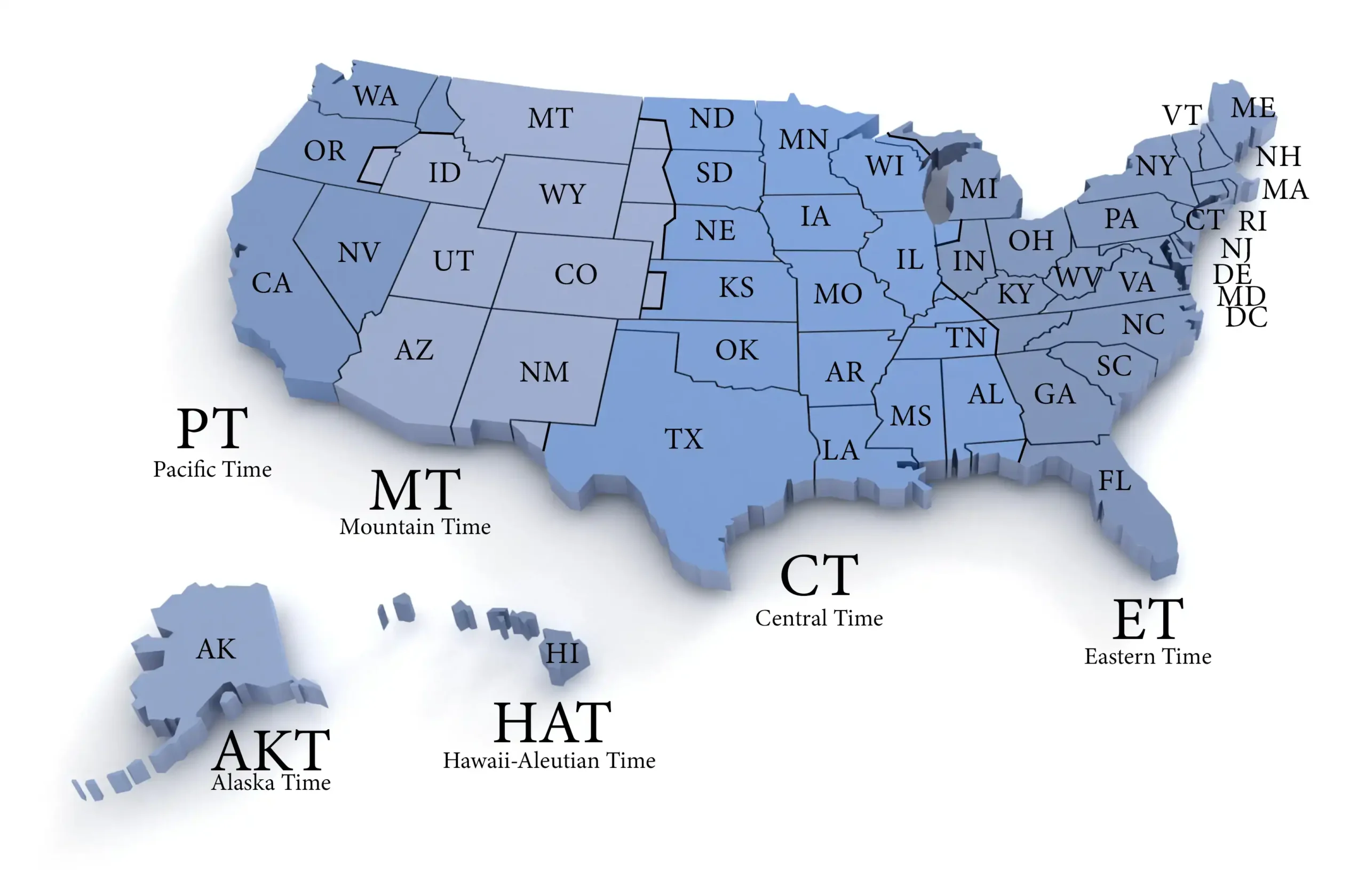
Pacific Time refers to the time zone encompassing the westernmost states of the contiguous United States, parts of Canada, and Mexico. Specifically, California falls squarely within this zone.
- Pacific Standard Time (PST): This is the baseline time, observed during the winter months. It is UTC-8, meaning it is eight hours behind Coordinated Universal Time. When California is on PST, the sun rises and sets earlier than during PDT, aligning with shorter daylight hours. This typically runs from the first Sunday in November until the second Sunday in March.
- Pacific Daylight Time (PDT): This is the time observed during the warmer months, from spring through autumn. It is UTC-7, meaning it is seven hours behind Coordinated Universal Time. The shift to PDT means clocks are moved forward by one hour, effectively “gaining” an hour of daylight in the evening. This is a crucial distinction for travelers planning summer trips, as daylight extends well into the evening, offering more time for outdoor activities and sightseeing. This period usually begins on the second Sunday in March and ends on the first Sunday in November.
The transition between PST and PDT is mandated by Daylight Saving Time. While there have been ongoing discussions and even voter propositions in California to potentially abolish or modify Daylight Saving Time, as of now, the system remains in place. This means that travelers must remain aware of the spring forward and fall back dates when planning trips to California.
The Impact of Daylight Saving on Your Travel Plans
The change to Daylight Saving Time can subtly yet significantly impact your travel experience. When planning your trip to California, especially around the transition dates, it’s wise to double-check the time.
- Spring Forward: Occurring on the second Sunday in March, clocks move forward one hour at 2:00 AM local time. If you arrive on this day, or plan an activity for early morning, be aware that you’ll have one less hour than you might expect. This can affect early flights, hotel check-in times, or tour departures.
- Fall Back: On the first Sunday in November, clocks move back one hour at 2:00 AM local time. This effectively gives you an “extra” hour. While this can be a welcome bonus for sleeping in, it also means that daylight hours will end earlier, potentially curtailing outdoor evening activities.
For those traveling from different time zones, especially international visitors, understanding this shift is even more critical. A flight landing on a Daylight Saving transition day might feel a bit disorienting. Always confirm your arrival time with your booking confirmation and cross-reference it with California’s current time status.
Planning Your California Trip: Time Zone Considerations
Beyond just knowing the current time, integrating time zone awareness into your overall travel planning is a mark of a seasoned traveler. From battling jet lag to optimizing your itinerary, a mindful approach to time can transform your California adventure.
Arrival and Adjusting to California Time
One of the first hurdles many travelers face is adjusting to a new time zone. Jet lag can significantly impact your initial days, affecting energy levels, mood, and appetite. For those arriving in California from the East Coast or international destinations, a significant time difference means your body clock will need to recalibrate.
- Pre-adjustment: If possible, try to shift your sleep schedule slightly a few days before your departure. Moving your bedtime and wake-up time closer to California time can ease the transition.
- Hydration and Light Meals: During your flight, stay well-hydrated and avoid heavy meals, excessive alcohol, or caffeine. These can exacerbate jet lag symptoms.
- Embrace Daylight: Upon arrival, try to get as much natural light exposure as possible, especially in the morning. This helps reset your circadian rhythm. Plan a light walk along the beach in Santa Monica or an early stroll through Balboa Park in San Diego.
- Resist Napping (initially): While tempting, long naps can prolong jet lag. Try to stay awake until a reasonable local bedtime.
- Accommodation Choices: When booking hotels, resorts, or apartments, consider amenities that aid relaxation and sleep. Many luxury hotels, such as The Ritz-Carlton, Laguna Niguel or Hotel del Coronado, offer blackout curtains, comfortable bedding, and quiet environments conducive to recovery from travel fatigue. If you’re staying in a family-friendly resort like those around Disneyland Resort, factor in adjustment time for younger travelers too.
Scheduling Activities and Bookings
Every aspect of your California itinerary, from dining reservations to theme park visits, is governed by the local time.
- Attraction Timings: Major attractions like Disneyland Park, Universal Studios Hollywood, or Alcatraz Island strictly adhere to local operating hours. Always confirm opening and closing times, especially if you’re visiting during shoulder seasons when hours might vary. For popular landmarks like the Golden Gate Bridge or Griffith Observatory, while accessible, their visitor centers or specific programs will have fixed schedules.
- Dining Reservations: California boasts a vibrant culinary scene. From Michelin-starred restaurants in San Francisco to casual eateries in Malibu, making reservations is often essential. Be meticulous about the time zone when booking online, especially if the booking system defaults to your home time zone.
- Transportation: Whether you’re catching a train, a bus, or an internal flight, departure and arrival times are always local. If you’re picking up a rental car, ensure your reservation aligns perfectly with your arrival time to avoid extra charges or missed pick-ups.
- Business Stays: For business travelers, accurate timekeeping is paramount. Conference calls, meetings, and deadlines must all be synchronized with California’s Pacific Time. Many business-oriented hotels in cities like Los Angeles, San Jose, or Sacramento cater to these needs, often providing clocks with multiple time zones.
- Long-term Stays: If you’re considering a long-term stay in one of California’s beautiful regions, perhaps an apartment in San Diego or a villa in Napa Valley, understanding the seasonal time changes becomes part of daily life. This can impact everything from your work schedule to grocery runs and enjoying local culture.
Exploring California’s Diverse Regions
California’s sheer size means it offers an incredible range of destinations and experiences. From bustling metropolises to serene natural wonders, each region has its unique charm and its own set of time-sensitive opportunities.
Southern California Adventures
Southern California is synonymous with sunshine, glamour, and endless entertainment.
- Los Angeles: The sprawling metropolis of Los Angeles is a hub of activity. From walking the Hollywood Walk of Fame to exploring the upscale boutiques of Beverly Hills or catching a show at the Getty Center, your schedule will be packed. Theme parks like Disneyland Resort in Anaheim and Universal Studios Hollywood operate on strict opening and closing times, so arriving early is always recommended, especially during peak PDT season when crowds are larger.
- San Diego: Further south, San Diego offers a more relaxed pace but just as much to see and do. Whether you’re visiting the San Diego Zoo, exploring the historic Gaslamp Quarter, or enjoying the beaches of Coronado, aligning your plans with the local time ensures you don’t miss out. Many boat tours depart from San Diego Bay at specific times, requiring punctuality.
- Palm Springs: For a luxurious desert escape, Palm Springs beckons. Known for its mid-century modern architecture, golf courses, and vibrant nightlife, activities here often revolve around enjoying the cooler morning and evening hours, especially when the sun is high.

Northern California Charms
Journeying north, California presents a different landscape of iconic cities and breathtaking natural beauty.
- San Francisco: The iconic city of San Francisco is a must-visit. From cable car rides to exploring Fisherman’s Wharf and Pier 39, or taking a ferry to Alcatraz Island, scheduling is key. Tickets for popular attractions often sell out weeks or months in advance, requiring pre-booking with keen attention to timed entry slots.
- Wine Country: A short drive north of San Francisco lies the renowned Napa Valley and Sonoma Valley. Wine tasting tours, vineyard visits, and culinary experiences here are typically arranged by appointment, making time zone accuracy essential for a smooth itinerary.
- National Parks: California is home to an impressive collection of national parks, including Yosemite National Park, Death Valley National Park, Joshua Tree National Park, and Redwood National Park. While these natural wonders don’t have strict operating hours like theme parks, hiking trails, visitor centers, and ranger-led programs operate on local time. Furthermore, driving distances within and between these parks can be vast, making efficient time management crucial for enjoying their grandeur.
Maximizing Your California Experience
Ultimately, understanding California’s time zone is about more than just setting your watch; it’s about enriching your travel experience. It allows for better planning, smoother transitions, and a deeper appreciation of all that the state has to offer.
Beyond the Clock: Embracing the Lifestyle
The lifestyle in California is as diverse as its landscapes. From the fast-paced business culture of Silicon Valley to the laid-back surf culture of Santa Cruz or the artistic communities along the Mendocino Coast, time is experienced differently.
- Local Culture: Engage with local culture by participating in timed events. Farmers markets, street festivals, live music venues, and art gallery openings often have specific start and end times. Exploring the food scene in places like Monterey Bay or Santa Barbara means knowing when restaurants open for lunch or dinner service.
- Luxury Travel: For those indulging in luxury travel, such as stays at five-star resorts or exclusive spa treatments, punctuality is expected. Concierge services can often assist with time-sensitive bookings and adjustments.
- Family Trips: When traveling with family, particularly young children, managing time zones is essential for maintaining routines and avoiding overtiredness. Plan activities with built-in flexibility and downtime to account for potential disruptions.
- Budget Travel: Even budget travelers benefit from time awareness. Catching public transport at off-peak hours, arriving early for free attractions, or planning meals around happy hour specials all rely on knowing the correct time.
In conclusion, while the immediate answer to “Is California on Pacific Standard Time?” is often “yes, but it switches,” the deeper implication for travelers is about mindful planning. California is a magnificent destination, offering everything from adrenaline-pumping adventures to serene retreats. By understanding and accounting for its time zone, including the annual shift to Pacific Daylight Time, you can ensure your journey is as smooth, enjoyable, and memorable as possible, allowing you to truly immerse yourself in the wonders of the Golden State.
LifeOutOfTheBox is a participant in the Amazon Services LLC Associates Program, an affiliate advertising program designed to provide a means for sites to earn advertising fees by advertising and linking to Amazon.com. Amazon, the Amazon logo, AmazonSupply, and the AmazonSupply logo are trademarks of Amazon.com, Inc. or its affiliates. As an Amazon Associate we earn affiliate commissions from qualifying purchases.