
The allure of Hawaii is undeniable – a name that conjures images of sun-drenched beaches, lush volcanic landscapes, and the warm embrace of the Aloha Spirit. But for many eager travelers planning their dream escape, a fundamental question often arises: exactly how many islands make up this captivating archipelago? While common knowledge points to a handful of popular destinations, the true answer is far more expansive and fascinating, stretching across a vast oceanic canvas. Understanding the full scope of Hawaii’s islands is key to appreciating its unique geography, rich history, and the diverse experiences it offers, from vibrant city life to secluded natural wonders.
Unraveling the Archipelago: The Official Count
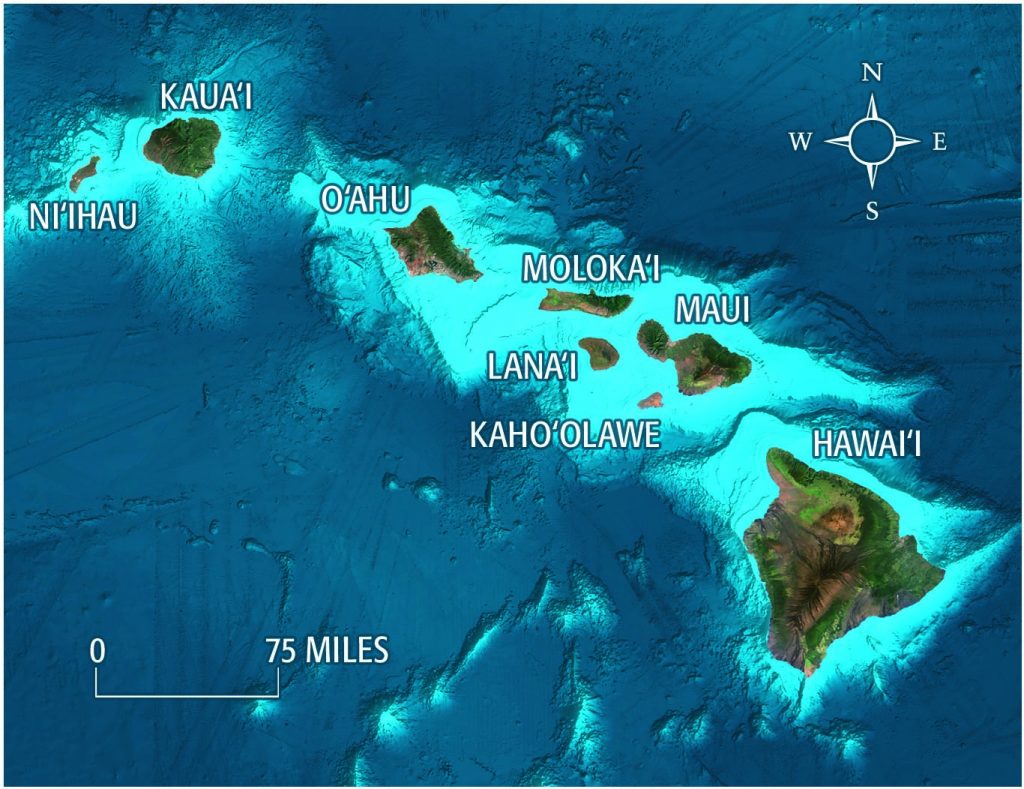
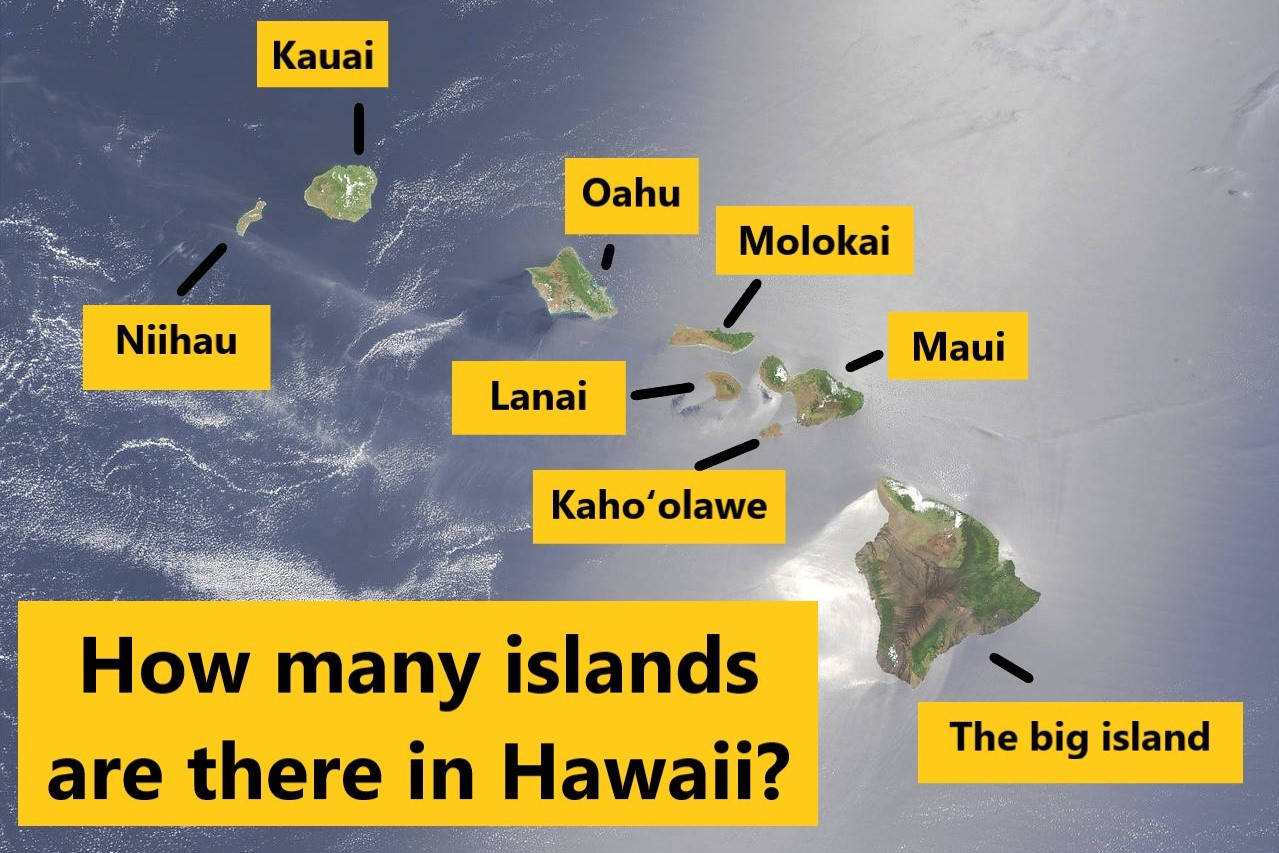
At first glance, one might easily count the eight main islands that most visitors are familiar with. However, the State of Hawaii is, in fact, an extensive chain of islands, islets, and atolls extending over 1,500 miles (2,400 km) in the Central Pacific Ocean. Geologically, it is comprised of 137 islands in total, including small islets, rocks, and reefs. This vast number makes Hawaii one of the most geographically diverse and isolated archipelagos on Earth.
For practical purposes of tourism and residency, the focus typically narrows to the eight major islands located at the southeastern end of the chain. These are, in order from northwest to southeast: Niihau, Kauai, Oahu, Molokai, Lanai, Kahoolawe, Maui, and the Island of Hawaii (often simply called the Big Island). Of these eight, only six are regularly open to tourism, with Niihau being privately owned and largely off-limits, and Kahoolawe being uninhabited and a protected cultural reserve.
Understanding this distinction between the numerous geological formations and the primary visitor destinations is crucial for anyone planning a trip. Each of the accessible major islands boasts its own distinct character, attractions, and opportunities for unforgettable travel experiences, catering to every type of traveler, from luxury seekers to budget adventurers, and from solo explorers to families seeking memorable holidays.
The Main Hawaiian Islands: A Closer Look at the “Big Eight”
The six main islands that form the backbone of Hawaii’s tourism industry offer a spectrum of experiences. While they share the tropical climate and the unique Polynesian heritage, their individual personalities provide distinct flavors for every visitor.
Oahu: The Gathering Place
Often the first stop for most international visitors, Oahu lives up to its nickname, “The Gathering Place.” Home to the vibrant capital city of Honolulu and the world-famous Waikiki Beach, Oahu offers a dynamic blend of urban sophistication and natural beauty. Here, you can surf the legendary waves of the North Shore, hike to the iconic summit of Diamond Head for panoramic views, or delve into history at Pearl Harbor and the USS Arizona Memorial.
Accommodation on Oahu ranges from luxurious resorts like The Royal Hawaiian and Moana Surfrider in Waikiki, offering top-tier amenities and direct beach access, to more budget-friendly hotels and vacation rentals scattered throughout the island. Family trips often find their hub at the Hilton Hawaiian Village Waikiki Beach Resort, known for its sprawling pools and family-centric activities. For those seeking a quieter, more upscale retreat, the Turtle Bay Resort on the North Shore provides stunning oceanfront villas and a serene atmosphere, perfect for a luxury travel experience. Cultural immersion is readily available at the Polynesian Cultural Center, offering a deeper understanding of Pacific island traditions.
Maui: The Valley Isle
Maui, known as “The Valley Isle,” enchants visitors with its breathtaking scenery, world-class beaches, and diverse ecosystems. From the lush rainforests and waterfalls along the famous Road to Hana to the volcanic crater of Haleakala National Park, where sunrise views are legendary, Maui offers an abundance of natural wonders. The historic whaling town of Lahaina provides charming shops and restaurants, while the pristine beaches of Wailea and Ka’anapali are ideal for relaxation and water sports.
Luxury resorts dominate the south and west coasts, with properties like Grand Wailea Resort, Four Seasons Resort Maui at Wailea, and Andaz Maui at Wailea Resort offering opulent suites, infinity pools, and gourmet dining. Budget travel options include apartments and smaller hotels in areas like Kihei. Whale watching tours (seasonal), snorkeling at Molokini Crater, and exploring the Maui Ocean Center are popular activities.
Hawaii (The Big Island): The Orchid Isle
The Island of Hawaii, or the Big Island, lives up to its name, being larger than all other Hawaiian Islands combined. It is a land of dramatic contrasts, home to five volcanoes, including the active Kilauea within Hawaii Volcanoes National Park. Visitors can witness lava flows, explore black sand beaches like Punaluu Beach, and even discover the unique Papakolea Green Sand Beach. From the snow-capped summit of Mauna Kea (home to world-class observatories) to the lush Hilo side with its abundant waterfalls and botanical gardens, the Big Island is an adventurer’s paradise.
Hotels and resorts are concentrated on the drier Kona side, particularly in Kailua-Kona and along the Kohala Coast. Upscale options like the Fairmont Orchid and Mauna Lani, Auberge Resorts Collection provide luxurious stays, while independent villas and long-term stay apartments offer flexibility. Visitors can enjoy snorkeling, diving with manta rays, deep-sea fishing, and exploring coffee plantations. The Kona Kai Resort & Spa is a popular choice for those seeking beachfront relaxation coupled with wellness activities.
Kauai: The Garden Isle
Known as “The Garden Isle,” Kauai is a verdant paradise characterized by dramatic cliffs, cascading waterfalls, and lush rainforests. The iconic Na Pali Coast is a sight to behold, best experienced by boat tour, helicopter, or a challenging hike. Inland, the vast Waimea Canyon, often called the “Grand Canyon of the Pacific,” offers breathtaking vistas. Kauai is the ideal destination for nature lovers, hikers, and those seeking a tranquil escape.
Accommodation options range from family-friendly resorts in Poipu to charming boutique hotels and secluded vacation rentals in areas like Princeville. Garden Isle Retreats often cater to those seeking a blend of comfort and immersion in nature. Surfing lessons, zip-lining, kayaking on the Wailua River, and exploring botanical gardens are among the many popular activities.
Lanai: The Pineapple Isle
Once a pineapple plantation island, Lanai has transformed into a tranquil luxury retreat. With only two main resorts – both Four Seasons properties – it offers an exclusive experience for those seeking serenity and pristine natural beauty. Visitors can explore rugged off-road trails, visit the unique Lanai Cat Sanctuary, or simply relax on secluded beaches. Lanai is perfect for a romantic getaway or a high-end, peaceful escape.
Molokai: The Friendly Isle
Molokai remains true to its nickname, “The Friendly Isle,” offering a glimpse into old Hawaii. With no traffic lights and few commercial developments, it’s a place where Hawaiian traditions are deeply rooted. Visitors can explore the remote Kalaupapa National Historical Park, visit ancient fishponds, or simply enjoy the unhurried pace of island life. Accommodation is limited to smaller hotels, condos, and vacation rentals, emphasizing a more authentic and less commercialized experience.
Beyond the Beaten Path: The Northwestern Hawaiian Islands
While the focus for tourism remains on the main eight islands, it’s important to acknowledge the vast expanse of the Northwestern Hawaiian Islands (NWHI). This string of small islands, atolls, and shoals extends northwest from Niihau for over 1,000 nautical miles, culminating in Kure Atoll. These islands are largely uninhabited by humans and are protected as part of the Papahanaumokuakea Marine National Monument, one of the largest marine conservation areas in the world.
The NWHI are critical habitats for a diverse array of marine life, including endangered Hawaiian monk seals, green sea turtles, and millions of seabirds. Midway Atoll, famous for its pivotal role in World War II, is also part of this chain. Access to these islands is severely restricted and primarily for scientific research and conservation efforts, preserving their pristine ecosystems for future generations. For the intrepid traveler, specialized ecological tours might offer a glimpse, but these are rare and meticulously regulated, falling outside the typical tourism framework.
Planning Your Hawaiian Escape: Travel Tips and Experiences
Embarking on a Hawaiian adventure requires careful planning to maximize your experience. Given the diversity of the islands, choosing the right destination(s) is paramount. Many first-time visitors opt for island hopping between Oahu (for culture and city life) and Maui (for natural beauty and luxury), or Oahu and Kauai (for hiking and lush landscapes). The Big Island is often a standalone trip due to its size and unique volcanic attractions.
When considering accommodation, the options are vast. From luxury suites and expansive resorts like The Ritz-Carlton Kapalua to intimate boutique hotels and vacation apartments, there’s something for every preference and budget. Booking in advance is highly recommended, especially during peak seasons, to secure the best rates and desired amenities. For long-term stays, particularly popular among remote workers or students attending institutions like Hawaii Pacific University, options like fully furnished villas or serviced apartments can offer a home-away-from-home experience. Always check reviews and compare options to find the perfect fit.
Beyond hotels, consider experiences that align with the island’s local culture and natural environment. Enjoy traditional luau feasts, learn to surf where Duke Kahanamoku pioneered the sport, or explore the rich historical landmarks. Culinary exploration is a must, from sampling fresh poke to enjoying farm-to-table dining. Activities range from serene beach days and snorkeling in protected bays like Hanauma Bay to adventurous hikes, helicopter tours, and even stargazing on Mauna Kea.
For families, many resorts, such as Hyatt Regency Maui Resort and Spa, offer kids’ clubs and family-friendly activities. Budget travelers can find savings by opting for hostels, camping (where permitted), and self-catering accommodations like Aloha Beachfront Villas which might offer better value for group bookings. Regardless of your travel style, the key is to embrace the laid-back rhythm of island life and immerse yourself in the natural beauty and warm hospitality that makes Hawaii truly special.
In conclusion, while the precise count of Hawaiian islands stretches into the hundreds, it is the eight major islands – and especially the six accessible ones – that define the core of a Hawaiian vacation. Each offers a unique window into this Pacific paradise, promising diverse attractions, unparalleled natural beauty, and a chance to experience the genuine spirit of aloha. Whether you seek vibrant city energy, tranquil luxury, or rugged adventure, the islands of Hawaii collectively present an unforgettable journey.
LifeOutOfTheBox is a participant in the Amazon Services LLC Associates Program, an affiliate advertising program designed to provide a means for sites to earn advertising fees by advertising and linking to Amazon.com. Amazon, the Amazon logo, AmazonSupply, and the AmazonSupply logo are trademarks of Amazon.com, Inc. or its affiliates. As an Amazon Associate we earn affiliate commissions from qualifying purchases.