
Planning a trip to Jacksonville, Florida, whether for a serene beach getaway, an adventurous urban exploration, or a bustling business stay, invariably brings one crucial question to the forefront: what’s the weather like? As a vibrant city nestled in Northeast Florida, Jacksonville boasts a humid subtropical climate, characterized by long, hot, and humid summers, and short, mild, often dry winters. Understanding these climatic nuances is key to maximizing your travel experience, ensuring you pack appropriately, plan activities wisely, and fully embrace the unique charm of this expansive riverside city.
From its pristine beaches stretching along the Atlantic Ocean to its lively downtown core bisected by the majestic St. Johns River, Jacksonville’s weather significantly influences everything from outdoor adventures to the comfort of your chosen accommodation. Whether you’re considering a stay in a luxurious resort, a cozy apartment, or a family-friendly hotel, the climate plays a pivotal role in dictating the best time for your visit and the types of activities you’ll enjoy most. This comprehensive guide will delve into Jacksonville’s seasonal weather patterns, offering insights into what to expect throughout the year and how to make the most of your time in this captivating destination.
Understanding Jacksonville’s Climate: A Year-Round Guide
Jacksonville’s weather is a defining characteristic of its appeal, offering diverse conditions that cater to different travel preferences. Its location in the southeastern United States places it firmly within a humid subtropical zone, where sunshine is abundant, but humidity can be a constant companion, especially during the warmer months.
The Subtropical Charm of Northeast Florida
The subtropical climate of Jacksonville is largely influenced by its proximity to the Atlantic Ocean and the expansive St. Johns River. These large bodies of water moderate temperatures, keeping them generally warmer in winter and providing a refreshing sea breeze in summer. However, they also contribute to the high humidity levels that are a hallmark of the region. This climate fosters lush greenery, vibrant flora, and a rich ecosystem, which you can explore at natural attractions like the Timucuan Ecological and Historic Preserve or the Jacksonville Zoo and Gardens. Understanding this basic climatic framework is crucial for anyone planning to immerse themselves in the local culture, explore famous landmarks, or simply relax on one of the area’s beautiful beaches.
Average Temperatures and Precipitation Patterns
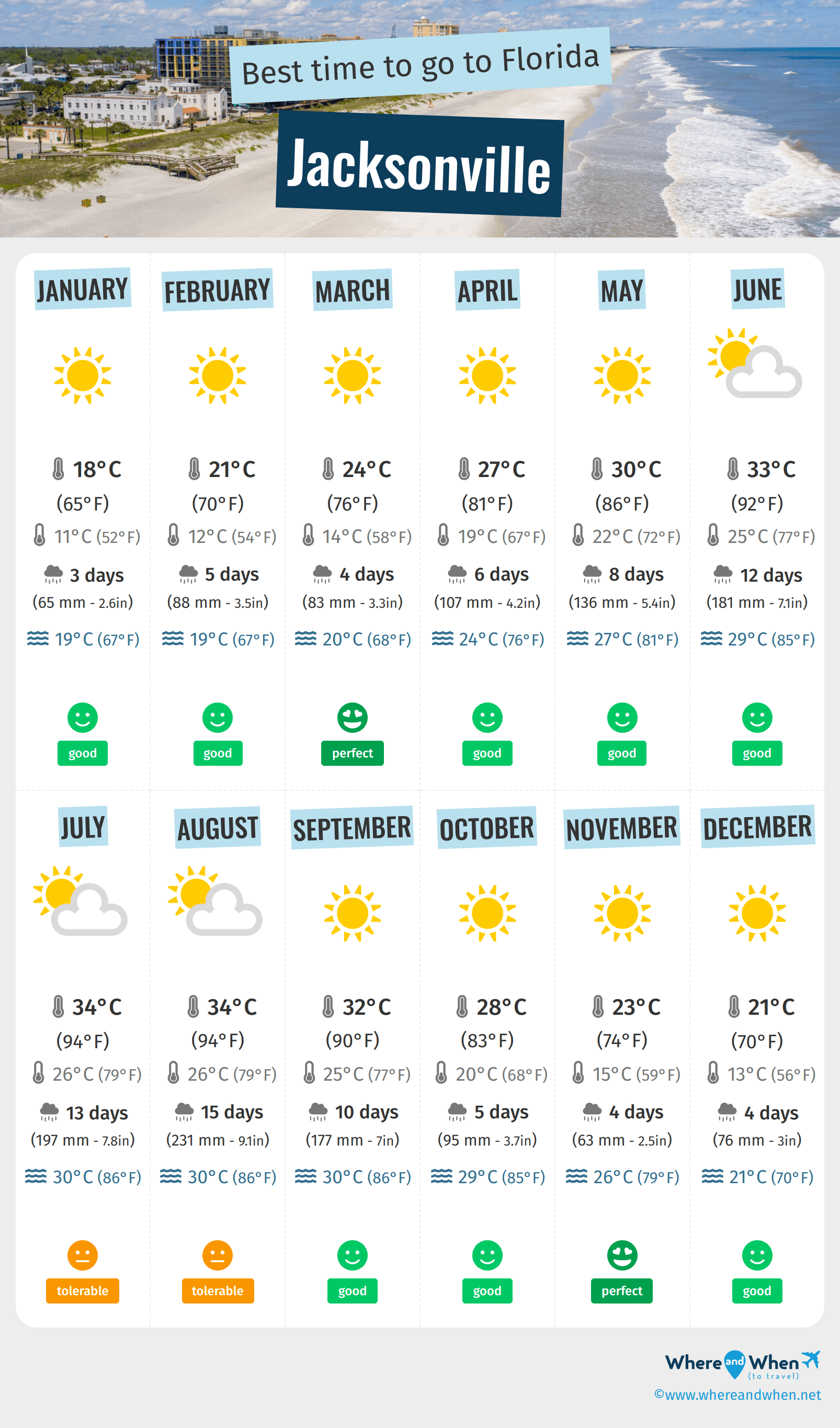
Throughout the year, Jacksonville experiences a wide range of temperatures and precipitation. Summers are typically hot, with average daily highs often soaring into the low 90s Fahrenheit (around 32-34°C) and overnight lows staying in the mid-70s Fahrenheit (around 24-26°C). Coupled with high humidity, the “feels like” temperature can often be even higher. This season also sees the highest rainfall, with frequent afternoon thunderstorms providing temporary relief from the heat. These storms, while often brief, can be intense, bringing heavy downpours and lightning.
Winters, in contrast, are remarkably mild and pleasant. Average daily highs usually hover in the 60s Fahrenheit (around 15-20°C), with nighttime lows dipping into the 40s Fahrenheit (around 4-9°C). Freezing temperatures are rare but not unheard of, typically occurring only for short durations. Winter is also the driest season, offering plenty of clear, sunny days perfect for outdoor activities without the oppressive humidity of summer. Spring and autumn serve as delightful transitional periods, offering comfortable temperatures and moderate rainfall, making them highly sought-after times for tourism.
Seasonal Deep Dive: Planning Your Jacksonville Adventure
Each season in Jacksonville presents a distinct atmosphere and set of weather conditions, influencing the best activities, packing choices, and overall travel experience.
Summer (June-August): Sun, Humidity, and Afternoon Showers
Summer in Jacksonville is synonymous with heat and humidity. Daily temperatures consistently exceed 90°F (32°C), and the air often feels thick with moisture. This is peak beach season, with locals and tourists flocking to Jacksonville Beach, Neptune Beach, and Ponte Vedra Beach to cool off in the Atlantic Ocean. The vibrant energy of the beaches, coupled with water sports and beachfront dining, makes it a lively time to visit. However, afternoon thunderstorms are a daily occurrence, typically rolling in quickly, dropping heavy rain, and then clearing to reveal sunny skies once more. These short, intense downpours often necessitate flexible planning, allowing for indoor activities such as visiting the Museum of Science & History (MOSH) or the Cummer Museum of Art & Gardens during rain spells. This period also coincides with hurricane season, which officially runs from June 1st to November 30th, with the highest activity typically between August and October. While direct hits are infrequent, travelers should monitor forecasts closely.
Autumn (September-November): The Golden Season
As summer’s intense heat begins to recede, autumn ushers in one of the most pleasant times to visit Jacksonville. While September can still feel quite summery, with lingering heat and hurricane risk, October and November bring progressively cooler temperatures, lower humidity, and abundant sunshine. Daytime highs range from the high 70s to low 80s Fahrenheit (25-29°C), with comfortable evenings. This makes autumn ideal for exploring Jacksonville’s diverse outdoor attractions, such as hiking trails in the Timucuan Ecological and Historic Preserve or enjoying a leisurely stroll along the Southbank Riverwalk. Many local festivals and events also take advantage of the milder weather, offering a chance to experience Jacksonville’s local culture and culinary scene without the intense summer heat. While hurricane season technically continues through November, the threat typically diminishes significantly by late October.
Winter (December-February): Mild Escapes and Outdoor Delights
Winter in Jacksonville is a delightful escape for those fleeing colder climates. The weather is generally mild and dry, with average high temperatures in the 60s Fahrenheit (15-20°C) and infrequent dips below freezing overnight. This season offers a refreshing contrast to the humid summers, with crisp air and plenty of sunshine. It’s an excellent time for outdoor activities that might be too strenuous in the summer heat, such as golfing, cycling, or exploring the historical sites like Fort Caroline National Memorial. Winter also sees fewer crowds compared to the peak summer and spring breaks, potentially offering better rates on accommodation and a more relaxed atmosphere. While evenings can be cool, requiring a light jacket or sweater, days are often comfortable enough for T-shirts. Rain is minimal, making it a reliable season for consistent outdoor enjoyment.
Spring (March-May): Blooming Beauty and Perfect Conditions
Spring is arguably the most idyllic time to visit Jacksonville. The weather is consistently warm but not yet hot, with low humidity and ample sunshine. Daytime temperatures range from the mid-70s to mid-80s Fahrenheit (23-29°C), and evenings are pleasantly mild. The city and its surrounding natural areas burst into bloom, adding vibrant colors to the landscape. This season is perfect for all types of outdoor activities, from beach relaxation and watersports to exploring parks, gardens, and outdoor markets like the Riverside Arts Market. It’s a popular time for tourism, so booking accommodation and attractions in advance is advisable, especially around spring break periods. The risk of severe weather is low, with comfortable conditions prevailing throughout the season, making it ideal for family trips, romantic getaways, or solo adventures.
Weather-Wise Travel Tips and Activities in Jacksonville
Regardless of when you plan your visit, a little preparation can go a long way in ensuring a comfortable and enjoyable experience in Jacksonville.
Packing Essentials for Every Season
- Summer: Lightweight, breathable clothing (cotton, linen), swimwear, wide-brimmed hat, sunglasses, plenty of sunscreen, insect repellent (especially for evenings and natural areas), and an umbrella or light rain jacket for afternoon showers. Hydration is key, so bring a reusable water bottle.
- Autumn: Layers are your best friend. Light long-sleeved shirts, sweaters or light jackets for cooler evenings, comfortable walking shoes for outdoor exploration, and still some sun protection for daytime.
- Winter: Mostly light layers. Jeans, long-sleeved shirts, and a medium-weight jacket or sweater for mornings and evenings. You might still enjoy warm days in a T-shirt.
- Spring: Similar to autumn, with versatile layers. Light jackets for evenings, comfortable shoes, and plenty of options for enjoying the blooming outdoors. Don’t forget sunscreen and sunglasses.
Embracing Jacksonville’s Diverse Attractions, Rain or Shine
Jacksonville’s diverse array of attractions means there’s always something to do, regardless of the weather.
- Beach Days: The city’s stunning coastline, including Jacksonville Beach, Neptune Beach, and Ponte Vedra Beach, is perfect for swimming, surfing, sunbathing, or simply strolling along the shore, especially from late spring through early autumn.
- River Activities: The St. Johns River offers opportunities for kayaking, paddleboarding, fishing, and scenic boat tours. The Southbank Riverwalk provides fantastic views of the city skyline.
- Cultural Exploration: On hotter days or during rain, explore Jacksonville’s rich cultural scene. Visit the Cummer Museum of Art & Gardens, home to thousands of artworks and historic gardens, or immerse yourself in science and history at the Museum of Science & History (MOSH).
- Nature and Wildlife: The Jacksonville Zoo and Gardens is a fantastic year-round destination. For a dose of natural Florida wilderness, the Timucuan Ecological and Historic Preserve offers trails and historical sites like Fort Caroline National Memorial that are best enjoyed in cooler weather.
- Sports and Entertainment: Catch a Jacksonville Jaguars game at EverBank Stadium (formerly TIAA Bank Field) in the fall and winter, or attend one of the many concerts and events held throughout the year.
Navigating Hurricane Season and Staying Informed
While Jacksonville is less prone to direct hurricane impacts than some other parts of Florida, it is still within the Atlantic Ocean hurricane belt. Hurricane season officially runs from June 1st to November 30th. Travelers visiting during this period should stay informed by monitoring local weather forecasts from reliable sources like the National Weather Service or the U.S. National Hurricane Center. Many hotels and airlines offer flexible booking policies during hurricane season, which is worth inquiring about. Having travel insurance that covers weather-related disruptions is also a prudent decision for peace of mind.
Accommodation and Lifestyle Considerations
The weather in Jacksonville inevitably shapes both accommodation choices and the local lifestyle, influencing everything from urban planning to daily routines.
Choosing Your Stay: Comfort in Every Season
When selecting your accommodation in Jacksonville, the local climate should be a significant factor. During the hot and humid summer months, ensuring your hotel, resort, apartment, or villa has robust air conditioning is paramount for comfort. Properties with pools or beachfront access are particularly desirable for cooling off. For those seeking luxury travel experiences, many upscale resorts offer refreshing amenities like private pools, spa services, and climate-controlled indoor spaces that provide a sanctuary from the heat. Conversely, during the milder winter and spring, properties with outdoor seating areas, balconies, or easy access to walking paths become highly appealing for enjoying the comfortable weather. When considering a long-term stay, proximity to parks or the riverfront for outdoor activities during pleasant weather becomes a key consideration. Budget travelers might find better deals in the off-peak seasons (winter, excluding holidays), but should still prioritize amenities like air conditioning in summer.

The Local Lifestyle: Adapting to the Climate
The residents of Jacksonville have a lifestyle deeply attuned to their subtropical climate. Outdoor living is central to the city’s appeal, with year-round access to beaches, parks, and waterways. Mornings are often the preferred time for outdoor exercise during summer, before the heat becomes too intense. Afternoons are frequently spent indoors or by the water, followed by cooler evenings perfect for dining al fresco. The local culinary scene also reflects the climate, with an emphasis on fresh, seasonal ingredients and refreshing beverages. Festivals and community events are often scheduled during the more temperate spring and autumn months, maximizing participation and enjoyment. From casual family trips to sophisticated business stays, understanding and embracing the local adaptation to the weather will enhance any visitor’s experience, allowing them to truly live like a local and discover the unique rhythms of Jacksonville.
In conclusion, Jacksonville, Florida, offers a diverse weather experience throughout the year, from the vibrant, humid summers perfect for beach lovers to the mild, pleasant winters ideal for outdoor exploration. By understanding its humid subtropical climate, seasonal variations, and potential weather considerations, travelers can plan an unforgettable trip. Whether you’re drawn by the allure of its beaches, the history of its landmarks, or the energy of its urban life, Jacksonville’s weather, with a little preparation, can always contribute positively to your Florida adventure.
LifeOutOfTheBox is a participant in the Amazon Services LLC Associates Program, an affiliate advertising program designed to provide a means for sites to earn advertising fees by advertising and linking to Amazon.com. Amazon, the Amazon logo, AmazonSupply, and the AmazonSupply logo are trademarks of Amazon.com, Inc. or its affiliates. As an Amazon Associate we earn affiliate commissions from qualifying purchases.