
The rugged coast of Maine, stretching over 3,500 miles including its numerous islands and deeply indented bays, is a mariner’s dream and, historically, a navigational challenge. For centuries, these shores have been guarded by a network of lighthouses, each with its own story, architectural charm, and vital role in guiding ships through treacherous waters. The exact number of lighthouses can sometimes be a point of debate, depending on how one counts active, inactive, private, or state-owned structures. However, when considering the significant, historically recognized lighthouses that dot its majestic coastline, Maine is famously home to 65 lighthouses. These beacons are not merely navigational aids; they are iconic landmarks, symbols of maritime heritage, and powerful draws for tourism, offering breathtaking views, fascinating history, and a glimpse into a bygone era of sea travel.
From the picturesque shores of Southern Maine to the wild, untamed beauty of Down East Maine, each lighthouse offers a unique experience, inviting travelers to explore its surroundings, delve into local culture, and appreciate the enduring spirit of the Pine Tree State. This article will guide you through the luminous legacy of Maine’s lighthouses, exploring some of its most famous beacons, offering travel tips, and suggesting how to make the most of your coastal adventure, integrating aspects of travel, accommodation, tourism, landmarks, and lifestyle that make a visit to Maine truly unforgettable.
The Luminous Legacy of Maine’s Coastline
Maine’s lighthouses stand as stoic sentinels against the backdrop of the powerful Atlantic Ocean, each one a testament to human ingenuity and resilience. Built to withstand fierce storms and guide sailors safely home, these structures have become much more than just navigation tools. They represent the soul of Maine’s maritime heritage, attracting millions of visitors annually. The state’s dedication to preserving these landmarks ensures that their stories continue to be told, connecting present generations to the past.
The allure of Maine’s lighthouses for tourism is undeniable. Travelers from across the United States and beyond flock to witness their beauty, explore the surrounding natural landscapes, and immerse themselves in the rich history associated with each beacon. Many lighthouses are now open to the public, offering museum exhibits, gift shops, and even the opportunity to climb to the top for panoramic views of the coastline. This integration of historical preservation with modern tourism creates unique experiences that cater to a wide range of interests, from history buffs and photography enthusiasts to families seeking an educational adventure. The rugged charm of Maine’s coast, combined with the iconic presence of its lighthouses, makes for an unparalleled travel destination, deeply rooted in local culture and natural splendor.
A Journey Through Maine’s Iconic Lighthouses
Embarking on a lighthouse tour in Maine is an unforgettable experience, offering a blend of natural beauty, architectural marvels, and captivating history. Each region of Maine presents a distinct flavor, and its lighthouses reflect that diversity, from easily accessible, postcard-perfect scenes to remote outposts requiring a bit more effort to reach.
Southern Maine’s Maritime Gems
The southern coast of Maine is famous for its sandy beaches, charming towns, and some of the most photographed lighthouses in the world. This region serves as an excellent starting point for any lighthouse tour, offering convenient access and a wealth of nearby attractions and accommodations.
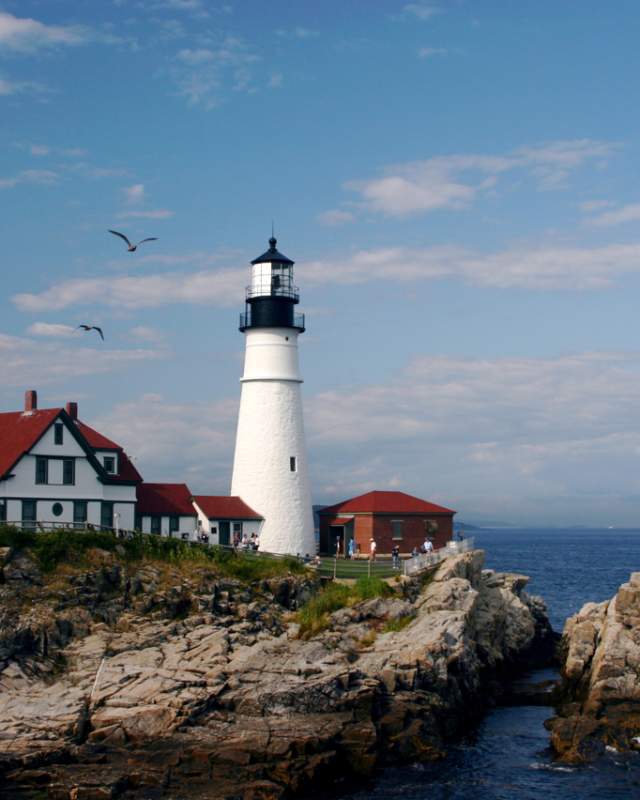
The undisputed star of Maine’s lighthouse constellation is the Portland Head Light in Cape Elizabeth. Commissioned by George Washington in 1791, it is Maine’s oldest lighthouse and arguably its most picturesque. Standing majestically at the entrance to Portland Harbor within Fort Williams Park, its white tower against the dramatic cliffs and crashing waves is a sight to behold. Visitors can explore the park’s scenic walking trails, visit the museum located in the former keeper’s house, and enjoy the stunning ocean vistas. Accommodation options range from luxury hotels in nearby Portland like The Press Hotel to cozy bed and breakfasts, offering diverse choices for every budget and lifestyle. The vibrant culinary scene in Portland, with its award-winning restaurants, adds another layer of appeal to a visit here, making it a perfect destination for foodies and culture seekers alike.
Further south, perched on a tiny island off the coast of York Beach, is Cape Neddick Light, affectionately known as Nubble Light. This iconic lighthouse, built in 1879, is famous for its distinctive red roof and Victorian keeper’s house. While visitors cannot access the island, the view from Sohier Park is spectacular, especially at sunrise or sunset. The surrounding towns of York, Ogunquit, and Kennebunkport offer charming boutiques, art galleries, and diverse accommodation options, from quaint inns to expansive resorts, making them ideal bases for exploring the southern coast. Tourism here thrives on a blend of beach activities, fine dining, and historical exploration, appealing to families and couples seeking both relaxation and adventure.
Midcoast Maine: Rugged Beauty and Historic Beacons
Traveling north into Midcoast Maine reveals a different kind of beauty: a more rugged landscape characterized by rocky shores, deep harbors, and a seafaring culture that remains vibrantly alive. This region is home to several other notable lighthouses, each with its own story and distinctive character.
One of the most photographed lighthouses in Midcoast Maine is the Pemaquid Point Light in Bristol. Built in 1835, its white pyramidal tower stands atop a dramatic rocky promontory of stratified rock, making it a favorite spot for artists and photographers. The keeper’s house hosts a museum, and visitors can climb the tower during open hours. The surrounding Pemaquid Point Park offers stunning views of Muscongus Bay and opportunities for tide pooling. Nearby towns like Boothbay Harbor are quintessential Maine villages, offering charming shops, fresh seafood restaurants, and a wide array of hotels and vacation rentals, catering to all types of travelers, from those seeking luxury travel experiences to budget-conscious families.
Further along the coast, near the bustling city of Rockland, stands the unique Rockland Breakwater Light. To reach this lighthouse, visitors must embark on a scenic 7/8-mile walk along a granite breakwater that extends into Penobscot Bay. The walk itself is an experience, offering views of sailboats and seals, culminating in the charming light station at the end. Rockland itself is a hub of arts and culture, boasting renowned museums and galleries, and excellent dining options. The nearby town of Camden, with its picturesque harbor and majestic mountains, provides upscale accommodations and a vibrant tourism scene, making it a perfect base for exploring this part of Maine. The Samoset Resort in Rockport, close to Rockland and Camden, offers luxury stays with amenities like golf courses and spas, appealing to those seeking a refined travel lifestyle.
Another gem in the Midcoast region is Owl’s Head Light, located in Owls Head State Park. This small but picturesque lighthouse, perched high on a rocky bluff, offers incredible views of Penobscot Bay and its islands. Its compact size and classic design make it a favorite for photography, and the park itself provides peaceful trails and picnic spots.
Finally, the Marshall Point Light in Port Clyde gained international fame as the lighthouse Forrest Gump reached at the end of his cross-country run. Its iconic wooden walkway leading to the white tower makes for a stunning visual. The small fishing village of Port Clyde offers a quiet, authentic Maine experience, with opportunities for boat trips to nearby islands.
Down East and Acadia: Where Land Meets Sea
Venturing further east, Down East Maine unveils a wilder, more remote landscape, culminating in the stunning beauty of Acadia National Park and the easternmost point of the United States. This region offers a rugged charm and a deeper connection to nature, with lighthouses often situated in dramatic, untouched settings.
Within Acadia National Park on Mount Desert Island, stands the iconic Bass Harbor Head Light. Built into a rugged granite foundation, this lighthouse offers breathtaking views of the Atlantic Ocean and the surrounding islands. The short, winding path to the viewing areas requires careful navigation but rewards visitors with spectacular vistas, especially at sunset. The nearby town of Bar Harbor serves as the primary gateway to Acadia, offering a wide range of accommodation, from luxury hotels and resorts like The Claremont Hotel to charming inns and budget-friendly motels. Bar Harbor is also a hub for outdoor activities, including hiking, kayaking, and whale watching, making it an ideal destination for adventure tourism and family trips. The more secluded Schoodic Peninsula section of Acadia also offers rugged beauty and a quieter experience for those seeking tranquility.
At the very eastern edge of the United States, in the town of Lubec, is the distinctive West Quoddy Head Light. Famous for its candy-striped red and white tower, this lighthouse marks the easternmost point of land in the United States. Visitors can explore the interpretive trails within Quoddy Head State Park, offering dramatic cliffside views and opportunities for whale watching. The remote location provides a true sense of adventure and a chance to experience Maine’s wild side. Lubec and nearby Eastport offer more rustic accommodation and a chance to immerse oneself in the authentic local culture of Down East Maine, including its famous seafood and friendly communities. This area is perfect for those who appreciate rugged nature and a tranquil lifestyle.
Planning Your Maine Lighthouse Adventure
Visiting Maine’s lighthouses requires a bit of planning to ensure a smooth and enjoyable trip. Given the geographic spread of these beacons, a well-thought-out itinerary can greatly enhance your travel experience.
Essential Travel Tips and Accommodation
The best time to visit Maine for lighthouse viewing is typically from late spring through early autumn (May to October). During these months, the weather is generally pleasant, and all attractions, including lighthouse museums and tours, are fully operational. Summer (July and August) is peak season, offering warm weather but also larger crowds and higher accommodation prices. Shoulder seasons (May-June and September-October) provide a more serene experience with beautiful foliage in the fall and vibrant spring blooms, often accompanied by better deals on hotels and other accommodations.
Accommodation in Maine is as varied as its landscape. From luxurious resorts like the Cliff House Maine in Ogunquit or the White Barn Inn in Kennebunk to charming boutique hotels, cozy bed and breakfasts, and family-friendly motels, there’s something for every preference and budget. For those seeking more independence, vacation rentals, including cottages and apartments, are widely available, especially in popular coastal towns. Booking in advance, particularly for peak season travel or popular destinations like Acadia National Park and Bar Harbor, is highly recommended to secure your preferred lodging and potentially benefit from early bird rates. Websites specializing in accommodation booking, comparisons, and reviews can be invaluable resources.
Beyond the lighthouses themselves, immersing yourself in Maine’s local culture is a must. Savor fresh lobster, explore charming fishing villages, and engage with the friendly locals. Many towns offer unique activities, from sailing excursions in Casco Bay to browsing art galleries in Rockland or enjoying craft breweries in Portland.
Beyond the Beacons: Enriching Your Maine Experience
While lighthouses are undoubtedly a highlight, Maine offers a wealth of other attractions and activities that can enrich your trip. Consider incorporating hiking in Acadia National Park, whale watching tours from Bar Harbor or Boothbay Harbor, or exploring the vibrant arts scene in Portland. The state’s natural beauty provides ample opportunities for outdoor adventures, from kayaking and biking to simply enjoying the scenic drives along Route 1.
For families, many lighthouses offer accessible paths and educational experiences, making them suitable for all ages. Budget travel options are available, especially outside of peak season, with plenty of campgrounds, smaller motels, and free natural attractions. Those seeking a luxury travel experience can find high-end resorts and fine dining throughout the state, particularly in areas like Kennebunkport and Camden. Regardless of your travel style, Maine’s diverse offerings ensure a memorable trip that extends far beyond just visiting its lighthouses.

The Enduring Charm of Maine’s Lighthouses
In conclusion, Maine is home to a remarkable 65 lighthouses, each standing as a beacon of history, a marvel of architecture, and an emblem of the state’s profound connection to the sea. These iconic landmarks offer more than just a destination; they provide a journey into New England‘s maritime soul, a chance to witness breathtaking natural beauty, and an opportunity to create lasting memories. From the historic shores of Portland Head Light to the easternmost sentinel of West Quoddy Head Light, each lighthouse tells a unique story, inviting visitors to explore, learn, and be inspired.
A trip to Maine centered around its lighthouses is a comprehensive travel experience, blending the excitement of discovery with the comfort of diverse accommodations, the richness of local tourism, and the fulfillment of a cherished lifestyle pursuit. Whether you’re a history enthusiast, a nature lover, a family on vacation, or a solo adventurer, Maine’s lighthouses promise an enchanting escape, solidifying their place not just as navigational aids, but as treasured landmarks that define the spirit of this magnificent coastal state.
LifeOutOfTheBox is a participant in the Amazon Services LLC Associates Program, an affiliate advertising program designed to provide a means for sites to earn advertising fees by advertising and linking to Amazon.com. Amazon, the Amazon logo, AmazonSupply, and the AmazonSupply logo are trademarks of Amazon.com, Inc. or its affiliates. As an Amazon Associate we earn affiliate commissions from qualifying purchases.