
Navigating the intricacies of vehicle ownership can sometimes feel like a journey in itself, and understanding the costs associated with it is paramount, whether you’re a long-time resident or contemplating a move to the Lone Star State. For anyone planning to explore the vast landscapes, vibrant cities, and unique cultural experiences that Texas has to offer, a properly registered vehicle isn’t just a legal requirement – it’s your key to unlocking unforgettable travel adventures and a truly independent lifestyle. From the bustling streets of Houston to the artistic vibe of Austin, and from the historic charm of San Antonio to the sandy shores of Galveston, having your vehicle in compliance ensures peace of mind as you traverse this diverse state. This comprehensive guide will break down the costs and factors involved in vehicle registration in Texas, providing clarity for travelers, residents, and anyone looking to make the most of their time on Texas roads.
Understanding the Core Costs of Texas Vehicle Registration
At its heart, Texas vehicle registration is a straightforward process, but several components contribute to the final amount you’ll pay. These fees are designed to maintain the state’s extensive road network, support various public services, and ensure vehicles on the road meet basic safety and environmental standards. Budgeting for these annual expenses is a critical part of financial planning for any vehicle owner, especially for those who rely on personal transport for daily commutes, weekend getaways, or cross-state travel.
The Base Registration Fee
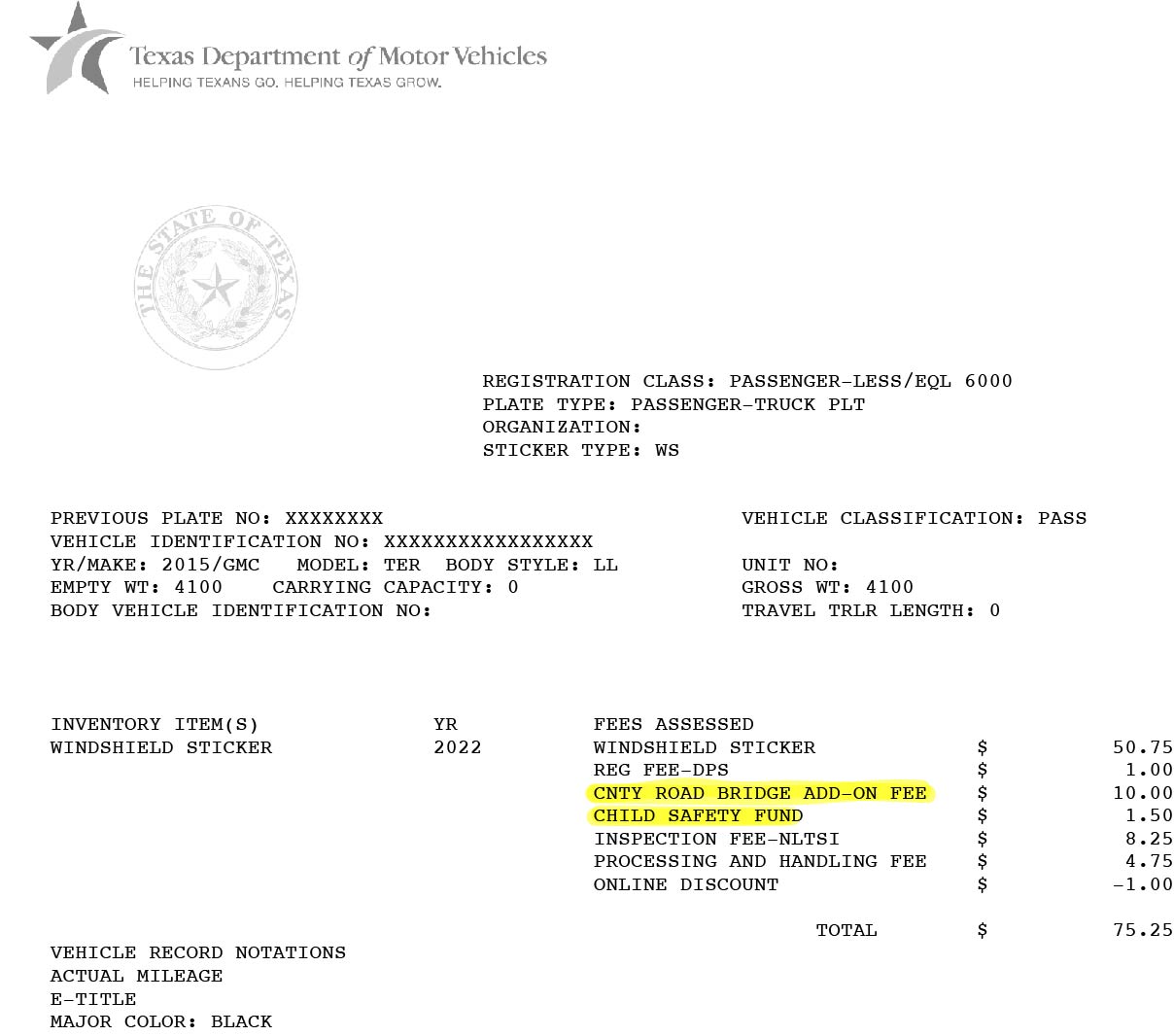
The most significant and consistent portion of your registration cost is the statewide base fee. For most standard passenger vehicles, this fee is set at a manageable $50.75. This amount is allocated towards the state’s general revenue and, more specifically, to the highway fund, which is crucial for the construction, maintenance, and improvement of Texas’s extensive road infrastructure. This foundational fee ensures that the roads you travel on, whether exploring the urban sprawl of Dallas or navigating the scenic routes of the Texas Hill Country, are well-maintained and safe for all drivers.
County-Specific Road and Bridge Fees
Beyond the statewide fee, many counties in Texas implement an additional Road and Bridge Fee. This fee, typically either $10 or $20, is an optional charge levied by county commissioners to fund local road and bridge projects. The exact amount you pay will depend on where your vehicle is registered. For instance, a vehicle registered in one county might incur an extra $10, while another in an adjacent county might pay $20, or even nothing at all if that county opts out. This localized funding mechanism means that your total registration cost can vary slightly depending on your specific residence within Texas. It’s a testament to the decentralized approach Texas takes to local governance, allowing communities to address their unique infrastructure needs.

Inspection Requirements and Costs
Before you can renew your vehicle registration, your car must pass an annual safety inspection. In many urban areas and counties with air quality concerns, an emissions inspection is also mandatory. This two-step process ensures that vehicles operating on Texas roads are safe and environmentally compliant. The cost for a safety inspection is typically around $7.00, while an emissions inspection, if required, adds approximately $18.50, bringing the total for a combined inspection to about $25.50. This inspection fee is paid directly to the inspection station and is separate from your registration renewal payment, though proof of a valid inspection is required to complete your registration. This system underpins the state’s commitment to road safety and environmental stewardship, directly impacting the overall quality of life and tourism appeal of areas like Austin and Houston, where air quality is a significant consideration.
Local Optional Fees
In certain regions, particularly those with specific environmental or transportation initiatives, you might encounter minor local optional fees. These are typically small surcharges designed to support particular programs, such as air quality initiatives in metropolitan areas. While these fees generally don’t significantly impact the overall cost, they are part of the total calculation and reflect the specific needs and priorities of different Texas communities. Always check with your local county tax assessor-collector’s office for the most accurate and up-to-date information regarding all applicable fees in your area.
Factors Influencing Your Total Registration Cost
While the core fees provide a good baseline, several other factors can influence the total amount you’ll pay for vehicle registration in Texas. These considerations are important for budgeting, especially if your vehicle or lifestyle choices fall outside the standard passenger car norm. Understanding these nuances helps in planning for various travel and accommodation scenarios, from cross-country moves to specialized excursions.
Vehicle Type and Weight
The standard $50.75 base fee applies to most passenger vehicles and light trucks. However, if you own a heavier vehicle, a commercial vehicle, or a specialized vehicle like an RV, your registration fees might be higher. Fees for commercial vehicles are often determined by gross vehicle weight, with heavier trucks incurring substantially higher costs. Similarly, trailers and motorcycles have their own specific fee structures, which are generally lower than those for passenger cars. For those who frequently travel with recreational vehicles or use heavy-duty trucks for business or leisure, factoring in these increased registration costs is essential for accurate budgeting. This is particularly relevant for lifestyle choices that involve extensive road trips, towing, or long-term stays at destinations like Big Bend National Park.
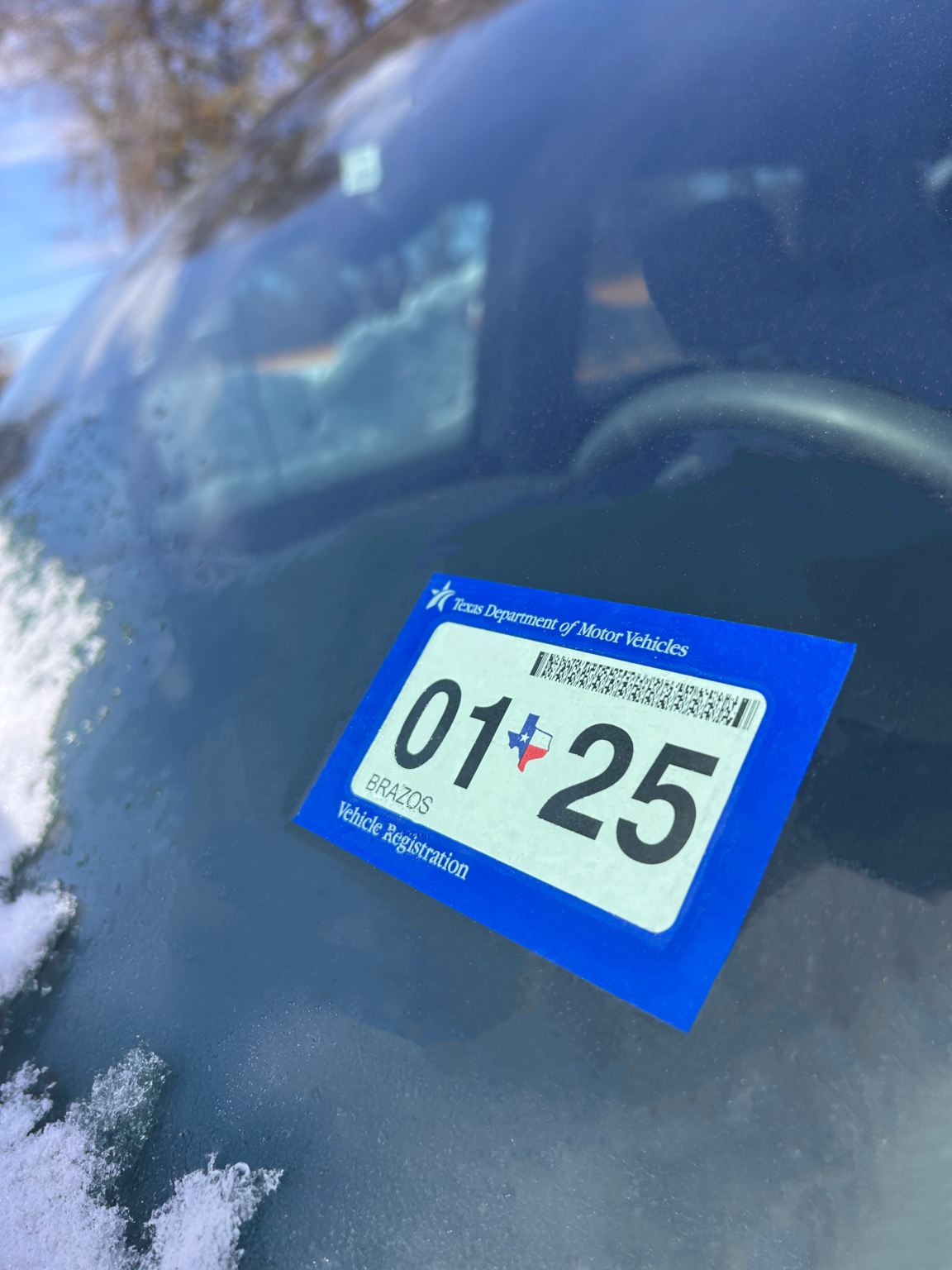
Plate Type
The standard Texas license plate is included in your base registration fee. However, Texas offers a vast array of specialty license plates, allowing drivers to express their individuality, support a cause, or showcase their affiliation with various organizations. These specialty plates, whether personalized plates with custom lettering or plates supporting universities, charities, or professional groups, come with additional annual fees. These fees can range from $30 to over $100 annually, depending on the plate design and exclusivity. While a personalized plate might seem like a small luxury, it’s an added expense that should be factored into your total registration cost. For travelers wanting to add a unique touch to their vehicle as they tour Texas, this is a popular option.
New vs. Renewal Registration
The core fees for vehicle registration generally remain consistent whether you are registering a vehicle for the first time in Texas or renewing an existing registration. The main difference lies in the process itself. First-time registration for a newly purchased vehicle (especially from out of state) or a vehicle new to Texas may involve additional steps, such as proving residency, providing a title, and potentially paying sales tax if applicable. Renewal, on the other hand, is usually a simpler process, often achievable online or by mail, assuming all inspection requirements are met. Understanding this distinction is particularly useful for new residents or those acquiring a new vehicle, as it informs the initial set of tasks and paperwork involved in getting road-ready.
Electric and Hybrid Vehicle Considerations
In recent years, as electric vehicles (EVs) and plug-in hybrids have become more prevalent, states have begun to address the issue of lost revenue from gasoline taxes, which traditionally fund road maintenance. Texas has introduced a new fee for electric vehicle owners, aiming to ensure that all drivers contribute equitably to the state’s transportation infrastructure. As of September 2023, EV owners in Texas are subject to an additional fee, typically around $200 annually, paid at the time of registration or renewal. This fee helps offset the impact of EVs not contributing to gasoline tax revenues. While this is an added cost for EV owners, it’s an important part of ensuring sustainable funding for Texas’s roads for all types of vehicles, enabling continued access to all tourist destinations.
Navigating the Registration Process: A Traveler’s Perspective
For both residents and those considering extended stays or even relocation, understanding the practical aspects of vehicle registration is crucial. The process itself has become increasingly streamlined, offering flexibility that caters to various lifestyles, from digital nomads to families planning extensive Texas road trips.
Online, Mail, or In-Person: Convenience for All Lifestyles
Texas offers multiple convenient options for renewing your vehicle registration. The easiest method for many is online renewal via the Texas Department of Motor Vehicles (DMV) website. This option is available if your inspection is current and your county participates in online renewals. For those who prefer traditional methods or live in areas without online services, renewal by mail is also an option. Alternatively, you can always visit your local county tax assessor-collector’s office in person. Many large grocery stores and authorized substations also offer vehicle registration services, providing localized accessibility. This flexibility is a boon for travelers and those on the go, ensuring that compliance doesn’t interrupt travel plans or long-term accommodation bookings, whether you’re staying at a Lone Star Grand Hotel in Dallas or a charming boutique hotel in the Texas Hill Country.
Essential Documents and What to Expect
Regardless of the method you choose, you’ll need a few key documents to complete your registration or renewal. The most critical are:
- Proof of financial responsibility (vehicle insurance): Texas law requires all drivers to carry valid auto insurance.
- Vehicle inspection report: Your passing vehicle inspection must be current and recorded in the state’s system.
- Previous registration receipt or renewal notice: This helps identify your vehicle and provides necessary information.
- Valid identification: For in-person transactions, a government-issued ID is usually required.
When registering a new vehicle or transferring a title, additional documents such as the vehicle title or Manufacturer’s Certificate of Origin (MCO), proof of sales tax payment, and odometer disclosure may be necessary. Understanding these requirements beforehand can save time and prevent delays, ensuring your vehicle is road-ready for any adventure, from a short stay at Riverwalk Suites to an extended trip across the state.
Planning Your Texas Road Trip: Budgeting for the Open Road
For travelers, particularly those from out-of-state considering an extended stay or a significant road trip through Texas, understanding vehicle registration costs becomes a crucial part of travel budgeting. If you plan to establish residency, even temporarily for work or study, you’ll need to transfer your vehicle’s registration to Texas. This impacts your overall lifestyle budget, affecting how much you allocate for accommodation, attractions, and experiences. Proper vehicle registration means you can confidently drive through state parks, visit remote landmarks, and explore off-the-beaten-path destinations without concern. It’s an investment in the freedom and flexibility that define the best Texas adventures.
Beyond the Basics: Registration’s Impact on Texas Travel & Lifestyle
Vehicle registration might seem like a mere administrative task, but in a state as vast and diverse as Texas, it’s intrinsically linked to your ability to travel freely, enjoy local tourism, and shape your lifestyle. From weekend getaways to long-term stays, a properly registered vehicle is an indispensable asset.
The Freedom of the Texas Road Trip
Texas is a state built for road trips. With destinations ranging from the rugged beauty of Big Bend National Park in the west to the historic missions of San Antonio and the vibrant arts scene of Austin, a registered vehicle is your ticket to boundless exploration. Imagine cruising down scenic byways, stopping at charming small towns, or visiting a historic landmark like The Alamo – none of this would be as accessible or worry-free without proper vehicle documentation. The freedom to spontaneously discover hidden gems or embark on a multi-day journey is a cornerstone of the Texas travel experience, and your vehicle registration underpins this liberty.
Accommodation Choices and Vehicle Needs
Your vehicle directly influences your accommodation options. For travelers, especially families or groups, a registered vehicle allows you to stay at a wider range of hotels, resorts, apartments, and villas, including those outside of major city centers where public transportation might be limited. Many vacation rentals and long-term stay accommodations in Texas assume guests will arrive by car, offering ample parking. Having your vehicle registered means you can comfortably drive to a secluded cabin in the Texas Hill Country, a beach house in Galveston, or a resort like the Hyatt Regency Dallas without concerns. It impacts everything from convenience to safety and expands your choices for where to stay and how to experience the local surroundings.
Exploring Texas Tourism and Local Culture
Tourism in Texas thrives on accessibility. Your registered vehicle is essential for fully immersing yourself in local culture and engaging with diverse activities. Think about visiting wineries in Fredericksburg, attending a rodeo in Fort Worth, or exploring the vibrant food truck scene in Austin. These experiences are often scattered across regions, making a personal vehicle invaluable. From enjoying local cuisine at a roadside BBQ joint to discovering unique artisan shops in small towns, vehicle registration facilitates a deeper connection with the heart of Texas, moving beyond just the main attractions to truly experience the local lifestyle.
Long-Term Stays and Relocation
For individuals and families considering long-term stays, whether for work, education, or retirement, understanding vehicle registration costs and processes is fundamental to budgeting and overall lifestyle planning. Relocating to Texas means integrating into the state’s systems, and vehicle registration is one of the primary tasks. This includes considering how these costs fit into a broader financial picture alongside housing, utilities, and leisure activities. For those embracing a budget travel lifestyle, knowing these fixed costs helps in making informed decisions about where to live and how to allocate resources for exploring their new surroundings. Conversely, for luxury travel enthusiasts, ensuring every detail, including vehicle compliance, is handled smoothly allows for a seamless and indulgent experience.
In conclusion, the cost of vehicle registration in Texas is more than just a figure; it’s a foundational element for anyone wishing to experience the state to its fullest. With a base fee, county-specific charges, mandatory inspection costs, and potential additional fees for specialty plates or electric vehicles, the total can vary. However, with accessible online and in-person renewal options, the process is designed to be as convenient as possible. Understanding these financial and procedural aspects empowers you to budget effectively, navigate the state with confidence, and fully embrace the incredible travel, tourism, and lifestyle opportunities that Texas generously offers. So, get your registration in order, and prepare to embark on your next unforgettable journey across the vast and captivating landscapes of Texas!
LifeOutOfTheBox is a participant in the Amazon Services LLC Associates Program, an affiliate advertising program designed to provide a means for sites to earn advertising fees by advertising and linking to Amazon.com. Amazon, the Amazon logo, AmazonSupply, and the AmazonSupply logo are trademarks of Amazon.com, Inc. or its affiliates. As an Amazon Associate we earn affiliate commissions from qualifying purchases.