
The New York City Subway system is a marvel of urban engineering and a vital artery for millions of residents and visitors alike. Its sheer scale and complexity are often the subject of curiosity, with one of the most frequently asked questions being: “How many metro stations are there in New York?” The answer to this question is not as straightforward as a single, static number, as the system is constantly evolving. However, to provide a comprehensive understanding, we must delve into the current operational status and the official figures reported by the Metropolitan Transportation Authority (MTA).

The Ever-Expanding Network: A Numerical Overview
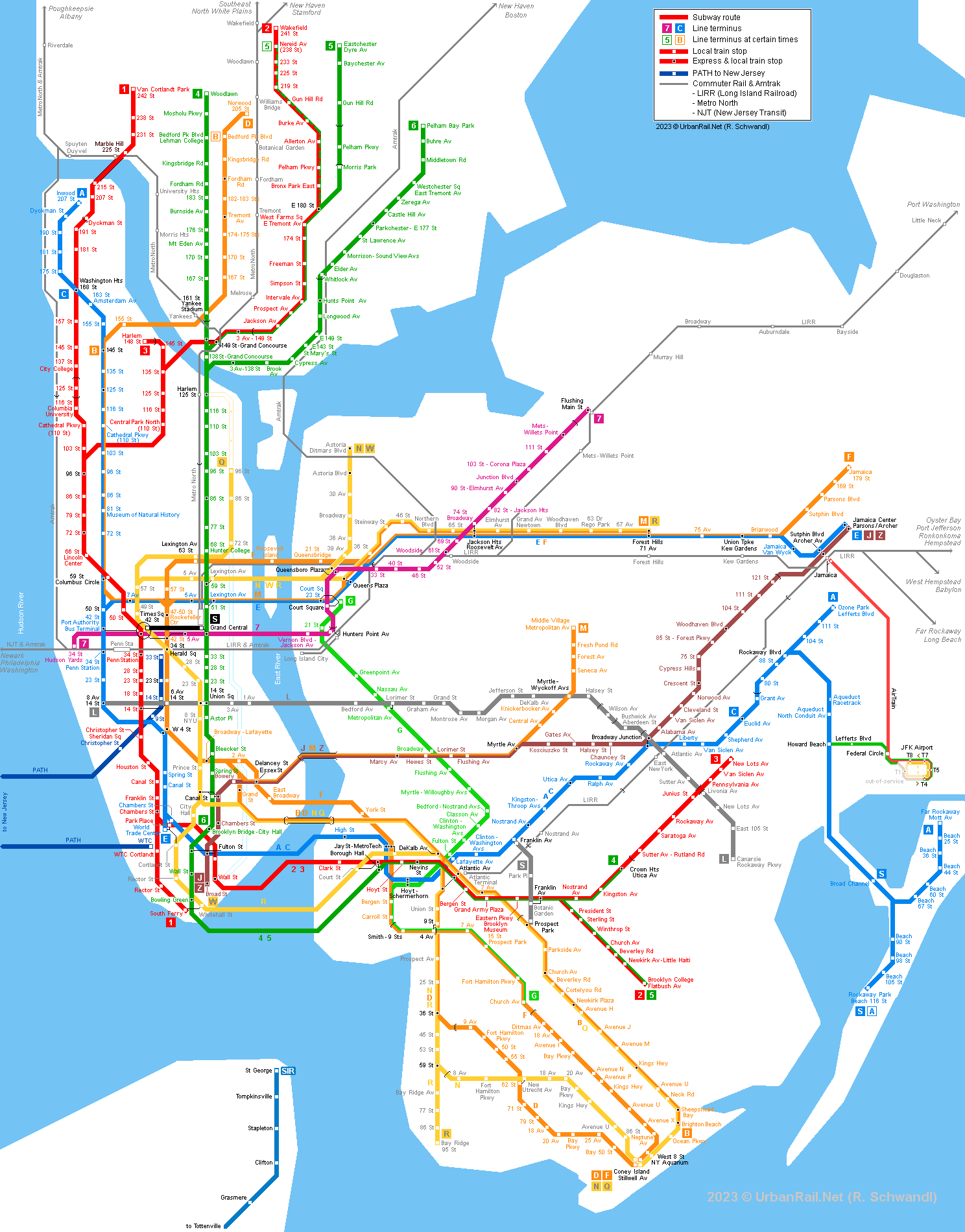
The New York City Subway is renowned for its extensive reach, connecting the five boroughs of New York through an intricate web of lines and platforms. Understanding the exact number of stations requires differentiating between operational stations and those that may be out of service or historic. The MTA, the public authority that operates the subway, regularly updates its statistics. As of recent reports, the system boasts a significant number of accessible stations, forming one of the largest rapid transit systems in the world by number of stations.
Counting the Active Hubs
The most commonly cited figure for the number of New York City Subway stations refers to the actively served locations. These are the platforms where passengers can board and alight trains. The MTA officially counts these as the primary measure of the system’s accessibility. This number encompasses all stations that are part of the active revenue service, meaning they are regularly served by trains. The precise number can fluctuate slightly due to temporary closures for maintenance, upgrades, or unforeseen circumstances. However, the established figure generally hovers around the 472-station mark. This substantial number underscores the system’s capacity to serve a vast metropolitan area. Each station is a unique node in this complex network, offering different access points and serving diverse neighborhoods within New York City. The journey from one end of the city to another often involves navigating through a multitude of these stations, each with its own character and history.
Beyond the Active Count: Exploring the System’s Infrastructure
While the 472-station figure represents operational accessibility, it’s important to acknowledge that the New York City Subway infrastructure extends beyond just these platforms. The system includes numerous other elements that contribute to its functionality but are not always counted as individual “stations” in the public sense. These can include crossovers, junctions, and areas that were once stations but are no longer in public use. For instance, historical research into the subway’s development might uncover a larger number of physical station locations that have since been closed or integrated into other parts of the system. Understanding this distinction provides a more nuanced appreciation of the subway’s immense scale and the decades of planning and construction that have shaped it. The vastness of the underlying infrastructure is a testament to the ambition of those who envisioned and built this essential public service for New York.
Deciphering Station Counts: Operational vs. Physical Locations
The discrepancy in reported numbers often arises from how “station” is defined. For most travelers and for official reporting purposes, a station is a point of access for passengers. However, the physical layout of the subway system includes many features that might be considered “stations” in a broader, more technical sense, but do not serve the public directly. This is a crucial point for anyone seeking an accurate understanding of the New York City Subway.
The Publicly Accessible Station as the Standard
When individuals inquire about the number of stations, they are almost invariably interested in the number of places where they can enter the system, purchase a fare, and board a train. The MTA’s primary reporting focuses on these publicly accessible stations. These are the points of service that form the user experience of the subway. The 472-station figure is the widely accepted metric that reflects this public accessibility. This number represents the tangible touchpoints for millions of daily commuters and tourists exploring New York City. Each of these stations is a unique point within the urban landscape, offering a glimpse into the diverse neighborhoods they serve. The effort to maintain and operate this vast network of public access points is a monumental undertaking by the MTA.
Understanding the Subtleties of System Design
The New York City Subway is a living entity, a complex system that has grown and adapted over more than a century. Its design includes elements that are not always categorized as public stations. For instance, in some locations, multiple platforms might serve different lines but are physically connected and might be considered a single station by the MTA for operational purposes, while other times, distinct platforms for different lines, even if physically close, are counted separately if they have independent access. Furthermore, the system’s historical evolution has seen stations opened and closed. Some former stations have been sealed off, repurposed, or integrated into newer infrastructure, and these are not included in the active count. This underlying complexity means that a simple count can sometimes be misleading without understanding the context of how the MTA defines and reports its stations. This nuanced perspective is essential for anyone delving into the intricate details of New York’s transit infrastructure.
The Significance of the Station Count: More Than Just a Number
The number of metro stations in New York is more than just a statistical curiosity; it reflects the immense geographical coverage, the operational capacity, and the historical development of one of the world’s most iconic urban transit systems. The sheer volume of stations directly impacts the daily lives of millions, facilitating movement across a sprawling metropolis.
Facilitating Urban Mobility and Economic Activity
A high number of metro stations is a direct indicator of a system’s ability to connect people to opportunities. The 472 publicly accessible stations of the New York City Subway are critical hubs that enable residents to commute to work, access education, and enjoy the myriad cultural attractions that New York has to offer. For businesses, these stations represent points of access for customers and employees, thereby fueling economic activity throughout the city. Tourists rely heavily on the subway to navigate their way to iconic landmarks like the Empire State Building or to explore vibrant neighborhoods such as Greenwich Village. The density of stations in Manhattan, for instance, ensures that most of the island is within walking distance of a subway entrance, making it a highly walkable and accessible urban center. This comprehensive network is fundamental to the city’s functioning, supporting a dynamic urban ecosystem.

A Testament to Urban Planning and Historical Evolution
The current number of stations is a direct consequence of over a century of planning, expansion, and adaptation. From the early underground lines in Manhattan to the later extensions into the outer boroughs, each new station represented a significant investment and a strategic decision to connect more communities. The evolution of the New York City Subway is a living history of urban development, mirroring the growth and demographic shifts of the metropolis. The challenges of building and maintaining such an extensive system, especially in a densely populated urban environment like New York, are immense. The MTA faces ongoing tasks of modernization, repair, and expansion, all aimed at ensuring the system remains a reliable and efficient mode of transport for generations to come. The number of stations, therefore, is not just a snapshot in time but a reflection of a continuous journey of urban engineering and public service provision.
In conclusion, while the precise number of metro stations in New York can be nuanced depending on the definition, the publicly accessible figure of approximately 472 stations highlights the unparalleled scale and importance of the New York City Subway. This intricate network is more than just a transportation system; it’s the lifeblood of the city, enabling movement, fostering economic growth, and connecting millions of lives every single day.
LifeOutOfTheBox is a participant in the Amazon Services LLC Associates Program, an affiliate advertising program designed to provide a means for sites to earn advertising fees by advertising and linking to Amazon.com. Amazon, the Amazon logo, AmazonSupply, and the AmazonSupply logo are trademarks of Amazon.com, Inc. or its affiliates. As an Amazon Associate we earn affiliate commissions from qualifying purchases.