
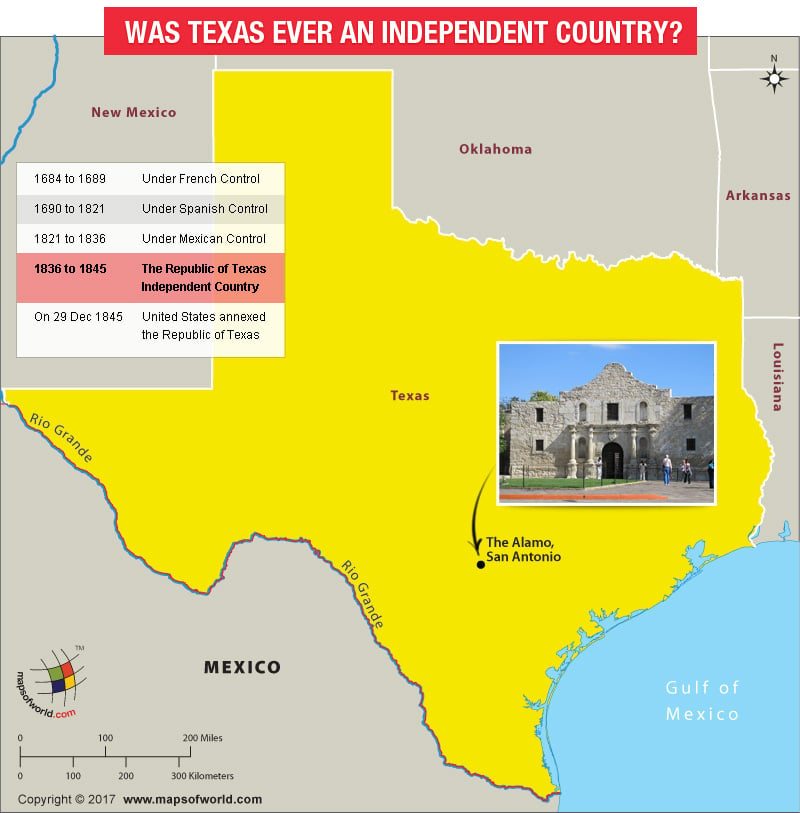
The vast expanse of Texas is synonymous with its larger-than-life personality, its iconic cowboy culture, and its undeniable spirit of independence. But for many, a pressing question lingers: when exactly was Texas a country? The answer is a fascinating chapter in North American history, a period marked by revolution, nationhood, and ultimately, annexation. Texas didn’t just emerge as a state; it carved its own identity as the Republic of Texas, a sovereign nation that existed for nearly a decade.
This period, from 1836 to 1845, is a cornerstone of Texan identity, a time when brave pioneers and revolutionary figures forged a nation out of challenging frontier lands. Understanding this era offers a profound appreciation for the unique heritage and enduring spirit that continues to define the Lone Star State. It’s a story that resonates not only with Texans but also with anyone captivated by tales of nation-building, independence movements, and the forging of new frontiers.
The Road to Independence: Revolution and the Birth of a Nation
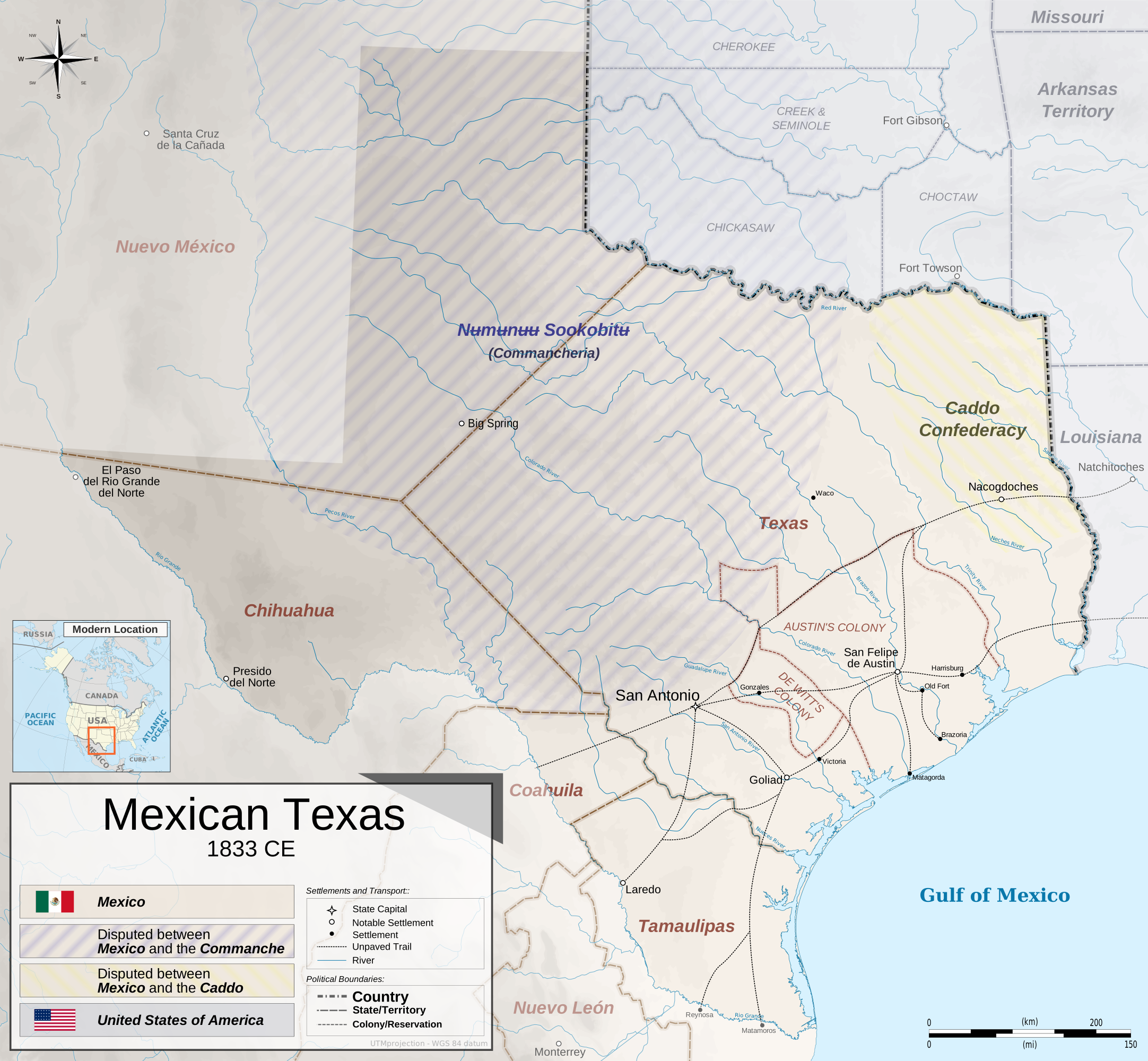
The journey of Texas from a Mexican territory to an independent republic was a tumultuous one, fueled by growing discontent and a desire for self-governance. In the early 19th century, Mexico had actively encouraged American settlement into the region, hoping to populate and develop the vast, sparsely inhabited territory. These settlers, drawn by cheap land and opportunity, brought with them their own customs, laws, and, crucially, their system of slavery, which was at odds with Mexico’s abolitionist policies.
Tensions simmered as settlers felt increasingly disconnected from the central government in Mexico City. Issues ranged from linguistic and cultural differences to the imposition of taxes and the perceived lack of representation. A pivotal moment arrived in 1835 when Mexican President Antonio López de Santa Anna began to centralize power, effectively dismantling the federalist constitution that had promised some autonomy. This move galvanized the settlers, who saw it as a direct threat to their liberties.
The Battles That Forged a Republic
The spark that ignited the Texas Revolution was the Battle of Gonzales on October 2, 1835. Here, Texian militia members repelled a force of Mexican soldiers sent to retrieve a cannon, famously displaying a flag with the words “Come and Take It.” This defiant act symbolized the growing rebellion and marked the beginning of open warfare.
The revolution saw a series of significant battles, each contributing to the eventual declaration of independence. The Siege of the Alamo in March 1836, though a devastating loss for the Texians, became a powerful rallying cry. The heroic stand of defenders like William Travis, Jim Bowie, and Davy Crockett against overwhelming odds inspired widespread support for the cause. Just days later, the Goliad Massacre, where hundreds of Texian prisoners were executed, further fueled the determination of the rebels.
The decisive turning point came on April 21, 1836, at the Battle of San Jacinto. Under the command of General Sam Houston, the Texian army launched a surprise attack on Santa Anna’s forces, chanting “Remember the Alamo!” and “Remember Goliad!” The battle was swift and brutal, resulting in a decisive victory for the Texians and the capture of Santa Anna himself. This victory effectively secured Texas’s independence from Mexico.
The Republic of Texas: A Nation Navigates its Early Years
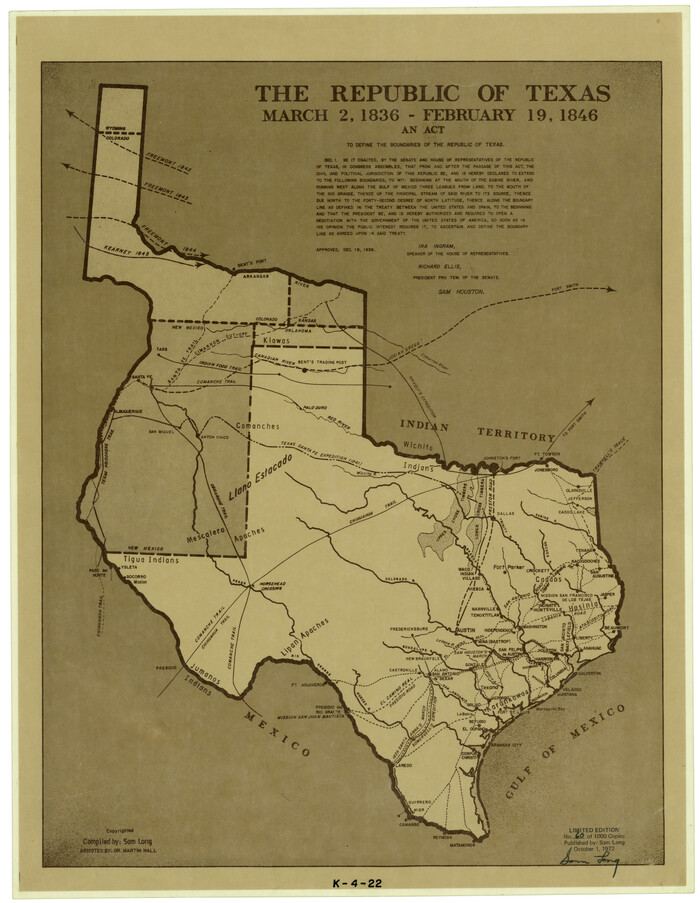
Following the victory at San Jacinto, Texas formally declared its independence on March 2, 1836, establishing itself as the Republic of Texas. This marked the beginning of a nine-year period where Texas functioned as a sovereign nation, complete with its own constitution, president, congress, and currency. The nation’s early years were characterized by the immense challenges of establishing governance, securing its borders, and gaining international recognition.
The first president of the Republic was David G. Burnet, who served as interim president before Sam Houston was elected as the first regularly elected president in October 1836. Houston and his successor, Mirabeau B. Lamar, faced a myriad of issues. The young republic struggled with a weak economy, a significant national debt, and ongoing threats from Mexico, which refused to recognize its independence and made sporadic attempts to reclaim the territory.
Governing a New Nation: Challenges and Aspirations
The Republic of Texas was an ambitious undertaking. Its founders envisioned a prosperous and independent nation, a beacon of liberty on the North American continent. However, the reality was far more complex. The government struggled to collect taxes, fund essential services, and maintain a standing army to defend its vast territory. The currency, known as “star money” or “redbacks,” suffered from rampant inflation, further destabilizing the economy.
One of the primary goals of the republic was to secure recognition from other nations, particularly the United States. While initial efforts were met with hesitation, particularly due to the issue of slavery, President Andrew Jackson eventually extended recognition in 1837. Other nations, including France and Great Britain, followed suit, lending a crucial air of legitimacy to the new nation.
The republic also grappled with its relationship with indigenous tribes, such as the Comanche and Kiowa nations, who inhabited much of the territory. Conflicts were frequent, and the government poured significant resources into military campaigns aimed at controlling these populations and securing the frontier.
Mirabeau B. Lamar, who succeeded Sam Houston, had grander ambitions for the republic, envisioning it as a major continental power. He championed the creation of a national education system, the establishment of a navy, and the relocation of indigenous tribes. However, his policies, while ambitious, further strained the republic’s finances.
The Road to Statehood: Annexation and the United States
Despite the aspirations of independence, the Republic of Texas faced persistent challenges that made statehood within the United States an increasingly attractive proposition. The economic instability, the ongoing threat from Mexico, and the desire for the security and resources of a larger nation weighed heavily on the minds of many Texans.
The issue of annexation was a contentious one in both Texas and the United States. In the United States, it was met with strong opposition from abolitionists who feared the expansion of slavery and from those who worried about provoking a war with Mexico. However, proponents, led by figures like John C. Calhoun, argued for the strategic importance of Texas and the expansion of American territory.
After years of debate and diplomatic maneuvering, the Republic of Texas was finally annexed by the United States on December 29, 1845, becoming the 28th state. This marked the end of its independent existence, though the legacy of its time as a republic continues to shape the identity of Texas to this day. The period of nationhood instilled a deep sense of pride and self-reliance that is often referred to as the “Republic of Texas spirit.”
Exploring the Legacy: Texas’s Journey Through History and Culture
The nine years that the Republic of Texas existed as a sovereign nation left an indelible mark on the state’s identity, culture, and historical narrative. This era of nation-building and frontier expansion is a source of immense pride for Texans and a captivating subject for history enthusiasts. From the iconic battlegrounds to the remnants of its governmental structures, the legacy of the republic is woven into the fabric of modern Texas.
Historic Sites and Landmarks of the Republic
For travelers and history buffs, exploring the sites associated with the Republic of Texas offers a tangible connection to this pivotal period. The most famous landmark, of course, is the Alamo in San Antonio, a testament to the bravery and sacrifice of its defenders. The San Jacinto Battlefield State Historic Site near Houston preserves the very ground where Texas secured its independence, featuring the majestic San Jacinto Monument.
Other significant sites include the Texas State Capitol in Austin, whose cornerstone was laid during the republic era, and the Fanthorp Inn State Historic Site in Anderson, which served as a crucial stagecoach stop and meeting place during the republic. Many historic homes and courthouses from this period can also be found throughout the state, offering glimpses into the lives of the pioneers and leaders who shaped the young nation. Exploring these landmarks provides a deeper understanding of the challenges and triumphs of the Republic of Texas.
The Enduring Spirit of the Lone Star State
The period of the Republic of Texas fostered a unique sense of independence, resilience, and self-reliance that continues to define the Texan character. This spirit is evident in everything from the state’s independent political outlook to its vibrant arts and cultural scene. The mythology surrounding the republic, with its tales of heroism, frontier life, and nation-building, has become an integral part of the Texan identity.
This enduring spirit can be experienced firsthand when visiting Texas. Whether exploring the historical sites, engaging with the local culture, or simply enjoying the vast and varied landscapes, the echoes of its time as a sovereign nation are palpable. The Republic of Texas may have been a relatively short-lived chapter in history, but its impact on the state and its people is profound and everlasting, solidifying its place as a truly unique entity within the United States. The question of “When Was Texas A Country?” leads to a rich tapestry of history, a testament to the ambition and determination of those who forged a nation in the heart of North America.
LifeOutOfTheBox is a participant in the Amazon Services LLC Associates Program, an affiliate advertising program designed to provide a means for sites to earn advertising fees by advertising and linking to Amazon.com. Amazon, the Amazon logo, AmazonSupply, and the AmazonSupply logo are trademarks of Amazon.com, Inc. or its affiliates. As an Amazon Associate we earn affiliate commissions from qualifying purchases.