
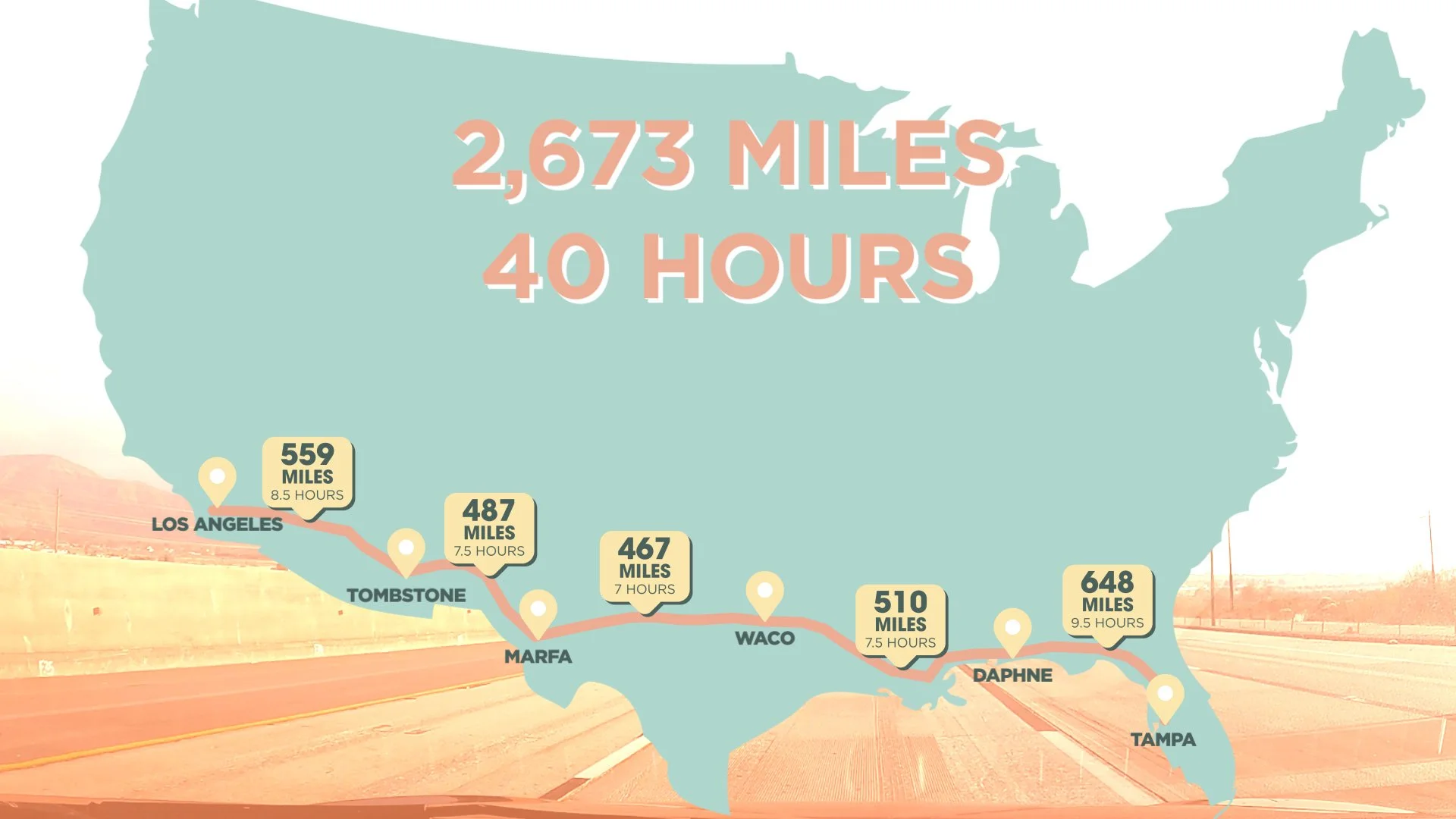
Embarking on a cross-country journey from the sun-drenched beaches of California to the vibrant shores of Florida is an iconic American road trip. It’s a traverse across diverse landscapes, cultures, and climates, representing a significant undertaking for any traveler. The question “How many miles from California to Florida?” is more complex than it first appears, as the exact distance hinges dramatically on your specific starting point in California and your destination in Florida, not to mention the chosen route across the United States.
This epic drive covers roughly two-thirds of the continental United States, typically spanning between 2,300 and 3,000 miles. Such a vast distance translates into several days of continuous driving, often requiring a strategic approach to planning, logistics, and rest. Understanding the various routes and what each entails is crucial for a successful and enjoyable journey.
Deconstructing the Distance: Common Routes and Mileage Estimates
The vastness of both California and Florida means there isn’t a single definitive mileage. A trip from San Diego to Miami will differ significantly from one starting in San Francisco and ending in Jacksonville. However, most travelers gravitate towards a few primary interstate routes that offer the most direct paths and best infrastructure for such a long haul.
The Southern Traverse: Interstate 10 Corridor
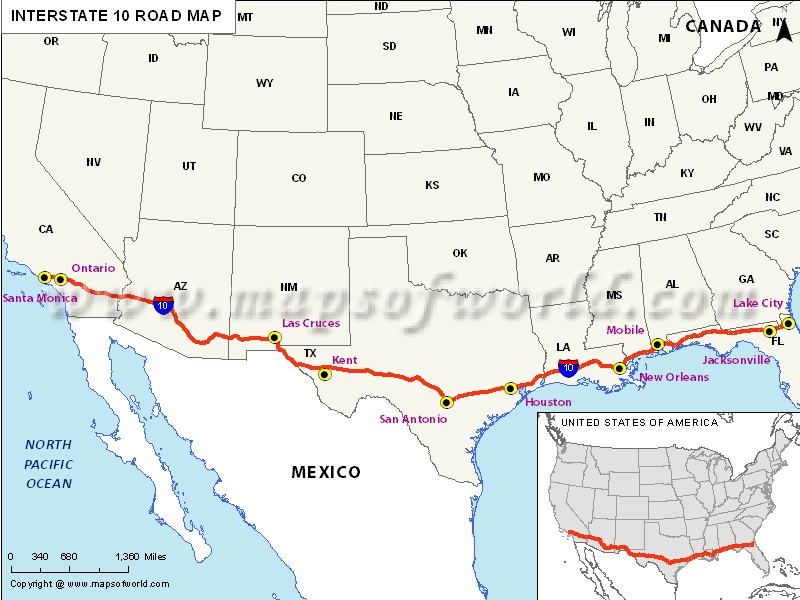
The most common and arguably most straightforward route for a California to Florida drive is the southern corridor, predominantly following Interstate 10 (I-10). This route stretches from Santa Monica, California, all the way to Jacksonville, Florida, covering a substantial portion of the southern United States.
- Typical Origin/Destination: A common example is driving from Los Angeles, California, to Miami, Florida.
- Estimated Distance: Approximately 2,700 to 2,900 miles.
- Estimated Driving Time: Around 40-45 hours of pure driving.
- States Traversed: Starting in California, I-10 takes you through Arizona, New Mexico, Texas, Louisiana, Mississippi, Alabama, and finally into Florida.
This route is popular for several reasons: it generally avoids mountainous terrain and extreme winter weather found further north, making it a reliable choice year-round. It offers a consistent, multi-lane highway experience with numerous services along the way. While fast, it also presents opportunities to explore unique regional cultures, from the desert landscapes of Arizona and New Mexico to the vibrant Texan cities and the bayou charm of Louisiana.
Alternative Central and Northern Routes
While I-10 is the primary artery, other routes exist, often involving combinations of interstates. These typically add mileage or complexity but might be chosen for specific scenic detours or to avoid certain regions.
- Central Route Variation: Some travelers might opt for routes involving Interstate 40 (I-40) or Interstate 20 (I-20) for portions of the journey, potentially passing through states like Oklahoma, Arkansas, Tennessee, or Georgia before heading south into Florida. These routes can increase the total distance to over 3,000 miles, with driving times exceeding 50 hours. While offering different vistas and cultural experiences, they might involve more varied terrain and weather considerations, particularly in cooler months. For instance, connecting from I-40 in Arizona and New Mexico to I-20 through Dallas or Fort Worth, Texas, before continuing east is a viable option for those looking to bypass certain sections of I-10.
Planning for the Long Haul: More Than Just Miles
A cross-country drive isn’t merely about racking up miles; it’s a comprehensive travel experience that requires meticulous planning. From vehicle preparation to budgeting and choosing the right pace, every detail contributes to a successful journey.
Strategic Pacing and Rest Stops
The sheer distance from California to Florida necessitates multiple days of driving. Attempting to complete it in less than 4-5 days is often unrealistic and unsafe due to driver fatigue.
- Daily Driving Goal: Most experts recommend limiting daily driving to 8-10 hours. This allows for ample breaks, meals, and sightseeing, preventing burnout. Pushing beyond this limit significantly increases the risk of accidents.
- Overnight Stays: Plan for 3-4 overnight stops. Popular cities along the I-10 corridor include Tucson or Phoenix (Arizona), El Paso or San Antonio (Texas), and New Orleans (Louisiana). Pre-booking accommodation, especially during peak seasons, can save time and stress. Consider options ranging from budget-friendly motels to more comfortable hotels or even vacation rentals in larger cities.
- Breaks and Activities: Integrate short breaks every 2-3 hours for stretching, refueling, and grabbing snacks. Look for interesting roadside attractions or state parks to break up the monotony. Even a 15-minute stretch break can significantly improve focus and reduce fatigue.

Vehicle Preparation and Maintenance
Your vehicle is your most important companion on this journey. Ensuring it’s in top condition is paramount.
- Pre-Trip Check-up: Have a certified mechanic perform a thorough inspection, including fluid levels (oil, coolant, brake fluid), tire pressure and tread depth, brakes, battery, and lights.
- Emergency Kit: Pack essentials like jumper cables, a spare tire (and the knowledge to change it), basic tools, a first-aid kit, flashlight, warning triangles, and extra water and non-perishable food.
- Navigation: While smartphones are ubiquitous, a dedicated GPS device or physical maps can be invaluable, especially in areas with spotty cell service. Download offline maps for reliability.
Budgeting for the Journey
A cross-country drive incurs various costs beyond just fuel.
- Fuel: This will be your largest variable expense. Research average gas prices along your route using apps or websites. Prices can fluctuate significantly between states.
- Accommodation: As mentioned, plan for multiple nights. Factor in the cost of hotels, motels, or campgrounds.
- Food and Beverages: While snacks can be packed, budgeting for restaurant meals, especially in interesting cities, enhances the travel experience.
- Tolls: Some interstates and bridges, particularly in Florida and other eastern states, have tolls. Researching these in advance and considering an electronic toll pass (like a SunPass in Florida) can save time and hassle.
- Contingency Fund: Always set aside extra money for unexpected expenses, such as minor vehicle repairs or unforeseen detours.
The Journey Itself: Experiences Beyond the Miles
Beyond the practicalities of mileage and logistics, a road trip from California to Florida offers an unparalleled opportunity for exploration and discovery. It’s a chance to witness the vastness and diversity of the American landscape firsthand.
Embracing the Scenic Detours
While the primary goal might be to cover distance, integrating small detours can transform a simple drive into an unforgettable adventure.
- National Parks and Monuments: Along the southern route, consider visiting Joshua Tree National Park in California (if starting further north), Saguaro National Park or Petrified Forest National Park in Arizona, or even making a significant detour south to Big Bend National Park in Texas. These natural wonders offer incredible hiking, photography, and a break from the highway.
- Unique Towns and Cities: Stop in Tucson, Arizona, for its vibrant desert culture, explore the historic architecture of San Antonio, Texas, or immerse yourself in the rich musical heritage and culinary scene of New Orleans, Louisiana. Each stop provides a unique flavor of regional American life.
Culinary Adventures
One of the greatest joys of a cross-country drive is the opportunity to sample regional cuisines. From California fusion to Florida seafood, the journey offers a gastronomic tour.
- Southwestern Flavors: Indulge in authentic Mexican and Tex-Mex dishes in Arizona, New Mexico, and Texas.
- Southern Comfort: Experience the soul food and BBQ of Texas and the Deep South states like Louisiana, Mississippi, and Alabama. Don’t miss the chance for fresh seafood along the Gulf Coast.
- Florida’s Diverse Palette: Arriving in Florida offers a blend of Southern cuisine, fresh seafood, and vibrant Latin American influences, especially in areas like Miami.
The Spirit of the Open Road
This monumental drive is more than a logistical challenge; it’s an experience that fosters a sense of freedom and accomplishment. The shifting landscapes, the changing accents, and the vast expanse of the United States unfolding outside your window contribute to a memorable travel narrative. Whether traveling solo, with family, or friends, the shared experience of traversing such a distance creates lasting memories and stories. It’s a testament to the enduring allure of the American road trip, proving that sometimes, the journey itself is the most rewarding destination.
The ultimate answer to “How many miles from California to Florida?” lies not just in a numerical value, but in the sum of the experiences, the sights, and the personal triumphs encountered along those thousands of miles. It’s an adventure waiting to be driven.
LifeOutOfTheBox is a participant in the Amazon Services LLC Associates Program, an affiliate advertising program designed to provide a means for sites to earn advertising fees by advertising and linking to Amazon.com. Amazon, the Amazon logo, AmazonSupply, and the AmazonSupply logo are trademarks of Amazon.com, Inc. or its affiliates. As an Amazon Associate we earn affiliate commissions from qualifying purchases.