
The allure of the Hawaiian Islands has captivated travelers for centuries, a beacon of tropical paradise shimmering in the vast Pacific Ocean. For many, the journey begins on the sun-drenched shores of California. But beyond the romantic notions of aloha and endless beaches, a practical question often arises: exactly how far is Hawaii from California? While a straightforward number answers the mileage, the true distance encompasses more than just nautical or aerial miles; it involves planning, anticipation, and the choice of an unforgettable travel experience.
At its core, the distance between the mainland United States and Hawaii is substantial, underscoring the islands’ remote and pristine nature. From major departure points in California to the primary entry points in Hawaii, the journey typically spans between 2,400 to 2,500 miles. For instance, the air distance from Los Angeles to Honolulu on the island of Oahu is approximately 2,471 miles (3,977 kilometers). This significant stretch of ocean dictates the mode of travel, the duration of the trip, and ultimately, the adventure that awaits.
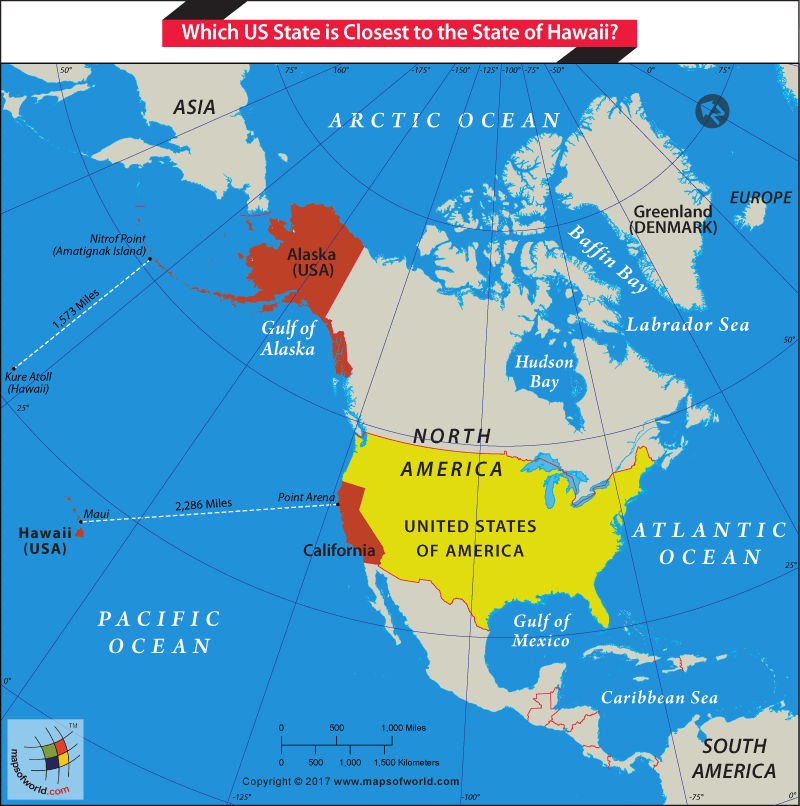
Unpacking the Distance: Specific Routes and Travel Times
Understanding the precise mileage is only the first step. The actual travel experience is shaped by your chosen method of transport, whether you opt for the speed of air travel or the leisurely pace of a cruise. Each option offers a unique perspective on crossing the expansive Pacific Ocean and arriving in paradise.
Air Travel: The Most Common Path to Paradise
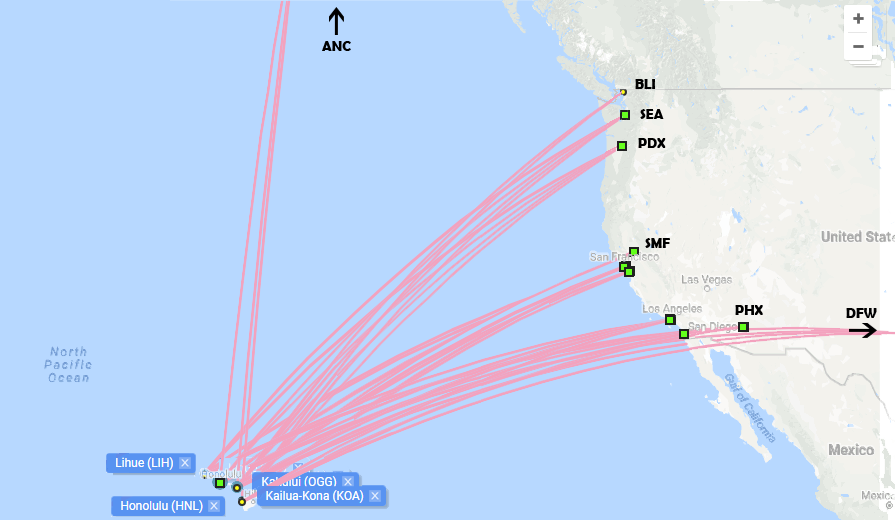
For the vast majority of visitors, flying is the preferred and most practical way to reach Hawaii. The journey by air is not only the quickest but also incredibly efficient, connecting major California hubs with key Hawaiian islands.
The distances vary slightly depending on your departure city in California and your specific island destination in Hawaii:
- From Los Angeles (LAX):
- To Honolulu (Oahu): Approximately 2,471 miles (3,977 km)
- To Kahului (Maui): Approximately 2,484 miles (3,998 km)
- To Kona (Big Island): Approximately 2,504 miles (4,030 km)
- From San Francisco (SFO):
- To Honolulu (Oahu): Approximately 2,393 miles (3,851 km)
- To Kahului (Maui): Approximately 2,382 miles (3,833 km)
- To Lihue (Kauai): Approximately 2,434 miles (3,917 km)
- From San Diego (SAN):
- To Honolulu (Oahu): Approximately 2,610 miles (4,200 km)
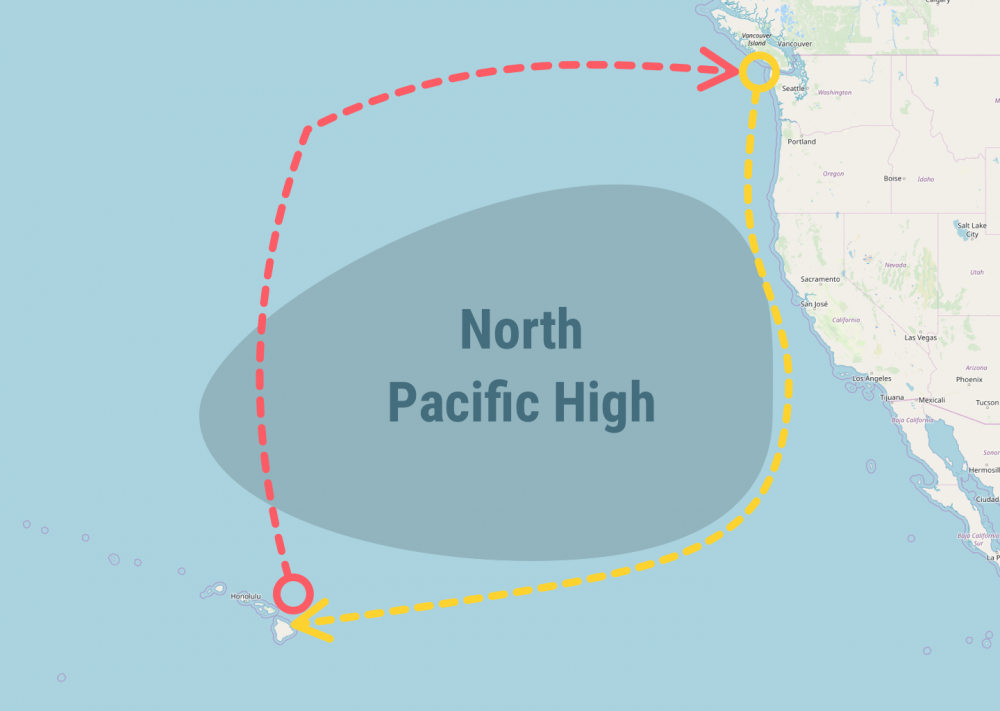
A typical non-stop flight from California to Hawaii averages between 5.5 to 6 hours. When returning to California, flights are often shorter, sometimes by as much as an hour, thanks to prevailing tailwinds across the Pacific. Numerous airlines service these popular routes, including major carriers like Hawaiian Airlines, United Airlines, Delta Air Lines, Alaska Airlines, and Southwest Airlines, offering a variety of price points and service levels. Booking in advance, especially during peak seasons, is highly recommended to secure the best fares and preferred flight times.
Ocean Voyages: A Scenic, Leisurely Alternative
While less common for direct transit, ocean voyages offer a unique and luxurious way to bridge the miles between California and Hawaii. Cruise ships typically embark from major California ports such as Los Angeles (often from Long Beach or San Pedro) and San Francisco.
These voyages usually take 5 to 7 days to cover the ocean distance, often with several days at sea before reaching the first Hawaiian island. The cruise itinerary then includes stops at multiple islands like Oahu, Maui, Kauai, and the Big Island, allowing travelers to experience diverse aspects of Hawaiian culture and natural beauty without the hassle of inter-island flights. While the actual nautical miles covered might be slightly higher due to sailing patterns, the focus of a cruise is less on the direct line and more on the journey itself. These trips are a fantastic option for those seeking a relaxed pace, all-inclusive amenities, and a taste of luxury travel, transforming the act of getting there into an integral part of the vacation experience.
Beyond the Miles: Planning Your Hawaiian Escape
Knowing the distance is just the beginning. The next crucial step is planning an itinerary that aligns with your travel style and preferences. Hawaii is not a monolithic destination; each island offers a distinct character and a wealth of attractions, activities, and accommodation options.
Choosing Your Island Paradise
With several main islands to choose from, deciding where to go can be as exciting as the journey itself. Each island presents a unique blend of landscapes, cultural experiences, and opportunities for adventure or relaxation.
-
Oahu: The Gathering Place
Often the first stop for many, Oahu is home to the capital city of Honolulu and the iconic Waikiki Beach. It’s a vibrant hub where urban sophistication meets stunning natural beauty. Visitors can explore historical landmarks like Pearl Harbor, hike to the summit of Diamond Head for panoramic views, or catch a surf lesson in the gentle waves of Waikiki. Oahu offers a bustling atmosphere with diverse dining, shopping, and entertainment, perfect for those who enjoy a lively vacation with plenty of cultural immersion. -
Maui: The Valley Isle
Renowned for its world-class beaches, luxurious resorts in areas like Kaanapali and Wailea, and breathtaking natural wonders, Maui is a favorite for couples and families alike. The Road to Hana offers an unforgettable scenic drive, while sunrise or sunset from the dormant volcano Haleakala National Park is a truly spiritual experience. Whale watching during winter months off the coast of Lahaina is another major draw. Maui strikes a balance between adventure and relaxation, offering everything from championship golf courses to pristine snorkeling spots like Molokini Crater. -
Kauai: The Garden Isle
For nature lovers and adventure seekers, Kauai is an unparalleled choice. Its lush, verdant landscapes, dramatic cliffs of the Na Pali Coast, and the “Grand Canyon of the Pacific” (Waimea Canyon) offer endless opportunities for hiking, kayaking, and helicopter tours. Kauai provides a more secluded and tranquil experience, ideal for those looking to disconnect and immerse themselves in raw natural beauty. -
Big Island of Hawaii: The Orchid Isle
The largest and geologically youngest of the islands, the Big Island is a land of extremes and incredible diversity. Here, you can witness active volcanoes at Hawaii Volcanoes National Park, relax on black sand beaches, explore lush rainforests near Hilo, or enjoy world-class coffee plantations and snorkeling on the Kona coast. Its vastness means there’s always something new to discover, appealing to travelers eager for unique landscapes and geological wonders.
Accommodation: Your Home Away From Home
Once you’ve chosen your island, selecting the right accommodation is key to a comfortable and memorable trip. Hawaii offers an extensive range of options to suit every budget and lifestyle, from opulent resorts to charming vacation rentals.
Luxury travelers might gravitate towards renowned brands like Four Seasons or Grand Hyatt, which provide lavish suites, world-class amenities, gourmet dining, and often direct beach access. These resorts typically boast multiple pools, spas, kids’ clubs, and curated experiences designed to pamper guests. For those preferring more space and privacy, vacation rentals such as apartments, condos, or villas are excellent choices, often equipped with kitchens and laundry facilities, ideal for families or longer stays. Budget-conscious travelers will find a selection of boutique hotels, guesthouses, and even hostels, particularly in more populated areas like Honolulu.
When booking, it’s wise to compare options across various platforms, read recent reviews, and consider what amenities are most important to you. Many accommodations offer special packages that include activities or dining credits, enhancing the overall value of your stay. Early booking is particularly crucial during high season (winter holidays and summer) to ensure availability and better rates.
Maximizing Your Hawaiian Experience
The journey from California to Hawaii culminates in an immersive cultural and natural experience. To truly appreciate the islands, it’s essential to embrace the local lifestyle, engage in unique activities, and plan logistics thoughtfully.
Embracing Local Culture and Activities
Hawaii’s appeal extends far beyond its stunning scenery. The rich Polynesian culture, friendly “aloha spirit,” and unique culinary scene are integral to the experience.
- Food: Don’t leave without sampling authentic Hawaiian cuisine. Try fresh poke, a dish of diced raw fish marinated in various seasonings; savor a plate of lau lau, pork and fish wrapped in taro leaves and steamed; or indulge in the freshest seafood caught daily. Participating in a traditional Luau is a must, offering not just a feast but also an evening of cultural performances, storytelling, and music.
- Activities: The islands are a playground for all interests. Take surfing lessons on Waikiki Beach, go snorkeling or diving in vibrant coral reefs (such as Molokini Crater off Maui), hike through lush rainforests to hidden waterfalls, or embark on a thrilling helicopter tour for unparalleled aerial views of dramatic coastlines and volcanic craters. From stand-up paddleboarding to zip-lining, the options for outdoor adventure are limitless.
- Responsible Tourism: As visitors, it’s important to respect the local culture (“malama `aina” – care for the land) and environment. Choose reef-safe sunscreen, minimize waste, and support local businesses and artisans. Engage with residents respectfully and learn about Hawaiian history and traditions.
Travel Logistics and Essential Tips
A smooth trip involves a bit of foresight. Consider these tips to enhance your Hawaiian adventure:
- Best Time to Visit: While Hawaii is a year-round destination, the shoulder seasons (April-May and September-November) often offer pleasant weather, fewer crowds, and potentially better deals on flights and accommodations. The winter months (December-March) are popular for whale watching and bigger surf, while summer (June-August) is ideal for calm waters and family vacations.
- Packing Essentials: Beyond your swimwear, remember light, breathable clothing, a good sun hat, sunglasses, and plenty of reef-safe sunscreen. Comfortable walking shoes are a must for exploring, and a light jacket might be useful for cooler evenings or higher elevations like Haleakala.
- Transportation: Renting a car is highly recommended on all islands, except perhaps if you plan to stay exclusively in Waikiki where public transport and ride-sharing are readily available. Having your own vehicle offers the freedom to explore hidden gems and scenic routes at your own pace. Book your rental car in advance, especially during peak travel times.
- Inter-island Travel: If you plan to visit multiple islands, inter-island flights are frequent and relatively short, usually lasting 30-45 minutes. Hawaiian Airlines is the primary carrier for these routes. Factor in airport check-in and security times when planning your island hopping.
- Budgeting: Hawaii can be an expensive destination, but smart budgeting can make it accessible. Consider factors like accommodation style (luxury vs. budget), dining choices (fine dining vs. local eateries and food trucks), and activity preferences. Many natural attractions are free or low-cost, offering incredible experiences without breaking the bank.
In conclusion, the journey from California to Hawaii spans approximately 2,400 to 2,500 miles, a distance easily bridged by a 5-6 hour flight or a luxurious week-long cruise. Yet, the true distance is measured not just in miles, but in the anticipation of discovery, the warmth of the aloha spirit, and the lasting memories created amidst the breathtaking beauty of the Hawaiian Islands. Whether you seek adventure, relaxation, or cultural immersion, Hawaii promises an escape that is truly out of the box.
LifeOutOfTheBox is a participant in the Amazon Services LLC Associates Program, an affiliate advertising program designed to provide a means for sites to earn advertising fees by advertising and linking to Amazon.com. Amazon, the Amazon logo, AmazonSupply, and the AmazonSupply logo are trademarks of Amazon.com, Inc. or its affiliates. As an Amazon Associate we earn affiliate commissions from qualifying purchases.