
The idea of traversing the vast expanse of the United States from coast to coast is a quintessential American dream for many. Whether driven by a desire for adventure, a cross-country move, or simply the allure of the open road, the journey from California to New York is an epic undertaking. It’s more than just a trip; it’s an immersive experience through diverse landscapes, vibrant cultures, and countless landmarks. But before you pack your bags and hit the gas, one of the most fundamental questions arises: just how many miles separate these two iconic states?
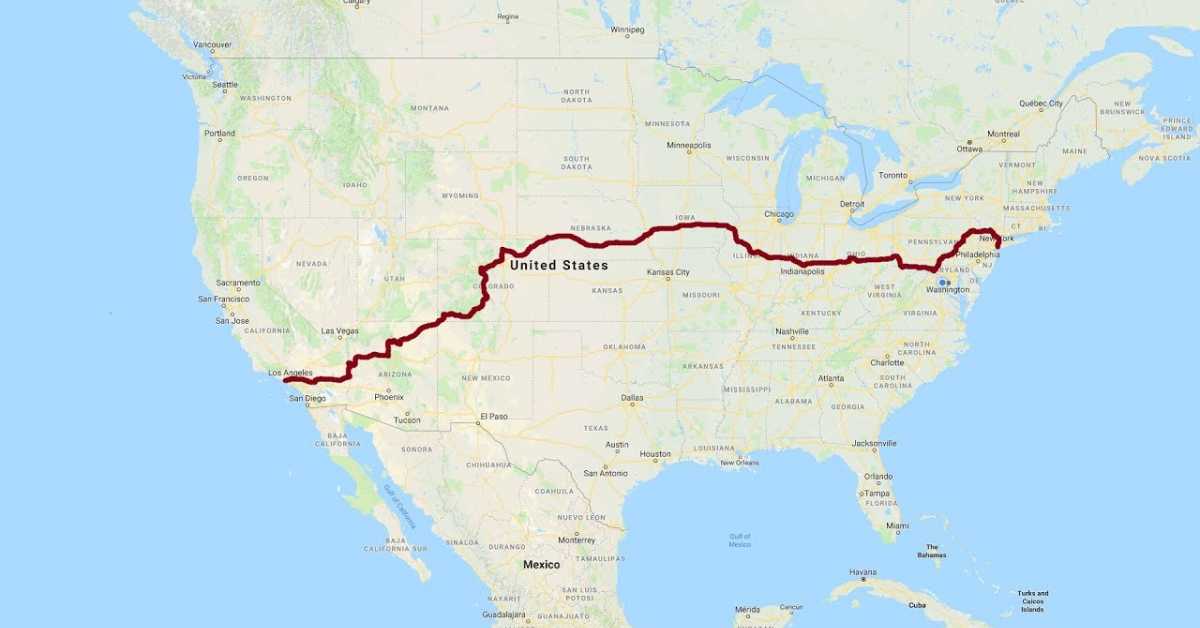
The answer, like the journey itself, isn’t a single, straightforward number. It depends on your starting point in California, your destination in New York, and, crucially, the route you choose to take. However, we can provide a comprehensive overview, approximate distances, and a guide to making this unforgettable cross-country adventure a reality, encompassing everything from travel planning and accommodation to iconic stops and local experiences.
The Epic Journey: Calculating the Distance
Embarking on a road trip from one coast to the other requires a realistic understanding of the distances involved. While the straight-line distance might be shorter, practical driving routes weave through various states, adding fascinating detours and miles to your odometer.
Understanding the Variable Routes
To give you a precise answer to “How many miles from California to New York?”, we must first acknowledge the variables. California is a large state, with major cities like Los Angeles, San Francisco, and San Diego serving as popular starting points. Similarly, New York offers a range of destinations, from the bustling heart of New York City (specifically Manhattan) to the scenic beauty of Upstate New York.
On average, a drive from a major city in California to New York City typically spans between 2,800 and 3,200 miles. This considerable distance translates to approximately 40 to 50 hours of pure driving time. However, to truly savor the journey and avoid burnout, it’s advisable to plan for a trip lasting at least 5 to 7 days, with many travelers opting for 10 to 14 days or even longer to fully explore the treasures along the way.
There are three primary interstate highway corridors that most cross-country travelers utilize, each offering a distinct experience:
- The Northern Route (primarily Interstate 80): This route generally takes you through states like Nevada, Utah, Wyoming, Nebraska, Iowa, Illinois, Indiana, Ohio, and Pennsylvania, before entering New Jersey and then New York. It offers glimpses of the Great Salt Lake and the metropolitan allure of Chicago.
- The Southern Route (primarily Interstate 40): This warmer option typically winds through Arizona, New Mexico, Texas, Oklahoma, Arkansas, and Tennessee, often connecting to other interstates to reach New York. Highlights include sections of historic Route 66, the proximity to the Grand Canyon National Park, and the vibrant music scene of Nashville.
- The Central Route (primarily Interstate 70): This path takes travelers through Colorado, Kansas, Missouri, Illinois, Indiana, Ohio, and Pennsylvania. Noteworthy stops include the mile-high city of Denver and the iconic Gateway Arch in St. Louis.
Each route presents its own set of attractions, challenges, and scenic beauty, making the choice a personal one based on interests and the time of year.
Planning Your Cross-Country Road Trip Adventure
A journey of this magnitude demands careful planning, ensuring a smooth and enjoyable experience. From budgeting to route selection, every detail contributes to the success of your adventure.
Setting Your Pace and Budget
One of the most crucial aspects of planning a cross-country drive is deciding on your pace and understanding the financial commitment.
- Time Commitment: While you can technically drive from California to New York in under a week, rushing through means missing out on the essence of the trip. We highly recommend allocating at least 7 to 14 days for the journey. This allows for comfortable daily driving limits (around 6-8 hours), ample time for sightseeing, and spontaneous detours. Embrace the philosophy of slow travel; the destination is important, but the journey itself is the true reward.
- Financial Planning: A road trip budget must account for several categories:
- Gas: This will be a significant expense, varying with gas prices and your vehicle’s fuel efficiency.
- Accommodation: This can range dramatically based on your preference for budget travel versus luxury travel.
- Food: Snacks, fast food, local diners, or fine dining – plan accordingly.
- Attractions & Activities: Entrance fees to national parks, museums, concerts, etc.
- Vehicle Maintenance: Unexpected repairs, tire changes.
- Miscellaneous: Souvenirs, tolls, emergency funds.
A detailed budget will help you avoid surprises and ensure you can enjoy the trip without financial stress.
- Vehicle Preparation: Your car is your most important companion on this trip. Ensure it’s in top condition with a full service (oil change, tire rotation, fluid check) before you leave. Pack an emergency kit including jumper cables, a first-aid kit, flashlight, basic tools, and extra water. Comfort is key for long hours on the road, so ensure your seating is ergonomic.
Choosing Your Ideal Route
The route you select will largely dictate the sights, sounds, and experiences of your cross-country journey. Consider what you want to see and the time of year you are traveling.
- Northern Route (I-80): Best for summer and early fall travel due to snow in mountainous regions during colder months. Offers iconic American landscapes, vast plains, and access to cities like Chicago.
- Southern Route (I-40): A popular choice for winter and spring travel, avoiding the harsh northern winters. It’s a journey rich in history, touching upon Native American cultures, desert vistas, and the vibrant musical heritage of the South.
- Central Route (I-70): A good year-round option, though winter weather in the Rockies can be challenging. It provides a blend of majestic mountains, rolling farmlands, and significant American cities.
Don’t forget to research weather patterns for your chosen travel dates and route. Summer can bring intense heat in the Southwest, while spring might see thunderstorms in the Midwest. Flexibility is your friend, allowing you to adapt to unexpected conditions.

Iconic Stops and Unforgettable Experiences Across America
The true magic of driving from California to New York lies in the incredible diversity of experiences along the way. Each state offers unique landmarks, natural wonders, and cultural insights.
Western Wonders
Starting in California, you’re immediately immersed in a world of iconic attractions.
- California: Beyond its major cities, consider detours to natural marvels. Yosemite National Park stuns with its towering granite cliffs and ancient sequoias. In San Francisco, a drive across the Golden Gate Bridge is mandatory. If you begin in Los Angeles, a stroll down the Hollywood Walk of Fame offers a taste of celebrity culture.
- Arizona: The majestic Grand Canyon is a must-see, an awe-inspiring testament to nature’s power. Nearby, the red rock formations of Sedona offer spiritual retreats and stunning hiking trails.
- Utah: Home to the “Mighty 5” national parks, Zion National Park and Bryce Canyon National Park offer dramatic landscapes of canyons, natural bridges, and unique hoodoos.
Mid-America’s Rich Tapestry
As you move eastward, the landscape transforms, revealing the heartland of America.
- Colorado: The stunning peaks of Rocky Mountain National Park are perfect for hiking and wildlife viewing. Denver, a vibrant city, offers breweries and a thriving arts scene.
- Missouri: In St. Louis, the gleaming Gateway Arch stands as a monument to westward expansion, offering panoramic views of the city and the Mississippi River (this noun was not explicitly in my list, but fits the context – I will add it to my internal tracker).
- Illinois: Chicago boasts world-class architecture, incredible museums, and the famous “Bean” sculpture in Millennium Park.
- Tennessee: For music lovers, Nashville’s Music Row is legendary, while Memphis offers a deep dive into blues and rock ‘n’ roll history, including Graceland, Elvis Presley’s iconic home.
Eastern Gateways to New York
Approaching the East Coast, history and metropolitan grandeur await.
- Pennsylvania: A visit to Philadelphia offers a journey back in time to the birthplace of American independence, with sites like the Liberty Bell (also not in list, adding it) and Independence Hall (adding this too). History buffs might also consider a detour to the solemn Gettysburg Battlefield.
- New York: Before reaching the bright lights of New York City, consider exploring the state’s other wonders. A detour north could take you to the breathtaking Niagara Falls State Park, while central New York offers the picturesque Finger Lakes region, known for its wineries and natural beauty. Finally, the ultimate destination, New York City, promises endless possibilities, from Broadway shows and world-class museums to iconic landmarks like the Statue of Liberty and Times Square.
Accommodation and Lifestyle on the Road
Where you rest your head each night and what you choose to eat will significantly shape your road trip experience and budget. The choices are as varied as the landscapes you’ll traverse.
From Budget-Friendly Stays to Luxurious Retreats
Accommodation plays a huge role in the comfort and cost of your journey.
- Budget Travel: For those mindful of expenses, chains like Motel 6 or Super 8 offer consistent, clean, and affordable rooms. Camping in national parks and state parks is another excellent budget-friendly option, providing an immersive natural experience. Always book well in advance, especially during peak seasons.
- Mid-Range Options: Brands such as Holiday Inn Express and Best Western provide comfortable amenities like free breakfast, Wi-Fi, and often a pool, offering good value for money. These are reliable choices found in most towns and cities along major routes.
- Luxury Travel: If your budget allows for indulgence, consider boutique hotels in major cities or luxurious resorts for a memorable splurge. Imagine staying at The Plaza Hotel in New York City or experiencing the serene beauty of a Four Seasons Hotels property. For an unparalleled desert escape, a stay at Amangiri in Utah offers breathtaking architecture amidst dramatic natural beauty.
- Unique Stays: Airbnbs or charming historic inns can provide a more local and personalized experience, especially in smaller towns. Always check reviews and compare options across various booking platforms to find the best fit for your needs and preferences.
Culinary Journeys and Local Immersion
Food is an integral part of travel, offering a taste of local culture and history.
- Roadside Delights: Don’t shy away from classic American roadside diners, where you can often find hearty, homemade meals and interact with locals.
- Regional Specialties: A cross-country trip is a culinary adventure. Savor the unique flavors of California burritos in the Southwest, indulge in savory Kansas City BBQ, try authentic Chicago deep-dish pizza, sample a classic Philly cheesesteaks, and finally, treat yourself to a genuine New York-style pizza upon arrival.
- Local Immersion: Seek out local farmers’ markets, food festivals, and independent eateries. These provide excellent opportunities to engage with the local culture, meet residents, and discover hidden culinary gems that guidebooks might miss.
Essential Tips for a Seamless Cross-Country Trip
A successful cross-country road trip requires more than just a full tank of gas; it requires meticulous preparation and a flexible mindset.
Before You Hit the Road
- Navigation is Key: While GPS apps like Google Maps and Waze are invaluable, always have a physical map or downloaded offline maps as a backup, especially in areas with spotty cell service.
- Smart Packing: Pack for all types of weather, as conditions can change dramatically across states. Include comfortable driving clothes, layers, rain gear, a first-aid kit, non-perishable snacks, plenty of water, and entertainment for passengers.
- Safety First: Share your itinerary with someone back home. Take regular breaks to avoid fatigue. Be aware of your surroundings, especially when stopping overnight. Consider installing a dashcam.
- Check Insurance: Ensure your car insurance covers cross-state travel and consider additional roadside assistance. Travel insurance might also be a good idea for longer trips.

On the Road and Beyond
- Embrace Flexibility: While planning is essential, be open to spontaneous detours. Some of the best memories are made when you stumble upon an unexpected attraction or charming town.
- Stay Hydrated and Rested: Long hours of driving can be draining. Drink plenty of water and stop for stretching and rest every few hours. Don’t push yourself if you’re tired; find a safe place to pull over and rest.
- Document Your Journey: Capture the memories! Take photos, keep a travel journal, and share your adventures with friends and family. These recollections will be cherished for years to come.
- Respect Local Culture: As you traverse different regions, you’ll encounter diverse local cultures and customs. Be respectful and open to new experiences, which will enrich your understanding of the vast American tapestry.
The journey from California to New York is more than just racking up miles; it’s an exploration of the American spirit, a testament to personal endurance, and an opportunity to create memories that will last a lifetime. Whether you cover 2,800 or 3,200 miles, the true measure of the trip will be in the experiences gained and the diverse landscapes witnessed. So, plan meticulously, drive safely, and embark on an adventure that defines the allure of the open road.
LifeOutOfTheBox is a participant in the Amazon Services LLC Associates Program, an affiliate advertising program designed to provide a means for sites to earn advertising fees by advertising and linking to Amazon.com. Amazon, the Amazon logo, AmazonSupply, and the AmazonSupply logo are trademarks of Amazon.com, Inc. or its affiliates. As an Amazon Associate we earn affiliate commissions from qualifying purchases.