
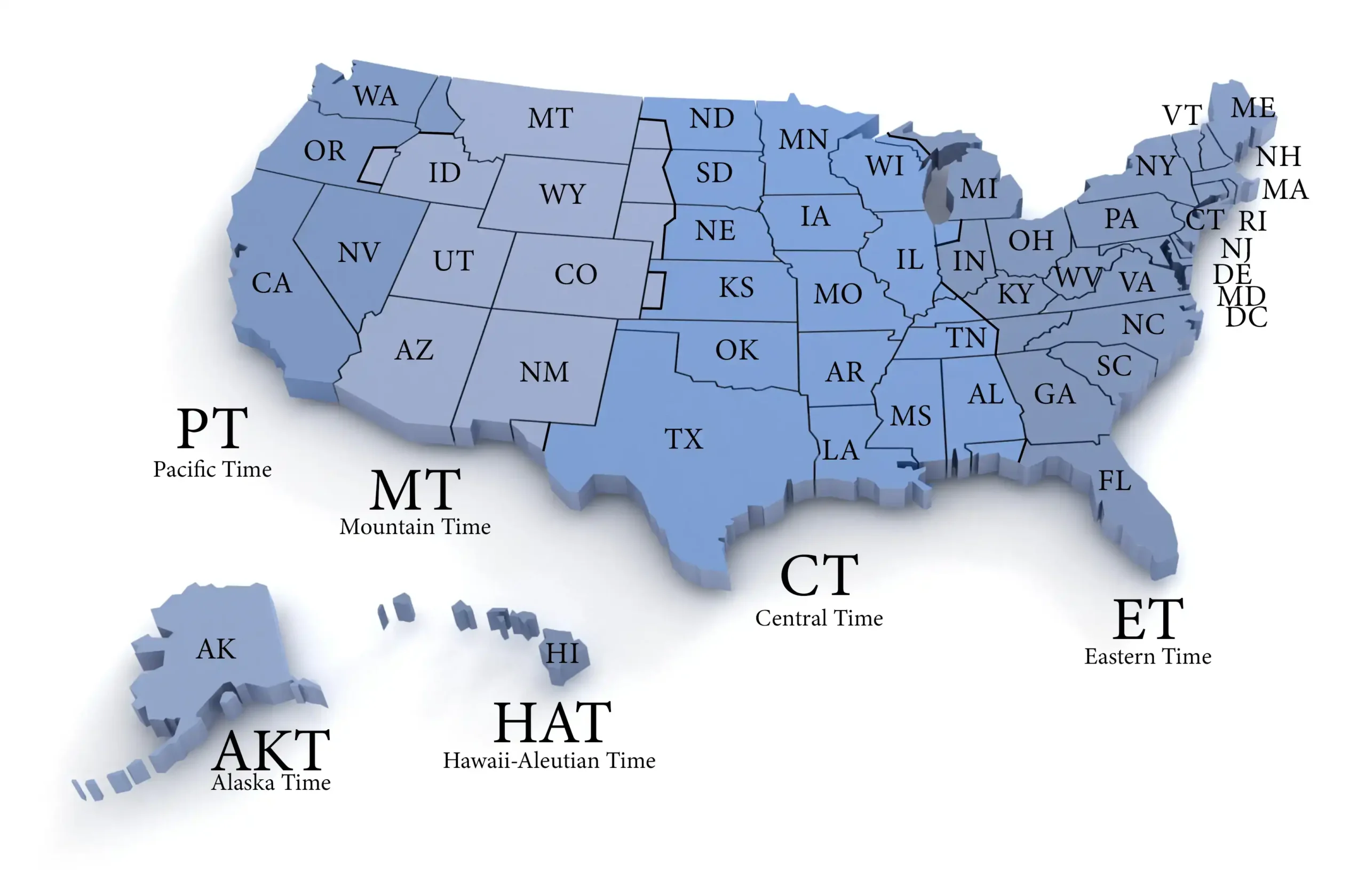
Nestled in the breathtaking American West, Montana is a state renowned for its rugged beauty, vast open spaces, and unparalleled outdoor adventures. Often called “Big Sky Country,” it’s a dream destination for travelers seeking everything from serene natural landscapes to thrilling recreational activities. But for those planning a trip, a fundamental question often arises: what time zone is Montana in, and how does this impact travel arrangements? The answer is straightforward: Montana observes the Mountain Time Zone (MT). Understanding this is crucial for seamless planning, whether you’re booking flights, scheduling tours, or simply coordinating with friends and family back home.
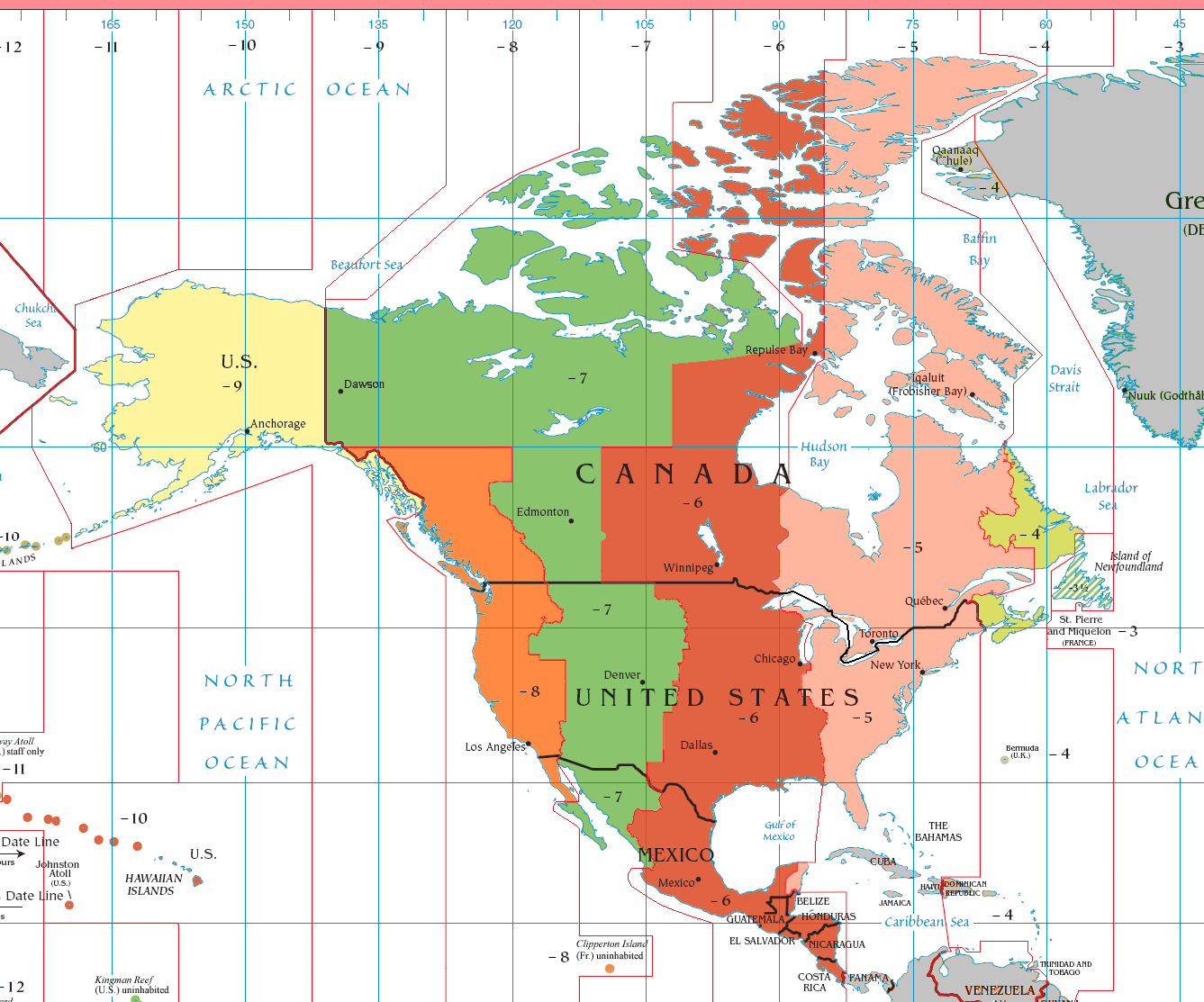
This article delves into the specifics of Montana’s time zone, its implications for your travel experience, and how to make the most of your adventure in this magnificent state. From managing logistics to exploring iconic landmarks and embracing the local lifestyle, knowing the time is your first step towards an unforgettable journey.
Understanding Montana’s Time Zone: Mountain Time Zone (MT)
Montana is located entirely within the Mountain Time Zone, which is seven hours behind Coordinated Universal Time (UTC-7) during standard time. This time zone primarily covers states and provinces situated in the Rocky Mountain region of North America. Its primary designation is Mountain Standard Time (MST) during the cooler months and Mountain Daylight Time (MDT) when Daylight Saving Time is in effect. For travelers coming from the Eastern United States, this means a two-hour time difference, while those from the Pacific Coast will experience a one-hour difference. European or Asian travelers will naturally encounter a more significant shift, requiring careful planning to adjust to the local rhythm.
The Mountain Time Zone is bordered by the Central Time Zone to the east and the Pacific Time Zone to the west. Major cities within this zone include Denver, Salt Lake City, and of course, Montana’s own bustling hubs like Bozeman and Missoula. Interestingly, not all areas within the geographical bounds of the Mountain Time Zone observe Daylight Saving Time; for example, most of Arizona does not, with the exception of the Navajo Nation within its borders. However, Montana consistently participates in Daylight Saving Time, which is a key factor for visitors to consider.
Daylight Saving Time in Montana
Like most of the United States and Canada, Montana observes Daylight Saving Time (DST). This annual tradition involves moving clocks forward by one hour in the spring and back one hour in the fall. In Montana, Daylight Saving Time typically begins on the second Sunday in March at 2:00 AM local time, when clocks spring forward to 3:00 AM. It concludes on the first Sunday in November at 2:00 AM local time, when clocks fall back to 1:00 AM.
During DST, Montana operates on Mountain Daylight Time (MDT), which is UTC-6. This adjustment provides an extra hour of daylight in the evenings, particularly beneficial for summer travelers eager to maximize their time outdoors exploring Montana’s incredible landscapes, from hiking in Glacier National Park to fly-fishing on the Yellowstone River. The extended daylight hours can profoundly influence how you schedule activities, allowing for longer excursions and more leisurely evenings enjoying the state’s natural beauty. It’s an important detail to remember when planning your itinerary, especially if your trip spans the transition dates.
The Significance of Time Zones for Travelers
For any traveler, understanding time zones goes beyond knowing what time to set your watch. It’s a critical element of travel planning that impacts almost every aspect of your journey. Incorrectly calculating the time can lead to missed flights, late check-ins for accommodation, or even missed tour departures. In a state like Montana, where many attractions are time-sensitive – think specific wildlife viewing times in national parks, guided rafting trips, or dinner reservations at a sought-after restaurant – being on the correct time is paramount.
Furthermore, time zone awareness helps manage expectations around communication. When calling home or coordinating with travel companions, knowing the time difference ensures you don’t disturb someone in the middle of the night or miss an important call. It also plays a role in managing your own body clock, helping to mitigate jet lag and ensure you’re well-rested and ready to immerse yourself in the local experiences. For international travelers, the transition to Mountain Time can be a significant adjustment, requiring a few days to fully synchronize with local hours.
Planning Your Montana Adventure: Impact of Time Zones on Travel
Thoughtful planning around Montana’s Mountain Time Zone is essential for a smooth and enjoyable trip. From the moment you begin booking until your final departure, timing will be a constant consideration, particularly for travel logistics and scheduling.
Flight and Accommodation Bookings
When booking flights into Montana’s main airports like Bozeman Yellowstone International Airport (BZN), Missoula International Airport (MSO), or Billings Logan International Airport (BIL), pay close attention to arrival and departure times. Airlines typically display times in the local time zone of the origin and destination, but a double-check can save you from confusion. A flight departing New York at 9:00 AM EST will arrive in Montana at 11:00 AM MDT (during Daylight Saving Time) after a roughly five-hour flight, not 2:00 PM local time as a simple addition might suggest.
Similarly, confirm check-in and check-out times for your hotels, resorts, or other accommodation options. Most properties adhere strictly to their published times, and an early arrival or late departure due to a time zone miscalculation could result in extra charges or inconvenient waiting periods. Many properties, such as the luxurious The Resort at Paws Up or the boutique Kimpton Armory Hotel Bozeman, operate on precise schedules to ensure guests receive top-notch service. Understanding the local time will help you coordinate ground transportation, ensuring your ride is waiting when you actually arrive and that you don’t miss any pre-booked shuttle services.
Synchronizing Activities and Tours
Montana offers a wealth of activities, many of which are guided or require reservations. From guided fishing trips on the Madison River to whitewater rafting adventures near West Glacier, tour operators run on strict schedules. Always confirm the start times in local Mountain Time, especially if booking well in advance or from a different time zone. Missing your allocated slot can lead to forfeiting your deposit or, worse, missing out on a once-in-a-lifetime experience.
If your itinerary includes visits to national parks like Glacier National Park or Yellowstone National Park (which spans both Montana and Wyoming, both in MT), be mindful of park hours for visitor centers, road closures (like the seasonal Going-to-the-Sun Road), and ranger-led programs. Wildlife viewing is often best at dawn and dusk, so being on local time helps you plan for these optimal windows, ensuring you don’t miss out on seeing grizzly bears or elk. Similarly, coordinating meet-up times with travel companions, especially if arriving from different locations, requires everyone to be on the same page regarding Montana’s local time.
Overcoming Jet Lag and Maximizing Your Stay
Jet lag can significantly impact your initial days in Montana, particularly if you’re traveling from distant time zones. The key to mitigating its effects is to start adjusting to Mountain Time even before you depart. Gradually shifting your sleep schedule a few days prior to your trip can make a big difference. Once you arrive, immediately adopt the local time for meals and sleep, even if you don’t feel tired. Exposure to natural light during the day, especially the extended daylight hours during MDT, can help reset your circadian rhythm.

Staying hydrated and avoiding excessive caffeine and alcohol can also aid in adjustment. By quickly adapting to Montana’s clock, you’ll maximize your energy and minimize wasted time recovering from fatigue. This allows you to fully immerse yourself in the state’s incredible tourism offerings, from early morning hikes to late evening stargazing, without feeling out of sync. A well-rested traveler is a happy traveler, and in Montana’s vast expanses, you’ll want all your wits about you to fully appreciate the experience.
Exploring Montana’s Diverse Landscape and Attractions
Once you’ve mastered the time zone, Montana truly opens up as a premier travel destination, offering an incredible array of landmarks and experiences. The state’s natural beauty and rich cultural heritage provide endless opportunities for exploration, catering to every type of traveler.
Iconic National Parks and Natural Wonders
Montana is home to some of the most spectacular national parks and natural wonders in the United States. Glacier National Park, often referred to as the “Crown of the Continent,” boasts pristine forests, alpine meadows, rugged mountains, and spectacular lakes like Lake McDonald and Saint Mary Lake. Its iconic Going-to-the-Sun Road offers breathtaking scenic drives, while over 700 miles of trails invite hikers of all levels. The park’s natural grandeur is complemented by historic lodges such as the Many Glacier Hotel, which offer a blend of rustic charm and comfortable accommodation.
A significant portion of Yellowstone National Park, the world’s first national park, also lies within Montana’s borders, primarily accessible through its northern entrance near Gardiner. Here, visitors can witness the raw power of geothermal features like Old Faithful and Mammoth Hot Springs, alongside abundant wildlife including bison, elk, and wolves. Beyond these giants, Montana offers other incredible natural sites like the vast Flathead Lake, the largest freshwater lake west of the Mississippi River, and the unique badlands formations of Makoshika State Park near Glendive. These natural landmarks are fundamental to Montana’s appeal, drawing millions of tourism dollars and visitors annually.
Charming Cities and Cultural Experiences
Montana’s cities, while smaller than their counterparts in other states, are rich in history, culture, and hospitality. Bozeman stands out as a vibrant university town with a thriving arts scene, excellent dining, and easy access to both Big Sky Resort and Yellowstone National Park. It’s a hub for outdoor enthusiasts and home to the Museum of the Rockies. Missoula, another university city, offers a more laid-back vibe with a focus on craft breweries, fly fishing, and a strong sense of community, nestled in a valley surrounded by seven wilderness areas.
The state capital, Helena, provides a glimpse into Montana’s gold rush past, with its historic architecture and proximity to the Gates of the Mountains Wilderness. Butte, the “Richest Hill on Earth,” tells the story of its mining legacy through impressive historic buildings and the World Museum of Mining. Meanwhile, Great Falls, situated along the Missouri River, celebrates its connection to the Lewis and Clark National Historic Trail and its famous waterfalls. For a truly immersive historical experience, visitors can explore ghost towns like Virginia City, perfectly preserved snapshots of the 19th-century frontier. These urban and historical centers offer a fantastic contrast to the wild natural landscapes and provide essential amenities for travelers.
Premier Accommodation Options
Montana offers a diverse range of accommodation options to suit every budget and lifestyle preference, from rustic cabins to ultra-luxury resorts. For those seeking an opulent experience, ranches like The Resort at Paws Up near Greenough and The Ranch at Rock Creek in Philipsburg redefine glamping and luxury dude ranch vacations, offering world-class amenities, gourmet dining, and tailored outdoor activities. These establishments often come with a hefty price tag but deliver unparalleled service and immersion in the Montana experience.
In cities like Bozeman, boutique hotels such as the Kimpton Armory Hotel Bozeman provide modern comforts and stylish interiors, often with rooftop bars offering stunning views of the surrounding mountains. Missoula and Billings also boast a good selection of chain hotels and local inns, catering to both business and leisure travelers. For those on a budget or looking for a more immersive natural experience, national and state parks provide numerous campgrounds, from basic tent sites to RV hookups. Additionally, vacation rentals, including cabins and homes, are widely available across the state, offering flexibility and a home-away-from-home feel, especially for longer stays or family trips. Booking these in advance, particularly during peak seasons, is always recommended.
Lifestyle and Leisure in the Big Sky Country
Montana’s lifestyle is deeply intertwined with its environment, offering a unique blend of rugged individualism and warm community spirit. Visitors can partake in a wide range of leisure activities that celebrate the state’s natural bounty and cultural heritage.
Outdoor Activities and Experiences
The allure of Montana truly lies in its boundless opportunities for outdoor recreation. During the warmer months, hiking is paramount, with trails ranging from easy strolls to challenging multi-day treks in Glacier and Yellowstone parks. Fly fishing is another iconic Montana activity, with legendary rivers like the Yellowstone, Madison, and Gallatin attracting anglers from around the globe. Rafting and kayaking are popular on various rivers, offering thrilling adventures or serene floats. Mountain biking, horseback riding, and wildlife photography are also favorite pastimes that allow visitors to deeply connect with the landscape.
When winter descends, Montana transforms into a snowy playground. Skiing and snowboarding are major draws, with world-class resorts such as Big Sky Resort, known for its vast terrain and consistent snowfall, and Whitefish Mountain Resort, offering panoramic views of Glacier National Park. Cross-country skiing, snowshoeing, and snowmobiling are also widely enjoyed. These seasonal activities are intrinsically linked to the time of day, and being on Mountain Time helps optimize your participation, ensuring you catch the first chairlift or find the perfect spot for ice fishing before sunset.
Dining and Local Cuisine
Montana’s culinary scene, while perhaps not as widely known as other regions, offers a delicious taste of the West. Local cuisine often features hearty, locally sourced ingredients. Expect to find plenty of bison and elk on menus, prepared in various ways from juicy burgers to gourmet steaks. Fresh trout from Montana’s clear rivers is another staple. Craft breweries and distilleries have flourished across the state, particularly in cities like Bozeman and Missoula, offering unique local brews and spirits.
For a true Montana experience, seek out a local diner for a classic breakfast or a steakhouse for a memorable dinner. Many resorts and hotels, such as those at The Resort at Paws Up, pride themselves on farm-to-table dining, showcasing the best of Montana’s produce and meats. Remember to factor in the Mountain Time Zone when making dinner reservations, especially if you plan to enjoy the longer daylight evenings during summer, as popular spots can book up quickly.
Tips for a Seamless Montana Trip
To ensure your Montana adventure is as smooth as possible, keep these tips in mind:
- Confirm Time Zones: Always double-check event times, reservation times, and opening hours against Mountain Time.
- Adjust Your Devices: Ensure your smartphone, tablet, and other electronic devices are set to automatically update to the local time zone.
- Pack Layers: Montana’s weather can be unpredictable, with significant temperature swings even within a single day.
- Book in Advance: Especially for popular accommodation, tours, and national park entry (which may require timed reservations), booking well ahead is crucial, particularly for peak summer travel.
- Stay Flexible: While planning is good, allow for some spontaneity. Montana’s charm often lies in unexpected discoveries.
- Respect Wildlife: Keep a safe distance from animals and store food properly, especially when camping in bear country.
- Embrace the Journey: The vast distances in Montana mean scenic drives are part of the experience. Allocate ample travel time between destinations.
In conclusion, knowing that Montana is in the Mountain Time Zone and observes Daylight Saving Time is your first step to unlocking an incredible travel experience. This knowledge allows you to meticulously plan every detail, from arrivals and departures to daily activities and dining, ensuring you make the most of your time in this magnificent state. Whether you’re seeking the grandeur of its national parks, the charm of its small towns, or the adventure of its outdoor pursuits, Montana promises a journey filled with unforgettable moments under the big sky. Prepare to adjust your watch, embrace the pace, and discover the magic of Montana.
LifeOutOfTheBox is a participant in the Amazon Services LLC Associates Program, an affiliate advertising program designed to provide a means for sites to earn advertising fees by advertising and linking to Amazon.com. Amazon, the Amazon logo, AmazonSupply, and the AmazonSupply logo are trademarks of Amazon.com, Inc. or its affiliates. As an Amazon Associate we earn affiliate commissions from qualifying purchases.