
The proximity of Cuba to Florida has long been a subject of fascination, sparking curiosity about the distance separating these two geographically close yet culturally distinct Caribbean neighbors. Understanding this distance is not merely an academic exercise; it informs travel possibilities, historical context, and even geopolitical considerations. The shortest distance between Cuba and Florida is a mere 90 miles, a fact that underscores the unique relationship between the island nation and the southeasternmost state of the United States. This relatively short span of the Straits of Florida has played a pivotal role in shaping the historical narratives, cultural exchanges, and migratory patterns of both regions.
The Geographical Divide: Measuring the Miles
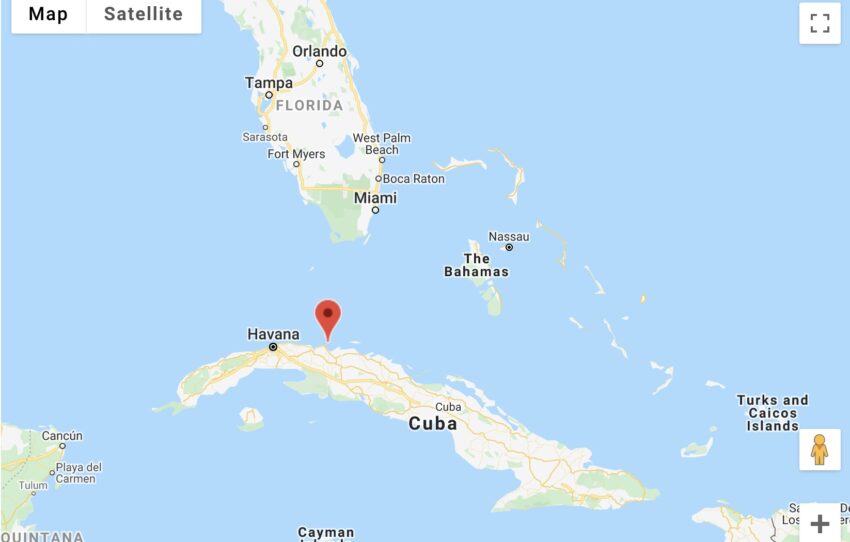
The calculation of the distance between Cuba and Florida depends on the specific points of measurement. However, the most commonly cited and geographically significant figure refers to the shortest distance between the island of Cuba and the southern tip of the Florida Keys.
The Closest Point: Key West to Bahía Honda
The closest geographical point between Cuba and the United States mainland is the approximately 90 miles (about 145 kilometers) separating the western tip of Cuba from the southernmost point of the Florida Keys, specifically near Key West. This measurement is taken across the narrowest expanse of the Straits of Florida. This proximity has historically facilitated smuggling, migration, and even the romantic notion of seeing the lights of Florida from the shores of Cuba on exceptionally clear nights.
Broader Distances: Havana to Miami
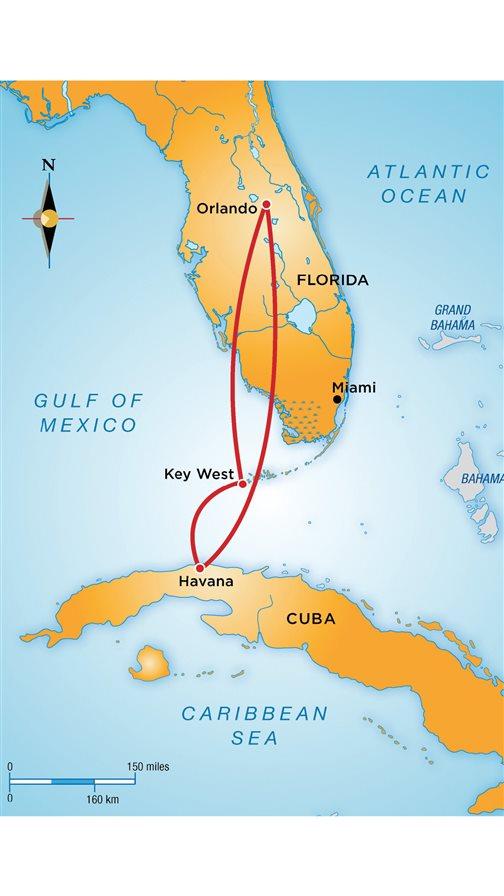
When considering travel routes and more commonly populated areas, the distance between Havana, the vibrant capital of Cuba, and Miami, a major metropolis in Florida, is greater. The direct flight path or sea route between these two cities typically spans around 230 miles (approximately 370 kilometers). This is the distance most relevant to commercial travel and the logistical considerations of inter-country movement. The flight time between Havana and Miami is generally about an hour, making it a feasible destination for short trips and cultural immersion.
Factors Influencing Distance Calculation
It is important to note that “distance” can be interpreted in various ways:
- Great-circle distance: This is the shortest distance between two points on the surface of a sphere, measured along the surface. It is the most common method for calculating geographical proximity.
- Travel distance: This accounts for actual routes taken by planes, ships, or even cars, which may not always follow the most direct geographical path due to air traffic control, shipping lanes, or geographical obstacles.
- Coastal distance: Measuring from the coastlines of each landmass, which can be more complex due to irregular shorelines and inlets.
For the purpose of understanding the relationship between Cuba and Florida, the 90-mile figure is the most compelling for its stark geographical reality, while the 230-mile figure is more practical for travel and logistical planning.
Implications of Proximity: Travel and Cultural Exchange
The relatively short distance between Cuba and Florida has had profound implications throughout history and continues to influence contemporary travel and cultural dynamics.
Historical Significance
For centuries, this proximity has facilitated a flow of people and ideas. During periods of political upheaval in Cuba, particularly after the Cuban Revolution in 1959, the 90-mile journey became a crucial escape route for many Cubans seeking refuge in the United States. Miami became a de facto gateway for these exiles, significantly shaping its demographics, culture, and economy. This mass migration created a vibrant Cuban-American community, fostering a unique cultural fusion within Florida.
Travel and Tourism Dynamics
The distance also defines the potential for tourism. While direct travel between Cuba and the U.S. has been subject to political and economic restrictions for decades, the inherent proximity makes it a natural destination for those in Florida interested in exploring its unique history, music, and colonial architecture. As travel regulations have evolved, the ease of travel between the two locations is a significant factor for potential visitors. The short flight times make day trips or weekend excursions a distinct possibility, further enhancing the appeal for adventure seekers and cultural enthusiasts.
Economic Interconnectedness
The geographical closeness fosters a degree of economic interdependence. Florida, with its established trade routes and access to global markets, can serve as a vital partner for Cuba. While formal trade has been historically limited, the proximity facilitates informal exchanges and potential future economic collaborations. The understanding of distance also informs shipping logistics and the potential for maritime trade, should political and economic conditions align.
Navigating the Straits: Travel Options and Considerations
For those considering a journey between Cuba and Florida, understanding the available travel options and associated considerations is paramount.
Air Travel
The most common and efficient method of travel between Cuba and Florida is by air. Numerous airlines offer direct flights from major Florida cities, such as Miami and Fort Lauderdale, to Havana and other Cuban destinations. The flight duration is typically around one hour, making it a convenient option for both leisure and business travelers. It is essential to be aware of current U.S. government regulations regarding travel to Cuba, which may require travelers to fall under specific categories, such as family visits, journalistic activity, or educational programs.
Sea Travel
Sea travel is another possibility, though less common for direct passenger transit than air travel. Ferries and cruise ships have historically operated between the two regions, and there is ongoing discussion and development in this area. Ferries, if fully operational, would offer a more leisurely and scenic journey, allowing travelers to experience the Straits of Florida firsthand. Cruise lines also periodically offer itineraries that include stops in Cuba from ports in Florida. However, the availability and regulations for such sea travel can change based on political and economic factors.
Challenges and Regulations
Navigating the journey between Cuba and Florida requires careful attention to the complex web of regulations. U.S. citizens traveling to Cuba must comply with U.S. Treasury Department regulations, which dictate the permissible reasons for travel. Similarly, Cuban citizens wishing to travel to the U.S. face their own set of visa and entry requirements. Understanding these rules in advance is crucial to ensure a smooth and legal travel experience. This includes considerations for currency exchange, customs regulations, and any specific health or travel advisories that may be in effect.
The Allure of the Neighbor: Why the Distance Matters
The question of “How Many Miles From Cuba To Florida?” is more than just a geographical inquiry; it’s a gateway to understanding a complex and dynamic relationship. The physical closeness, whether the stark 90 miles or the more practical 230 miles, serves as a constant reminder of shared history, intertwined destinies, and the potential for future connection.
Cultural Resonance
The cultural landscape of Florida, particularly in cities like Miami and Tampa, is undeniably shaped by Cuban influence. From music and dance to cuisine and language, the proximity has allowed for a rich cross-pollination of traditions. This cultural resonance makes Cuba a deeply familiar, yet still exotic, destination for many Floridians. It offers an opportunity to experience the source of many of the cultural elements they encounter daily.
Economic and Political Interplay
The distance also underscores the economic and political interplay between the two nations. The embargo policies enacted by the U.S. government have profoundly impacted the economic relationship, yet the close proximity means that any shifts in policy can have immediate and significant consequences. The desire for increased trade, tourism, and cultural exchange is often palpable, driven by the awareness of how little separates their economies and populations. Understanding the miles is understanding the potential for a closer future.
A Glimpse Across the Water
For many, the short distance evokes a sense of wonder and possibility. It is a reminder that across a relatively narrow stretch of water lies a country with a distinct identity, a captivating history, and a unique rhythm of life. This geographical truth fuels imaginations, inspiring both curiosity and a desire to explore the nuances of this unique neighborly relationship. The question of distance, therefore, is ultimately an invitation to explore the connections and disparities that make the relationship between Cuba and Florida so compelling.
LifeOutOfTheBox is a participant in the Amazon Services LLC Associates Program, an affiliate advertising program designed to provide a means for sites to earn advertising fees by advertising and linking to Amazon.com. Amazon, the Amazon logo, AmazonSupply, and the AmazonSupply logo are trademarks of Amazon.com, Inc. or its affiliates. As an Amazon Associate we earn affiliate commissions from qualifying purchases.