
Proving residency in Florida is a common requirement for a variety of important life events, from obtaining a driver’s license and registering to vote to enrolling children in public schools and accessing in-state tuition rates at state universities. The Sunshine State, known for its beautiful beaches, vibrant culture, and diverse attractions, attracts many individuals who seek to establish their permanent home here. While the process might seem straightforward, understanding the specific types of documentation and the nuances of establishing bona fide residency is crucial for a smooth experience. This guide will delve into the essential steps and documentation required to successfully prove your residency in Florida, ensuring you can access all the benefits and opportunities that come with being a resident.

Understanding Florida Residency Requirements
Before gathering documents, it’s vital to comprehend what Florida considers “residency.” Generally, residency means that Florida is your permanent home and where you intend to return whenever you are temporarily absent. This is distinct from simply owning property or vacationing in the state. The state requires proof of intent to remain in Florida indefinitely, coupled with physical presence. Several agencies, such as the Department of Highway Safety and Motor Vehicles (for driver’s licenses) and the Florida Department of Education (for educational purposes), have specific definitions and documentation lists. It’s always advisable to check the latest requirements directly with the relevant agency, as regulations can be updated.
Key Criteria for Establishing Residency
- Physical Presence: You must physically reside in Florida. This means living in a dwelling, whether it’s a rented apartment, a owned home, or even a long-term stay in a hotel or rental property.
- Intent to Remain: You must demonstrate a clear intention to make Florida your permanent home. This is often shown through actions like registering to vote, obtaining a Florida driver’s license, or enrolling children in Florida schools.
- Financial Ties: Establishing financial connections to the state further solidifies your residency. This can include holding a Florida driver’s license, registering a vehicle in Florida, or filing Florida income tax (or lack thereof, as Florida has no state income tax).
Distinguishing Residency from Domicile
While often used interchangeably, residency and domicile have subtle differences, particularly in legal and tax contexts. Domicile is generally considered your primary, fixed home, to which you intend to return whenever you are absent. Residency can be more fluid, referring to where you currently live. For many practical purposes in Florida, proving residency is sufficient. However, for certain benefits, like in-state tuition, demonstrating domicile might be a deeper requirement. The key takeaway is that Florida aims to identify individuals who are genuinely making the state their permanent abode, not just those who are temporarily present.
Essential Documents for Proving Residency
The cornerstone of proving residency in Florida is presenting a combination of documents that verify your identity and your physical address within the state. Most agencies require at least two forms of identification, with at least one showing your physical residential address. It’s crucial to ensure that the documents you present are current, valid, and bear your full legal name. Expired documents or those with discrepancies will likely be rejected.
Primary Residency Documents (Showing Your Address)
These documents directly link you to a specific residential address in Florida. You will typically need at least one of these:
- Homestead Exemption Application: If you own a home in Florida and have applied for homestead exemption, this is a strong indicator of residency.
- Deed or Title to Residential Property: Proof of ownership of a residential property in Florida.
- Mortgage Statement: A current mortgage statement for a property in Florida.
- Residential Lease Agreement: A signed lease agreement for a rental property in Florida, with your name and address.
- Utility Bills: Recent utility bills (electricity, water, gas, internet, landline phone) in your name, showing your Florida address. These should be dated within the last 30-60 days.
- Florida Driver’s License or Identification Card: If you have already obtained a Florida driver’s license or ID card, this is often considered sufficient proof of residency for many purposes. However, if you are applying for one, you will need other documents.
- Vehicle Registration: A current vehicle registration for a vehicle in your name, with your Florida address.
- Mail from Financial Institutions: Statements from banks or credit unions showing your Florida address.
- Insurance Documents: Homeowner’s, renter’s, or auto insurance policy documents showing your Florida address.
Secondary Identification Documents (Verifying Your Identity)
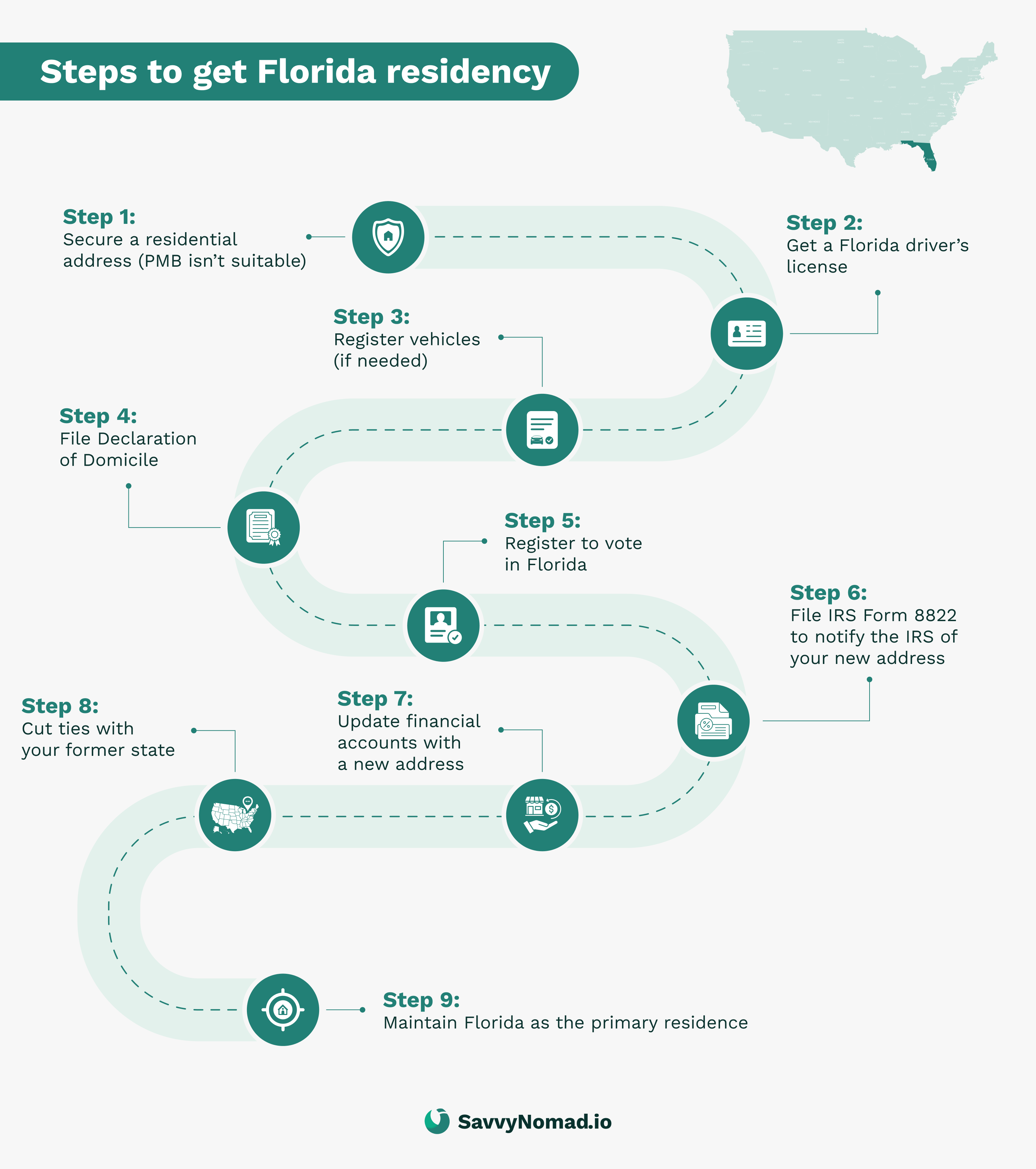
These documents are used to verify your identity and should bear your full legal name. They may or may not show your Florida address, depending on the document.
- Social Security Card: Your original Social Security card.
- Birth Certificate: Your original birth certificate.
- Passport: A valid U.S. passport or a foreign passport.
- Marriage Certificate: If your name has changed due to marriage.
- Divorce Decree: If your name has changed due to divorce.
- Military Orders: If you are active duty military stationed in Florida.
- Permanent Resident Card (Green Card): For non-U.S. citizens.
Special Circumstances and Additional Documents
- For Students: If you are seeking in-state tuition at a Florida public university or college, you will likely need to provide proof of domicile, which often involves demonstrating financial independence from out-of-state parents and providing extensive documentation of your intent to remain in Florida after graduation. This can include things like Florida tax returns, Florida voter registration, and proof of employment in Florida.
- For Minors: When proving residency for a minor, such as for school enrollment, parents or legal guardians will need to provide documents in their name (proving their residency) along with the child’s birth certificate or adoption papers to establish the relationship. School districts may have specific requirements.
- Military Personnel: Active duty military members stationed in Florida can often prove residency with military orders and a letter from their commanding officer, in addition to other standard identification.
- Homeless Individuals: For those experiencing homelessness, Florida agencies often have provisions. This may involve a letter from a shelter or social service agency confirming your residency within the state, or a sworn statement attesting to your residency.
Navigating the Application Process
The process of proving residency typically involves visiting a specific agency’s office, such as a Florida Department of Motor Vehicles (DMV) service center for driver’s licenses, a county tax collector’s office for vehicle registration, or a school district office for enrollment. It’s essential to have all your original documents (or certified copies, if permitted) ready.
Step-by-Step Guide
- Identify the Agency: Determine which agency requires proof of your residency. This will dictate the specific documents needed.
- Gather Documentation: Collect all the necessary original documents as per the agency’s requirements. Ensure they are current and accurate.
- Schedule an Appointment (if applicable): Many agencies, especially the DMV, recommend or require appointments to reduce wait times.
- Visit the Agency: Present your documents to the representative. Be prepared to answer questions about your ties to Florida.
- Complete Application Forms: Fill out any required application forms accurately and completely.
- Pay Fees: Be prepared to pay any applicable fees for the service you are requesting.
Tips for a Smooth Experience
- Check Agency Websites: Always visit the official website of the agency you are dealing with for the most up-to-date list of required documents and procedures.
- Make Copies: Before submitting original documents, make copies for your personal records.
- Be Patient: Government agency processes can sometimes be lengthy. Arriving early and being prepared can help.
- Ask Questions: If you are unsure about any requirement or document, don’t hesitate to ask the agency representative for clarification.
- Maintain Records: Keep copies of all documents submitted and any confirmations received.
Common Pitfalls and How to Avoid Them
Even with the best intentions, missteps can occur when trying to prove residency. Understanding these common pitfalls can save you time and frustration.

Avoid These Common Mistakes
- Outdated Documents: Using expired identification or utility bills that are too old is a frequent reason for rejection. Ensure all documents are current and reflect your Florida address.
- Incorrect Name Spelling or Mismatch: Ensure your full legal name is spelled identically across all documents. Minor discrepancies can cause issues.
- Using a P.O. Box: Most agencies require a physical residential address, not a Post Office box, for residency proof.
- Insufficient Documentation: Not bringing enough acceptable documents or the right combination of documents. Always bring more than you think you’ll need.
- Misunderstanding “Residency” vs. “Domicile”: For certain benefits, particularly educational, the requirements for proving domicile are stricter than for general residency. Research the specific needs for your situation.
- Not Being Honest: Attempting to falsify information or use documents that do not reflect your true living situation can have serious legal consequences.
By meticulously preparing your documentation and understanding the requirements of the Florida agencies, you can navigate the process of proving residency with confidence. Whether you’re moving to Florida for its warm climate, educational opportunities, or vibrant lifestyle, establishing your residency is a key step in becoming an official member of the community.
LifeOutOfTheBox is a participant in the Amazon Services LLC Associates Program, an affiliate advertising program designed to provide a means for sites to earn advertising fees by advertising and linking to Amazon.com. Amazon, the Amazon logo, AmazonSupply, and the AmazonSupply logo are trademarks of Amazon.com, Inc. or its affiliates. As an Amazon Associate we earn affiliate commissions from qualifying purchases.