
The journey from New York, the bustling epicenter of the Northeast, to the sun-kissed shores and vibrant cities of Florida, is a classic American odyssey. For countless travelers, snowbirds, and vacationers, understanding the distance between these two dynamic states is the first crucial step in planning an unforgettable trip. While a simple number might seem straightforward, the answer varies significantly based on your chosen mode of transport, specific departure and arrival points, and the route you decide to take. This comprehensive guide will unravel the mileage, estimated travel times, and essential considerations for making the trek from the Empire State to the Sunshine State, ensuring your journey is as smooth and enjoyable as the destination itself.
The Great American Road Trip: Decoding Driving Distances
For many, the quintessential way to travel from New York to Florida is by car. This option offers unparalleled flexibility, allowing travelers to set their own pace, explore roadside attractions, and create lasting memories. However, the exact driving distance is rarely a single figure.
The Iconic Interstate 95 Corridor
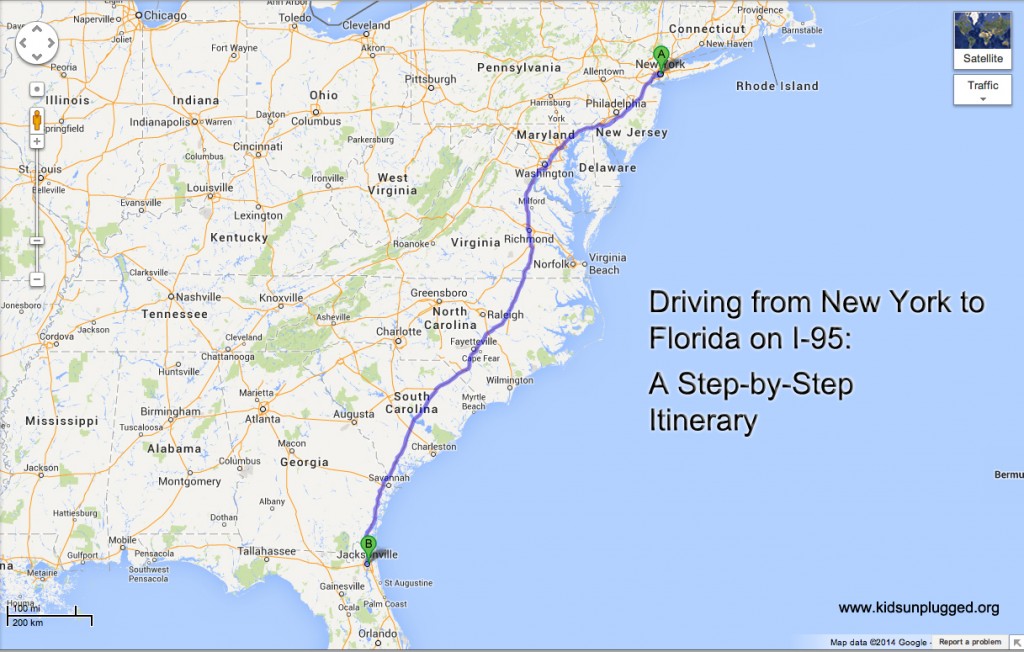
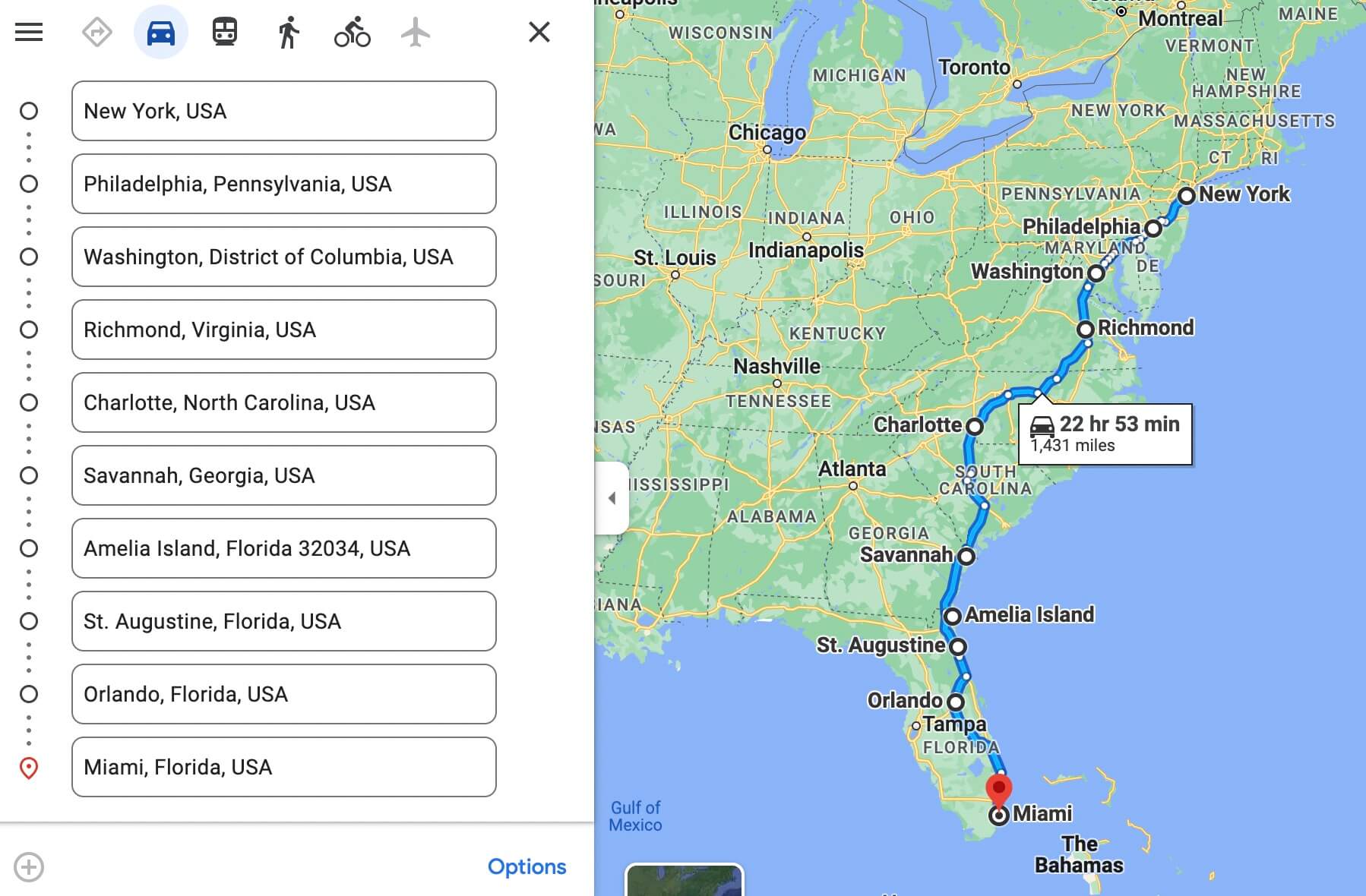
The vast majority of drivers heading south from New York will utilize Interstate 95 (I-95), the primary north-south artery along the East Coast. This multi-lane highway stretches from Maine all the way down to Miami, Florida, serving as the backbone for travel between these regions. The route is relatively straightforward, passing through a string of states: New Jersey, Delaware, Maryland, Virginia, North Carolina, South Carolina, and Georgia before entering Florida.
While I-95 is the most direct, it’s also notorious for traffic congestion, especially around major metropolitan areas and during peak travel seasons. Some drivers opt for slight detours on parallel routes to bypass particularly dense sections, though these often add a small amount of mileage to the overall trip.
Pinpointing Your Journey: New York to Florida’ City-Specific Mileages
The starting point in New York and the ultimate destination in Florida significantly influence the total mileage. For most, the journey begins in or around New York City. Here are some approximate driving distances to popular Florida destinations:
- From New York City to Jacksonville, Florida: Approximately 900-950 miles. This is the closest major Florida city to New York. The drive typically takes around 14-16 hours of pure driving time.
- From New York City to Orlando, Florida: Approximately 1,070-1,150 miles. Orlando, home to world-famous theme parks, is a highly popular destination. Expect 16-18 hours of driving.
- From New York City to Tampa, Florida: Approximately 1,170-1,250 miles. Located on Florida’s Gulf Coast, Tampa is a bit further west than Orlando, adding a little more mileage. Driving time is generally 18-20 hours.
- From New York City to Miami, Florida: Approximately 1,250-1,300 miles. Miami sits at the southern tip of the mainland, making it the longest drive among major Florida cities. Plan for 19-21 hours of driving.
These figures represent actual driving distances and do not account for stops, traffic, or overnight stays.
Beyond Miles: Calculating Drive Time and Essential Stops
While the mileage provides a physical measure, the true duration of your road trip hinges on a multitude of factors. For a solo driver, attempting the entire journey without an overnight stop can be dangerous and is not recommended. Most travelers break the trip into two days, with a comfortable overnight stay somewhere around the halfway point.
Common cities for an overnight stop include Richmond, Virginia, or Charlotte, North Carolina, for journeys to North Florida or Central Florida. For those venturing further south to Miami, a stop in Savannah, Georgia, offers a charming respite approximately two-thirds of the way. When planning your drive time, factor in:
- Rest Stops: At least 15-30 minutes every 2-3 hours for stretching, restroom breaks, and driver changes.
- Meal Breaks: 30-60 minutes for breakfast, lunch, and dinner.
- Traffic Delays: Unpredictable congestion, especially around major cities like Washington D.C., Baltimore, or construction zones.
- Fuel Stops: Plan for several fuel stops along the way.
Considering all these variables, a drive to Orlando might take approximately 18-24 hours spread over two days, while a trip to Miami could easily extend to 22-28 hours.
Air, Rail, and Bus: Alternative Routes to the Sunshine State
Driving isn’t the only way to travel south. Depending on your priorities – speed, cost, or comfort – other modes of transport offer distinct advantages.
Soaring South: The Speed and Convenience of Air Travel
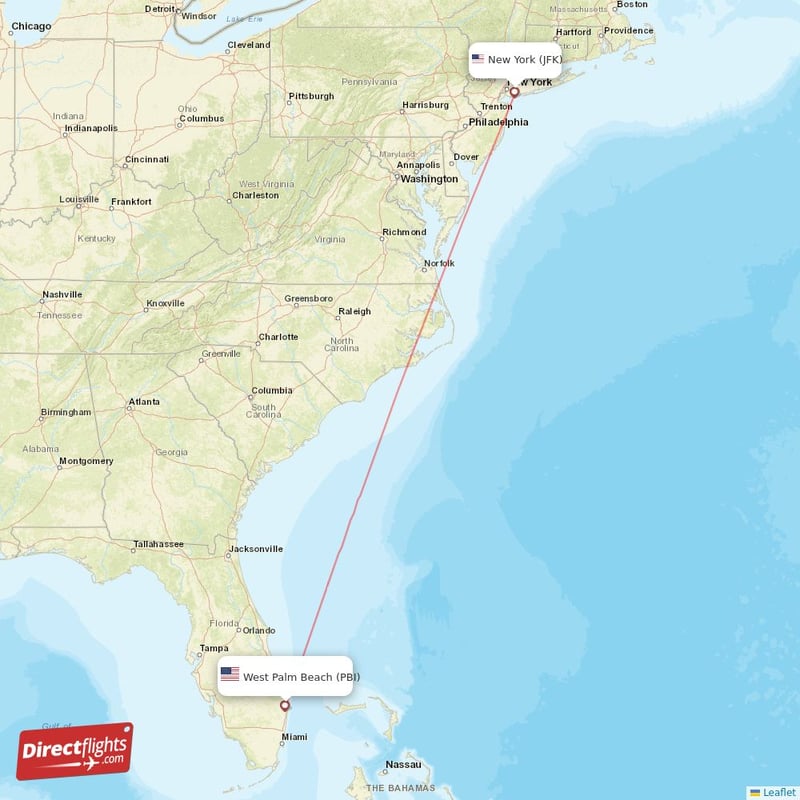
For those prioritizing speed, flying is undoubtedly the fastest option. The straight-line (great-circle) air distance from New York City to Orlando is approximately 940 miles, and to Miami around 1,090 miles.
Major airports serving the New York metropolitan area include John F. Kennedy International Airport (JFK), LaGuardia Airport (LGA), and Newark Liberty International Airport (EWR). In Florida, popular arrival airports are Orlando International Airport (MCO), Miami International Airport (MIA), and Fort Lauderdale-Hollywood International Airport (FLL).
Flight durations are surprisingly short:
- New York to Orlando: Approximately 2.5-3 hours.
- New York to Miami: Approximately 3-3.5 hours.
However, remember to factor in airport security, boarding times, potential delays, and travel to and from airports, which can add 3-5 hours to the overall journey time. Despite this, flying remains the quickest door-to-door option for many.
Embracing the Journey: Amtrak’s Rail Services
For a more relaxed travel experience, Amtrak offers train services from New York City’s Moynihan Train Hall (formerly Penn Station) directly into various Florida cities. The two main services are the Silver Star and the Silver Meteor, both of which travel overnight.
- New York to Orlando: Roughly 19-22 hours.
- New York to Miami: Roughly 25-28 hours.
Amtrak also operates the Auto Train, a unique service that allows travelers to bring their cars along for the journey from Lorton, Virginia (south of Washington D.C.), to Sanford, Florida (near Orlando). While it requires driving to Lorton, it eliminates the long I-95 drive through the Carolinas and Georgia.
Budget-Friendly Overland: Bus Travel Options
Bus services, such as Greyhound, provide the most economical way to travel between New York and Florida. While budget-friendly, this option is also the longest due to numerous stops and slower average speeds.
- New York to Orlando: Can take anywhere from 24 to 30+ hours.
- New York to Miami: Often 30 to 36+ hours.
Bus travel offers a convenient, low-stress alternative for those who prefer not to drive or fly, and who are not constrained by time.
Crafting Your Itinerary: Key Planning Considerations
Regardless of your chosen mode of transportation, a well-planned itinerary is essential for a smooth and enjoyable journey.
Managing Costs: Fuel, Tolls, and Accommodation
A significant factor in any long-distance trip is the cost.
- Fuel: For a car trip, fuel costs will be substantial. The price per gallon fluctuates, and you’ll cover over 1,000 miles.
- Tolls: I-95 and its connecting roads, particularly the New Jersey Turnpike, Delaware Turnpike, Maryland tunnels, and especially the Florida Turnpike, involve significant tolls. An E-ZPass transponder is highly recommended to save time and sometimes money.
- Accommodation: If driving, budgeting for an overnight stay (or two) is crucial. Prices vary greatly by location and season.
- Flights: Airfare can range dramatically based on booking time, season, and airline. Budget airlines may offer lower base fares but charge for extras.
- Train/Bus: Tickets should be booked in advance for the best rates, especially for Amtrak sleeper cars.
Timing is Everything: Navigating Seasons and Traffic
When you travel can profoundly impact your experience.
- Peak Seasons: Holidays (Thanksgiving, Christmas, Easter), spring break, and summer weekends see the heaviest traffic on I-95 and higher prices for flights and accommodations.
- Off-Peak: Late fall (excluding Thanksgiving), early winter (excluding Christmas/New Year), and parts of late spring can offer lighter traffic and better deals.
- Day of the Week/Time of Day: For driving, avoid starting or ending your drive in major metropolitan areas during rush hour (typically 6-9 AM and 3-7 PM on weekdays). Weekends, especially Sunday afternoons, can also be particularly congested.
Preparing for the Long Haul: Vehicle and Passenger Readiness
For road trips, a well-maintained vehicle is non-negotiable. Check tires, oil, fluids, and brakes before you leave. Pack an emergency kit, first-aid supplies, and plenty of snacks and water. For passengers, entertainment is key: charge devices, download movies/podcasts, and prepare playlists. Comfortable clothing and frequent stops will make the long journey more pleasant.
Florida Awaits: Diverse Destinations and Their Distances
Florida is a vast state with diverse attractions. Your final destination will dictate not just the total mileage but also the type of experience you’re seeking.
From Northern Shores to Southernmost Points: Florida’s Geographic Diversity
- North Florida: Cities like Jacksonville and St. Augustine offer historic charm, pristine beaches, and natural beauty. This region is the easiest to reach by car.
- Central Florida: Home to Orlando’s world-famous theme parks, including Walt Disney World Resort and Universal Orlando Resort, this is a magnet for family vacations.
- South Florida: Encompassing Miami, Fort Lauderdale, and the Florida Keys, this region is known for its vibrant nightlife, cultural diversity, and stunning tropical landscapes. This is the longest drive, but for many, the destination is well worth the extended journey.
Essential Tips for a Seamless New York to Florida Journey
Whether you’re embarking on a swift flight or a leisurely road trip, a few universal tips can enhance your experience.
Leveraging Technology for Optimal Navigation
Utilize modern navigation apps like Google Maps or Waze for real-time traffic updates, estimated travel times, and alternative route suggestions. Download offline maps in case of patchy cellular service. For road trips, apps that track gas prices or locate rest stops can also be invaluable.
Making the Journey Part of the Adventure
While getting to Florida is the goal, don’t overlook the journey itself. On a road trip, consider making planned stops at points of interest along I-95, such as historic sites in Virginia or picturesque towns in Georgia. Listen to audiobooks or podcasts, create a fun playlist, and enjoy the changing landscapes as you head south.
Conclusion
The question “How many miles from New York to Florida?” doesn’t have a single, simple answer. It’s a complex query that opens up a world of travel possibilities and planning considerations. Whether you choose the independence of a road trip covering 900 to 1,300 miles, the speed of a 2.5-hour flight, or the relaxed pace of an overnight train, a well-informed decision ensures your journey is safe, efficient, and enjoyable. By understanding the distances, factoring in travel times, managing costs, and preparing for the specifics of your chosen route, you can transform the miles into an integral part of your unforgettable Florida adventure. Safe travels!
LifeOutOfTheBox is a participant in the Amazon Services LLC Associates Program, an affiliate advertising program designed to provide a means for sites to earn advertising fees by advertising and linking to Amazon.com. Amazon, the Amazon logo, AmazonSupply, and the AmazonSupply logo are trademarks of Amazon.com, Inc. or its affiliates. As an Amazon Associate we earn affiliate commissions from qualifying purchases.