
When planning a trip through the heart of the United States, travelers often find themselves immersed in the vast, golden landscapes of the Great Plains. However, tourism is as much about the people as it is about the geography. If you find yourself strike up a conversation in a local diner or attending a festival in Wichita, you might wonder: what is the correct term for the residents of this state? The answer is “Kansan.” While the term seems straightforward, the identity behind it is layered with history, resilient spirit, and a deep-seated pride in the Sunflower State.
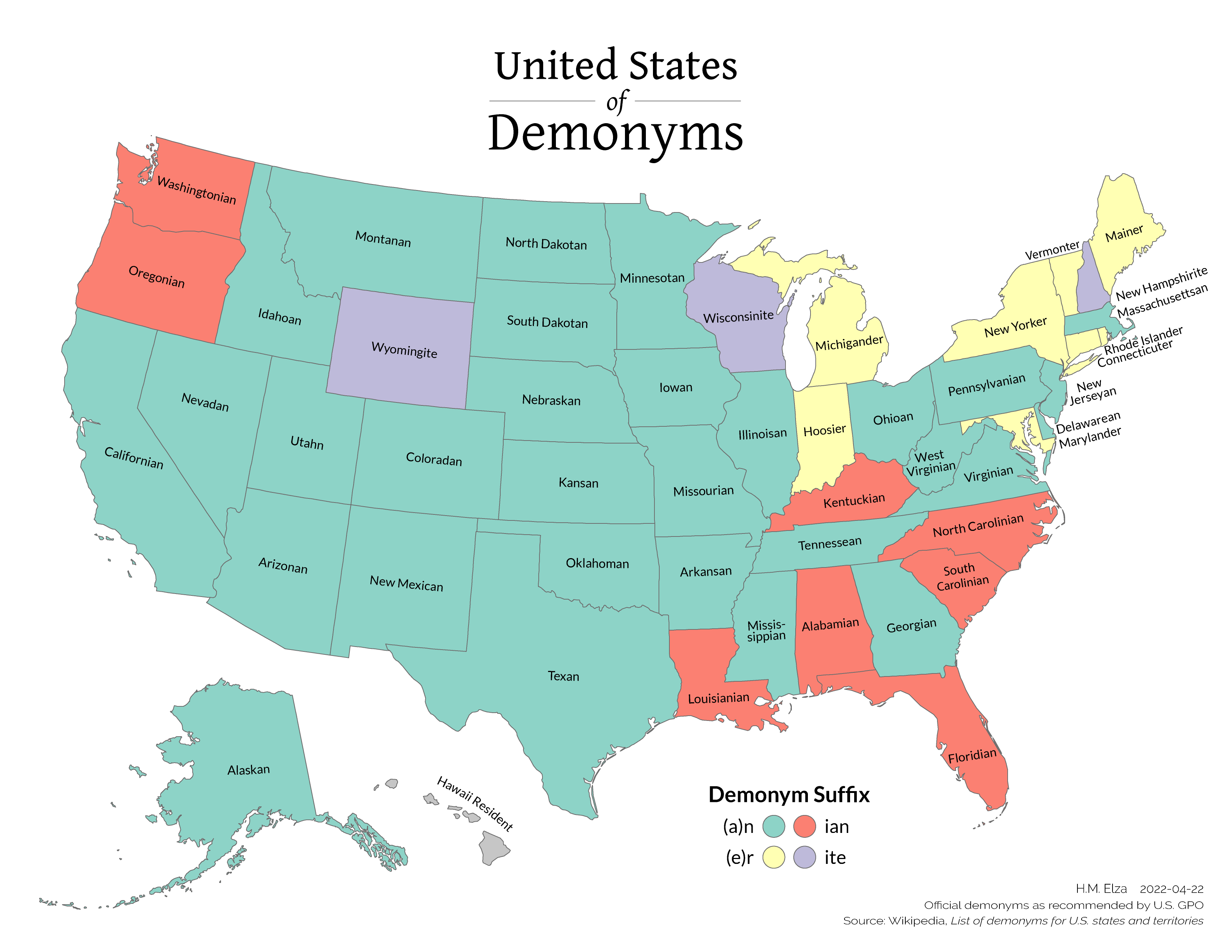
Understanding the local culture starts with this nomenclature. A Kansan is someone who embodies the “Ad Astra per Aspera” (To the stars through difficulties) motto. For a tourist, knowing this term—and the alternative nicknames associated with the region—opens a door into the rich heritage of Kansas.
The Cultural Identity and Roots of the Kansan People
The identity of a Kansan is inextricably linked to the land and the turbulent history of the Midwest. To visit the state is to walk through the annals of American history, from the era of “Bleeding Kansas” to the height of the Wild West.
The Origin of the Term Kansan
The name Kansas itself is derived from the Kansa Native American tribe, which inhabited the area for centuries. The tribe’s name is often translated as “People of the South Wind.” Consequently, calling someone a Kansan is an acknowledgment of a lineage that predates statehood. In modern tourism, this connection is celebrated at various cultural centers and historical sites that honor the indigenous roots of the Missouri River valley.
The Legacy of the Jayhawker
While Kansan is the official demonym, you will frequently hear the term “Jayhawker.” Originally, this term had a more militant connotation, referring to anti-slavery guerillas during the Civil War era. Today, it has evolved into a symbol of state pride, primarily associated with the University of Kansas in Lawrence. For a visitor, the “Jayhawk” is more than a mascot; it represents a history of standing up for convictions, a trait that remains a cornerstone of the local culture.
Hospitality and the Midwestern Ethos
Tourism in Kansas is defined by “Midwestern Nice.” Residents are known for their soft-spoken nature, helpfulness, and community-oriented mindset. Whether you are navigating the streets of Overland Park or exploring a small town like Lindsborg (known as “Little Sweden”), the Kansan hospitality is a primary attraction in itself.
Exploring the Heartland: Top Destinations for Culture and History
To truly understand what it means to be a Kansan, one must explore the diverse hubs of the state. Each city offers a different perspective on the lifestyle and traditions of the region.
Wichita: The Air Capital of the World
As the largest city in the state, Wichita is a blend of industrial innovation and artistic expression. It is a must-visit for any tourist looking to understand the modern Kansan lifestyle. The city’s history is rooted in aviation, and a visit to the Kansas Aviation Museum reveals why so many locals are proud of their contribution to global flight. Don’t miss the Keeper of the Plains, a massive Cor-Ten steel sculpture that stands at the confluence of the Big Arkansas River and Little Arkansas River, symbolizing the unity of the people.
Topeka: A Lesson in Civil Rights
The state capital, Topeka, is essential for tourists interested in the legal and social history of the United States. It is home to the Brown v. Board of Education National Historic Site. This site tells the story of the end of segregation in public schools, a pivotal moment in which Topeka played a central role. The locals here are deeply aware of their city’s place in the struggle for equality, making it a profound cultural stop.
Lawrence: The Spirit of the Jayhawk
Just a short drive from Kansas City, Lawrence is a vibrant college town that pulses with energy. The downtown area, specifically Massachusetts Street, is filled with independent boutiques, local breweries, and music venues. Here, the identity of the Jayhawker is most visible. The city’s liberal atmosphere and focus on the arts provide a unique contrast to the more traditional rural areas of the state.
Dodge City: The Quintessential Wild West
No trip to Kansas is complete without visiting Dodge City. Known historically as the “Wickedest City in the West,” it now serves as a gateway to the history of the Old West. The Boot Hill Museum allows visitors to step back in time and see how the rugged frontier lifestyle shaped the character of early Kansans.
Culinary Tourism: What Kansans Eat

A significant part of the Kansan identity revolves around the dinner table. The state’s agricultural prowess means that food is fresh, hearty, and often served in generous portions.
The World of Kansas City BBQ
While Missouri often claims a share of the fame, the Kansas side of Kansas City is home to some of the most iconic barbecue pits in the world. For a tourist, “burnt ends” are a mandatory culinary experience. The smoky, slow-cooked brisket reflects the patience and craftsmanship of the local pitmasters. Visiting a legendary spot like Joe’s Kansas City Bar-B-Que is a rite of passage for any visitor.
Farm-to-Table Traditions
Beyond the BBQ, the Sunflower State is a leader in wheat and beef production. In rural communities and increasingly in urban centers like Manhattan, farm-to-table dining is not a trend but a way of life. Travelers can enjoy local delicacies like bierocks—a yeast dough pastry filled with savory meat and cabbage brought over by German and Russian immigrants.
The Craft Beverage Scene
In recent years, Kansas has seen a surge in craft breweries and wineries. From the vineyards in the Flint Hills to the microbreweries in Hays, the local beverage scene is a testament to the innovative spirit of modern Kansans. Sampling a local pale ale while watching a sunset over the prairie is a quintessentially local experience.
Natural Landmarks and the Prairie Experience
To understand the Kansan soul, you must look at the horizon. The landscape has dictated the way of life here for generations, and for the tourist, it offers a sense of peace and scale that is hard to find elsewhere.
The Majestic Flint Hills
The Flint Hills region contains the largest remaining tract of tallgrass prairie in the world. Visitors should head to the Tallgrass Prairie National Preserve to see the land as it appeared to early explorers. The rolling hills and vast skies explain why Kansans are so deeply connected to their environment. It is a place for hiking, photography, and silence.
Monument Rocks and the High Plains
In the western part of the state, the Monument Rocks (also known as the Chalk Pyramids) rise out of the flat plains. These natural National Natural Landmarks are remnants of an ancient inland sea. They serve as a reminder of the geological history that precedes the human story of Kansas.
Strataca: The Underground Salt Museum
For a unique experience, tourists can descend 650 feet below the earth’s surface in Hutchinson. Strataca is a massive salt mine that offers tours through its cavernous passages. It showcases a different side of the state’s natural resources and the ingenuity required to harvest them. While in Hutchinson, the Cosmosphere is also a must-see, featuring one of the most significant collections of space artifacts outside of the Smithsonian Institution.
Travel Tips for Visiting Kansas
If you are planning to visit and mingle with the Kansans, here are a few tips to ensure your trip is smooth and culturally respectful.
Navigating the Distances
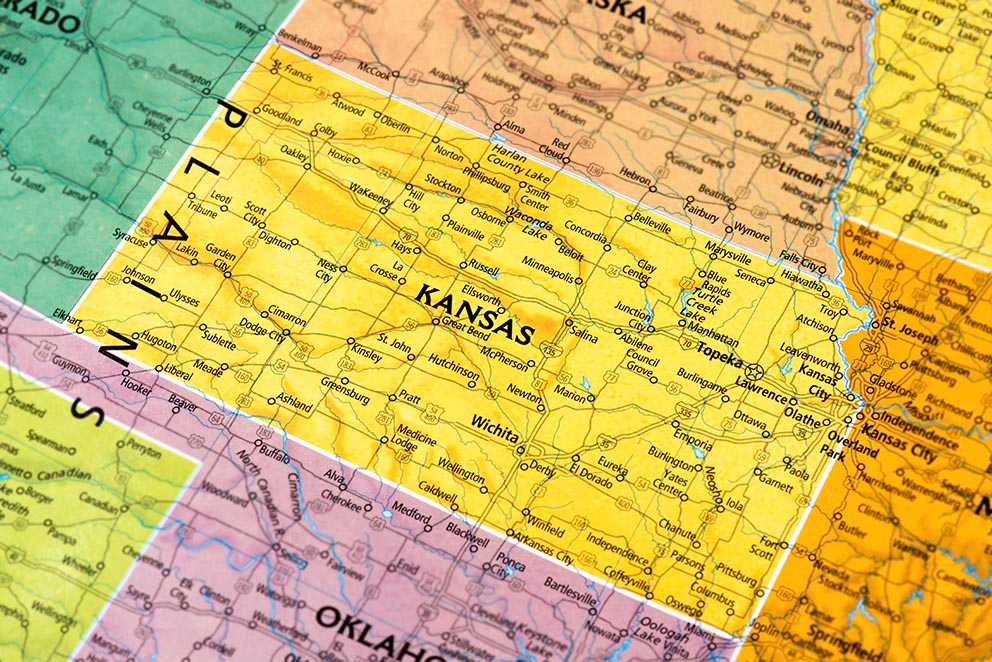
Kansas is vast. When traveling between cities like Salina and Garden City, ensure your vehicle is in good condition and your gas tank is full. The beauty of the state is often found in the “drive-through” experience—the changing colors of the wheat fields and the dramatic storms that can roll across the plains.
Best Times to Visit
The best time for tourism in Kansas is during the spring and fall. Spring brings lush greens to the Flint Hills and vibrant wildflowers. Fall offers mild temperatures and the golden hues of harvest season. Summers can be quite hot, and winters, while often clear, can bring biting winds across the open terrain.
Engaging with Locals
When you meet a Kansan, don’t be afraid to ask for recommendations. Whether it’s the best place for a steak in Abilene or the history of the Eisenhower Presidential Library, locals are generally proud of their history and happy to share it with visitors. Being called a Kansan is a point of pride, and recognizing that identity will surely lead to a warmer welcome.
Safety and Weather
Because the state is located in the heart of Tornado Alley, it is wise for tourists to stay weather-aware, especially during the spring months. Most hotels and public buildings are well-equipped with shelters, and locals take weather alerts seriously. Understanding this aspect of life helps you appreciate the resilience that defines the people of Kansas.
In conclusion, whether you are drawn by the lure of the Old West, the high-tech aviation hubs of Wichita, or the serene beauty of the Tallgrass Prairie, you will find that the people from Kansas—the Kansans—are the true heart of the experience. Their identity is a blend of historical grit and modern hospitality, making the Sunflower State a rewarding destination for any traveler.
LifeOutOfTheBox is a participant in the Amazon Services LLC Associates Program, an affiliate advertising program designed to provide a means for sites to earn advertising fees by advertising and linking to Amazon.com. Amazon, the Amazon logo, AmazonSupply, and the AmazonSupply logo are trademarks of Amazon.com, Inc. or its affiliates. As an Amazon Associate we earn affiliate commissions from qualifying purchases.