
Texas, the Lone Star State, is an expansive land known for its rich history, diverse landscapes, and vibrant culture. Beyond its well-trodden tourist trails and bustling metropolitan centers, Texas also plays a pivotal role in national defense, hosting a significant number of military installations across all branches of the armed forces. These bases are not merely strategic outposts; they are integral communities that profoundly influence the surrounding towns and cities, shaping local economies, demographics, and even the unique lifestyle of their regions. For travelers, understanding the presence and impact of these bases can unlock a deeper appreciation of Texas, revealing hidden gems, historical narratives, and a distinct cultural fabric woven by generations of military service.
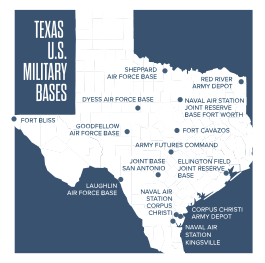
The exact count of military bases can vary slightly depending on how one defines “base” – whether it includes smaller satellite facilities, depots, or joint reserve centers. However, focusing on the major active-duty installations, Texas is home to more than a dozen primary military bases, making it one of the states with the highest military presence in the United States. These installations span the breadth of the state, from the high deserts of El Paso to the coastal plains of Corpus Christi and the heart of Central Texas. Each base contributes uniquely to national security, from training combat forces and testing advanced weaponry to providing critical logistical support and intelligence gathering. For those planning a trip, considering the military heritage of a region can add an enriching layer to their travel experience, offering opportunities to explore museums, historical sites, and communities with a deep sense of patriotism and service.
Military Strongholds Across the Lone Star State: A Geographical Tour
The military presence in Texas is geographically diverse, with installations strategically placed to leverage the state’s vast land, open airspace, and access to the Gulf Coast. These bases are vital hubs for their respective branches, often leading to the development of unique local cultures and significant economic contributions to their surrounding cities. Understanding where these bases are located provides a fascinating insight into the state’s strategic importance and offers travelers a roadmap to explore areas steeped in military history and community spirit.
Army Installations: Powering Ground Operations
The U.S. Army has a substantial footprint in Texas, with several large and historically significant installations. These bases are instrumental in training ground forces, deploying troops, and supporting combat readiness.
- Fort Cavazos (formerly Fort Hood) in Killeen: Located in Central Texas, Fort Cavazos is one of the largest active-duty armored posts in the U.S. Armed Forces, often referred to as “The Great Place.” Its immense size and mission focus on heavy armor and aviation make it a cornerstone of Army operations. The city of Killeen has grown directly alongside the base, offering a unique blend of military-centric businesses and community life. For visitors, the area provides a glimpse into the daily lives of military families, with various family-friendly restaurants and shops. Nearby attractions include the Texas Ranger Hall of Fame and Museum in Waco, offering a dose of Texas history that complements the military narrative. Accommodation in Killeen ranges from budget-friendly hotels perfect for transient visitors to extended-stay apartments catering to families during relocation.
- Fort Bliss in El Paso: Situated in far West Texas, bordering New Mexico and Mexico, Fort Bliss is one of the largest military installations in the United States by land area. It is a critical center for air defense artillery and plays a significant role in developing future combat systems. The base’s location in the Chihuahuan Desert provides unparalleled training grounds. El Paso, with its rich Tex-Mex culture, offers a vibrant backdrop for soldiers and their families. Travelers to El Paso can explore its historic downtown, savor authentic Tex-Mex cuisine, or even venture to Big Bend National Park for breathtaking desert landscapes. Hotels in El Paso cater to a diverse clientele, from luxury resorts with mountain views to practical suites for long-term stays.
- Fort Sam Houston in San Antonio: As part of Joint Base San Antonio, Fort Sam Houston is renowned as the “Home of Army Medicine.” It houses significant medical training facilities, including the Brooke Army Medical Center, and plays a crucial role in medical research and patient care. Its historical significance, with buildings dating back to the late 19th century, makes it a landmark in itself. San Antonio, a city brimming with history and tourist attractions, provides an exceptional urban environment for military families. Visitors can immerse themselves in the charm of the San Antonio River Walk, explore The Alamo, or experience the vibrant culture of The Pearl District. Accommodation options are abundant, ranging from boutique hotels along the River Walk to family-friendly resorts and budget stays.
Air Force Command Centers: Guarding the Skies
The U.S. Air Force has a dominant presence in Texas, with multiple bases specializing in pilot training, intelligence, and bomber operations.
- Joint Base San Antonio (JBSA): This unique installation integrates Fort Sam Houston, Lackland Air Force Base, and Randolph Air Force Base. Lackland is famously known as the “Gateway to the Air Force,” where all enlisted airmen receive their basic military training. Randolph, the “Showplace of the Air Force,” is a major pilot training base. JBSA represents a significant concentration of military power and personnel, making San Antonio truly a “Military City USA.” For travelers, this means a city rich in military heritage, often host to parades and events honoring service members. Exploring the historical missions and architectural beauty of these bases (where public access is permitted or through visitor centers) can be a fascinating experience.
- Sheppard Air Force Base in Wichita Falls: Located in North Texas, Sheppard Air Force Base is the largest and most diverse training base in Air Education and Training Command, responsible for technical training and pilot instruction for NATO allies. The presence of international students adds a unique multicultural flavor to Wichita Falls. Visitors to the area can enjoy local parks, museums, and experience the warm hospitality characteristic of smaller Texas towns. Accommodation includes comfortable hotels and guesthouses catering to both short-term visitors and families attending graduations.
- Laughlin Air Force Base in Del Rio: Situated on the U.S.-Mexico border in Southwest Texas, Laughlin Air Force Base is the busiest pilot training base in the Air Force. Its location offers a starkly beautiful landscape and proximity to unique cultural experiences. Del Rio itself is a vibrant border town, offering outdoor activities on Lake Amistad National Recreation Area and a taste of authentic border culture. Hotels and motels in Del Rio provide convenient access to the base and recreational areas.
- Dyess Air Force Base in Abilene: This base in West Central Texas is one of only two U.S. Air Force bases hosting the B-1B Lancer bomber. Dyess is critical for global power projection and strategic deterrence. Abilene, known as the “Key City,” embraces its military community, offering a welcoming environment. Attractions in Abilene include the Frontier Texas! Museum and a lively arts scene, providing diverse experiences for military families and tourists alike.
- Goodfellow Air Force Base in San Angelo: Located in the Concho Valley of West Central Texas, Goodfellow is a multiservice training base focusing on intelligence, surveillance, and reconnaissance (ISR), as well as fire protection. This unique mission attracts personnel from all military branches, fostering a diverse community in San Angelo. The city offers a relaxed pace of life, with attractions like the San Angelo Museum of Fine Arts and picturesque parks along the Concho River. Accommodation includes charming local hotels and well-appointed suites.
Naval and Marine Corps Presence: Guardians of the Coast and Reserve Forces
While the U.S. Navy and Marine Corps do not have as many large installations as the Army or Air Force in Texas, their presence is strategically important, particularly along the Gulf Coast and in major metropolitan areas for reserve operations.
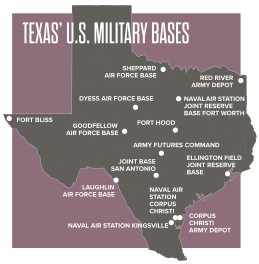
- Naval Air Station Corpus Christi (NASCC): This vital naval air station in Corpus Christi serves as a primary hub for Naval aviation training and maintenance. Its location on the Texas Gulf Coast provides optimal conditions for flight operations. Corpus Christi is a popular travel destination, offering beautiful beaches, excellent seafood, and attractions like the Texas State Aquarium and the USS Lexington Museum on the Bay. Military families and visitors can enjoy a wide array of resorts, hotels, and vacation rentals catering to beach-goers and long-term stays.
- Naval Air Station Joint Reserve Base Fort Worth (NAS JRB Fort Worth): Located in the vibrant Dallas-Fort Worth Metroplex, this base is unique as it hosts units from all five U.S. armed services, primarily reserve components. It’s a critical asset for national security, supporting readiness and training across multiple branches. Fort Worth itself is a major tourist destination, famous for its Fort Worth Stockyards National Historic District, world-class museums, and lively entertainment options. Travelers can choose from luxury hotels in downtown Fort Worth to more budget-friendly options, making it an ideal base for exploring the region’s diverse attractions.
- Other Installations: While not always classified as “bases,” important facilities like the Red River Army Depot near Texarkana and the Corpus Christi Army Depot near NASCC provide vital logistical and maintenance support for Army aircraft and ground vehicles, underscoring Texas’s comprehensive role in national defense.
The Enduring Impact of Military Presence on Texas Travel and Lifestyle
The significant military presence in Texas extends far beyond the fences of the bases, weaving itself into the very fabric of the state’s culture, economy, and community life. For travelers and those considering relocation, understanding this symbiotic relationship offers valuable insights into the unique character of many Texas destinations.
Local Culture, Tourism, and Economic Vibrancy
Military bases are often economic engines for their surrounding cities. They bring thousands of service members, their families, and civilian contractors, creating demand for housing, retail, entertainment, and services. This influx of people stimulates local businesses and often leads to specialized amenities catering to the military community. Towns like Killeen and Del Rio exemplify this, with their economies heavily influenced by their respective bases.
- Tourism Opportunities: Many military towns, especially those with historic bases like Fort Sam Houston, offer unique tourism experiences. Military museums, memorials, and historic sites on or near bases provide educational opportunities and a chance to honor service members. For instance, the Fort Sam Houston Quadrangle is a registered historic landmark open to the public, featuring roaming deer and peacocks. Visiting these areas can add a profound layer to a Texas itinerary, moving beyond typical attractions to explore themes of service, sacrifice, and community resilience. Events such as base open houses or air shows (like those at Randolph or Dyess) are major attractions, drawing thousands of visitors and offering breathtaking displays of aerial prowess.
- Culinary Delights: The diverse population of military towns also influences the local food scene. While Texas is famous for its BBQ and Tex-Mex, military communities often introduce a broader array of international cuisines, reflecting the global backgrounds of their personnel. Discovering these hidden culinary gems can be an unexpected delight for foodies. From authentic Korean BBQ near Killeen to diverse international eateries in San Antonio, these towns offer a palatable journey around the world.
Accommodation and Lifestyle Considerations
The transient nature of military life means that accommodation and lifestyle services are particularly robust in Texas’s military-centric cities. This benefits not only service members and their families but also general travelers seeking diverse lodging options.
- Diverse Accommodation: Cities adjacent to major bases, such as San Antonio, El Paso, and Corpus Christi, boast a wide range of accommodation choices. For short visits, traditional hotels and boutique guesthouses are plentiful. For military families undergoing Permanent Change of Station (PCS) moves, there are numerous options for long-term stays, including extended-stay hotels, furnished apartments, and rental homes. Many hotels near bases also offer military discounts, a testament to the community’s appreciation. Whether you’re seeking a luxury resort experience, a family-friendly suite, or a budget-conscious apartment, the infrastructure exists to support various needs.
- Community and Lifestyle: Living in a military town offers a unique lifestyle. There’s a strong sense of camaraderie and support among military families. Communities are often very patriotic, with events and services tailored to veterans and active-duty personnel. For retirees, Texas is an attractive state due to its lack of state income tax and numerous benefits for veterans, contributing to a vibrant veteran population in many areas. For travelers, this creates a welcoming atmosphere where service is often recognized and respected. Exploring these communities means encountering a unique blend of traditional Texas hospitality and a global outlook shaped by military service.
Planning Your Texas Journey Around Military Landmarks
For travelers interested in a unique perspective on the Lone Star State, incorporating military landmarks into your itinerary can be incredibly rewarding. Texas’s military bases are more than just functional installations; they are symbols of national pride, engines of local economies, and integral components of the diverse Texas identity.
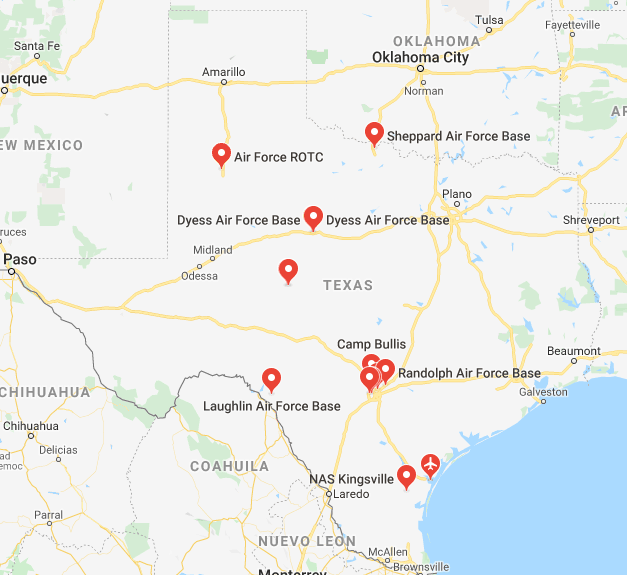
When planning your trip, consider the geographical spread of these bases and the nearby attractions. A trip to San Antonio, for instance, can seamlessly blend the historical significance of The Alamo and the charm of the River Walk with visits to the various components of Joint Base San Antonio, acknowledging the city’s profound military heritage. Similarly, a visit to Corpus Christi can pair beach relaxation and marine life discovery at the Texas State Aquarium with a deep dive into naval history at the USS Lexington Museum on the Bay and insights into the operations of Naval Air Station Corpus Christi.
The sheer number and diversity of military bases in Texas — approximately 15 major installations, plus numerous smaller components and training sites – highlight the state’s enduring commitment to national defense. From the vast training grounds of Fort Cavazos to the strategic airfields of Dyess Air Force Base and the vital naval operations along the Gulf Coast, each base tells a story of service, innovation, and community integration.
Embracing the military aspect of Texas travel provides an opportunity to connect with a powerful and often overlooked facet of the state’s identity. It’s an invitation to explore towns built on dedication, witness advanced military technology, and understand the deep roots of patriotism that thrive across the Lone Star State. Whether you are a history buff, a family traveling with service members, or simply an curious explorer, Texas’s military installations and their surrounding communities offer a rich tapestry of experiences waiting to be discovered. From the Texas Hill Country to the deserts and the coast, these bases are not just dots on a map; they are vibrant living landmarks that define a significant part of the Texas spirit.
LifeOutOfTheBox is a participant in the Amazon Services LLC Associates Program, an affiliate advertising program designed to provide a means for sites to earn advertising fees by advertising and linking to Amazon.com. Amazon, the Amazon logo, AmazonSupply, and the AmazonSupply logo are trademarks of Amazon.com, Inc. or its affiliates. As an Amazon Associate we earn affiliate commissions from qualifying purchases.