
The allure of the open road, the wind in your face, and the freedom of two wheels is an undeniable passion for many. Owning a motorcycle in Texas isn’t just about transportation; it’s a lifestyle, a ticket to adventure across vast landscapes and vibrant cities. From the rolling hills of the Texas Hill Country to the expansive deserts of West Texas, a properly titled and registered motorcycle unlocks a world of exploration. However, before you can truly embrace the Lone Star State’s scenic routes, you must navigate the essential administrative process of transferring a motorcycle title. This guide will walk you through every step, ensuring your journey from purchase to pavement is as smooth as a freshly paved highway.
The Open Road Awaits: Why a Texas Motorcycle Title is Your Gateway to Adventure
For globetrotters and local explorers alike, the motorcycle offers an unparalleled way to experience a destination. In Texas, a state renowned for its diverse geography and rich cultural tapestry, a motorcycle transforms a simple trip into an immersive adventure. Whether you’re a seasoned rider bringing your bike to a new home in Austin or a first-time buyer in Houston eager to hit the highway, understanding the title transfer process is fundamental. It’s not merely a bureaucratic hurdle; it’s the foundation of legal ownership, insurance, and ultimately, your freedom to roam.
Embracing the Texan Biker Lifestyle
The biker lifestyle in Texas is iconic. It’s about camaraderie, the rumble of engines, and the shared joy of discovery. From rallies in Sturgis (though outside Texas, the spirit resonates) to local meet-ups in smaller towns like Luckenbach, the motorcycle community is a vibrant part of the state’s culture. Owning your bike legally ensures you’re a full participant in this lifestyle. It means you can confidently plan cross-state road trips, explore hidden gems, or even just commute with the thrill of the ride. Without a proper title, your ability to insure, register, and even sell your motorcycle is severely hampered, putting a significant damper on your two-wheeled dreams.
Navigating Texas’ Diverse Landscapes on Two Wheels
Imagine cruising through the vibrant arts district of Dallas, making your way down to the historic San Antonio Riverwalk, or venturing west to the majestic vistas of Big Bend National Park. Each destination offers a unique flavor of Texas, and a motorcycle provides a sensory-rich way to absorb it all. The wind carries the scent of pine in East Texas, the dry desert air in El Paso, and the salty breeze of Galveston Island. A motorcycle allows for spontaneous detours to roadside attractions, authentic local eateries, and breathtaking viewpoints that might be missed in a car. This integration of travel, tourism, and lifestyle is at the heart of the motorcycle ownership experience, and it all begins with a legally transferred title.
Essential Steps to a Smooth Motorcycle Title Transfer in Texas
Transferring a motorcycle title in Texas involves a series of specific steps and requires careful attention to detail. While it might seem daunting at first, breaking it down into manageable stages makes the process straightforward. The key is preparation and understanding the requirements set forth by the Texas Department of Motor Vehicles (TxDMV) and your local County Tax Assessor-Collector’s Office.
Gathering Your Arsenal of Documents
Before you even think about stepping foot into an office, assemble all the necessary paperwork. Missing even one document can lead to frustrating delays, especially if you’ve traveled a distance. The core documents you’ll need typically include:
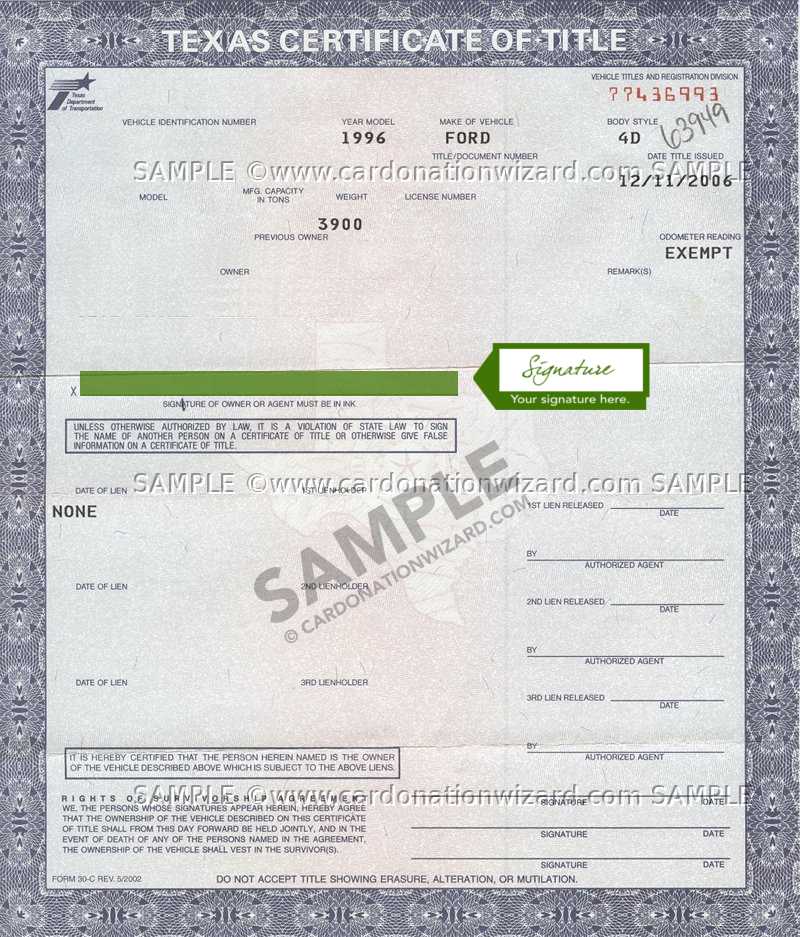
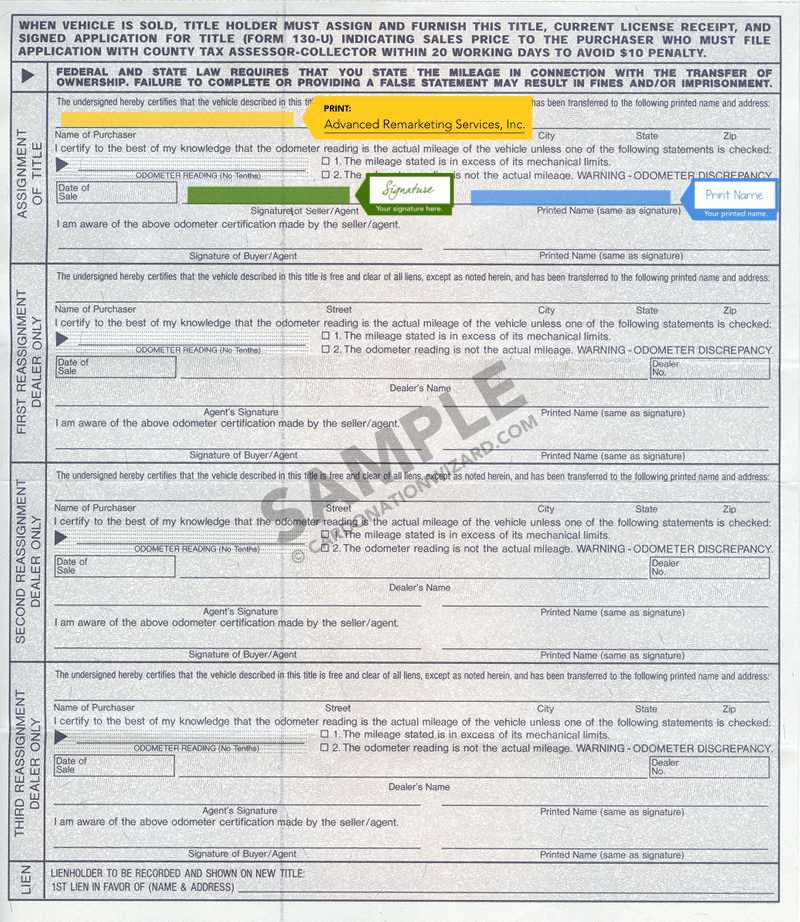
- The Original Motorcycle Title: This is the most critical document. Ensure it is signed by the seller exactly as their name appears on the title. If there’s a lien listed on the title, the lienholder must also sign off or provide a separate Release of Lien form. For newer titles, an odometer disclosure is often part of the title itself. For older titles, a separate Odometer Disclosure Statement (Form VTR-40) might be required if the vehicle is less than 10 years old.
- Application for Texas Title and/or Registration (Form 130-U): This form is the cornerstone of the title transfer process. It must be completed accurately and in full. Both the buyer and the seller will need to provide information, including their names, addresses, and signatures. It also includes sections for vehicle information, sales price, and declarations regarding liens.
- Proof of Insurance: You must have liability insurance that meets Texas minimum requirements for your motorcycle. You’ll need to show proof of this insurance when registering the vehicle.
- Valid Photo Identification: The buyer must present a valid government-issued photo ID (e.g., a Texas Driver’s License or ID card) at the time of transfer.
- Vehicle Inspection Report (VTR-197 or evidence of inspection): Before you can register your motorcycle, it must pass a safety inspection at an authorized Texas inspection station. If you’re bringing an out-of-state vehicle, a Vehicle Identification Number (VIN) inspection might also be necessary to verify the vehicle’s identity. The inspection station will provide you with a report or submit the information electronically.
- Release of Lien (if applicable): If there was a lien on the motorcycle (e.g., from a loan), the lienholder (bank, credit union) must provide a Release of Lien form (Form VTR-265) or sign off on the title itself, indicating the loan has been paid in full.
- Sales Tax Forms (if applicable): While not always a separate form, the sales tax calculation is integral to Form 130-U. If the motorcycle was a gift, specific affidavits might be needed to avoid sales tax (Form 14-317, Affidavit of Motor Vehicle Gift Transfer).
The All-Important Texas Application for Title (Form 130-U)
The Form 130-U is arguably the most critical piece of paperwork. It consolidates much of the information needed for the transfer and serves as the official request for a new title. Take your time filling it out, ensuring all fields are accurate.
- Vehicle Information: VIN, make, model, year, body style, unladen weight, and odometer reading.
- Buyer Information: Full legal name, address, driver’s license number, and signature. If there are multiple buyers, all must be listed and sign.
- Seller Information: Full legal name, address, and signature.
- Sales Price: The agreed-upon purchase price of the motorcycle. This is crucial for calculating sales tax.
- Tax Information: Sales tax is 6.25% of the sales price or the standard presumptive value (SPV), whichever is greater. The SPV is a value determined by the state based on the vehicle’s make, model, and year, designed to prevent under-reporting of sales prices to avoid tax. If your sales price is significantly lower than the SPV, be prepared to explain why, and you might still be taxed on the SPV.
- Lien Information: If you are financing the motorcycle, the lienholder’s information will be recorded here.
Accuracy on this form is paramount. Errors can lead to rejection of your application and require you to restart the process.
The Financial Side: Understanding Fees and Taxes
Transferring a title in Texas isn’t free. You’ll encounter several fees:
- Sales Tax: As mentioned, this is 6.25% of the sales price or the SPV, whichever is greater. This is often the largest fee.
- Title Transfer Fee: A standard fee of $33.00 (as of current guidelines, though subject to change) for a new title.
- Registration Fee: This annual fee varies slightly by county but is typically around $50.75 for motorcycles. This covers your license plate and registration sticker.
- Inspection Fee: Paid directly to the authorized inspection station, typically around $7.00 for a motorcycle safety inspection.
- Local Road and Bridge Fee: Some counties may charge an additional fee.
- Processing and Handling Fees: Some counties might have minor administrative fees.
It’s advisable to contact your specific County Tax Assessor-Collector’s Office or check their website for the most current and exact fee schedule, as minor variations can occur.
Where to Go: Your Local County Tax Assessor-Collector’s Office
Once all your documents are gathered and forms are completed, the final step is to visit your local County Tax Assessor-Collector’s Office. This is the only place you can legally transfer the title and register your motorcycle.
- Bring Everything: Take all the documents listed above, your photo ID, and payment for all applicable fees. Many offices accept cash, checks, and credit/debit cards, but it’s wise to confirm payment options beforehand.
- Submit Your Application: A clerk will review your documents, verify the information, and process your application. They will calculate the final fees due.
- Receive Temporary Registration: Upon successful submission and payment, you’ll typically receive a temporary registration and your new license plate and registration sticker on the spot.
- Wait for Your New Title: The official paper title will usually be mailed to you within a few weeks (often 2-4 weeks, but can be longer during peak times). Ensure your mailing address on Form 130-U is correct.
Beyond the Basics: Special Scenarios and Pro Tips for Texas Title Transfers
While the standard process covers most situations, there are a few special scenarios and important tips that can further streamline your title transfer experience.
Out-of-State Transfers: Bringing Your Ride to the Lone Star State
If you’re relocating to Texas and bringing your motorcycle with you, the process has a few additional steps. You’ll still need the original out-of-state title, proof of insurance, and Form 130-U. However, you’ll also need:
- Texas Safety Inspection: Your motorcycle must pass a Texas safety inspection.
- VIN Verification: Depending on your situation and the age of the vehicle, the County Tax Assessor-Collector’s Office may require a VIN inspection to confirm the vehicle’s identity. This is often done at the inspection station.
- Proof of Residency: You’ll need to establish residency in Texas, which usually means having a Texas driver’s license or ID card.
You have 30 days from the date you establish residency in Texas to register your vehicle.
Dealing with Liens and Lost Titles
- Motorcycles with a Lien: If the motorcycle you’re purchasing still has a lien on it, the seller must first obtain a Release of Lien from their lienholder. This is a critical step. Do not complete the purchase without ensuring the lien is either satisfied or will be satisfied immediately upon sale and documented with a Release of Lien. Otherwise, you could inherit the previous owner’s debt.
- Lost or Damaged Titles: If the seller has lost their title, they must apply for a “Certified Copy of Title” (Form VTR-34) through the TxDMV before they can transfer ownership to you. This can add a few weeks to the process, so factor this into your timeline. Never purchase a motorcycle without a clear title in hand from the seller.
Time is of the Essence: Adhering to Texas Deadlines
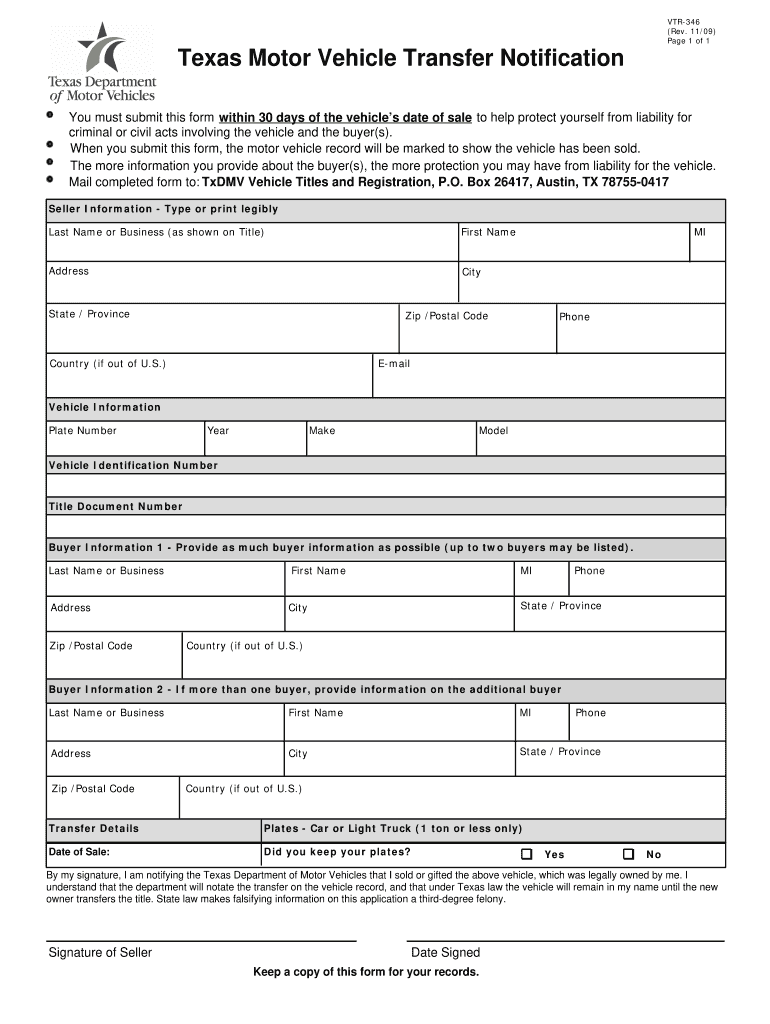
Texas law mandates that you transfer the title within 30 calendar days from the date of purchase. Failing to do so can result in penalties, including late fees. Not only does adhering to this deadline save you money, but it also ensures you’re legally recognized as the owner, which is crucial for insurance claims, preventing potential legal issues, and ultimately, enjoying your new ride without unnecessary stress.
The Motorcycle Traveler’s Ultimate Companion: Why a Properly Titled Bike Matters
Beyond the legalities, a properly titled motorcycle is your ultimate companion for exploring the vast and varied tapestry of Texas. It’s not just about owning a vehicle; it’s about owning the means to unforgettable experiences, from luxury stays to budget-friendly adventures.
Exploring Iconic Texas Landmarks by Motorcycle
With your title secured, the state is your oyster. Imagine starting your journey in Fort Worth, taking in the historic Stockyards, and then heading south through the Texas Hill Country to visit charming towns like Fredericksburg or catch a live show at Gruene Hall, the oldest continually operating dance hall in Texas. A motorcycle allows for easy navigation of winding roads and the freedom to pull over at scenic overlooks.
Further afield, a road trip to the Guadalupe Mountains National Park offers breathtaking views and challenging rides. Or perhaps a coastal adventure down to South Padre Island for sun and sand is more your speed. In Dallas, you could visit the Sixth Floor Museum at Dealey Plaza, or in Houston, marvel at the wonders of space exploration at the NASA Johnson Space Center. Each of these landmarks, destinations, and experiences is enhanced by the unique perspective and freedom a motorcycle provides.
Planning Your Texas Motorcycle Adventure: Accommodation and Culture
Motorcycle touring in Texas allows for incredible flexibility in travel and accommodation. You can choose to indulge in luxury at boutique hotels in Austin or San Antonio, often with dedicated motorcycle parking. Or, for the budget-conscious traveler, countless motels and RV parks along popular routes offer comfortable and affordable stays. Apps and online guides specifically for motorcycle travelers can help you find biker-friendly resorts, restaurants with local flavor, and even specialized tour guides.
Embracing the local culture is a huge part of motorcycle tourism. Stop in small towns for authentic Texas barbecue, visit art galleries in places like Marfa, or simply strike up conversations with locals at a roadside diner. Your motorcycle is more than just a vehicle; it’s a conversation starter, a symbol of adventure that often opens doors to unique local experiences and connections. The ease of booking accommodation, finding local attractions, and comparing options for your travel style – whether it’s a rugged camping trip or a pampered resort stay – becomes seamless once your motorcycle is legally yours and ready to roll.
In conclusion, transferring a motorcycle title in Texas is a fundamental administrative task that underpins all your future two-wheeled adventures. By meticulously following the steps outlined, gathering the necessary documents, understanding the financial implications, and adhering to deadlines, you’ll swiftly navigate the process. With your title in hand and your bike registered, the vast and beautiful landscape of Texas awaits, ready for you to explore its destinations, immerse yourself in its culture, and truly live the motorcycle lifestyle. Safe travels!
LifeOutOfTheBox is a participant in the Amazon Services LLC Associates Program, an affiliate advertising program designed to provide a means for sites to earn advertising fees by advertising and linking to Amazon.com. Amazon, the Amazon logo, AmazonSupply, and the AmazonSupply logo are trademarks of Amazon.com, Inc. or its affiliates. As an Amazon Associate we earn affiliate commissions from qualifying purchases.