
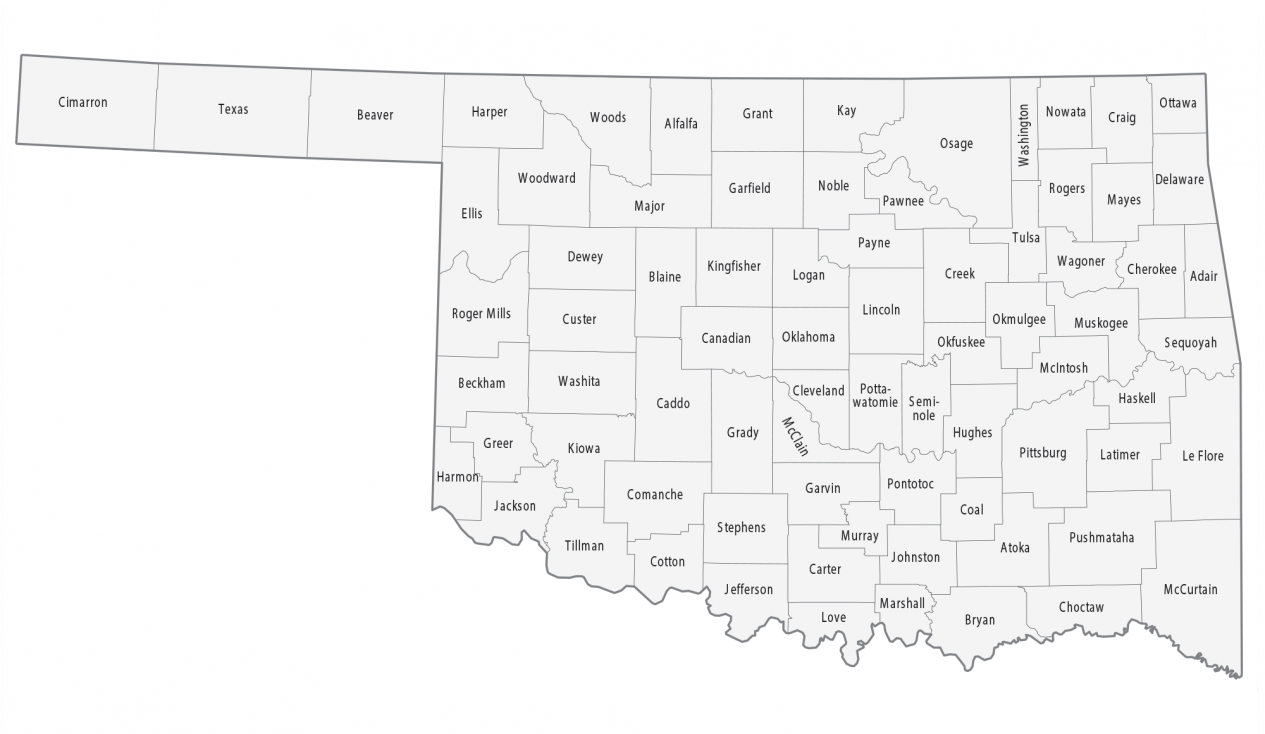
Oklahoma, a state steeped in the rich tapestry of American history and natural beauty, invites exploration through its diverse landscapes and vibrant communities. Understanding the administrative divisions of this central United States gem is crucial for anyone planning a journey, from tracing historical routes to discovering hidden local attractions. While the exact number of counties might seem like a mere statistic, for the discerning traveler, it unlocks a deeper appreciation of the state’s geography and the unique character of each region. Oklahoma is comprised of seventy-seven counties, each with its own story, its own points of interest, and its own contribution to the state’s overall charm.
Navigating the Sooner State: A County-by-County Overview
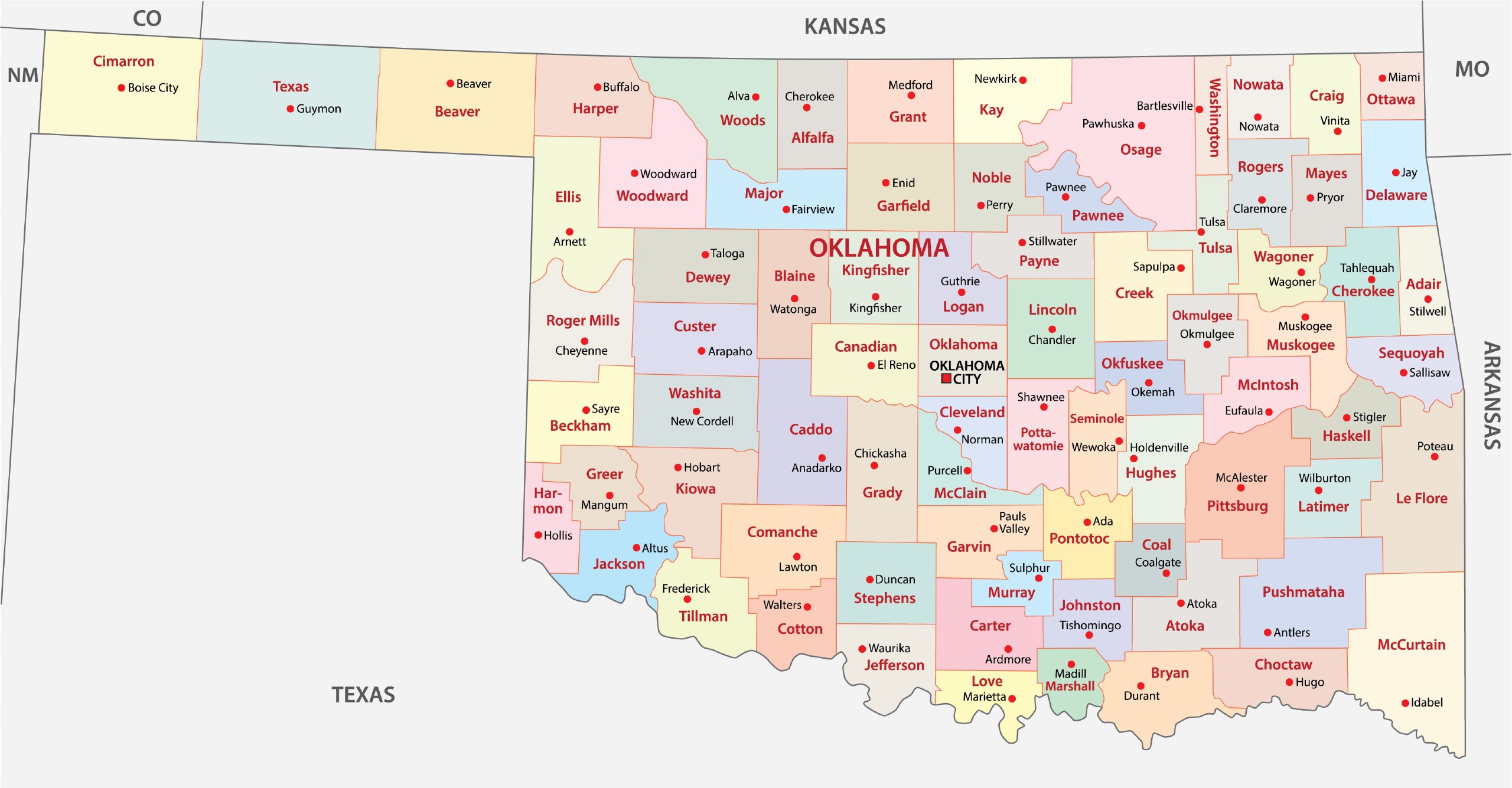
The seventy-seven counties of Oklahoma form the framework for understanding the state’s geography and planning your travels. From the rolling plains of the west to the wooded hills of the east, each county offers a distinct experience. Whether you are interested in the historical significance of the Dust Bowl era, the natural wonders of its state parks, or the burgeoning cultural scenes of its cities, knowing the county boundaries can help you pinpoint your destinations and understand the regional nuances.
Western Oklahoma: The Plains and the Prairies
Western Oklahoma is characterized by its vast, open spaces, a testament to its agricultural heritage and its role in the American West. Counties here often evoke the spirit of the frontier, with wide-open skies and a sense of enduring history.
The Panhandle’s Unique Geography
The three counties that form the Oklahoma Panhandle—Cimarron County, Texas County, and Beaver County—are geographically distinct, sharing a border with three other states: Colorado, Kansas, and New Mexico. This unique position has shaped their history and local culture. Travelers here can experience the stark beauty of the landscape, explore remnants of pioneer life, and witness sunsets that paint the sky in breathtaking hues. Black Mesa State Park in Cimarron County offers a chance to stand at the highest point in Oklahoma and gaze out at a panorama that stretches for miles.
The Dust Bowl Heartland
Many counties in western Oklahoma were at the epicenter of the Dust Bowl in the 1930s. Places like Custer County and Dewey County bear the marks of this challenging period, and visitors can find museums and historical markers that tell the story of resilience and adaptation. The Woodward Arts and Cultural Center in Woodward County often features exhibits that touch upon this significant era.
Central Oklahoma: The Crossroads of Culture and Commerce
Central Oklahoma serves as the state’s hub, encompassing its capital city and a blend of urban energy and rural charm. This region is a melting pot of history, innovation, and diverse attractions.
Oklahoma City and Surrounding Counties
The metropolitan area around Oklahoma City, the state capital, spans several counties, including Oklahoma County itself, Canadian County, and Logan County. This vibrant region offers a wealth of attractions, from world-class museums like the Oklahoma City Museum of Art to the historic Stockyards City National Historic District, where you can witness a live cattle auction. The Myriad Botanical Gardens provides a lush escape within the urban landscape. For those interested in aviation history, the National Cowboy & Western Heritage Museum offers a deep dive into the spirit of the American West.
The Prairies and Small Towns
Beyond the capital, central Oklahoma is dotted with charming small towns, each with its own unique character. Counties like Pottawatomie County and Seminole County offer a glimpse into the state’s agricultural roots and a slower pace of life. Exploring these areas can lead to discoveries of local diners, antique shops, and community festivals that showcase genuine Oklahoma hospitality.
Eastern Oklahoma: The Ozark Highlands and the Green Country
Eastern Oklahoma is a region of striking natural beauty, characterized by the foothills of the Ozark Mountains and lush, verdant landscapes often referred to as “Green Country.” This area is a paradise for outdoor enthusiasts and those seeking a connection with nature.
The Majestic Ozarks
Counties such as Adair County, Sequoyah County, and Cherokee County are home to some of the most picturesque scenery in the state. The Illinois River winds through this region, offering opportunities for canoeing, kayaking, and fishing. The Talimena National Scenic Byway in the southeastern part of the state, traversing counties like Le Flore County and Pushmataha County, provides breathtaking vistas and access to hiking trails within the Ouachita Mountains.
Lakes and Waterways

Eastern Oklahoma boasts numerous lakes and reservoirs that are major recreational hubs. Grand Lake o’ the Cherokees in counties like Delaware County and Mayes County is a popular destination for boating, swimming, and watersports. Lake Eufaula in McIntosh County is one of the largest man-made lakes in the country, offering extensive opportunities for outdoor recreation.
The Rich Heritage of Native American Culture
This region is deeply intertwined with the history and culture of Native American tribes, particularly the Cherokee, Creek, Seminole, Chickasaw, and Choctaw Nations, many of whom were forcibly relocated to this territory. Visitors can explore tribal museums, cultural centers, and historical sites in counties like Tulsa County, Muskogee County, and Choctaw County, gaining an understanding of their enduring legacy.
Southern Oklahoma: The Arbuckle Mountains and the Chickasaw Nation
Southern Oklahoma is a region of unique geological formations, rich history, and a strong sense of cultural identity, particularly with the prominence of the Chickasaw Nation.
The Arbuckle Mountains’ Natural Wonders
The Arbuckle Mountains are a significant geological feature, offering stunning natural beauty and recreational opportunities. Counties like Murray County and Johnston County are home to attractions such as Turner Falls Park and the Chickasaw National Recreation Area, which includes the mineral springs of Sulphur. These areas are ideal for hiking, picnicking, and enjoying the refreshing waters.
Historic Territories and Cultural Centers
Southern Oklahoma was a significant part of the Five Civilized Tribes territories. Counties like Pontotoc County, home to Ada, the capital of the Chickasaw Nation, offer numerous opportunities to learn about Chickasaw history and culture through museums and historical sites. The Chickasaw Cultural Center in Sulphur is a must-visit for anyone interested in the tribe’s heritage.
Northeastern Oklahoma: The Gateway to the Ozarks and the Tulsa Metropolitan Area
Northeastern Oklahoma is a dynamic region, blending the natural beauty of the Ozark Mountains with the economic and cultural significance of the Tulsa metropolitan area.
Tulsa and its Tributaries
Tulsa, the state’s second-largest city, is located in Tulsa County and is a hub for arts, culture, and industry. The city boasts impressive Art Deco architecture, the renowned Philbrook Museum of Art, and the vibrant Blue Dome District for entertainment. Surrounding counties like Rogers County, which includes the picturesque town of Claremore (home to the Will Rogers Memorial Museum), and Osage County, known for its oil heritage and stunning landscapes, contribute to the region’s diverse appeal.
The Verdigris River Valley and Beyond
The Verdigris River Valley and the surrounding areas offer a mix of natural beauty and historical significance. Counties like Nowata County and Washington County provide a more rural experience, with opportunities for outdoor recreation and exploring charming small towns.
Northwestern Oklahoma: The Prairies and the Ranching Heritage
Northwestern Oklahoma is characterized by its wide-open spaces, rolling prairies, and a strong ranching heritage, echoing the spirit of the American West.
The High Plains and Ranch Country
Counties such as Alfalfa County, Garfield County, and Grant County embody the quintessential Oklahoma prairie landscape. This region is ideal for those who appreciate vast horizons, the rhythm of agricultural life, and the enduring legacy of the ranching industry. Cities like Enid in Garfield County serve as regional centers, offering amenities and a glimpse into the local way of life.
Historical Trails and Natural Reserves
This part of the state also holds historical significance, being part of ancient trails and early settlement routes. While not as heavily forested as the east, there are still pockets of natural beauty, including areas that support diverse wildlife. Exploring these counties offers a chance to connect with the untamed spirit of Oklahoma.
In conclusion, the seventy-seven counties of Oklahoma collectively weave a rich and varied narrative for travelers. Each county, from the rugged beauty of the Panhandle to the lush greenery of the Ozarks, and from the historical resonance of the Plains to the cultural vibrancy of its cities, offers a unique piece of the Oklahoma experience. Understanding this administrative map is not just about counting; it’s about unlocking the diverse destinations, attractions, and cultural encounters that await within the Sooner State.
LifeOutOfTheBox is a participant in the Amazon Services LLC Associates Program, an affiliate advertising program designed to provide a means for sites to earn advertising fees by advertising and linking to Amazon.com. Amazon, the Amazon logo, AmazonSupply, and the AmazonSupply logo are trademarks of Amazon.com, Inc. or its affiliates. As an Amazon Associate we earn affiliate commissions from qualifying purchases.