
The question of whether insurance companies are pulling out of California has become a recurring headline, stirring concerns not just for residents but for anyone contemplating a move, an extended stay, or even significant investment within the Golden State. This isn’t merely an arcane discussion for actuaries; it’s a fundamental shift that is reshaping the “lifestyle” experience of California, impacting everything from property ownership dreams to the viability of small businesses catering to tourism. Understanding this dynamic is crucial for anyone whose lifestyle choices intersect with California’s unique allure and its evolving risk landscape.
The Shifting Sands of Insurability: A Lifestyle Impact
At the heart of the matter is a complex interplay of environmental factors, regulatory frameworks, and economic pressures that have pushed many major insurers to reassess their commitment to California. While a complete “pull out” might be an oversimplification, the significant reduction in coverage availability and the dramatic increase in premiums certainly feel like a withdrawal to those directly affected. This trend is not just an inconvenience; it represents a tangible threat to the financial stability and lifestyle aspirations of many.
Understanding the Exodus: What’s Happening in California?
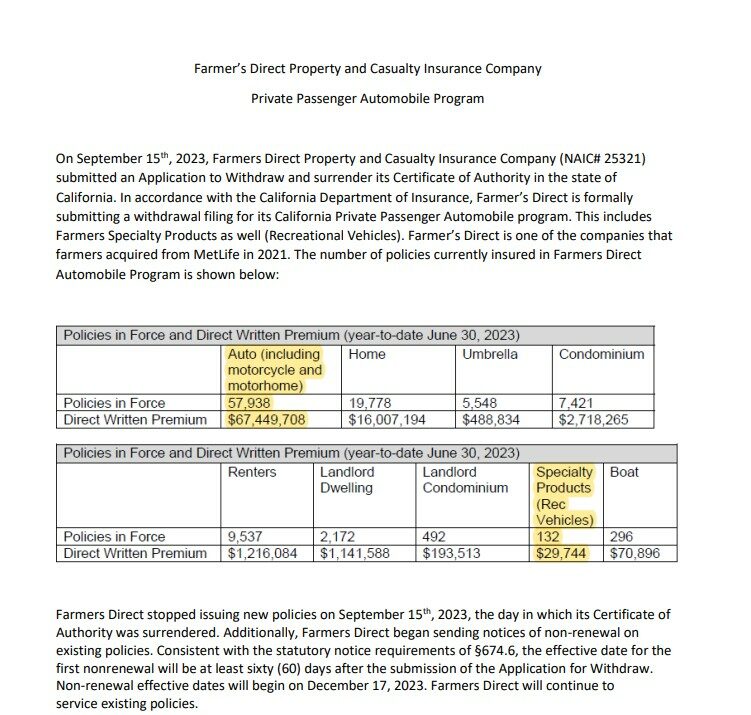
Over the past few years, several prominent insurance providers have either stopped writing new policies for homes and businesses in California or have significantly scaled back their offerings. Companies like State Farm, Allstate, and Farmers Insurance have publicly announced such decisions, citing unsustainable risk levels and regulatory challenges. This isn’t a minor tweak to their business model; it’s a strategic retreat from a market perceived as increasingly volatile. For individuals dreaming of a serene life amidst California’s natural beauty, or for businesses banking on the state’s vibrant economy, this news fundamentally alters the equation of feasibility and peace of mind.
The Core Challenges: Wildfires, Climate Change, and Beyond
The primary drivers behind this insurance market contraction are multifaceted. The escalating frequency and severity of natural disasters, particularly wildfires, stand out as the most significant factor. California’s wildland-urban interface areas, where communities meet undeveloped natural lands, are particularly vulnerable. Insurers are facing billions of dollars in claims annually, making it difficult to price policies profitably under current models.
Beyond wildfires, other climate-related events like droughts, floods, and mudslides (often exacerbated by fire-damaged landscapes) also contribute to the heightened risk. Furthermore, regulatory constraints in California historically limit how much insurance companies can raise premiums, making it challenging for them to adequately cover their growing risks without incurring substantial losses. This creates a difficult environment where insurers feel unable to charge a rate that truly reflects the current risk, leading them to reduce exposure or exit the market altogether. The cumulative effect is a crisis of insurability that directly impacts the lifestyle choices of millions.
How Insurance Instability Redefines the Californian Lifestyle
The repercussions of a contracting insurance market permeate various aspects of life and commerce in California. From the foundational dream of homeownership to the daily operations of a boutique hotel, the scarcity and cost of insurance are becoming defining features of the Californian lifestyle.
Homeownership and Long-Term Stays: A Risky Proposition?
For many, the American dream is inextricably linked to homeownership. In California, this dream is increasingly challenged by insurance hurdles. Potential homeowners find it difficult to secure coverage, and when they do, premiums can be astronomically high, sometimes adding thousands of dollars to monthly housing costs. This directly impacts affordability and can disqualify prospective buyers, even those with otherwise strong financial standing.
For those planning long-term stays, perhaps as digital nomads or retirees seeking the California sun, the implications are equally significant. Renters might face higher rents as landlords pass on increased insurance costs. Property managers for vacation rentals or extended-stay apartments also grapple with these rising expenses, potentially influencing pricing and availability for those seeking a prolonged California experience. The peace of mind that comes with adequate property insurance—a cornerstone of a stable lifestyle—is becoming a luxury.
Business Viability and the Tourism Sector

The tourism and hospitality industries, vital components of California’s economy and lifestyle, are not immune. Hotels, resorts, restaurants, tour operators, and entertainment venues all require comprehensive insurance to operate. Surging premiums and reduced availability mean higher operating costs, which can translate into increased prices for consumers or, in severe cases, force businesses to scale back operations or close entirely.
Consider a charming bed and breakfast in Napa Valley or a surf shop in Malibu. If these businesses cannot secure affordable liability and property insurance, their ability to provide unique local experiences diminishes. This directly impacts the vibrancy of local culture and the range of activities available to both residents and visitors, altering the very essence of a Californian lifestyle built on diverse experiences and entrepreneurial spirit.
Implications for Travelers and Relocators
Beyond direct property owners and local businesses, the insurance crisis in California has broader implications for anyone considering the state for travel, investment, or temporary relocation.
Travel Insurance: A New Imperative for Visitors?
While standard travel insurance typically covers trip cancellations or medical emergencies, the evolving situation in California might prompt a deeper look into policy specifics. Visitors renting homes or vehicles might want to confirm coverage for personal belongings or liability in a state where property risks are elevated. For those planning extensive tours through wildfire-prone regions, understanding how potential evacuations or disruptions are handled by their travel insurance becomes crucial. The relaxed notion of simply “showing up” is being replaced by a more mindful approach to personal risk management, a subtle but significant shift in the travel lifestyle.
Investing in California: Vacation Homes and Property Management
Individuals eyeing California for a second home or a vacation rental investment now face a significant due diligence challenge. The long-term viability and profitability of such an investment are heavily dependent on the ability to secure and afford adequate insurance. Without it, mortgages might be unapprovable, and the asset itself could be exposed to catastrophic uninsured losses. Property management companies, essential for out-of-state owners, are also feeling the pinch, potentially passing on higher costs or even declining to manage properties in high-risk areas. This complicates the lifestyle choice of passive income or a personal getaway in California.
The Digital Nomad and Extended Stay Perspective
For the growing community of digital nomads and those seeking extended stays in California, the insurance landscape adds another layer of complexity. While short-term rentals often include landlord insurance, understanding personal liability and property coverage for extended periods is paramount. If a long-term rental or a co-living space faces insurance difficulties, it could impact the stability of their chosen home base. The fluid, independent lifestyle that digital nomads cherish requires a predictable environment, and insurance instability introduces an element of uncertainty that can make [California](https://lifeoutofthebox.com/california] a less appealing option compared to regions with more stable insurance markets.
Navigating the New Normal: Strategies for Future California Experiences
Despite these challenges, California remains a captivating destination and a place many still dream of calling home. Adapting to the new insurance normal involves proactive planning and an understanding of evolving risk mitigation strategies.
Risk Mitigation and Preparedness
Both residents and visitors are encouraged to adopt robust risk mitigation strategies. For homeowners, this means investing in fire-resistant landscaping, home hardening measures, and defensible space around properties, which can sometimes qualify them for specialized insurance programs or discounts. For travelers, staying informed about local conditions, especially during wildfire season, and having contingency plans are more important than ever. The lifestyle choice of living or visiting California increasingly comes with a responsibility to understand and manage personal and property risks.

Policy Adaptations and Future Outlook
The state of California is actively working with insurers and regulators to find sustainable solutions. Discussions are underway to reform regulations, allowing insurers more flexibility in rate adjustments while also promoting mitigation efforts. New insurance models, potentially involving public-private partnerships or state-backed programs, might emerge to fill the gaps left by traditional insurers. The long-term outlook for the California insurance market is one of transformation, aiming to strike a balance between affordability, availability, and financial solvency. For those committed to the Californian lifestyle, staying abreast of these policy changes will be key to navigating its future effectively. The dream of California persists, but it now comes with an updated understanding of its inherent risks and the need for adaptive solutions.
LifeOutOfTheBox is a participant in the Amazon Services LLC Associates Program, an affiliate advertising program designed to provide a means for sites to earn advertising fees by advertising and linking to Amazon.com. Amazon, the Amazon logo, AmazonSupply, and the AmazonSupply logo are trademarks of Amazon.com, Inc. or its affiliates. As an Amazon Associate we earn affiliate commissions from qualifying purchases.