
Navigating the administrative landscape of a new state or a significant purchase can often feel daunting, and understanding the costs associated with vehicle registration, specifically getting a “new tag” in Florida, is a common concern for many. Whether you’re a new resident moving to the Sunshine State, purchasing a new or used vehicle, or simply need to replace a lost tag, knowing the financial implications and the process involved is crucial for seamless integration into the local lifestyle. This guide delves into the specifics of Florida vehicle registration fees, outlining the various components that contribute to the total cost and offering insights into the necessary steps.
Navigating Vehicle Registration in the Sunshine State
Florida’s approach to vehicle registration is managed primarily by the Florida Department of Highway Safety and Motor Vehicles (FLHSMV), with services often provided through local county tax collector offices. The term “new tag” typically refers to obtaining a new license plate and the initial registration for a vehicle. This process is mandatory for all residents and for vehicles operated on public roads within the state. Understanding the framework is the first step toward accurately budgeting for this essential lifestyle expense.
Understanding the Basics of Florida Tags
When you register a vehicle in Florida, you receive a license plate (the “tag”) and a registration decal that must be affixed to the plate. This decal indicates the month and year your registration expires. Unlike some other states, Florida does not levy an annual personal property tax on vehicles. Instead, the costs are primarily composed of registration fees, license plate fees, and potential initial title fees. These fees are subject to change, but the core structure remains consistent. The total cost for a new tag can vary significantly based on factors such as whether the vehicle is new or used, whether it’s an out-of-state transfer, and the vehicle’s weight.
Deconstructing the Costs: What You’ll Pay
The cost for a new tag in Florida isn’t a single flat fee; it’s a combination of several charges. These charges are designed to cover the administrative costs, contribute to transportation infrastructure, and sometimes reflect specific state initiatives. Breaking down these components helps clarify the total amount you can expect to pay.
Initial Registration Fee for New Residents/Vehicles
One of the most significant costs associated with getting a new tag in Florida, especially for new residents or those titling a vehicle in the state for the first time, is the Initial Registration Fee.
- Initial Registration Fee (New Residents/First-Time Florida Title): This is a non-recurring fee of $225 applied to passenger vehicles, recreational vehicles, and trucks weighing up to 5,000 pounds when they are titled and registered for the first time in Florida. This fee is designed to offset the cost of infrastructure and services related to vehicle use. It’s a one-time charge for a specific vehicle. If you sell the vehicle and buy another, the new vehicle will incur this fee if it’s its first Florida title. This fee is waived if the applicant is transferring a license plate from a previously owned vehicle in Florida to a newly acquired one.
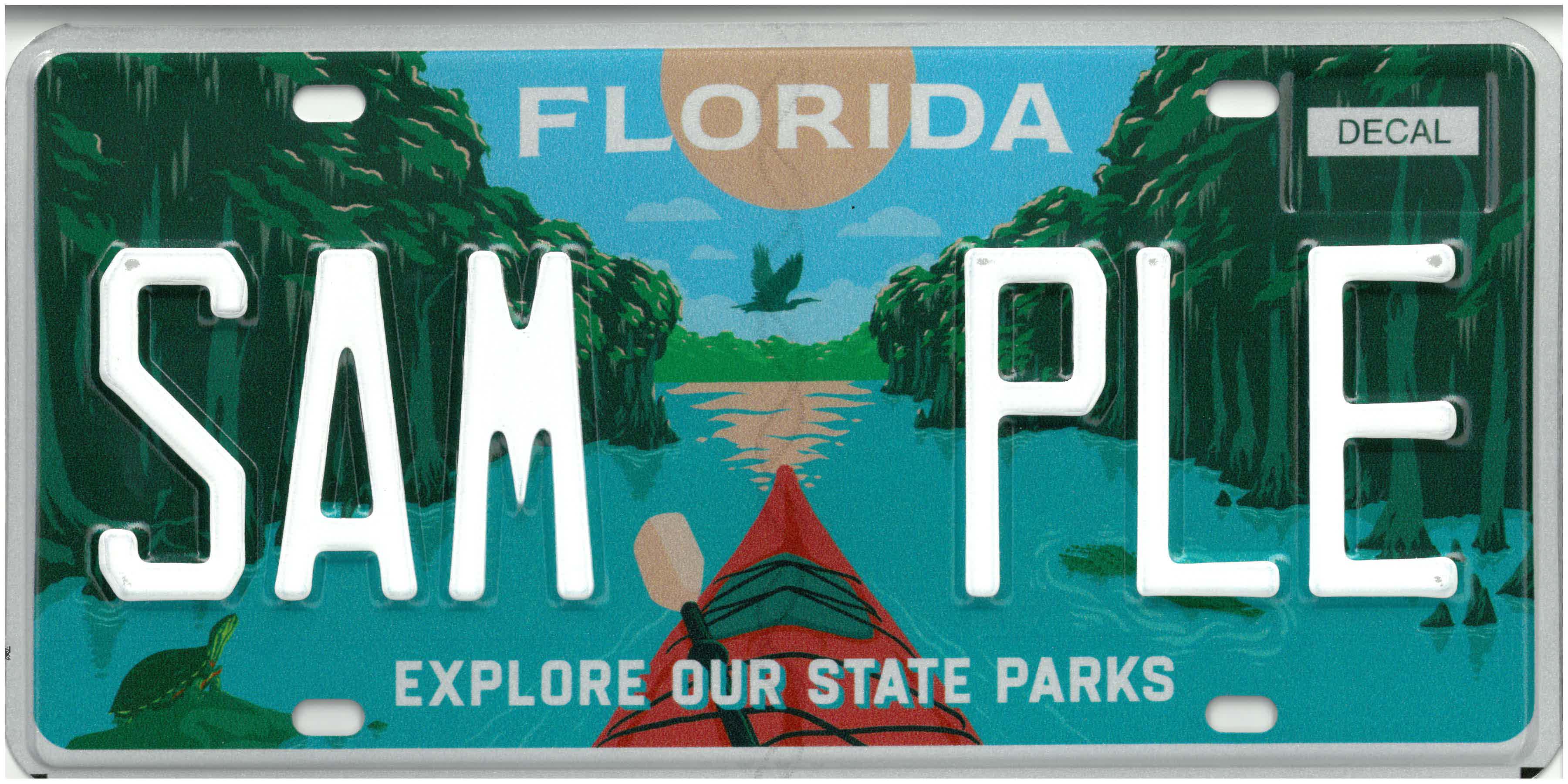
- License Plate Fee: There is a standard fee for the physical license plate itself. A basic “standard” plate typically costs around $28. If you opt for a specialty plate (e.g., supporting a college, environmental cause, or a specific military branch), this fee will be higher, often ranging from an additional $25 to $35 on top of the standard plate fee. These specialty plate fees often include an annual renewal surcharge that supports the specific cause.
- Title Fee: If you are titling the vehicle in Florida for the first time, you will pay a title fee. For an electronic title, this is typically $77.25. For a paper title, it’s slightly more at $85.25. If you are transferring an out-of-state title, there might be additional inspection fees or requirements.
- Sales Tax: While not directly part of the “tag” cost, it’s a significant expense to consider when purchasing a vehicle. Florida charges 6% sales tax on the purchase price of the vehicle, plus any applicable discretionary sales surtax imposed by individual counties, which can add up to 1.5% more. This must be paid before you can register the vehicle.
Annual Renewal Fees
After the initial registration, you will need to renew your tag annually. These fees are generally lower than the initial costs, as the one-time initial registration fee is not reapplied.
- Registration Renewal Fee: This fee varies based on the vehicle’s weight and type. For a typical passenger car (private auto), the annual renewal cost usually ranges from $30 to $50, with specific tiers for weight classes. For example, a vehicle under 2,500 lbs might pay around $27.60, while a vehicle between 3,500-4,499 lbs might pay around $46.60. These figures represent the base registration fee, to which other small charges may be added.
- Plate Annual Use Fee: This is often bundled into the renewal fee but represents the ongoing cost of using the physical plate.
- Specialty Plate Surcharge: If you have a specialty plate, the additional surcharge (e.g., $25 for most specialty plates) will be due annually upon renewal, in addition to the standard registration fees.
Additional Fees and Considerations
Several other fees and factors can influence the total cost of getting a new tag:
- Transfer Fees: If you are transferring a license plate from a vehicle you previously owned to a newly acquired vehicle, you may pay a transfer fee, which can be around $4.50, plus the new registration fee based on the vehicle type.
- Delinquent Fees: If you fail to renew your registration by the due date, you will incur late fees, which can add substantial costs, often $25 or more, on top of the standard renewal fees.
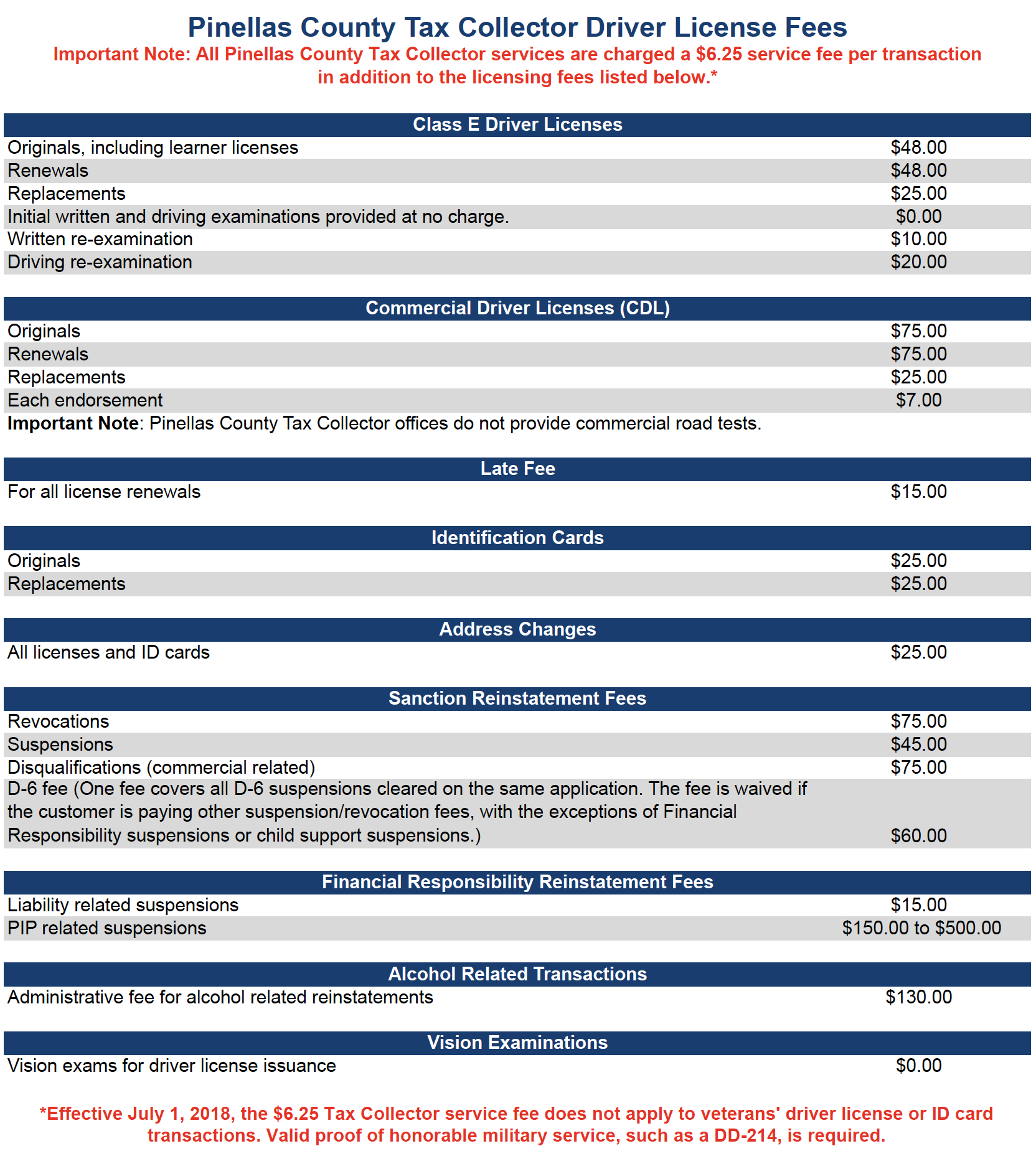
- Service Charges: The county tax collector offices often charge a small service fee for processing transactions, usually a few dollars per transaction.
- Heavy Vehicle Fees: Commercial vehicles or heavier trucks have different fee structures that are significantly higher than standard passenger vehicles.
- Leased Vehicles: For leased vehicles, the registration process and fees are generally similar, but often handled by the leasing company. Be sure to confirm who is responsible for paying these fees.

The Process: Steps to Getting Your Florida Tag
Obtaining your Florida tag involves a straightforward process, typically handled at a local county tax collector office. Being prepared with the correct documentation and understanding the steps can save you time and hassle.
Required Documentation
Before heading to the county tax collector office, gather the following essential documents:
- Proof of Ownership: This is usually the vehicle’s title. If the title is held by a lienholder (e.g., a bank if you have a loan), you’ll need the original registration from the previous state and the name and address of the lienholder.
- Proof of Florida Insurance: Florida requires Personal Injury Protection (PIP) and Property Damage Liability (PDL) insurance minimums. You’ll need to show proof of valid Florida insurance coverage.
- Identification: A valid driver’s license or state ID. For new residents, an out-of-state driver’s license is acceptable initially, but you’ll eventually need a Florida driver’s license.
- Vehicle Identification Number (VIN) Verification: For vehicles previously titled out-of-state, a VIN verification must be completed. This can be done by a Florida law enforcement officer, a licensed dealer, or a notary public (on Form HSMV 82042).
- Application for Certificate of Title With/Without Registration: Form HSMV 82040.
Where to Apply
Vehicle registration services are primarily provided by your local county tax collector’s office. These offices act as agents for the FLHSMV and handle title transfers, registrations, and license plate issuance. Many counties offer online appointment scheduling, which can significantly reduce wait times. Some private tag agencies are also licensed to process these transactions, often for an additional service fee.
Specific Scenarios: New Residents vs. New Vehicle Purchase
The specific steps might slightly differ based on your situation:
- New Florida Resident with Out-of-State Vehicle: You generally have 30 days to register your vehicle after becoming a resident or after gaining employment in Florida. You’ll need to obtain a Florida driver’s license, arrange Florida insurance, complete VIN verification, and then visit the tax collector’s office with your out-of-state title and identification. This scenario will incur the $225 Initial Registration Fee.
- Purchasing a New Vehicle from a Dealership: Most dealerships will handle the title and registration process for you as part of the vehicle purchase. The fees will be rolled into your total purchase price or financing. They will collect sales tax, title fees, initial registration fees, and license plate fees on your behalf.
- Purchasing a Used Vehicle from a Private Seller: In this case, you are responsible for titling and registering the vehicle yourself. You’ll need the signed-over title from the seller, proof of insurance, your ID, and then you’ll visit the tax collector’s office. Sales tax will be paid at the time of registration based on the purchase price. If the vehicle has never been titled in Florida before, the $225 Initial Registration Fee will apply.
Budgeting for Your Florida Vehicle Expenses
Understanding the upfront and ongoing costs of a new tag is essential for effective financial planning, especially when integrating into a new lifestyle in Florida.
Beyond the Tag: Insurance and Other Obligations
While the “new tag” costs are significant, remember they are part of a larger picture of vehicle ownership expenses.
- Vehicle Insurance: Florida’s insurance rates can be higher than in some other states due to various factors including weather events, a high number of uninsured motorists, and dense traffic. Obtain quotes before your move to accurately budget.
- Fuel Costs: Consider the ongoing expense of gasoline, which fluctuates but is a constant part of vehicle operation.
- Maintenance: Regular vehicle maintenance, from oil changes to tire rotations, is crucial for vehicle longevity and safety.
- Tolls: Many Florida roads and bridges are toll roads. Budget for these, especially if you plan to use major highways like the Florida Turnpike or expressways around metropolitan areas. Consider investing in a SunPass transponder for discounts and convenience.
Tips for a Smooth Registration Experience
- Plan Ahead: Don’t wait until the last minute, especially if you’re a new resident or purchasing a private sale vehicle. Gather all documents beforehand.
- Check Online Resources: The FLHSMV website and your local county tax collector’s website are invaluable resources for current fees, forms, and office locations.
- Make an Appointment: If your county tax collector office offers appointments, utilize this service to avoid long wait times.
- Call Ahead: If you have a unique situation (e.g., foreign vehicle, specific title issues), a quick call to the tax collector’s office can clarify requirements.
- Bring Payment Options: Most offices accept various forms of payment, but it’s wise to have multiple options (cash, credit/debit card, check) available.
In summary, securing a new tag in Florida involves a layered fee structure, with initial costs significantly higher than annual renewals due to the one-time $225 Initial Registration Fee. By understanding these components and preparing the necessary documentation, you can confidently navigate the process and ensure your vehicle is legally registered for your Florida lifestyle.
LifeOutOfTheBox is a participant in the Amazon Services LLC Associates Program, an affiliate advertising program designed to provide a means for sites to earn advertising fees by advertising and linking to Amazon.com. Amazon, the Amazon logo, AmazonSupply, and the AmazonSupply logo are trademarks of Amazon.com, Inc. or its affiliates. As an Amazon Associate we earn affiliate commissions from qualifying purchases.