
Understanding the demographic pulse of a city is crucial for appreciating its vibrancy, planning its future, and navigating its present. When considering a destination like Chicago, Illinois, the sheer number of residents is more than just a statistic; it’s a reflection of its enduring appeal as a major American metropolis, a hub of culture, business, and innovation. The population of Chicago is a dynamic entity, constantly evolving, and its size profoundly impacts everything from public services and infrastructure to the availability of diverse experiences for visitors and locals alike.
The Ever-Shifting Mosaic of Chicago’s Population
Chicago, often referred to as the “Windy City” or the “Second City,” has consistently ranked as one of the most populous cities in the United States. Its demographic figures are a testament to its historical role as a gateway to the West, a center for manufacturing, and a magnet for people seeking opportunity. While exact numbers fluctuate annually, official census data provides the most reliable benchmarks.
Census Data and Official Estimates
The most comprehensive data on population comes from the decennial census conducted by the U.S. Census Bureau. The 2020 Census reported Chicago’s population at approximately 2,746,383 residents. This figure places it as the third-largest city in the United States, trailing only New York City and Los Angeles.
However, population figures are not static. Between the decennial counts, the U.S. Census Bureau releases annual population estimates. These estimates are based on factors such as births, deaths, and migration patterns. While these estimates are not as precise as a full census, they offer a more current snapshot of the city’s demographic trends. Recent estimates often place the population of Chicago in a similar range, though slight variations may occur due to these ongoing demographic shifts. The consistent presence of over 2.7 million people underscores Chicago’s status as a major urban center with a significant residential base.
Understanding Population Density
The sheer number of people in Chicago translates into a high population density, especially within its more urban core neighborhoods. This density is a defining characteristic of the city, shaping its urban fabric, its transportation systems, and the way its residents live, work, and play. The concentration of people in a relatively compact area fosters a dynamic environment, contributing to the city’s renowned cultural scene, its bustling commercial districts, and its diverse culinary landscape.
The Influence of Population on Chicago’s Urban Landscape
The substantial population of Chicago has a direct and profound impact on its physical and social infrastructure. From the iconic skyline to the intricate public transit network, every aspect of the city is shaped by the millions of people who call it home.
Infrastructure and Public Services
A city of Chicago’s size requires a robust and well-maintained infrastructure to support its residents. This includes an extensive network of roads, bridges, and tunnels to facilitate transportation, as well as sophisticated water and sewage systems. Public services, such as police and fire departments, are scaled to meet the demands of a large population, requiring significant staffing and resources.
The public transportation system in Chicago is a prime example of how population influences infrastructure. The Chicago Transit Authority (CTA) operates a vast network of ‘L’ trains and buses, moving millions of passengers daily. This system is essential for reducing traffic congestion and providing accessible transit options for the city’s dense population. Similarly, the city’s numerous parks and green spaces, like Lincoln Park and Grant Park, are vital for providing recreational opportunities and a respite from urban life for its many inhabitants.
Housing and Neighborhoods
The population size directly affects the housing market and the development of distinct neighborhoods. Chicago boasts a diverse range of housing options, from high-rise apartments and condominiums in the downtown area to single-family homes and townhouses in its many surrounding communities. The demand generated by over 2.7 million people drives new construction and influences real estate prices across the city.
Each of Chicago’s numerous neighborhoods has its own unique character and demographic makeup, contributing to the city’s rich tapestry. Areas like Wicker Park, Lincoln Park, and the Loop are densely populated and characterized by vibrant urban living, while other neighborhoods offer a more suburban feel. This diversity in housing and neighborhood development is a direct consequence of catering to a large and varied population.

The Demographic Composition of Chicago’s Residents
Beyond the raw numbers, the demographic composition of Chicago’s population provides deeper insights into its social fabric and cultural dynamism. The city is a melting pot of ethnicities, ages, and socioeconomic backgrounds, all contributing to its unique identity.
Ethnic and Racial Diversity
Chicago is renowned for its significant ethnic and racial diversity. Historically, the city has been a destination for immigrants and internal migrants from various parts of the United States and the world.
- White: A substantial portion of Chicago’s population identifies as White, with many of European descent, including Irish, Polish, German, and Italian heritage, contributing to the city’s rich cultural mosaic.
- Hispanic or Latino: The Hispanic or Latino population is a significant and growing demographic in Chicago, with strong communities contributing vibrant cultural traditions, particularly in neighborhoods like Pilsen and Little Village.
- Black or African American: Chicago has a large and historically significant Black or African American population, concentrated in areas like the South and West Sides, with a rich legacy in music, art, and civil rights.
- Asian: The Asian population, encompassing diverse groups such as Chinese, Indian, Filipino, and Korean, has established vibrant communities and businesses throughout the city.
This diversity is not confined to specific enclaves; rather, it is interwoven throughout the city, fostering cross-cultural exchange and contributing to Chicago’s reputation as a cosmopolitan center.
Age Distribution and Family Structures
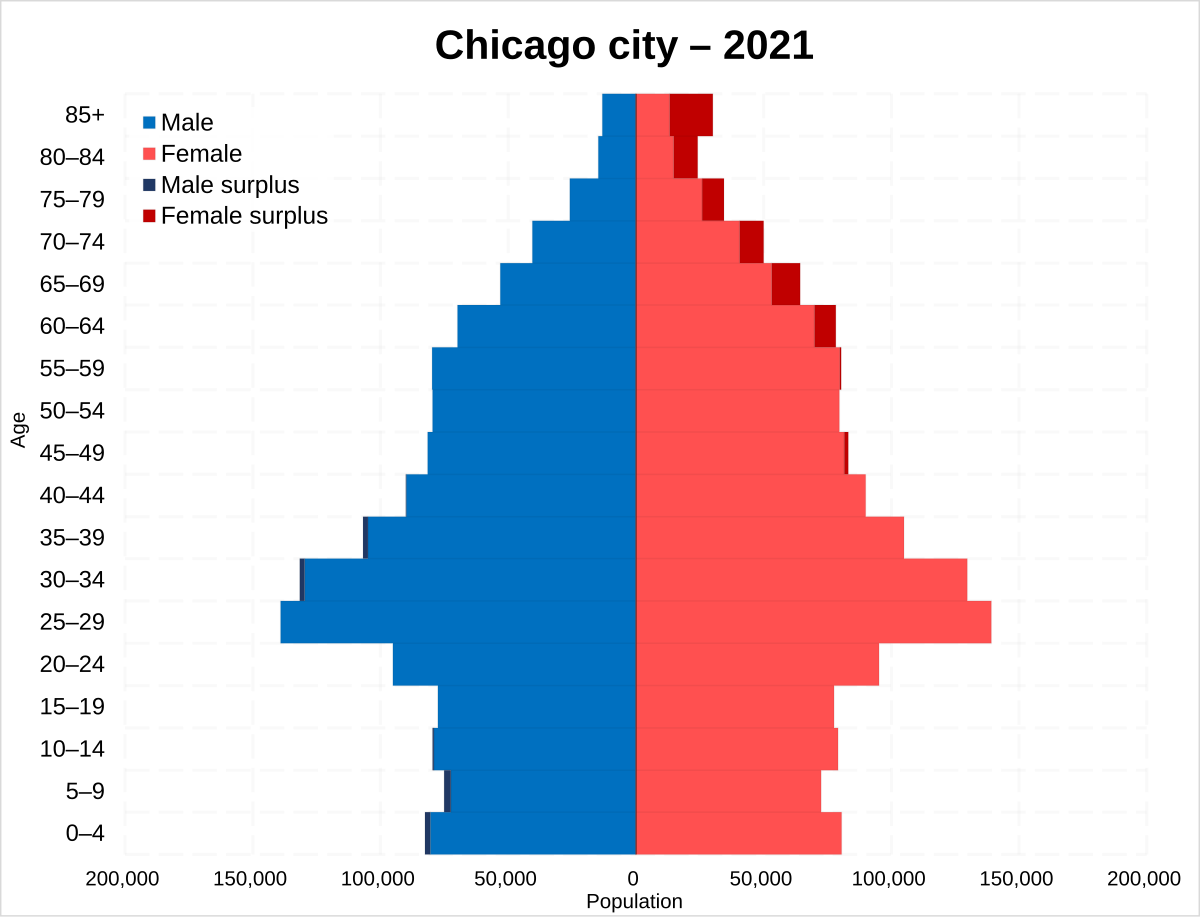
The age distribution of Chicago’s population is also varied, reflecting a mix of young professionals, families, and older adults. The city attracts young talent for its strong job market and educational institutions, contributing to a dynamic younger demographic. Simultaneously, it remains a home for established families and a retirement destination for many.
The prevalence of diverse family structures is also characteristic of Chicago. While traditional nuclear families exist, the city also encompasses single-parent households, multi-generational families, and a significant population of individuals and couples without children, all contributing to the complex social fabric. This demographic variety shapes the types of housing, services, and community programs that are developed and sustained within the city.
Chicago’s Population: A Magnet for Visitors and Residents Alike
The large and diverse population of Chicago not only defines its residential character but also significantly influences its appeal as a tourist destination. The very density and variety of people contribute to the city’s energetic atmosphere, its extensive array of cultural institutions, and its world-class dining and entertainment options, all of which draw millions of visitors annually.
Cultural Tapestry and Vibrancy
A large population inherently supports a rich and diverse cultural scene. Chicago boasts numerous museums, including the Art Institute of Chicago and the Field Museum of Natural History, theaters, music venues, and art galleries. The sheer number of residents provides the audience base and the talent pool that keeps these institutions thriving. Neighborhoods like Pilsen with its vibrant murals and ethnic festivals, or the historic Bronzeville district, offer unique cultural experiences deeply rooted in the city’s diverse communities.
The culinary landscape of Chicago is another direct beneficiary of its large population. From Michelin-starred restaurants in the River North area to authentic ethnic eateries in neighborhoods across the city, there is an unparalleled range of dining experiences. This diversity in cuisine reflects the multicultural makeup of its residents and caters to the varied tastes of a vast populace. Iconic foods like deep-dish pizza and the Chicago-style hot dog are not just culinary specialties; they are ingrained parts of the city’s identity, enjoyed by locals and visitors alike.

Economic Hub and Innovation
Chicago’s significant population is a primary driver of its status as a major economic hub. The city attracts a large workforce, fostering diverse industries ranging from finance and technology to healthcare and education. Major corporations have established headquarters or significant operations here, drawn by the access to a skilled labor force and its strategic location. This economic vitality, fueled by its residents, creates a dynamic environment for both career opportunities and business development.
The city’s numerous universities and research institutions, such as the University of Chicago and Northwestern University, contribute to a highly educated population and drive innovation. This intellectual capital, combined with a robust business sector, positions Chicago as a forward-thinking city constantly evolving and adapting to new challenges and opportunities.
In conclusion, the population of Chicago, while a series of numbers, represents the collective energy, diversity, and dynamism that make the city a truly remarkable place. From its infrastructure and housing to its cultural richness and economic strength, every facet of Chicago is shaped by the millions of individuals who call it home, creating an experience that is both grand in scale and intimately personal.
LifeOutOfTheBox is a participant in the Amazon Services LLC Associates Program, an affiliate advertising program designed to provide a means for sites to earn advertising fees by advertising and linking to Amazon.com. Amazon, the Amazon logo, AmazonSupply, and the AmazonSupply logo are trademarks of Amazon.com, Inc. or its affiliates. As an Amazon Associate we earn affiliate commissions from qualifying purchases.