
Navigating the intricacies of professional licensing can be a complex but essential step for many individuals seeking to practice their chosen trade or profession in the great state of Texas. An occupational license, in essence, is a permit granted by a state agency that authorizes an individual to engage in a specific occupation or business. This process ensures that individuals meet certain standards of competence, education, and character, ultimately protecting the public and upholding the integrity of various professions. For those looking to establish themselves in Texas, understanding the pathways to obtaining these crucial credentials is paramount.

The landscape of occupational licensing in Texas is diverse, overseen by a multitude of state boards and commissions, each with its own specific requirements and procedures. Whether you aspire to be a cosmetologist, a real estate agent, an engineer, a physician, or a contractor, the journey to licensure generally involves a structured set of steps designed to verify your qualifications. This guide aims to demystify the process, offering a comprehensive overview of how to secure an occupational license in Texas, from initial research to final approval.
Understanding Occupational Licensing in Texas
The state of Texas operates under a regulatory framework that requires individuals in numerous professions to obtain a license before they can legally practice. This is not a one-size-fits-all system; each occupation is regulated by a specific state entity. For instance, the Texas Department of Licensing and Regulation (TDLR) is a central hub for many occupational licensing programs, overseeing a vast array of trades and professions, from air conditioning and refrigeration contractors to barbers and manicurists. However, other professions are governed by their own independent boards, such as the Texas Medical Board for physicians, the Texas Board of Professional Engineers and Land Surveyors for engineers, and the Texas Real Estate Commission for real estate professionals.
Identifying Your Licensing Authority
The very first step in your licensing journey is to pinpoint the exact state agency responsible for your specific occupation. This is crucial because each agency will have its unique set of rules, application forms, and examination requirements.
- Research Your Profession: Begin by thoroughly researching the occupational licensing requirements for your chosen field in Texas. A good starting point is the Texas Department of Licensing and Regulation website, which provides a directory of all the programs they oversee. If your profession is not listed there, search for its specific state board or commission. For example, if you aim to practice law, you’ll need to look into the State Bar of Texas.
- Visit the Agency Website: Once you’ve identified the relevant licensing authority, navigate to their official website. These websites are invaluable resources, typically offering detailed information on:
- Eligibility requirements (education, experience, age)
- Application forms and procedures
- Examination details (scheduling, content, passing scores)
- Fees and payment methods
- Renewal requirements
- Continuing education mandates
- Any specific rules or regulations pertaining to the profession.
Common Eligibility Requirements
While the specifics vary significantly from one occupation to another, several common themes emerge in the eligibility criteria for occupational licenses across Texas. Understanding these general requirements can help you prepare effectively.
- Education and Training: Many professions mandate a certain level of formal education, such as a high school diploma or GED, an associate’s degree, a bachelor’s degree, or even postgraduate studies. Beyond academic qualifications, specific vocational training programs, apprenticeships, or specialized coursework may be required. For instance, aspiring electricians might need to complete a registered apprenticeship program.
- Examinations: A cornerstone of most occupational licensing processes is passing a standardized examination. These tests are designed to assess an individual’s knowledge, skills, and competency in their chosen field. Examinations can range from multiple-choice tests covering theoretical knowledge to practical assessments demonstrating hands-on abilities.
- Experience: For many licensed professions, practical work experience under the supervision of a licensed professional is a prerequisite. The duration and nature of this experience are typically defined by the licensing board and are often a significant part of the qualification process.
- Background Checks and Character Requirements: To ensure public safety and trust, most licensing authorities conduct background checks. This may include fingerprinting and a review of criminal history. Applicants are often required to demonstrate good moral character and may be asked about any past convictions or disciplinary actions. Some boards have specific policies regarding how criminal convictions might affect eligibility.
- Age Requirements: A minimum age is generally established for individuals to be licensed, reflecting the maturity and responsibility expected within a profession.
The Application Process: Step-by-Step
Obtaining an occupational license in Texas involves a methodical approach to completing and submitting the necessary documentation and fulfilling all requirements. While the exact sequence might differ slightly based on the specific occupation and licensing board, the general process remains consistent.
Step 1: Gather Necessary Documentation
This is perhaps the most critical phase, as thoroughness and accuracy are paramount. You will need to compile all the documents and information requested by your licensing authority. This often includes:
- Proof of Education: Transcripts, diplomas, or certificates verifying your educational achievements.
- Proof of Training: Certificates of completion for vocational programs or specialized courses.
- Verification of Experience: Letters from former employers or supervisors detailing your work history, responsibilities, and dates of employment. Some boards may require specific forms to be completed by your supervisors.
- Identification: A valid government-issued photo ID, such as a driver’s license or passport.
- Fingerprints: Often required for background checks, usually submitted electronically through a designated vendor.
- Any Other Supporting Documents: Depending on the occupation, this could include proof of professional liability insurance, surety bonds, or portfolios of work.
Step 2: Complete the Application Form
Each licensing board provides its own official application form. These forms are typically available for download from their respective websites. It is imperative to:
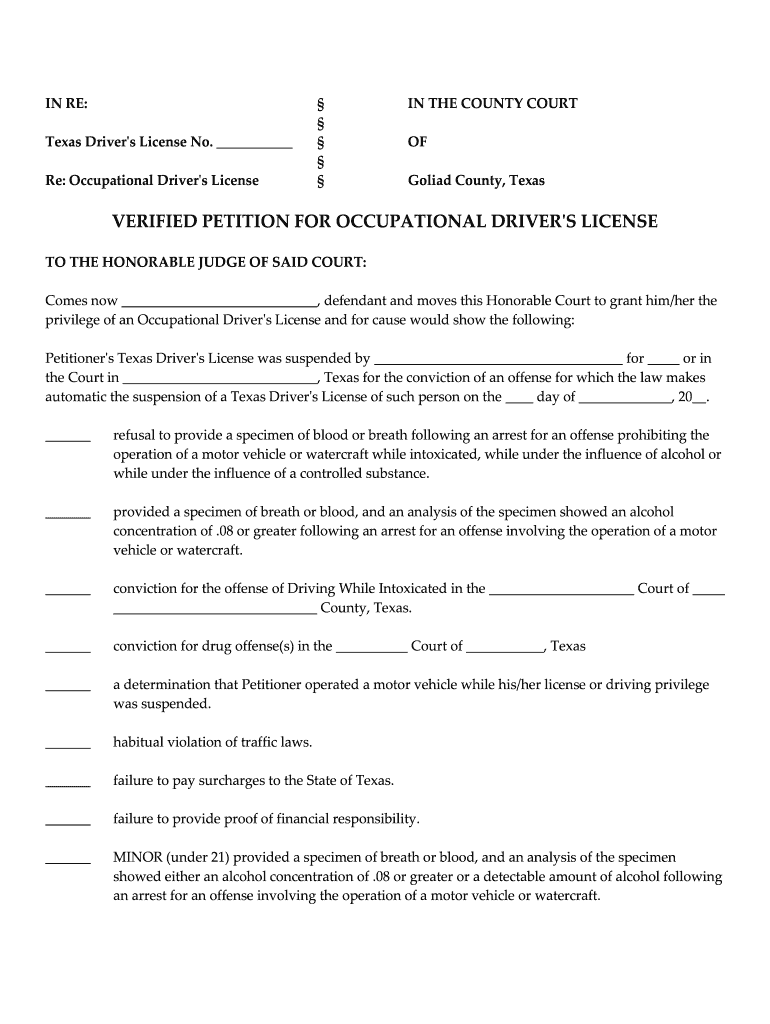
- Read Instructions Carefully: Thoroughly review all instructions accompanying the application. Any errors or omissions can lead to significant delays or outright rejection of your application.
- Be Honest and Accurate: Provide truthful and complete information. Misrepresentation or withholding pertinent details can have serious consequences, including denial of your license or revocation if granted.
- Fill Out Neatly and Completely: Whether filling out a paper form or an online application, ensure all fields are completed legibly and accurately. If a question does not apply to you, state “N/A” rather than leaving it blank.
Step 3: Submit Your Application and Fees
Once your application is complete and all supporting documents are gathered, you will submit them to the designated licensing board. Payment of application and examination fees is typically required at this stage.
- Submission Methods: Licensing boards usually offer various submission methods, including online portals, mail, or in-person drop-off. Choose the method that is most convenient and secure for you. Online submissions are often the quickest.
- Fee Structure: Fees can vary widely. Some applications might require a nominal fee, while others, particularly for highly regulated professions, can involve substantial costs covering application processing, examination, and initial licensure. Always confirm the exact amount and acceptable payment methods. Keep records of all payments made.
Step 4: Pass Required Examinations
If your occupation requires an examination, this is a critical hurdle to clear.
- Study and Prepare: Utilize study guides, practice tests, and any recommended resources provided by the licensing board or available through third-party providers. Understanding the exam format and content is key to success.
- Schedule Your Exam: Once your application is approved, you will typically receive authorization to schedule your examination. Follow the instructions provided to book your test at a designated testing center.
- On Examination Day: Arrive at the testing center well in advance of your scheduled time. Bring the required identification and any other materials permitted by the testing center.
Step 5: Await Approval and Receive Your License
After submitting your application, passing your exam, and fulfilling any other requirements, the licensing board will review your file.
- Processing Times: The time it takes to process an application and issue a license can vary considerably. Some may be processed within a few weeks, while others can take several months, especially if additional verification is needed.
- Communication: Maintain open communication with the licensing board. If you haven’t heard back within the expected timeframe, politely inquire about the status of your application.
- Receiving Your License: Once approved, your official occupational license will be issued. This may be a physical card, a certificate mailed to you, or an electronic document accessible online. Congratulations on reaching this milestone!
Maintaining Your License: Renewal and Continuing Education
Securing an occupational license is not a one-time achievement; it requires ongoing commitment to maintaining your credentials and staying current in your field. Most licenses are not permanent and must be renewed periodically.
License Renewal Process
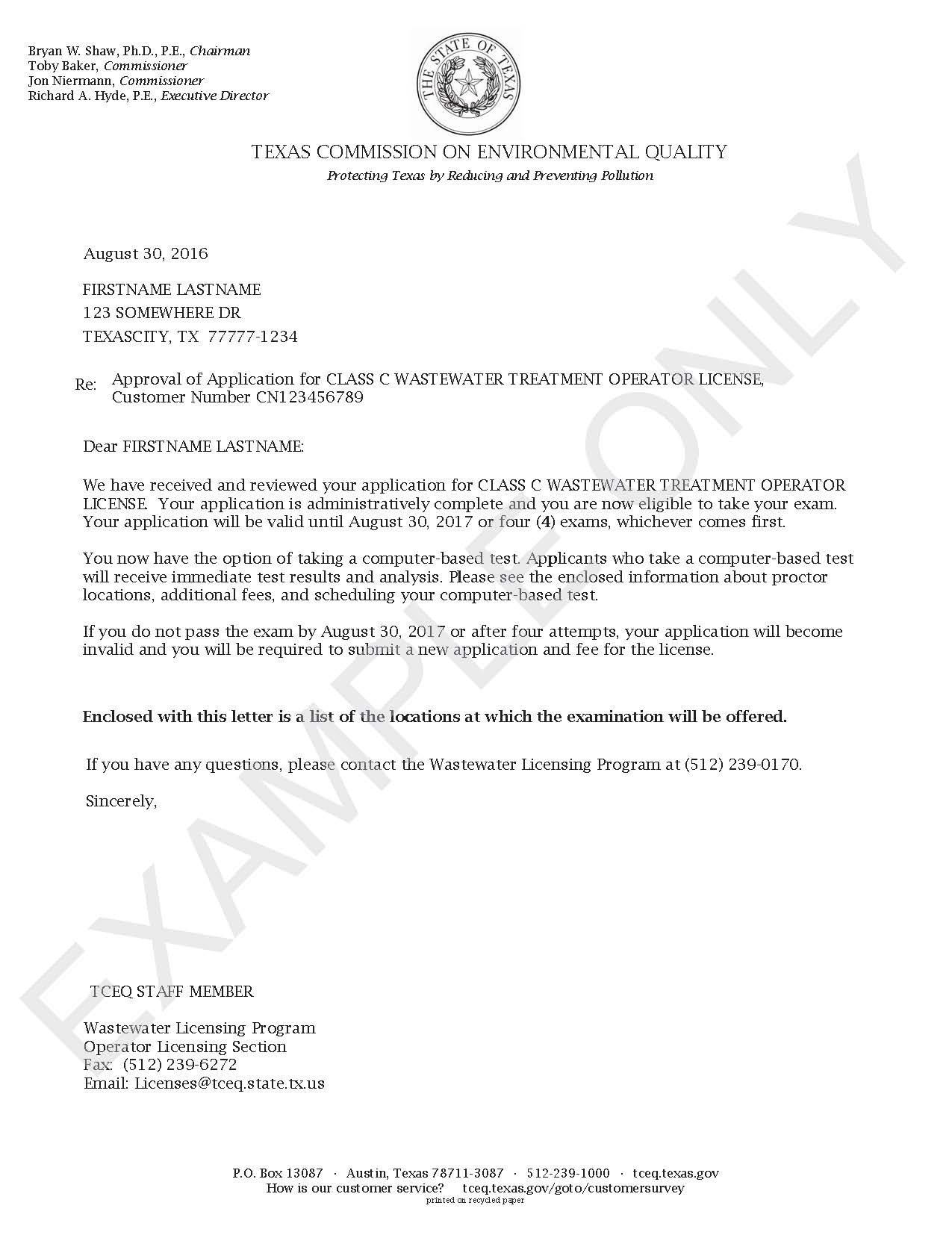
- Renewal Period: Licenses are typically issued for a specific duration, often one to three years. Before your license expires, you will receive a renewal notice from the licensing board.
- Renewal Requirements: To renew your license, you will usually need to:
- Submit a renewal application.
- Pay the renewal fee.
- Complete any required continuing education hours.
- Provide updated information, such as a change of address.
- Timeliness: It is crucial to renew your license on time. Failing to do so can result in late fees, a lapse in your ability to practice legally, and potentially the need to reapply for licensure.
Continuing Education (CE)
For many professions, continuing education is a mandatory component of license renewal. CE ensures that licensed professionals stay abreast of the latest advancements, techniques, legal changes, and best practices in their respective fields.
- CE Requirements: The number of CE hours required, the types of approved courses, and the period over which they must be completed are all specified by the licensing board. For example, a real estate agent might need a certain number of hours in specific topics like agency law or ethics.
- Finding Approved Courses: Licensing boards often provide lists of approved CE providers or courses. It is essential to choose courses that meet the board’s requirements to ensure your credit is accepted.
- Tracking Your CE: Keep meticulous records of all completed CE courses, including certificates of completion, dates attended, and the provider’s information. You may need to submit proof of CE completion with your renewal application.
By understanding these requirements and diligently adhering to them, you can ensure your occupational license in Texas remains active and valid, allowing you to continue serving your clients and contributing to the state’s economy. The pursuit of an occupational license is a testament to your dedication to your profession and your commitment to upholding standards of excellence and public trust.
LifeOutOfTheBox is a participant in the Amazon Services LLC Associates Program, an affiliate advertising program designed to provide a means for sites to earn advertising fees by advertising and linking to Amazon.com. Amazon, the Amazon logo, AmazonSupply, and the AmazonSupply logo are trademarks of Amazon.com, Inc. or its affiliates. As an Amazon Associate we earn affiliate commissions from qualifying purchases.