
Chicago, the bustling heart of the Midwest, is a city renowned for its towering architecture, vibrant cultural scene, and deep-dish pizza. But beyond the iconic skyline and world-class attractions, there’s a fundamental question that helps us understand the true essence of this magnificent metropolis: How many people are in Chicago? The answer is not just a number; it’s a living, breathing tapestry that shapes every aspect of the city, from its diverse neighborhoods and thriving tourism industry to the myriad accommodation options and unique lifestyle experiences it offers.
Understanding Chicago’s population is key to appreciating its dynamic character as a premier travel destination. It’s the sheer volume and diversity of its residents that fuel the city’s economic engine, drive its cultural evolution, and create the welcoming yet energetic atmosphere that captivates millions of visitors each year. This article will delve into the population metrics of Chicago, explore how these numbers impact the visitor experience, and provide insights into navigating the city like a local, ensuring your travel adventure is as rich and rewarding as possible.
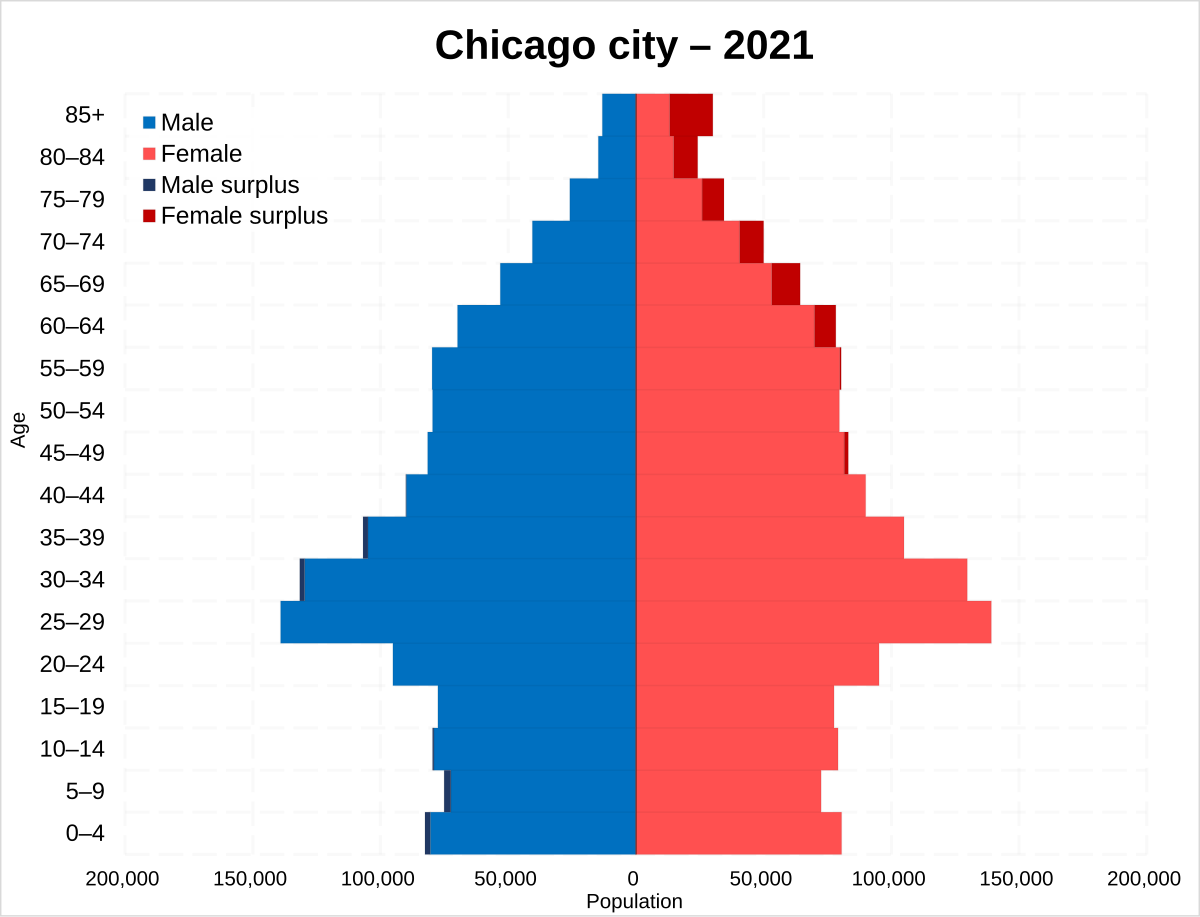
The Dynamic Population of Chicago
At its core, Chicago’s identity is inextricably linked to its people. As one of the largest cities in the United States, its population figures are significant, reflecting its status as a major urban center and a hub for commerce, culture, and innovation.
Understanding Population Metrics
According to the latest estimates and the U.S. Census Bureau 2020 data, the city of Chicago proper is home to approximately 2.7 million residents. This makes it the third-most populous city in the United States, trailing only New York City and Los Angeles. However, to fully grasp the city’s reach and influence, one must also consider the broader metropolitan area, known as Chicagoland. This expansive region, which includes numerous suburbs and extends into parts of Indiana and Wisconsin, boasts a population of around 9.5 million people.
These numbers paint a picture of a vibrant, densely populated urban environment, characterized by a diverse mix of cultures, ethnicities, and socio-economic backgrounds. The density of Chicago’s population contributes to its bustling streets, lively public spaces, and an inexhaustible array of businesses, from quaint local eateries to multinational corporations. For visitors, this translates into an incredibly rich and varied experience, where every neighborhood offers a distinct flavor and every street corner might reveal a new discovery.
Historical Growth and Modern Trends
Chicago’s population growth has been a captivating narrative of immigration, industrialization, and urban development. From its humble beginnings as a trading post in the early 19th century, it exploded into a major city following the construction of the Illinois and Michigan Canal and the advent of the railroads. Waves of immigrants from Europe, particularly Ireland, Germany, Poland, and later from Mexico and Asia, flocked to the city, drawn by opportunities in industries such as meatpacking, steel, and manufacturing. This influx of people laid the foundation for the multicultural mosaic that defines Chicago today.
While the city’s population peaked in the 1950s before experiencing a period of decline due to suburbanization and deindustrialization, Chicago has shown remarkable resilience and resurgence in recent decades. Modern trends indicate a steady, albeit slower, growth, fueled by a renewed interest in urban living, a burgeoning tech sector, and its continued status as a global financial and cultural hub. The city’s ability to attract and retain talent, coupled with its excellent universities and diverse job market, ensures a continuous influx of new residents who contribute to its ever-evolving character. This ongoing demographic shift influences everything from the newest culinary trends to the development of innovative accommodation options and the expansion of its already impressive list of attractions and experiences.
Chicago’s Population: A Catalyst for Tourism and Lifestyle
The sheer number of people calling Chicago home is not merely a statistical point; it’s a powerful force that shapes its vibrant tourism landscape and distinctive lifestyle. A large and diverse population fosters an environment rich in cultural expression, culinary excellence, and entertainment options, making Chicago an irresistible draw for visitors worldwide.
The Local Vibe: More Than Just Numbers
Imagine a city where every corner offers a different flavor, a distinct sound, and a unique perspective. That’s Chicago, largely thanks to its multifaceted population. The city is a melting pot of cultures, each contributing to its dynamic “vibe.” From the festive streets of Pilsen with its Mexican murals and taquerias, to the historic charm of Chinatown and the trendy boutiques of Wicker Park, the residents define the character of their respective neighborhoods. This diversity translates into an unparalleled lifestyle experience, whether you’re seeking gourmet dining, live music, cutting-edge art, or simply a stroll through a bustling market.
For travelers, this means an authentic and immersive experience. You’re not just observing a city; you’re stepping into its daily rhythm, sharing spaces with its residents, and engaging with their traditions. The friendliness of Chicagoans, often cited as a pleasant surprise by first-time visitors, adds to the appeal, making it easy for tourists to feel welcomed and connected. This vibrant local scene encourages repeat visits, as there’s always something new to explore, a different festival to attend, or a hidden gem to uncover, all sustained by the constant ebb and flow of its diverse community.
Economic Impact on Tourism and Accommodation
The robust population of Chicago plays a pivotal role in bolstering its tourism and hospitality sectors. A large resident base provides a stable local economy, supporting a vast array of businesses that also cater to tourists. Restaurants, shops, entertainment venues, and service providers thrive on both local patronage and visitor spending. This creates a highly competitive and innovative market, ensuring that the quality and variety of offerings remain exceptionally high.

The demand for accommodation is a direct reflection of this bustling environment. With millions of residents, a constant flow of business travelers, and an ever-increasing number of tourists, Chicago boasts an impressive selection of hotels, resorts, and alternative lodging options. From luxurious five-star properties in the Magnificent Mile district, like the historic Palmer House Hilton or the opulent Peninsula Chicago, to charming boutique hotels in neighborhoods like River North, and extended-stay apartments for longer visits, the city caters to every budget and preference. This abundance ensures that while the city is popular, finding suitable accommodation is rarely an issue, though booking in advance, especially during peak season or major conventions, is always advisable. The presence of so many residents creates the infrastructure and demand for these services, ensuring a seamless and comfortable stay for every visitor.
Experiencing Chicago: Landmarks and Travel for Every Visitor
The sheer number of people in Chicago has directly influenced the development and preservation of its world-famous landmarks and the multifaceted ways visitors can travel and explore the city. A large urban population necessitates robust infrastructure and creates the demand for a rich cultural landscape.
Iconic Attractions and Cultural Immersion
Chicago’s landmarks are not just structures; they are monuments to the city’s ambition, resilience, and the collective spirit of its people. The presence of millions of residents and visitors supports an unparalleled array of attractions. The Art Institute of Chicago, consistently ranked among the world’s best museums, draws millions of visitors annually, a feat only possible in a city with substantial cultural patronage. Similarly, the Field Museum, the Shedd Aquarium, and the Adler Planetarium—all located on the stunning Museum Campus—are cultural institutions whose scale and offerings are sustained by a large, engaged populace.
Beyond museums, the city’s iconic architecture stands tall, literally and figuratively, as a testament to its innovation. The Willis Tower (formerly Sears Tower), the John Hancock Center (now 875 North Michigan Avenue), and the modern marvels of Millennium Park with its famous “Cloud Gate” sculpture (affectionately known as “The Bean”) are all products of a thriving city that continually reinvents itself. The bustling crowds around these sites, a mix of locals and tourists, add to the vibrant atmosphere, making each visit a truly immersive experience. Furthermore, Chicago’s theatre district, supported by its arts-loving population, rivals Broadway in quality and quantity, offering everything from grand musicals to intimate improv shows at places like The Second City.
Diverse Accommodation Options for All Travelers
The sheer scale of Chicago’s population and its popularity as a travel and business hub mean that its accommodation sector is exceptionally diverse and well-developed. This breadth of choice caters to every type of traveler, from the luxury seeker to the budget-conscious backpacker, and from families on vacation to corporate executives on extended stays.
You’ll find an abundance of world-class hotels that define luxury, often housed in historic buildings or modern skyscrapers, offering unparalleled views of Lake Michigan or the cityscape. Brands like the Four Seasons Hotel Chicago, The Langham Chicago, and the Ritz-Carlton, Chicago provide exquisite service and amenities. For those seeking a unique experience, boutique hotels such as The Robey in Wicker Park or the Hoxton, Chicago in Fulton Market offer distinctive designs and localized charm.
Beyond traditional hotels, Chicago also provides a growing selection of serviced apartments and villas for those desiring more space, privacy, or an extended stay. These options, often found through platforms specializing in long-term accommodation or direct booking with reputable providers, can offer a home-away-from-home feel, complete with kitchens and living areas. For budget travelers, numerous hostels and value-oriented hotels are scattered across the city, particularly near major transport hubs, ensuring affordability without compromising access to Chicago’s top attractions. The competitive market driven by the city’s large population ensures a wide price range and choice, allowing every visitor to find their ideal temporary home.
Planning Your Visit: Hotels and Guides in a Populous City
Navigating a metropolis as populous and expansive as Chicago requires a bit of planning, but the rewards are immense. The city’s size and the diversity of its inhabitants contribute to an incredibly efficient public transportation system and a wealth of resources for visitors, making it easy to explore and enjoy.
Navigating Chicago’s Vibrant Neighborhoods
With its millions of residents spread across dozens of distinct neighborhoods, each with its own character and charm, Chicago offers endless exploration opportunities. The public transportation system, primarily run by the Chicago Transit Authority (CTA), is excellent and often the best way to get around. The “L” train, with its elevated tracks weaving through the Loop and connecting various neighborhoods, is an experience in itself. Buses fill in the gaps, providing comprehensive coverage across the city. Understanding how to use the Ventra card system and familiarizing yourself with key lines will greatly enhance your ability to move between popular areas like Lincoln Park, Gold Coast, Wicker Park, and the West Loop effortlessly.
For those who prefer a more structured approach, guided tours are abundant and varied. From architectural boat tours along the Chicago River to food tours exploring the city’s culinary hotspots, these guides offer invaluable insights and an efficient way to see multiple attractions. Walking tours, often focusing on specific neighborhoods or historical themes, allow for a deeper dive into Chicago’s rich history and diverse communities, highlighting hidden gems and local favorites that might otherwise be missed. The sheer number of tour operators and expert guides in Chicago is a testament to its popularity as a destination and the expertise fostered by its populous environment.

Making the Most of Your Chicago Experience
To truly make the most of your visit to a city as vast and vibrant as Chicago, effective planning regarding hotels and activities is paramount. Researching neighborhoods that best suit your interests and booking accommodation early, especially if traveling during peak season (summer) or during major events like Lollapalooza or a major convention at McCormick Place, is crucial. Utilizing online booking platforms and reading reviews will help you find the perfect stay, whether it’s a luxury suite with city views or a cozy apartment in a residential area.
Beyond lodging, immerse yourself in the local lifestyle that the 2.7 million Chicagoans have cultivated. This means indulging in the world-class food scene, from Michelin-starred restaurants to iconic deep-dish pizza joints like Lou Malnati’s or Giordano’s. Catch a Cubs game at Wrigleyville or a Bulls game at the United Center to experience the city’s passionate sports culture. Explore the numerous parks, especially Grant Park and Lincoln Park, which offer green escapes amidst the urban jungle. The sheer number of people living in and visiting Chicago ensures that there’s always an event, a festival, or a new exhibition happening, promising a unique and memorable experience every time. Embrace the bustling energy, consult comprehensive travel guides, and allow yourself to get lost in the magic of one of America’s greatest cities.
In conclusion, “How many people are in Chicago?” is a question that leads to a profound understanding of what makes this city so extraordinary. Its millions of residents are the heartbeat of its vibrant culture, the engine of its booming tourism, and the foundation of its endless appeal. From the grandeur of its landmarks to the warmth of its hospitality, every aspect of the Chicago experience is shaped by the dynamic and diverse populace that calls this magnificent city home. Whether you’re planning a quick getaway or an extended stay, knowing the pulse of Chicago’s population will undoubtedly enrich your journey and appreciation for this truly world-class destination.
LifeOutOfTheBox is a participant in the Amazon Services LLC Associates Program, an affiliate advertising program designed to provide a means for sites to earn advertising fees by advertising and linking to Amazon.com. Amazon, the Amazon logo, AmazonSupply, and the AmazonSupply logo are trademarks of Amazon.com, Inc. or its affiliates. As an Amazon Associate we earn affiliate commissions from qualifying purchases.