
The world of culinary delights is often a direct reflection of global travel, cultural exchange, and diverse lifestyles. Few dishes embody this spirit as purely as the California Maki, an iconic sushi roll that has transcended its origins to become a beloved staple on menus worldwide. Far more than just a combination of rice and seafood, the California Maki represents a fascinating journey of fusion, innovation, and the endless possibilities that arise when traditional cuisines meet new environments. For many travelers, encountering this dish in a bustling city market, a luxurious resort dining room, or a quaint local eatery is as much a part of their adventure as visiting a famous landmark or discovering a hidden gem.
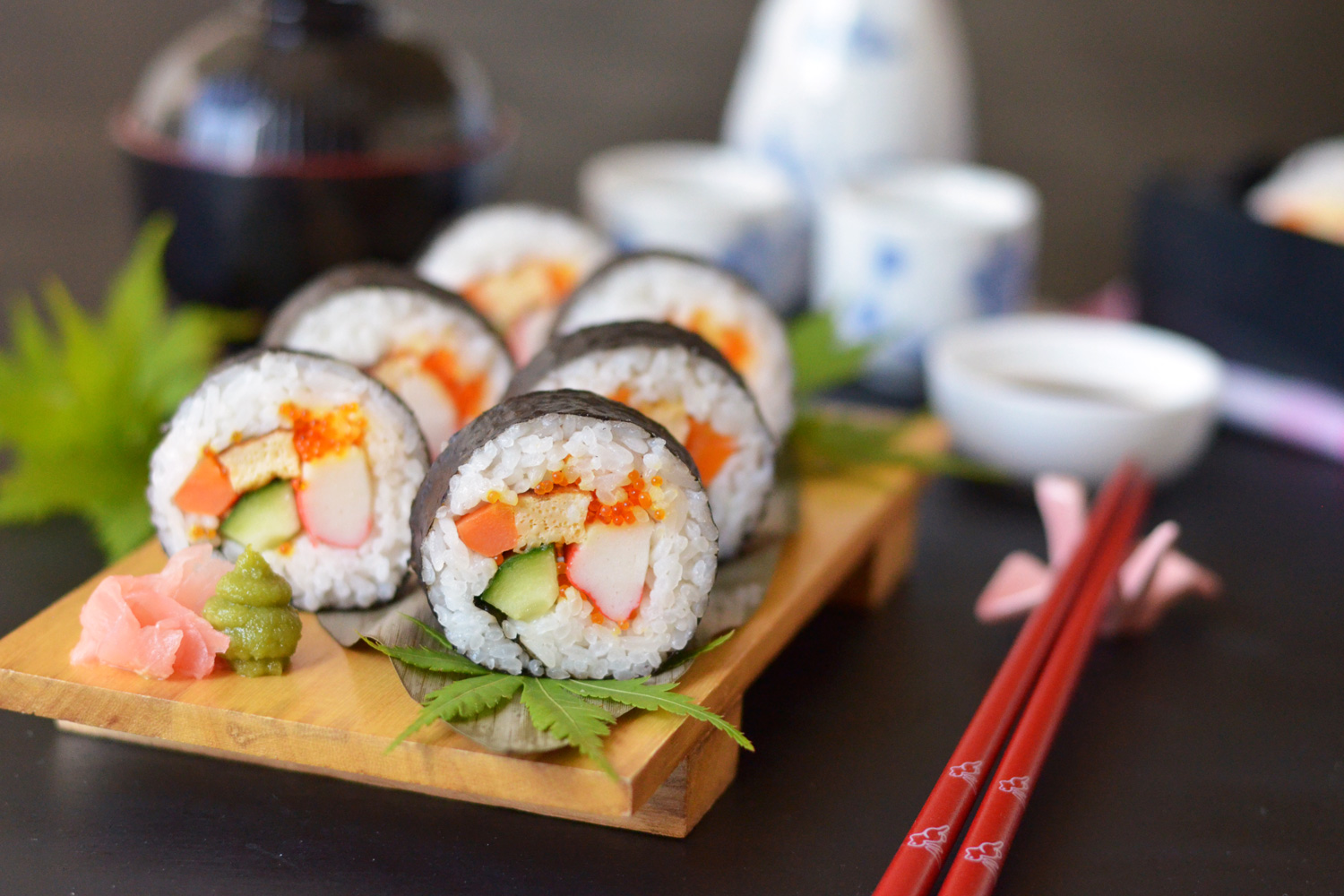
This article invites you on a dual journey: first, a captivating exploration of the California Maki’s history and its place in global tourism and lifestyle, and second, a practical, step-by-step guide to crafting this culinary masterpiece in your own kitchen. Whether you’re a seasoned globetrotter seeking to recreate cherished travel memories or an aspiring home chef eager to explore international flavors, mastering the art of the California Maki is an enriching experience that connects you directly to the vibrant tapestry of global food culture. It’s a dish that celebrates adaptability, bridges cultural divides, and offers a delicious reminder that the best experiences often blend the familiar with the wonderfully unexpected.
A Culinary Journey: Tracing the Origins of a Global Icon
The story of the California Maki is inextricably linked to the broader narrative of Japanese cuisine’s globalization and its enthusiastic reception in Western palates. To truly appreciate this roll, one must understand the innovative spirit that led to its creation, a spirit born from the intersection of different cultures and culinary traditions. This historical backdrop not only enriches our understanding of the dish itself but also highlights how food acts as a powerful ambassador for tourism and cultural exchange, making it a cornerstone of any travel experience.
From Tokyo to Los Angeles: The Birth of a Culinary Bridge
Traditional Japanese cuisine, particularly sushi, has a rich and ancient heritage, deeply rooted in the art of fermentation and the preservation of fish with rice. For centuries, sushi remained a culinary gem primarily enjoyed within the borders of Japan, evolving from a functional method of food preservation into a refined art form. However, as the world became more interconnected, Japanese chefs began to venture abroad, bringing their expertise and traditions to new shores.
The late 1960s and early 1970s marked a pivotal period, particularly in the United States, where a growing interest in international cuisines coincided with the arrival of skilled Japanese sushi masters. The challenge they faced was adapting a centuries-old tradition to a new market with different tastes, dietary preferences, and even cultural sensitivities. Raw fish, a staple in Japan, was not yet universally accepted in the West, and many diners found the taste of nori (seaweed) on the outside of the roll unappealing.
It was in this environment of culinary adaptation that the California Roll was born. While its exact origins are debated, with claims from both Los Angeles and Vancouver, the consensus points to a chef’s ingenious solution to these Western preferences. The most widely credited innovation involved turning the roll “inside-out” (uramaki style), hiding the nori beneath a layer of rice and sesame seeds or roe, thus making it visually less intimidating. Furthermore, ingredients like raw tuna were replaced with more universally appealing cooked alternatives, most notably imitation crab (surimi), fresh avocado, and crisp cucumber. This clever adaptation made sushi more approachable and palatable for a broader audience, effectively opening the floodgates for sushi’s global popularity.
The creation of the California Roll was more than just a recipe modification; it was a cultural phenomenon. It symbolized a bridge between East and West, a testament to how food can evolve while retaining its essence. This fusion dish quickly became a gateway for many to explore the wider world of Japanese sushi, transforming what was once an exotic delicacy into a mainstream favorite. Its success paved the way for countless other fusion sushi creations and solidified sushi’s place on the global culinary map, making it an essential experience for any tourist exploring major cities from New York City to London.
Beyond the Plate: California Maki as a Lifestyle and Travel Experience
The journey of the California Maki from a novel culinary experiment to a global sensation reflects deeper trends in lifestyle and travel. It embodies the modern traveler’s desire for authentic yet accessible experiences, for flavors that tell a story, and for the joy of discovering the familiar in unexpected places. This dish is not just food; it’s a passport to understanding cultural integration, a marker of luxurious leisure, and a practical choice for a discerning palate.
Embracing Fusion Cuisine in Global Destinations
Today, the California Maki is a ubiquitous item, found in an astonishing array of locations, from humble takeout counters to Michelin-starred restaurants. This widespread presence underscores its role as a chameleon of the culinary world, adapting to diverse settings and tastes. For the lifestyle traveler, particularly those interested in gastronomic tourism, exploring where and how California Maki is presented in different parts of the world offers fascinating insights into local culture and dining trends.
Imagine enjoying a beautifully crafted California Maki at a sushi bar overlooking the iconic Times Square in New York City, where the roll might be elevated with premium, locally sourced ingredients. Or picture yourself indulging in a sophisticated version at a five-star establishment like The Peninsula Beverly Hills in California, where the chefs might add a touch of caviar or a drizzle of truffle oil, transforming a simple roll into a gourmet experience. In cities like Dubai, known for its opulent hotels and diverse international cuisine, you might find California Maki served alongside an array of global delicacies in a lavish buffet at a resort such as the Grand Hyatt Hotel. These instances highlight how the dish seamlessly integrates into luxury travel, becoming a symbol of accessible elegance and global culinary standards.
Beyond the high-end, the California Maki also thrives in more casual, family-friendly settings. For those on budget travel or family trips, it often serves as a reliable and enjoyable meal option, a familiar comfort amidst the newness of foreign lands. Whether it’s a quick lunch in a bustling food court in Singapore or a relaxed dinner in a beachfront cafe in Santorini, its versatility makes it a perfect fit for various accommodation styles and travel itineraries. The ability to find a well-prepared California Maki almost anywhere is a testament to its universal appeal and its enduring legacy as a triumph of culinary diplomacy. This global availability underscores its importance as a food tourism item, a dish that can be trusted to deliver quality and flavor, no matter the destination.
The DIY Sushi Experience: Bringing the Restaurant Home
For many, travel isn’t just about visiting new places; it’s about bringing the essence of those places back home. The “How To Make” aspect of the California Maki directly taps into this desire, offering a tangible way to relive cherished memories or prepare for future adventures. Making sushi at home transforms dining into an activity, a creative pursuit that embodies a thoughtful lifestyle.
The DIY sushi experience is more than just cooking; it’s an immersive culinary activity that can be a fantastic focal point for family gatherings or a unique date night. It’s a sustainable approach to enjoying gourmet food, often more budget-friendly than dining out, yet offering the satisfaction of a professionally prepared meal. This aligns perfectly with a lifestyle that values hands-on experiences, cultural immersion, and wholesome, home-cooked food. By learning to make your own California Maki, you’re not just preparing a meal; you’re engaging in a form of culinary tourism within your own kitchen, exploring the textures, flavors, and techniques that make Japanese-American fusion cuisine so captivating. It’s a skill that can be shared, a delicious reminder of the endless global pantry available at our fingertips, and a delightful way to explore the world without ever leaving your home.
Crafting Your Own California Maki: A Step-by-Step Culinary Guide

Now, let’s transition from the cultural journey to the practical application. Making California Maki at home is a rewarding experience that requires a bit of patience and attention to detail, but is well within the reach of any enthusiastic home cook. This section will guide you through each step, ensuring your homemade rolls are as delicious and visually appealing as those found in your favorite sushi restaurants, whether they are in Kyoto or Los Angeles.
Essential Ingredients and Tools
Before you begin, gather all your ingredients and tools. Quality ingredients are key to a delicious sushi roll.
Ingredients:
- Sushi Rice: 2 cups short-grain Japanese sushi rice
- Nori Seaweed: 5-6 sheets of roasted nori (seaweed), cut in half
- Imitation Crab (Surimi): 8-10 sticks, shredded or sliced lengthwise
- Avocado: 1 ripe avocado, peeled, pitted, and sliced into thin strips
- Cucumber: 1/2 English cucumber, seeded and sliced into thin strips
- Mayonnaise: 2-3 tablespoons Japanese mayonnaise (Kewpie brand preferred)
- Toasted Sesame Seeds: 2-3 tablespoons, for coating
- Tobiko or Masago (Fish Roe): Optional, for coating and extra flavor/texture
- Sushi Vinegar Dressing:
- 1/4 cup rice vinegar
- 2 tablespoons sugar
- 1 teaspoon salt
- Water: For cooking rice and for hands
Tools:
- Sushi Rolling Mat (Makisu): Essential for rolling tight, even rolls.
- Large Mixing Bowl: For seasoning the rice.
- Rice Cooker or Heavy-Bottomed Pot: For cooking the sushi rice.
- Sharp Knife: For slicing the rolls cleanly.
- Small Bowl of Water: For moistening your hands to prevent rice from sticking.
Preparing the Perfect Sushi Rice
The foundation of any good sushi roll is perfectly cooked and seasoned rice. This step is crucial, so take your time.
- Wash the Rice: Place the sushi rice in a fine-mesh sieve and rinse under cold running water until the water runs clear. This removes excess starch, preventing the rice from becoming gummy.
- Soak the Rice: Transfer the washed rice to a pot or rice cooker, add 2 cups of cold water, and let it soak for 30 minutes. Soaking helps the rice cook more evenly.
- Cook the Rice: If using a rice cooker, simply follow its instructions. If using a pot, bring the rice and water to a boil over high heat, then immediately reduce heat to low, cover tightly, and simmer for 15 minutes. Do not lift the lid during this time.
- Steam the Rice: Once cooked, remove the pot from heat and let it steam, still covered, for another 10-15 minutes. This allows the moisture to redistribute.
- Prepare Sushi Vinegar: While the rice is cooking, combine rice vinegar, sugar, and salt in a small saucepan. Heat gently until the sugar and salt dissolve, then let it cool completely.
- Season the Rice: Transfer the hot cooked rice to a large, wide, non-metallic bowl (a wooden hangiri is traditional, but plastic or glass works). Slowly pour the cooled sushi vinegar dressing over the rice, using a cutting motion with a rice paddle or wooden spoon to evenly distribute the dressing. Avoid mashing the rice. As you mix, fan the rice with a piece of cardboard or a hand fan to cool it quickly and give it a shiny appearance. The rice should be cool enough to handle, but still slightly warm, when you start rolling.
Assembling Your California Roll
This is where the magic happens! Rolling takes practice, but don’t be discouraged if your first few aren’t perfect.
- Prepare Your Workspace: Lay your sushi rolling mat flat on a clean surface. Cover it with plastic wrap to prevent rice from sticking and make cleanup easier.
- Lay the Nori: Place a half-sheet of nori, shiny side down, on the plastic-wrapped rolling mat.
- Spread the Rice: Dip your hands in the small bowl of water (this prevents rice from sticking). Take about 3/4 to 1 cup of seasoned sushi rice and spread it evenly over the entire surface of the nori, going edge to edge. Don’t press too hard; just create an even layer.
- Add Toppings (Optional): If using sesame seeds or tobiko/masago, sprinkle them evenly over the rice. Gently press them so they adhere.
- Flip the Nori: Carefully flip the nori sheet over so the rice side is now facing down on the mat. The nori should now be on top, ready for fillings.
- Add Fillings: Arrange the imitation crab, avocado strips, and cucumber strips in a line across the center of the nori (the side facing you). You can also spread a thin layer of Japanese mayonnaise on the fillings if desired.
- Roll the Sushi: Gently lift the edge of the mat closest to you, bringing it up and over the fillings. Use your fingers to hold the fillings in place as you roll. Press down firmly on the mat to compress the roll, creating a tight cylinder. Continue rolling forward, lifting the mat slightly as you go, until the roll is complete. Ensure it’s a tight, compact roll.
- Seal and Shape: Once rolled, give the mat one final squeeze around the roll to ensure it’s firm and holds its shape.
- Slice the Roll: Moisten your sharp knife with water. Slice the roll in half, then slice each half into 3 or 4 equal pieces, making 6 or 8 pieces in total. Clean your knife between cuts for cleaner slices.
- Serve: Arrange your freshly made California Maki on a serving plate. Serve immediately with soy sauce, wasabi, and pickled ginger.
Enhancing Your Culinary Adventure: Pairings and Cultural Insights
Making your own California Maki is just the beginning of a broader culinary exploration. To truly elevate your experience and appreciate the nuances of this dish, consider its traditional accompaniments and the cultural etiquette surrounding Japanese dining. This not only enhances the flavor profile but also enriches your understanding of the “tourism” aspect of food.
Complementary Flavors and Beverages
The beauty of sushi lies not only in the roll itself but also in the harmony of its accompanying flavors. These pairings are designed to cleanse the palate, enhance the taste of the sushi, and provide a balanced culinary experience.
- Soy Sauce (Shoyu): A staple accompaniment, providing a salty, umami depth. Use good quality, low-sodium soy sauce. Remember to dip the fish side (if any, or the rice side lightly) and not let the rice soak in too much soy sauce.
- Wasabi: A vibrant green paste made from the Japanese horseradish plant, wasabi offers a pungent kick that cleanses the palate and highlights the flavor of the seafood. A small dab is usually sufficient.
- Gari (Pickled Ginger): The thinly sliced, pickled ginger is traditionally eaten between different types of sushi to refresh the palate, preparing it for the next unique flavor. Its sweet and tangy profile is an indispensable part of the sushi experience.
- Sake: For those who appreciate alcoholic pairings, a dry Japanese sake can beautifully complement the delicate flavors of sushi. Consider a crisp Junmai or Honjozo sake.
- Green Tea: A classic, non-alcoholic pairing, green tea (especially unsweetened varieties like Sencha or Genmaicha) is an excellent palate cleanser and digestive aid, often served free of charge in traditional sushi restaurants.
- Japanese Beer: Light lagers from Japanese breweries, like Asahi or Sapporo, also make refreshing accompaniments, cutting through the richness of some rolls.

Beyond the Roll: Exploring Japanese Culinary Etiquette
While the California Maki is a Western invention, it’s still inspired by Japanese cuisine, and understanding a few basic etiquette tips can enhance your enjoyment and respect for the culinary tradition, whether you’re at home or dining in Tokyo‘s famed Shinjuku Golden Gai district.
- Chopsticks or Hands: While it’s perfectly acceptable to eat nigiri (sushi with fish on top) with your hands, maki rolls are generally eaten with chopsticks.
- One Bite: Try to eat each piece of sushi in a single bite, if possible. This allows you to experience the harmony of all the ingredients together.
- Don’t Mix Wasabi in Soy Sauce: Traditionally, wasabi is already applied to the sushi by the chef. If you need more, apply it directly to the sushi rather than dissolving it in your soy sauce.
- Don’t Over-Dip: Dip the sushi lightly into the soy sauce, rice-side up to avoid soaking the rice. If it’s an uramaki (inside-out) roll like California Maki, a light dip on the rice side is fine.
- Ginger as a Palate Cleanser: Remember to eat pickled ginger between different types of sushi, not on top of it.
- Respect the Chef: In traditional sushi establishments, showing appreciation for the chef’s skill is part of the experience. Even when making it at home, remember the artistry involved.
Embarking on the journey to make your own California Maki is more than just following a recipe; it’s an immersive experience that touches upon travel, lifestyle, and cultural appreciation. From its innovative origins in Los Angeles to its current status as a global culinary icon, this dish reminds us that food is a powerful medium for storytelling and connection. So, roll up your sleeves, gather your ingredients, and prepare to create a delicious piece of culinary history right in your own kitchen. Whether you dream of culinary tours through Japan or simply want to bring a taste of global fusion to your next dinner party, the California Maki offers a delightful and accessible adventure for all.
LifeOutOfTheBox is a participant in the Amazon Services LLC Associates Program, an affiliate advertising program designed to provide a means for sites to earn advertising fees by advertising and linking to Amazon.com. Amazon, the Amazon logo, AmazonSupply, and the AmazonSupply logo are trademarks of Amazon.com, Inc. or its affiliates. As an Amazon Associate we earn affiliate commissions from qualifying purchases.