
Understanding the Pulse of the Golden Gate City
San Francisco, a city synonymous with innovation, iconic landmarks, and a vibrant cultural tapestry, draws millions of visitors and residents alike. Its unique geography, a peninsula jutting into the Pacific Ocean, and its historical significance as a gateway to the American West, contribute to its distinct character. While the allure of its cable cars, the majestic Golden Gate Bridge, and the picturesque Alcatraz Island are undeniable draws for tourists, understanding the human element – the sheer number of people who call this city home and those who pass through it – is crucial for grasping its dynamic nature. This exploration delves into the demographics of San Francisco, examining both its resident population and the ebb and flow of its transient visitors, painting a comprehensive picture of the human heartbeat of this beloved metropolis.

The Resident Population: A Diverse and Evolving Demographic
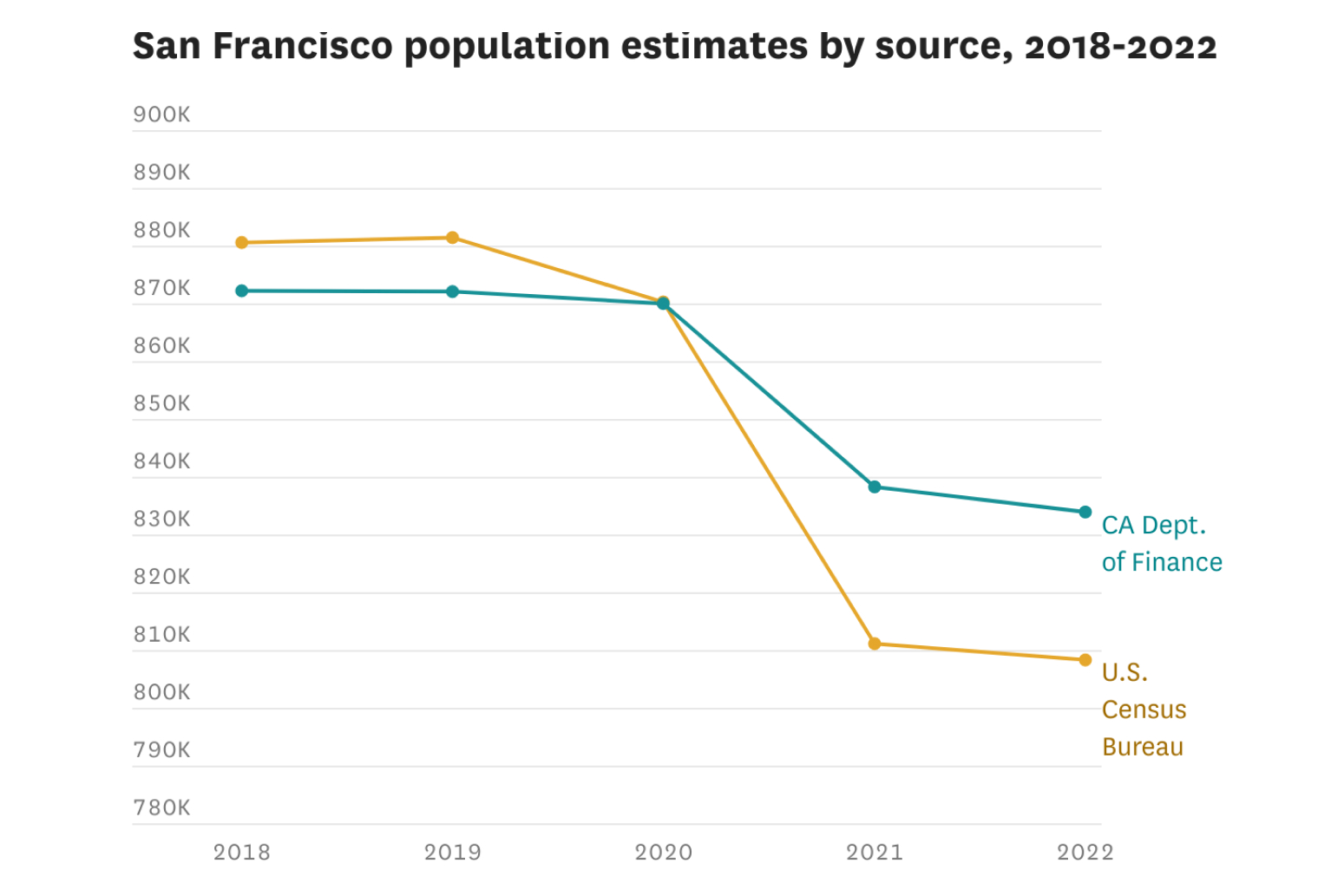
The number of people residing in San Francisco is a figure that constantly shifts, influenced by economic trends, housing availability, and the city’s enduring appeal. As of recent estimates, the resident population hovers around the 800,000 to 900,000 mark. This figure represents a diverse cross-section of humanity, reflecting California‘s status as a melting pot of cultures and backgrounds.
Key Demographic Trends
Understanding the resident population goes beyond a simple headcount. Several key demographic trends shape the character and dynamics of San Francisco.
Age Distribution
San Francisco is a city that attracts young professionals and retains a significant portion of its established residents. The city’s booming tech industry, centered in nearby Silicon Valley but with a strong presence within the city limits, draws a considerable number of individuals in their 20s and 30s. However, it also boasts a substantial population of individuals in their middle and older age groups, contributing to a rich intergenerational mix. This age distribution impacts everything from the demand for housing and transportation to the types of cultural and recreational activities that thrive within the city.
Ethnic and Racial Diversity
One of San Francisco’s most defining characteristics is its profound ethnic and racial diversity. Historically, the city has been a destination for immigrants from across the globe, and this legacy continues today. Significant Asian, Hispanic or Latino, Black or African American, and White populations contribute to a vibrant mosaic of traditions, languages, and cuisines. Neighborhoods like Chinatown, the Mission District, and the Fillmore District are testaments to this rich heritage, offering unique cultural experiences that are integral to the city’s identity.
Household Composition
The nature of households in San Francisco is also noteworthy. The city is known for its high proportion of single-person households and couples without children, a reflection of the city’s urban lifestyle and economic drivers. However, families with children also form an important part of the community, particularly in certain neighborhoods. The cost of living, especially housing, significantly influences household decisions and composition, presenting ongoing challenges and adaptations for residents.
Factors Influencing Population Size
The resident population of San Francisco is not static and is influenced by a confluence of factors:
Economic Opportunities
The robust economy, particularly in the technology, finance, and biotechnology sectors, acts as a powerful magnet for new residents seeking career advancement and high-paying jobs. This influx of talent contributes to the city’s dynamism but also places pressure on its infrastructure and housing market.
Housing Market Dynamics
San Francisco is renowned for its exceptionally high housing costs. This affordability challenge, while a significant deterrent for some, also reflects the high demand for living in such a desirable location. The limited supply of housing, coupled with high demand, leads to a competitive market that shapes who can afford to live and work in the city.
Urban Appeal and Quality of Life
Beyond economics, San Francisco offers a distinctive urban lifestyle characterized by access to world-class culture, dining, natural beauty, and a progressive social environment. This inherent appeal continues to draw individuals and families who value these aspects of city living.
The Transient Population: Tourists, Business Travelers, and Beyond
Beyond the permanent residents, San Francisco is a global hub for transient visitors, whose numbers significantly swell the city’s population on any given day. This ebb and flow of people on short-term stays are fundamental to the city’s economy and its vibrant atmosphere.
Tourism: A Cornerstone of the Economy
Tourism is a colossal industry in San Francisco, driven by its iconic attractions and global reputation. Millions of tourists flock to the city annually, eager to experience its unique charm.
Annual Visitor Numbers
Estimates for annual visitor numbers often exceed 20 million, with a significant portion being leisure travelers. These visitors contribute billions of dollars to the local economy through spending on accommodation, dining, transportation, attractions, and retail. The sheer volume of tourists means that at any given time, a substantial percentage of people within the city limits are not residents.
Key Attractions Drawing Visitors
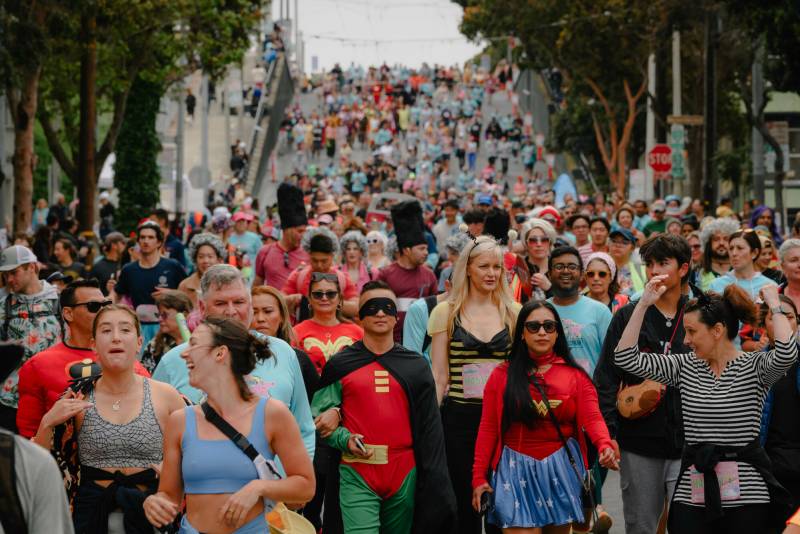
The appeal of San Francisco as a tourist destination is multifaceted. Iconic landmarks like the Golden Gate Bridge, Alcatraz Island, and Lombard Street are perennial draws. The city’s diverse neighborhoods, each with its own distinct character – from the bohemian vibe of North Beach to the bustling energy of Fisherman’s Wharf – offer a rich array of experiences. Cultural institutions, world-class museums such as the de Young Museum and the San Francisco Museum of Modern Art (SFMOMA), and a legendary culinary scene further enhance its allure.
Business Travel and Conferences
San Francisco is also a major destination for business travelers, drawn by its thriving tech industry and its role as a hub for conventions and international events. The Moscone Center, a prominent convention complex, hosts numerous large-scale events throughout the year, bringing thousands of professionals to the city. This business-oriented influx adds another layer to the transient population, often with different patterns of spending and accommodation needs.
Other Transient Visitors
Beyond leisure tourists and business travelers, San Francisco also receives visitors for educational purposes, to visit friends and family, or as part of longer journeys. These diverse groups contribute to the constant hum of activity that characterizes the city.
The Dynamic Population Count: A Daily Fluctuation
When considering “how many people are in San Francisco?” at any given moment, it’s essential to acknowledge the dynamic nature of this number. The total population is a sum of residents and the ever-changing transient population.
Factors Affecting Daily Population
The daily population count is subject to significant fluctuations based on various factors:
Day of the Week
Weekends typically see a surge in leisure tourists, while weekdays are often dominated by business travelers and commuters from surrounding areas.
Seasonality
The peak tourist seasons, generally spring and summer, witness the highest numbers of visitors. However, San Francisco attracts visitors year-round, with events and holidays contributing to spikes in population.
Major Events and Conferences
Large conventions, festivals like Outside Lands Music and Arts Festival, or significant sporting events can temporarily swell the city’s population by tens of thousands.
Commuting Patterns
It is also important to consider the large number of people who commute into San Francisco for work but reside in neighboring counties like Alameda, Contra Costa, and San Mateo. These daily commuters significantly contribute to the daytime population, impacting traffic and public transit usage.
The Impact of Population on City Life
The substantial and diverse population of San Francisco, both resident and transient, has a profound impact on nearly every aspect of city life, from infrastructure and services to culture and economy.
Infrastructure and Services
A large population necessitates robust infrastructure. San Francisco grapples with the demands placed on its transportation networks, public utilities, and waste management systems. Managing traffic congestion and ensuring efficient public transit, such as the Muni bus and metro system and the iconic cable cars, are ongoing challenges.
Economic Vitality and Local Businesses
The constant influx of residents and visitors fuels a vibrant economy. Local businesses, from small boutiques in Hayes Valley to world-renowned restaurants, benefit from the sustained consumer demand. The presence of a large workforce also supports the city’s diverse industries.
Cultural Vibrancy and Urban Experience
The confluence of diverse residents and a steady stream of global visitors creates an unparalleled cultural dynamism. San Francisco is a city where different traditions, ideas, and lifestyles interact, fostering a rich and evolving urban experience. The demand for entertainment, dining, and artistic expression is high, ensuring a lively cultural scene.
Challenges and Considerations
While the population contributes to the city’s vibrancy, it also presents challenges. The high cost of living, a consequence of high demand and limited supply, is a persistent issue for residents. Environmental sustainability, managing tourism’s footprint, and ensuring equitable access to resources are ongoing concerns that shape policy and community initiatives in San Francisco.
In conclusion, answering “How many people are in San Francisco?” involves looking beyond a single number. It is a consideration of a dynamic resident population shaped by economic forces and urban appeal, coupled with a significant and ever-present transient population of tourists and business travelers. Together, these human currents define the pulse of this extraordinary city by the bay.
LifeOutOfTheBox is a participant in the Amazon Services LLC Associates Program, an affiliate advertising program designed to provide a means for sites to earn advertising fees by advertising and linking to Amazon.com. Amazon, the Amazon logo, AmazonSupply, and the AmazonSupply logo are trademarks of Amazon.com, Inc. or its affiliates. As an Amazon Associate we earn affiliate commissions from qualifying purchases.