
The devastating impact of wildfires in California is a somber reality that extends beyond the immediate destruction of landscapes and property. A critical aspect of understanding the full scope of these natural disasters is the human toll, specifically the number of lives lost. While precise figures can fluctuate due to ongoing investigations, the sheer magnitude of fatalities in some of the state’s most destructive fire events is a stark reminder of the dangers posed by an increasingly volatile climate and landscape. Examining the data, particularly from recent years, provides crucial insights into the risks faced by residents, emergency responders, and the broader communities impacted by these infernos.

The Human Cost of California’s Wildfire Crisis
The question of how many people have died in California wildfires is not merely a statistic; it represents individual tragedies, shattered families, and communities grappling with profound loss. Historically, wildfire fatalities were less common, often confined to a few individuals caught in the path of immediate flame or smoke inhalation. However, the intensification and increased frequency of large, fast-moving fires have dramatically altered this landscape. Factors such as expanding development into wildland-urban interfaces, prolonged drought conditions, and the accumulation of fuel in forests have created a perfect storm, leading to more complex and dangerous fire scenarios.
Understanding the Data and Its Challenges
Collecting accurate fatality data from wildfire events is a complex undertaking. It involves not only direct fatalities from burns and smoke inhalation but also indirect deaths resulting from accidents during evacuations, pre-existing health conditions exacerbated by poor air quality, and even suicides linked to the immense stress and loss associated with these disasters. Emergency services, coroners’ offices, and public health departments work collaboratively to ascertain these numbers, but the process can be lengthy, especially in the chaotic aftermath of a major fire.
The nature of the fires themselves can also complicate the counting. In instances of extreme heat and rapid fire spread, human remains can be difficult to recover and identify, potentially leading to undercounting in the initial stages. Furthermore, the classification of a death as wildfire-related can sometimes be debated, particularly for those with underlying health issues that were worsened by smoke exposure. Despite these challenges, the available data paints a grim picture of the increasing human cost.
Notable Fatalities in Recent Major Wildfires
Examining specific, well-documented wildfire events provides a clearer understanding of the human toll. These incidents serve as poignant case studies, highlighting the vulnerability of communities and the devastating effectiveness of unchecked flames.
The Camp Fire: A Grim Milestone
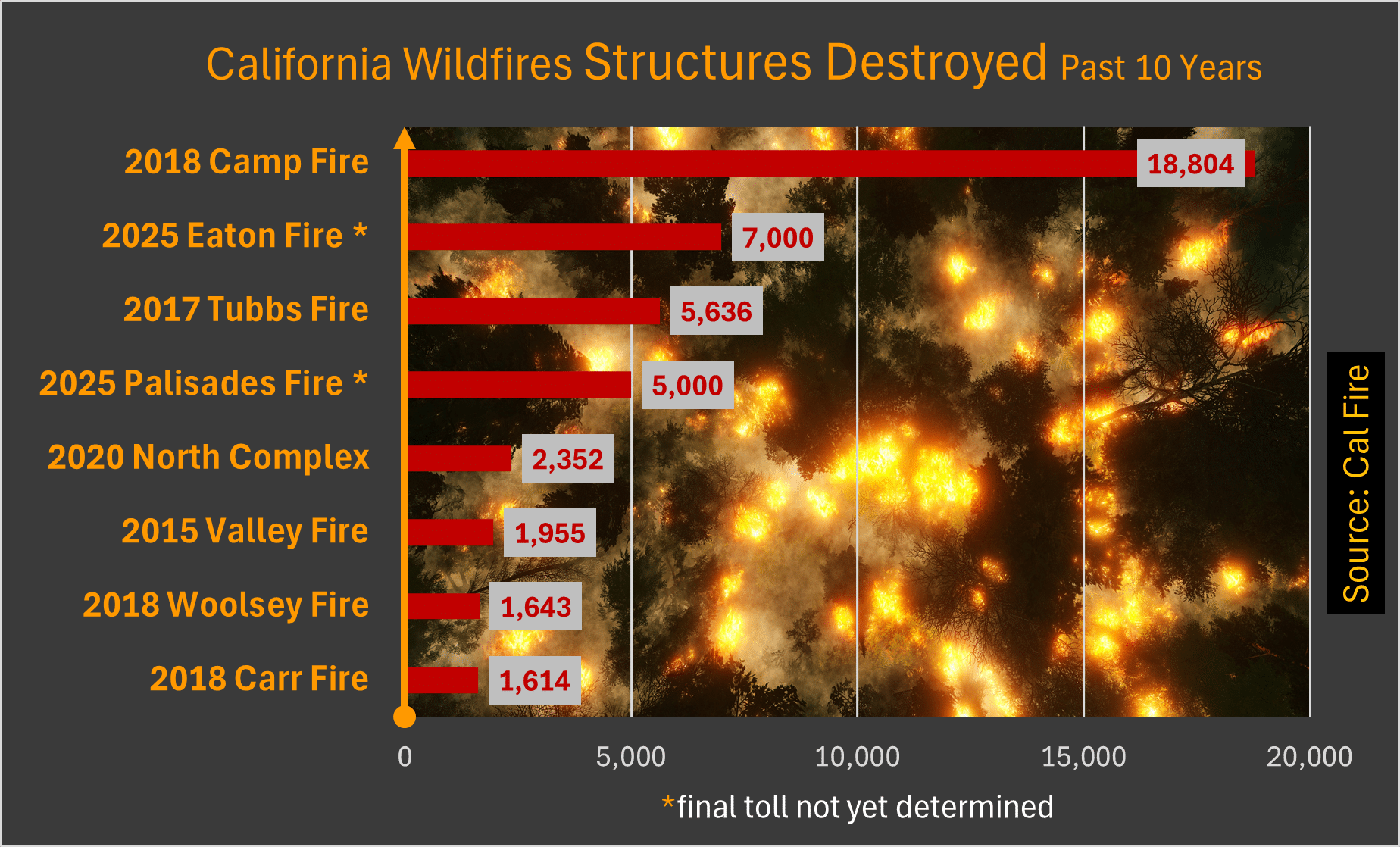
The Camp Fire in November 2018 remains the deadliest wildfire in California history. This catastrophic event, which largely obliterated the town of Paradise, claimed an astounding 85 lives. The fire’s rapid and ferocious advance, fueled by dry conditions and high winds, overwhelmed evacuation efforts, trapping many residents in their homes or vehicles. The sheer speed and intensity of the Camp Fire demonstrated the terrifying potential of modern wildfires to cause mass casualties. The recovery and identification process in Paradise was extensive and deeply emotional, underscoring the profound and lasting impact of such a tragedy.
The Sonoma Complex Fires: A Pattern of Loss
In October 2017, a series of wildfires, collectively known as the Sonoma Complex Fires, swept through Sonoma County and surrounding areas. These fires resulted in at least 44 fatalities, predominantly in Sonoma and Napa Counties. The fires, which started in vineyards and quickly spread into residential areas, caught many off guard. The destruction of entire neighborhoods and the immense loss of life highlighted systemic issues in early warning systems and evacuation planning for rural and semi-rural communities. The fires also underscored the interconnectedness of the landscape and human settlements, where a spark in agricultural land could quickly engulf nearby homes.
Other Significant Fatalities
Beyond these two devastating events, numerous other wildfires in California have resulted in significant loss of life over the years. The Woolsey Fire in 2018, which impacted parts of Los Angeles and Ventura Counties, claimed at least three lives. The Dixie Fire in 2021, one of the largest single fires in California history by acreage, also tragically resulted in fatalities, with confirmed deaths adding to the growing toll of major fire seasons. Each of these incidents, while varying in scale, contributes to the cumulative understanding of the risks associated with wildfires in the state.
Factors Contributing to Wildfire Fatalities
The increasing number of fatalities in California wildfires is not a random occurrence but rather a consequence of several converging factors that amplify the destructive potential of these fires and increase human vulnerability. Understanding these drivers is crucial for developing effective mitigation and prevention strategies.
The Wildland-Urban Interface (WUI) Expansion
One of the most significant contributing factors is the continued expansion of development into the wildland-urban interface (WUI). This is the zone where human structures meet or intermingle with undeveloped wildland vegetation. As more people choose to build homes and communities in these fire-prone areas, the potential for catastrophic encounters between fire and human life dramatically increases. Homes built in or near forests and grasslands are inherently at greater risk during wildfire events.
The WUI is characterized by a complex interplay of factors:
- Increased Ignition Sources: More human activity in these areas can lead to accidental ignitions, whether from downed power lines, discarded cigarettes, campfires, or equipment use.
- Difficult Access for Firefighters: The irregular terrain and scattered nature of WUI developments can impede the access of fire suppression crews, making it harder to contain fires before they reach homes.
- Evacuation Challenges: Evacuating residents from WUI areas, which often have limited road access, can be chaotic and dangerous, leading to traffic jams and individuals being trapped by the advancing flames.
- Fuel Load Adjacent to Homes: Homes in the WUI are often surrounded by or in close proximity to flammable vegetation, creating a direct pathway for fire to reach structures.
Climate Change and Environmental Conditions
The role of climate change in exacerbating wildfire risk is undeniable. Rising global temperatures, prolonged periods of drought, and shifts in precipitation patterns create a landscape that is increasingly primed for intense fires.
Key environmental conditions influenced by climate change include:
- Drought and Fuel Moisture: Extended droughts lead to drier vegetation, which acts as highly flammable fuel. Soil moisture decreases, and plants become brittle, readily igniting and allowing fires to spread rapidly. California has experienced increasingly severe and prolonged drought cycles in recent decades.
- Increased Temperatures: Higher ambient temperatures dry out vegetation more quickly and can increase the intensity of fires. Heatwaves, which are becoming more frequent and severe due to climate change, create dangerous conditions for fire ignition and spread.
- Changes in Vegetation: Prolonged drought and higher temperatures can stress vegetation, leading to increased tree mortality. Dead trees and drought-stressed plants add significantly to the available fuel load, making fires burn hotter and spread faster.
- Wind Patterns: While not solely attributed to climate change, shifts in weather patterns can lead to stronger and more erratic winds, which are a primary driver of rapid fire spread and pose extreme dangers during wildfire events.
Inadequate Preparedness and Warning Systems
Despite advancements, preparedness and warning systems in some areas can still fall short of the challenges posed by modern wildfires. The speed at which some fires move can outpace traditional warning mechanisms, leaving residents with little time to react.
Challenges in preparedness include:
- Evacuation Orders and Compliance: The effectiveness of evacuation orders depends on timely dissemination and public compliance. In densely populated WUI areas or during fast-moving fires, ensuring everyone receives and heeds evacuation warnings is a significant hurdle.
- Infrastructure Vulnerability: Power outages caused by fires or preventative shutdowns can disable communication networks, hindering the ability to issue warnings and for residents to receive them.
- Emergency Response Capacity: While California has substantial firefighting resources, the sheer scale and intensity of some wildfires can overwhelm even well-equipped agencies, forcing difficult decisions about resource allocation and prioritized protection.
- Community Education and Home Hardening: A lack of awareness regarding fire-resistant building practices and landscape management around homes can leave properties more vulnerable. Consistent public education campaigns are crucial for fostering a culture of preparedness.
Responding to the Threat: Mitigation and Future Outlook
The escalating frequency and intensity of California wildfires, coupled with the tragic loss of life, necessitate a multifaceted approach to mitigation, adaptation, and improved preparedness. Recognizing the complex interplay of environmental, societal, and climatic factors is the first step towards building resilience and reducing future fatalities. The focus must shift from reactive suppression to proactive prevention and community-level readiness.
Enhancing Evacuation Procedures and Warning Systems
Improving the speed and efficacy of evacuation procedures and warning systems is paramount. This involves leveraging technology and refining communication strategies to ensure residents in fire-prone areas receive timely and actionable information.
Key strategies include:
- Advanced Alerting Technologies: Utilizing integrated systems that combine emergency alerts via cell phones (like the Wireless Emergency Alerts or WEA system), sirens, and public address systems ensures broader reach. Geo-fencing technologies can alert specific neighborhoods or zones under imminent threat.
- Pre-planned Evacuation Routes: Developing and clearly marking primary and secondary evacuation routes, and ensuring these routes are maintained and free of obstructions, is critical. Community drills and public education on evacuation routes can significantly improve compliance and reduce panic.
- Phased Evacuations: Implementing phased evacuation orders, starting with the most immediate threat zones, can help manage traffic flow and prevent gridlock, allowing for a more orderly departure.
- Shelter-in-Place Guidance: In scenarios where immediate evacuation is not feasible or safe due to traffic congestion or the rapid nature of the fire, clear guidance on shelter-in-place strategies can be life-saving. This includes information on sealing homes against smoke and staying informed through battery-powered radios.
Forest Management and Land Use Planning
Proactive forest management and more strategic land-use planning are essential to reducing the fuel load and limiting the spread of wildfires. This requires a long-term vision that balances ecological health with public safety.
Crucial initiatives involve:
- Prescribed Burns and Mechanical Thinning: Controlled burns and mechanical thinning of undergrowth and overcrowded trees can reduce the intensity of wildfires and create firebreaks. These practices are vital for managing fuel accumulation in forests, particularly in areas identified as high-risk.
- Restoration Ecology: Implementing forest restoration projects that promote fire-resilient native plant species and reduce the prevalence of invasive, highly flammable vegetation is a key long-term strategy.
- Defensible Space Requirements: Strengthening and enforcing defensible space requirements around homes and communities is vital. This involves homeowners creating and maintaining a buffer zone of cleared vegetation around their properties to reduce fire ignition and spread.
- Land Use Zoning Reforms: Re-evaluating and potentially reforming land-use zoning regulations to discourage new development in the most extreme fire hazard zones is a critical policy consideration. This may involve stricter building codes and a moratorium on new construction in the highest-risk WUI areas.
Community Resilience and Preparedness Education
Building resilient communities requires active participation from residents, fostering a culture of preparedness, and providing accessible education on wildfire risks and safety measures.
Efforts to build community resilience include:
- Public Education Campaigns: Ongoing, targeted campaigns that educate residents about wildfire risks, home hardening techniques, creating defensible space, and developing evacuation plans are essential. These campaigns should reach diverse communities and be offered in multiple languages.
- Neighborhood Fire Safe Councils: Supporting and establishing neighborhood-level fire safe councils can empower local residents to work together on mitigation efforts, share information, and organize community preparedness activities.
- Home Hardening Initiatives: Promoting and incentivizing home hardening techniques, such as using fire-resistant roofing materials, ember-resistant vents, and non-flammable landscaping, can significantly improve a home’s survivability during a wildfire.
- Post-Fire Recovery Support: While not directly related to preventing immediate fatalities, robust post-fire recovery support, including mental health services and financial assistance for rebuilding, is crucial for the long-term resilience of communities affected by devastating wildfires.
The question of “how many people died in California wildfires?” serves as a critical impetus for action. By understanding the contributing factors and committing to comprehensive mitigation strategies, California can strive to reduce the tragic human cost of these ever-present natural threats and build a safer future for its residents.
LifeOutOfTheBox is a participant in the Amazon Services LLC Associates Program, an affiliate advertising program designed to provide a means for sites to earn advertising fees by advertising and linking to Amazon.com. Amazon, the Amazon logo, AmazonSupply, and the AmazonSupply logo are trademarks of Amazon.com, Inc. or its affiliates. As an Amazon Associate we earn affiliate commissions from qualifying purchases.