
Understanding the demographic landscape of Louisiana is about more than just reciting a census figure. For the curious traveler, the question “how many people in Louisiana?” serves as an entry point into one of the most culturally rich and ethnically diverse regions in the United States. With a population hovering around 4.6 million residents, this state is a vibrant tapestry of Creole, Cajun, African, French, and Spanish influences. The sheer density of human history and heritage in this corner of the South dictates everything from the rhythm of the music to the spice levels in the kitchen.
The Vibrant Demographics of the Bayou State
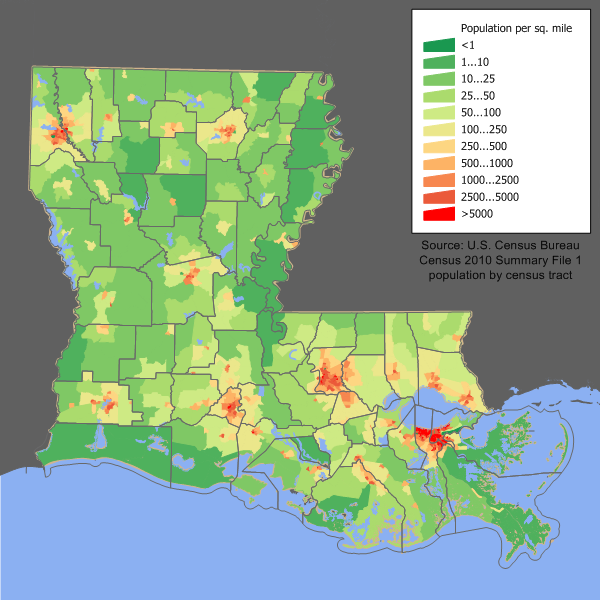
The population of Louisiana is concentrated in several key metropolitan hubs, each offering a distinct flavor of local life. While the state’s total population remains relatively stable, the movement of people within its borders tells a fascinating story of urban revitalization and cultural preservation.
Population Centers: From New Orleans to Baton Rouge
When tourists ask how many people live in Louisiana, they are often thinking of New Orleans. Known affectionately as the “Big Easy,” this city is the cultural heartbeat of the state. Despite its moderate size compared to global megacities, the density of New Orleans creates an electric atmosphere. Travelers flock to the French Quarter to experience a world where the population density feels much higher than the numbers suggest, thanks to the narrow, historic streets and the constant influx of visitors.
To the northwest lies Baton Rouge, the state capital. As the second-largest city, it serves as a center for government and education, housing the expansive campus of Louisiana State University. Here, the population is a mix of students, politicians, and industrial workers, providing a more structured but equally welcoming environment for those exploring the Mississippi River corridor.
The Melting Pot of Cultures: French, Spanish, and African Influences
The 4.6 million people in Louisiana are the descendants of a complex colonial history. Unlike many other states, the population here was shaped significantly by the Louisiana Purchase. The demographic makeup includes a significant population of Acadians (who became Cajuns) who were exiled from Canada, as well as Isleños from the Canary Islands. This diversity is what makes the state a premier destination for cultural tourism. When you walk through Jackson Square, you aren’t just seeing people; you are seeing the living legacy of three centuries of migration.
Cultural Festivals and the Spirit of the Masses
In Louisiana, the population doesn’t just reside; it celebrates. The social fabric of the state is woven together by festivals that draw people from every parish (the local term for counties). To understand the population, one must see them in their element: gathered together in the name of food, faith, and music.
Mardi Gras: Where the Population Swells
If you were to count how many people are in Louisiana during the month of February, the number would look significantly different. Mardi Gras is the ultimate expression of the state’s communal spirit. In New Orleans alone, the city’s population can nearly double as tourists from around the globe join locals on Bourbon Street and St. Charles Avenue. However, the celebration isn’t limited to the city. The Courir de Mardi Gras in rural towns like Mamou and Eunice offers a look at the traditional, communal lifestyle of the rural Cajun population.
Jazz & Heritage Festival: A Celebration of Sound and Soul
Another major event that showcases the vibrant population is the New Orleans Jazz & Heritage Festival. Known locally as “Jazz Fest,” this event celebrates the indigenous music and art of the Louisiana people. It is here that the intersection of the African-American community, the Creole artisans, and the modern youth culture is most visible. The sheer volume of people attending these events is a testament to the state’s enduring appeal as a hub for global tourism.
Regional Diversity: Exploring the People of the North and South
The distribution of people across Louisiana creates a fascinating north-south divide that travelers should be aware of. While the south is famous for its swamps and French heritage, the north shares more cultural similarities with the broader American South.
Sportsman’s Paradise: Life in Shreveport and Monroe
In the northern reaches of the state, cities like Shreveport and Monroe anchor a region known as the “Sportsman’s Paradise.” The people here are deeply connected to the land, with a culture centered on fishing, hunting, and outdoor recreation. This demographic is predominantly Protestant, contrasting with the largely Catholic south. For a tourist, visiting Natchitoches—the oldest settlement in the Louisiana Purchase territory—provides a glimpse into how the population lived centuries ago, with beautifully preserved colonial architecture and a slower pace of life.
Acadiana: The Heart of the Cajun Community
In South Louisiana, specifically the region known as Acadiana, the population identifies strongly with their Acadian roots. Centered around the city of Lafayette, this area is home to the highest concentration of French speakers in the United States. The people of Lafayette and nearby Lake Charles are famous for their hospitality and “joie de vivre” (joy of living). Tourism in this region is driven by “people-focused” experiences, such as dancing to Zydeco music at a local dance hall or participating in a backyard crawfish boil.
Impact of Population on Local Tourism and Hospitality
The way people in Louisiana live directly impacts how visitors experience the state. The high value placed on family, tradition, and shared meals has fostered a world-class hospitality industry that feels personal rather than corporate.
Culinary Traditions Shaped by Generations
One cannot discuss the people of Louisiana without mentioning their culinary contributions. The population’s diverse roots have resulted in a food scene that is entirely unique to the state. In New Orleans, the Creole cuisine was developed by the city’s diverse urban population, utilizing ingredients found in local markets like the French Market. Meanwhile, in the rural bayous, the Cajun population perfected the art of “one-pot” cooking, giving the world gumbo and jambalaya. For the tourist, every meal is an opportunity to interact with the people who have kept these recipes alive for centuries.
The Future of Louisiana Tourism
As the world becomes more digitized, the value of Louisiana’s population lies in its authenticity. Travelers are increasingly seeking out “authentic” experiences, and the people of Louisiana are more than happy to provide them. Whether it’s a tour of the Garden District led by a local historian or a boat trip through the Atchafalaya Basin guided by a swamp enthusiast, the human element is what makes the state’s tourism industry thrive.
The question of “how many people in Louisiana” ultimately leads to a deeper realization: it is not the number of people that matters, but the character of the individuals who call this state home. From the jazz musicians playing for tips in front of the St Louis Cathedral to the farmers harvesting sugarcane in Iberia Parish, the people of Louisiana are its greatest attraction.

Tips for Navigating the Local Culture
To truly engage with the people of Louisiana, tourists should keep a few things in mind. The pace of life can be slower than in other parts of the United States. This “island time” mentality is part of the charm.
- Engage in Conversation: Whether you are at Cafe Du Monde or a gas station in Houma, don’t be afraid to strike up a conversation. Locals are notoriously friendly and take pride in their local knowledge.
- Respect the Land: The people of Louisiana have a deep connection to their environment, especially the coast. If you visit Grand Isle or the Gulf of Mexico, show respect for the delicate ecosystems that support the local economy.
- Explore Beyond the Big Cities: To get an accurate sense of how many different kinds of people live in the state, venture out to the smaller towns. Visit Avery Island to see where Tabasco is made, or explore the Covington area on the north shore of Lake Pontchartrain.
In conclusion, Louisiana is a state defined by its people. While the figure of 4.6 million gives you an idea of the scale, it is the spirit, history, and hospitality of those individuals that create the lasting memories for any traveler lucky enough to visit the Pelican State. From the vibrant streets of Metairie to the quiet banks of Cane River, the people are the true heart of this incredible destination.
LifeOutOfTheBox is a participant in the Amazon Services LLC Associates Program, an affiliate advertising program designed to provide a means for sites to earn advertising fees by advertising and linking to Amazon.com. Amazon, the Amazon logo, AmazonSupply, and the AmazonSupply logo are trademarks of Amazon.com, Inc. or its affiliates. As an Amazon Associate we earn affiliate commissions from qualifying purchases.