
The allure of the wild, untamed landscapes of Maine has long captured the imagination of adventurers and nature enthusiasts. From the rugged coastlines dotted with picturesque lighthouses to the vast, forested interiors of the Appalachian Mountains, the Pine Tree State offers a diverse tapestry of natural beauty. This scenic grandeur naturally leads to questions about the wildlife that calls these magnificent environments home. One of the most captivating and often-discussed creatures is the mountain lion, also known as the cougar or puma. The question that frequently arises among visitors and residents alike is: are there mountain lions in Maine?
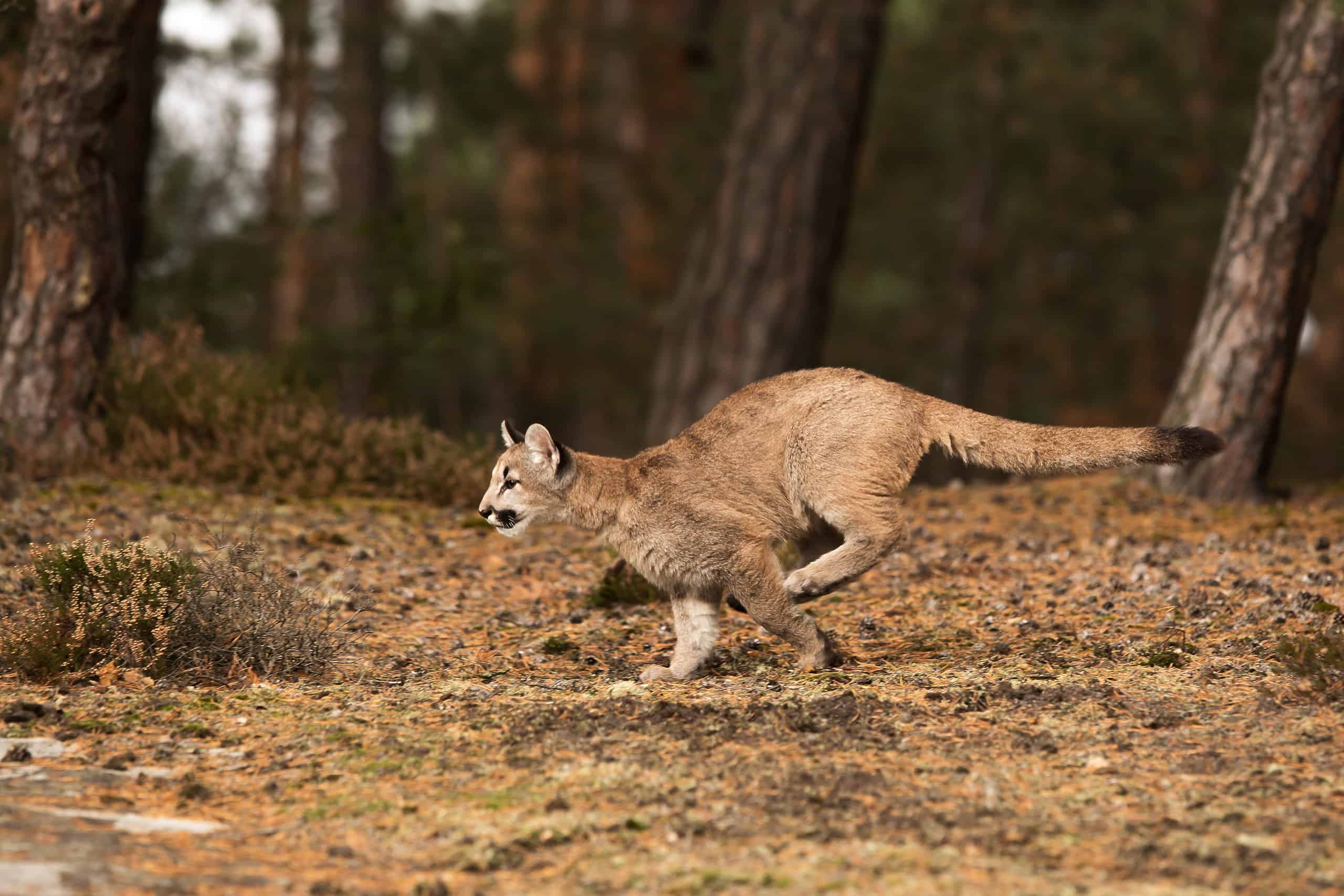
While the image of a majestic mountain lion prowling through the dense forests of Acadia National Park or along the remote northern territories is a romantic one, the official consensus from wildlife authorities paints a different picture. For decades, confirmed sightings and documented evidence of mountain lions in Maine have been exceptionally scarce, leading to the prevailing belief that they are not a naturally occurring resident species in the state.
This doesn’t, however, entirely extinguish the possibility or the public’s fascination. The discussion surrounding mountain lions in Maine is a complex interplay of historical accounts, occasional unconfirmed sightings, and the broader ecological context of cougar populations in North America. To understand this, we need to delve into the history of mountain lions in the eastern United States, the scientific and anecdotal evidence (or lack thereof) in Maine, and the ecological factors that might influence their presence.
A Ghost of the East: The Disappearing Cougar
Historically, mountain lions, specifically the eastern cougar subspecies, were once widespread throughout the eastern regions of North America. Their range extended across much of the eastern seaboard, including the forested landscapes that characterize modern-day Maine. However, driven by habitat loss due to agricultural expansion, hunting pressure, and a decline in their prey species, these magnificent cats were systematically eradicated from much of their eastern range by the late 19th and early 20th centuries.
The eastern cougar was officially declared extinct by the U.S. Fish and Wildlife Service in 2011, a somber conclusion to a long period of absence. This official declaration significantly shapes the conversation about mountain lions in Maine. If the eastern cougar is extinct, then any mountain lion found in Maine would have to be either a relict population of a surviving subspecies, an escaped exotic pet, or an individual that has migrated from a known population.
The Western Connection: Cougars in Other Regions
It is crucial to distinguish between the eastern cougar and its western counterparts. Mountain lion populations are thriving in many western states, such as Montana, Colorado, and California. These western populations have demonstrated a remarkable ability to adapt and even expand their territories, with some individuals venturing into areas where they haven’t been seen for decades.
This western expansion has fueled speculation about whether cougars could, or have, made their way eastward. The vast wilderness of Canada and the interconnectedness of forest ecosystems offer theoretical corridors for migration. However, the sheer distance and the fragmented nature of habitats between known western populations and Maine present significant challenges. There are vast stretches of agricultural land, urban development, and other human-dominated landscapes that would need to be traversed, making a natural migration highly improbable.
The Maine Mystery: Evidence and Anecdotes
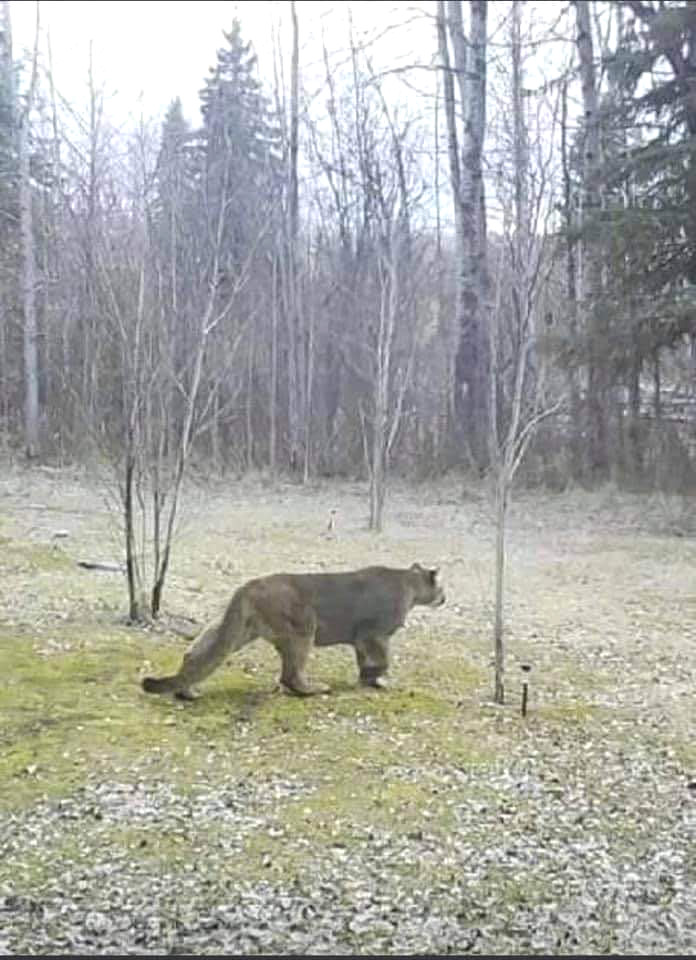
Despite the official stance and the biological improbability of a natural re-colonization, the idea of mountain lions in Maine persists, largely fueled by anecdotal reports. Over the years, there have been scattered accounts of large, wild cats being spotted in the state. These sightings are often described as fleeting glimpses of a long-tailed, tawny-colored feline, consistent with the appearance of a mountain lion.
However, these sightings often lack concrete evidence. Without photographic or video documentation, scat samples, kill sites, or clear tracks that can be definitively attributed to a mountain lion, these reports remain unconfirmed. Wildlife biologists and researchers in Maine employ rigorous scientific methods to survey wildlife populations, and the absence of verifiable evidence makes it difficult to support the claim of an established mountain lion presence.
What About Escaped Animals?
Another plausible explanation for alleged mountain lion sightings in Maine is the possibility of escaped exotic pets. While regulated, there are individuals who keep exotic animals, and unfortunately, escapes can and do happen. A mountain lion released or escaped from captivity could certainly be responsible for some of the sightings. However, such animals are unlikely to survive long-term or establish a breeding population without human intervention. They are also typically easier to track and recapture due to their unnatural presence in the environment.
The Maine Department of Inland Fisheries and Wildlife has investigated numerous reports of mountain lions over the years. Their consistent conclusion, based on available evidence, is that there is no indication of a breeding population of mountain lions in the state. They acknowledge the possibility of transient animals or escaped pets but emphasize the lack of any confirmed evidence of wild, breeding cougars.
The Ecological Landscape of Maine’s Wildlife
When considering the presence of any large predator, it’s essential to examine the ecological suitability of the habitat and the availability of prey. Maine does boast abundant wildlife, including deer, which would be a primary food source for mountain lions. The vast tracts of undeveloped forests, particularly in the northern regions, offer the kind of expansive and remote habitat that mountain lions prefer.
However, the ecological argument for a native or re-established population is countered by the historical extinction of the eastern cougar and the lack of recent, credible evidence. The state’s wildlife management agencies are dedicated to understanding and protecting its fauna, and they actively monitor for species presence. Their findings consistently point to the absence of a mountain lion population.
Beyond Mountain Lions: Maine’s True Predators
While the mystery of the mountain lion persists, Maine is home to a rich array of other impressive predators that contribute to its wild character. These include black bears, coyotes, bobcats, and a variety of birds of prey. These animals are well-documented and play vital roles in the state’s ecosystems.
For instance, the eastern coyote, once rare in Maine, has become a common and adaptable predator. Similarly, bobcats, though more elusive, are present throughout the state, particularly in forested areas. Black bears are perhaps the most iconic large mammal in Maine, with a healthy and visible population.
For travelers and nature enthusiasts visiting Maine, the focus on confirmed wildlife offers incredible opportunities for observation and appreciation. Imagine staying at a cozy cabin near Moosehead Lake and waking up to the sounds of loons, or hiking through the wilderness and spotting a black bear foraging for berries. These are the tangible wildlife experiences that Maine reliably offers.

Experiencing Maine’s Wilderness Safely
Whether you’re planning a trip to explore the natural wonders of Maine or simply curious about its wildlife, it’s important to rely on credible information. While the romantic notion of mountain lions roaming free is captivating, the reality is that documented evidence of their presence in Maine is lacking.
When visiting natural areas like Baxter State Park or the Allagash Wilderness Waterway, always follow the guidelines provided by park rangers and wildlife officials. Be aware of your surroundings, store food properly to avoid attracting wildlife, and never approach or feed wild animals. Respecting wildlife and maintaining a safe distance ensures both your safety and the well-being of the animals.
In conclusion, while the legend of mountain lions in Maine endures, the scientific and anecdotal evidence does not support their presence as a native or established wild population. The focus remains on the confirmed and abundant wildlife that truly defines the wild heart of this beautiful state. For those seeking an authentic encounter with nature, Maine offers an unparalleled experience, rich with the possibilities of observing its more common and documented wild inhabitants.
LifeOutOfTheBox is a participant in the Amazon Services LLC Associates Program, an affiliate advertising program designed to provide a means for sites to earn advertising fees by advertising and linking to Amazon.com. Amazon, the Amazon logo, AmazonSupply, and the AmazonSupply logo are trademarks of Amazon.com, Inc. or its affiliates. As an Amazon Associate we earn affiliate commissions from qualifying purchases.