
When considering the vast landscape of higher education in the United States, Alabama stands out as a state with a significant and growing student population. The question “How Many Students At Alabama?” is more than just a statistical inquiry; it reflects the vibrant academic ecosystem, the economic impact of educational institutions, and the rich tapestry of student life that Alabama offers. From bustling university towns to world-class research facilities, students from all walks of life choose Alabama for their academic pursuits, contributing to its dynamic culture and driving innovation. This article delves into the numbers, exploring the student population across various institutions and touching upon the broader implications for travel, tourism, and lifestyle within the state.
Unpacking the Student Demographics of Alabama
To understand the sheer volume of students in Alabama, it’s essential to look at the primary drivers of this population: its universities and colleges. The state boasts a diverse array of higher education institutions, ranging from large public research universities to smaller, specialized private colleges. Each contributes to the overall student count, creating distinct academic and social environments across Alabama.
Public University Powerhouses
The cornerstone of Alabama‘s higher education system is its robust network of public universities. These institutions are often the largest employers in their respective regions and attract a significant portion of the state’s student body.
The University of Alabama
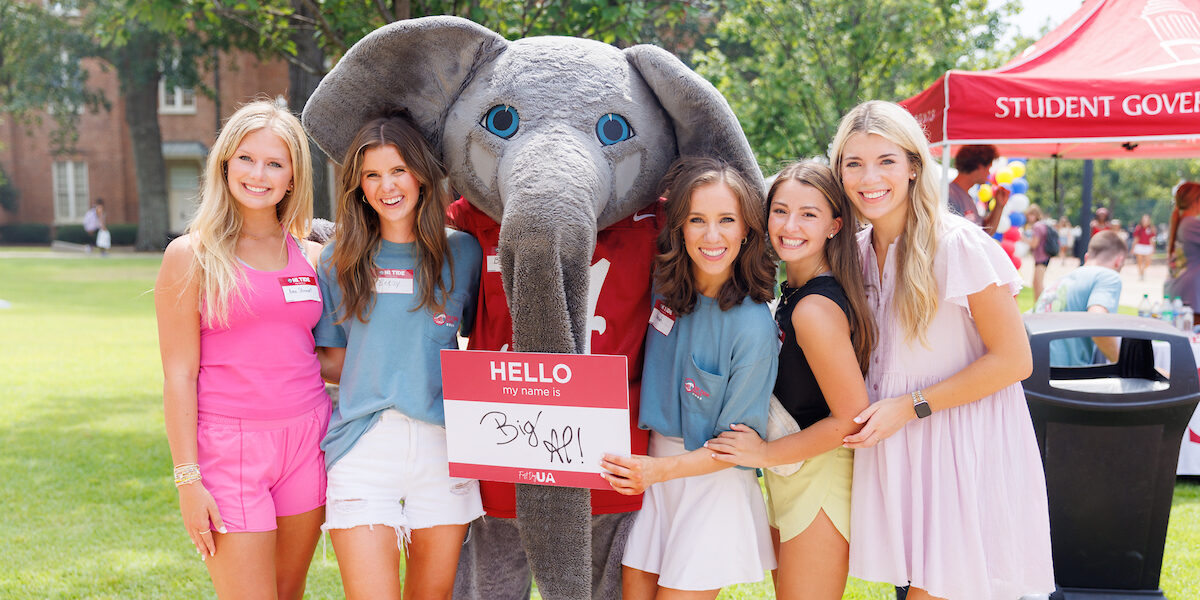
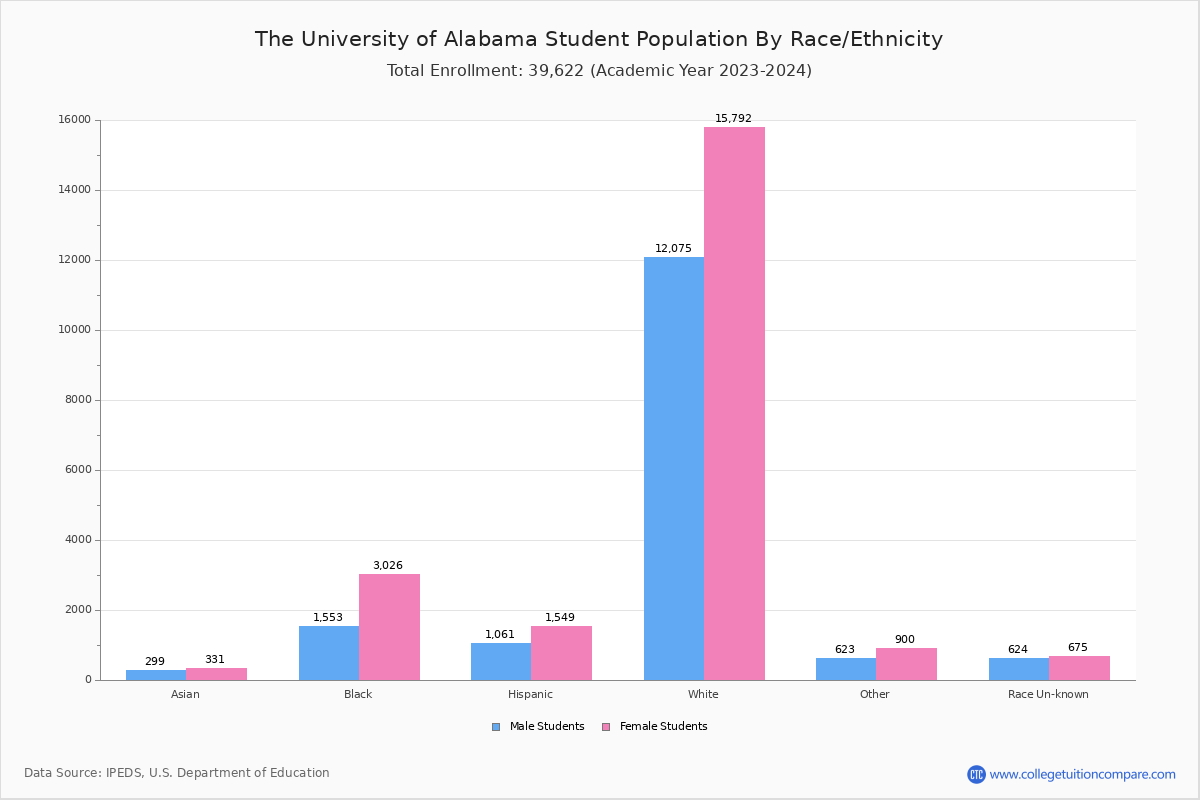
Perhaps the most recognizable name in Alabama higher education is The University of Alabama in Tuscaloosa. Consistently ranking among the nation’s top public universities, it draws tens of thousands of students each year. Its sprawling campus and diverse academic programs, including strong offerings in business, engineering, and law, make it a prime destination for students seeking a comprehensive university experience. The student enrollment at The University of Alabama typically hovers around 30,000 to 35,000 students, encompassing undergraduate, graduate, and professional programs. This sheer number of students transforms Tuscaloosa into a vibrant college town, with a palpable energy that resonates throughout the city. The influx of students fuels local businesses, from quirky cafes and bookstores to lively entertainment venues and sporting arenas.
Auburn University
Another titan of higher education in Alabama is Auburn University, located in Auburn. Known for its strong engineering, agriculture, and veterinary medicine programs, Auburn University also attracts a substantial student population, often in the range of 25,000 to 30,000 students. The spirited rivalry between The University of Alabama and Auburn University is a defining feature of Alabama‘s cultural landscape, particularly evident in their passionate college football games. The presence of these two major universities significantly shapes the economic and social fabric of their respective host cities, creating a consistent demand for accommodation, dining, and entertainment, which in turn benefits the tourism sector.
Other Significant Public Institutions
Beyond these two flagship universities, Alabama is home to several other substantial public institutions that contribute significantly to the student count. The University of Alabama at Birmingham (UAB) in Birmingham is a major urban research university with a strong medical center, attracting a considerable number of students, particularly in health sciences. The University of Alabama in Huntsville (UAH) plays a vital role in the state’s technological and aerospace sectors, drawing students interested in STEM fields. Other institutions like Jacksonville State University, Troy University, and The University of North Alabama also enroll thousands of students each, collectively adding tens of thousands more to Alabama‘s total student population.
The Role of Private Colleges and Universities
While public institutions enroll the majority of students, private colleges and universities in Alabama add another layer to the state’s educational offerings. These institutions often provide more specialized programs or a different educational philosophy, attracting students who seek out these specific environments.
Smaller, Specialized Institutions
Examples of private institutions include Samford University in Birmingham, a historically significant university with a strong liberal arts tradition and professional programs, and Spring Hill College in Mobile, a Jesuit institution known for its beautiful campus and commitment to holistic education. While their individual enrollments are smaller compared to the flagship public universities, collectively they represent a significant number of students and contribute to the diversity of academic experiences available in Alabama. These smaller institutions often foster a more intimate learning environment and can be appealing to students seeking a close-knit community.
Community Colleges and Technical Schools
Beyond four-year degree programs, Alabama‘s extensive network of community colleges and technical schools plays a crucial role in workforce development and providing accessible educational opportunities. Institutions like Jefferson State Community College, Gadsden State Community College, and the Alabama Community College System as a whole, enroll thousands of students seeking associate degrees, certificates, or vocational training. These institutions are vital for preparing students for immediate entry into the workforce or for transferring to four-year universities, further expanding the overall student population within the state.

Estimating the Total Student Population
While exact, real-time figures fluctuate, a conservative estimate for the total number of students enrolled in post-secondary education in Alabama would place it well over 150,000, and likely closer to 200,000 when factoring in all institutions, including community colleges and technical schools. This substantial number has profound implications for every facet of life in Alabama, from the economy and infrastructure to the vibrant cultural scene and the demand for travel and accommodation.
The Impact of Students on Alabama’s Economy and Tourism
The presence of such a large student population in Alabama significantly influences the state’s economy and its burgeoning tourism industry. Students are not just learners; they are consumers, often requiring accommodation, dining, and entertainment, and their families and friends frequently visit, contributing to travel and tourism.
Economic Drivers and Local Businesses
University towns like Tuscaloosa, Auburn, and Birmingham experience a constant economic stimulus directly attributable to their student bodies. This includes spending on textbooks, technology, food, housing, and entertainment. Local businesses thrive on this consistent demand. Restaurants, cafes, and bars near campuses often see peak business during academic years. Retail stores catering to student needs, from clothing to dorm room essentials, also benefit. Furthermore, universities are major employers, creating jobs for faculty and staff, which further boosts the local economy. The constant flow of students also means a continuous demand for rentals and apartments, impacting the long-term stay accommodation market.
Student Travel and Family Visits
When students enroll in an Alabama university, they often come from out of state or different regions within Alabama. This initial move, along with subsequent visits from family and friends, creates a significant travel demand. Parents visiting their children for events like homecoming, graduation, or parent’s weekend require hotel rooms, often booking suites or resort-style accommodations for a more comfortable stay. These family visits contribute directly to the hospitality sector. Major sporting events, especially football games involving The University of Alabama and Auburn University, draw thousands of visitors to cities like Tuscaloosa and Auburn, filling hotels and boosting local economies. This creates opportunities for travel agencies and local tour operators to offer packages and experiences.
The Role of Accommodation and Lifestyle Choices
The influx of students and their visitors necessitates a robust accommodation sector. From student housing complexes and apartment rentals to hotels and short-term vacation rentals, the demand is diverse. For families visiting students, seeking comfortable and well-located accommodation is paramount. Options can range from budget-friendly motels to more luxurious resorts and villas, depending on the family’s preferences and budget. This diverse demand caters to various lifestyle choices, from students seeking affordable dormitories to families looking for upscale suites during their visits. The presence of universities also influences lifestyle trends within the state, with many cities developing vibrant cultural scenes, diverse culinary offerings, and a range of recreational activities to cater to the student population and their visitors.
Exploring Alabama: A Destination Shaped by Academia
The academic landscape of Alabama is intrinsically linked to its appeal as a travel and tourism destination. The universities themselves are often landmarks, drawing visitors for their historical significance, architectural beauty, and the vibrant atmosphere they create.
Campus as a Landmark
Many university campuses in Alabama are destinations in their own right. The University of Alabama’s iconic Quad, with its historic buildings and lush greenery, is a popular spot for leisurely strolls and photography. Similarly, Auburn University boasts beautiful architecture and the renowned Samford Hall, a cherished landmark. The presence of these campuses adds to the historical and architectural appeal of cities like Tuscaloosa and Auburn, encouraging visitors to explore beyond the immediate university grounds. Visitors might discover local attractions, historical sites, and enjoy the unique culture that student life cultivates.
Cultural Hubs and Local Experiences
Universities are often at the forefront of cultural development, hosting art galleries, museums, theaters, and musical performances that are accessible to both students and the wider public. This infusion of arts and culture enriches the tourism experience in Alabama. Visitors can attend lectures, art exhibitions, or theatrical productions, gaining a deeper understanding of the local culture and intellectual climate. The culinary scene in university towns is also often vibrant and diverse, reflecting the tastes of a young and international student population. From casual eateries to more upscale dining, there are ample opportunities to explore Alabama‘s food landscape.
Beyond the Campus: Attractions and Activities
While universities draw a significant portion of visitors, Alabama offers a wealth of other attractions that complement the academic experience. Visitors might combine a campus visit with a trip to the USS Alabama Battleship Memorial Park in Mobile, explore the natural beauty of the Little River Canyon National Preserve, or delve into the history of the Civil Rights Movement at the Birmingham Civil Rights Institute in Birmingham. For those seeking relaxation, the beaches along the Gulf Coast offer a perfect escape. The variety of experiences available in Alabama ensures that there is something for every type of traveler, whether they are visiting for academic reasons or simply seeking a memorable vacation. The interconnectedness of the student population with the state’s tourism and lifestyle offerings makes Alabama a dynamic and engaging place to visit, live, and study. The consistent presence of students ensures a lively atmosphere and a continuous influx of new ideas and energy, making Alabama a state that is constantly evolving and offering fresh experiences to its residents and visitors alike.
LifeOutOfTheBox is a participant in the Amazon Services LLC Associates Program, an affiliate advertising program designed to provide a means for sites to earn advertising fees by advertising and linking to Amazon.com. Amazon, the Amazon logo, AmazonSupply, and the AmazonSupply logo are trademarks of Amazon.com, Inc. or its affiliates. As an Amazon Associate we earn affiliate commissions from qualifying purchases.