
Miami, a dazzling jewel on Florida’s southeastern coast, is much more than just a sun-kissed paradise. It’s a vibrant metropolis, a cultural melting pot, and a global hub for business, arts, and tourism. While the question “How many people in Miami?” might seem straightforward, the answer is nuanced, reflecting the dynamic nature of this ever-growing city. Understanding Miami’s population isn’t just about counting heads; it’s about appreciating the diverse communities, the constant influx of visitors, and the economic engines that drive its unique energy.
Demographics and Population Dynamics of Miami
When we talk about “Miami,” it’s essential to clarify what we mean. Are we referring to the city of Miami itself, one of the most populous cities in Florida, or the broader Miami metropolitan area, which encompasses a vast expanse of South Florida? Both figures offer distinct insights into the scale and reach of this influential region.

The City of Miami: A Dense Urban Core
The City of Miami itself is a densely populated urban center. According to recent estimates, the population of the city hovers around 450,000 to 460,000 residents. This figure represents the official municipal boundaries, encompassing neighborhoods like Brickell, Little Havana, Wynwood, and South Beach. These areas, each with its unique character and charm, contribute to the city’s reputation as a diverse and energetic locale. The density of the city means that public spaces, transportation, and infrastructure are constantly under pressure, fostering a lively urban environment. The close proximity of residents also fuels a rich tapestry of cultural experiences, from the pulsating rhythms of Latin music to the cutting-edge art scenes.
Miami-Dade County: A Sprawling Metropolis
However, to truly grasp the scale of “Miami” in popular consciousness, we must look at Miami-Dade County. This is where the numbers truly expand. Miami-Dade County is the most populous county in Florida, with a population exceeding 2.7 million residents. This vast county includes not only the City of Miami but also numerous other municipalities, such as Hialeah, Miami Gardens, Coral Gables, and Doral. The county’s extensive geography stretches from the Atlantic coast inland, encompassing diverse landscapes from urban sprawls to the edges of the Everglades National Park. The daily commute for many residents involves navigating this expansive territory, highlighting the importance of efficient transportation networks. The sheer number of people in Miami-Dade County underscores its significance as a major economic and cultural force in the United States.
The Miami Metropolitan Area: A Regional Powerhouse
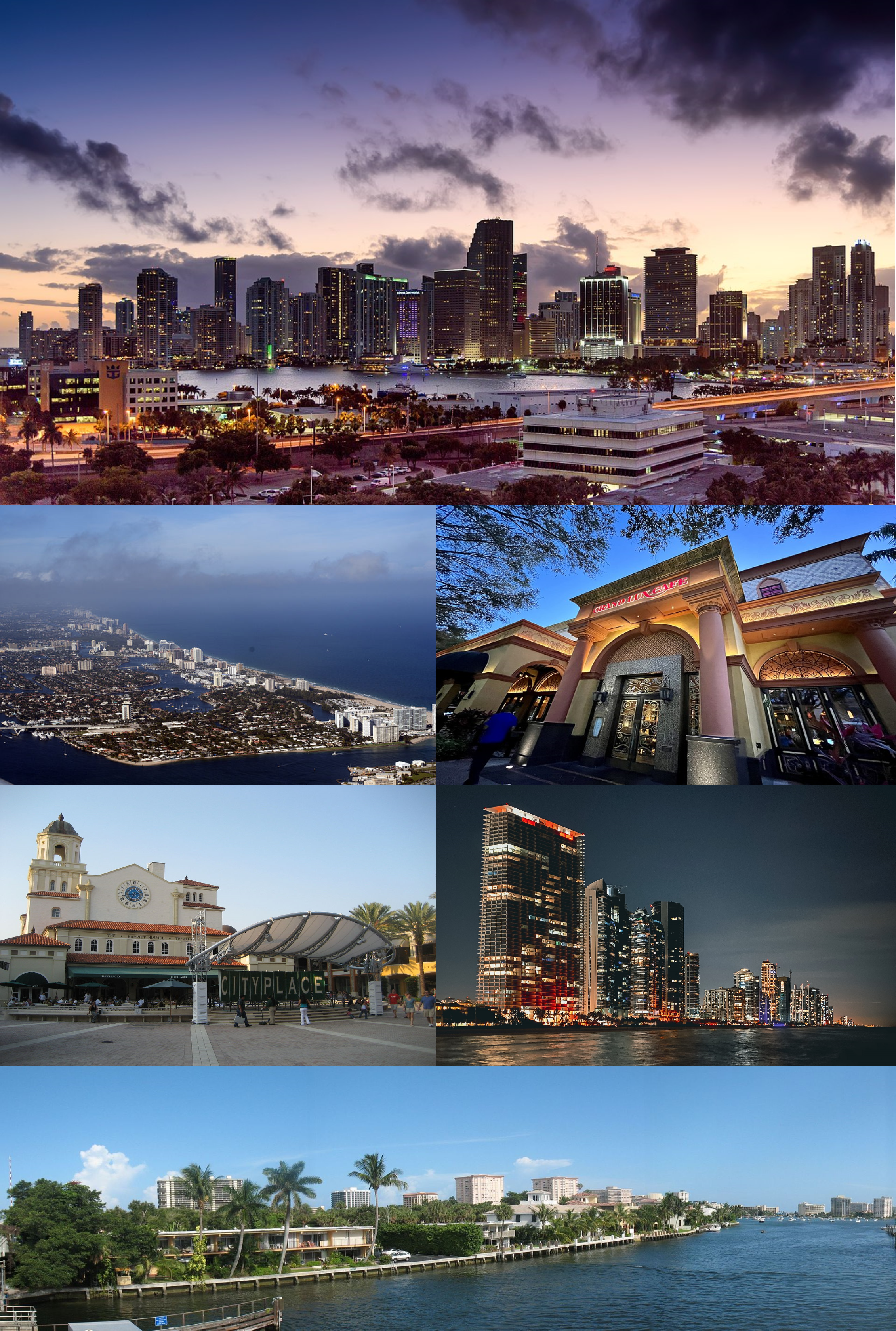
Taking an even broader view, the Miami metropolitan area, often referred to as South Florida, extends beyond Miami-Dade County to include neighboring Broward and Palm Beach counties. This vast region is home to over 6 million residents. This definition is often used when discussing economic trends, major infrastructure projects, and regional planning. The interconnectedness of these counties means that economic opportunities, cultural influences, and even environmental concerns often span across these administrative borders. Major cities within this metropolitan area, beyond those in Miami-Dade County, include Fort Lauderdale in Broward County and West Palm Beach in Palm Beach County. The Miami metropolitan area is a significant economic engine for the state of Florida and a major gateway for international trade and travel.
Factors Influencing Miami’s Population
Miami’s population is not static; it’s a dynamic entity influenced by a confluence of economic, social, and environmental factors. Understanding these drivers provides a deeper appreciation for the city’s growth and its unique identity.
Economic Opportunities and Migration
Miami’s robust economy plays a pivotal role in attracting new residents. The city has emerged as a significant center for finance, international trade, healthcare, and the arts. The presence of major corporations, thriving small businesses, and a booming tourism sector creates a consistent demand for labor. This economic magnetism draws people from across the United States and from around the world, particularly from Latin America and the Caribbean. The allure of job opportunities, coupled with the promise of a vibrant lifestyle, fuels a continuous stream of migration.
Lifestyle and Cultural Appeal
Beyond economics, Miami’s unparalleled lifestyle and cultural appeal are significant draws. The city boasts a world-renowned beach culture, a vibrant nightlife, and a diverse culinary scene that reflects its multicultural population. The warm climate, with its abundant sunshine and tropical breezes, is a constant attraction for those seeking to escape colder regions. Furthermore, Miami’s rich cultural heritage, a fusion of Caribbean, Latin American, and American influences, offers a unique and engaging living experience. Neighborhoods like Little Havana offer a taste of Cuban traditions, while Wynwood buzzes with its street art and creative energy. This multifaceted appeal makes Miami a desirable place to live, work, and play.
Tourism and Seasonal Fluctuations
It’s impossible to discuss Miami’s population without acknowledging the immense impact of tourism. The city attracts millions of visitors each year, drawn by its beaches, entertainment, and events. During peak tourist seasons, such as the winter months and spring break, the population effectively swells with temporary residents. This influx significantly impacts local businesses, transportation, and public services. While these tourists are not permanent residents, their presence is a crucial component of the Miami experience and economy. Hotels in areas like South Beach and Downtown Miami are consistently booked, and attractions like Bayside Marketplace and Vizcaya Museum & Gardens see significant foot traffic.
Understanding the Numbers: Beyond the Census
While official census data provides a baseline understanding of population figures, the true picture of who lives in and experiences Miami is more complex. This involves considering various facets of residency and presence within the metropolitan area.
Permanent Residents and Long-Term Stays
The core of Miami’s population comprises its permanent residents. These are the individuals who live, work, and contribute to the city and county year-round. This demographic includes families, professionals, retirees, and students, all contributing to the social fabric and economic vitality of the region. The availability of diverse housing options, from luxury condos in Brickell to single-family homes in Coral Gables, caters to a wide range of permanent residents. The growth in long-term stays, facilitated by platforms offering apartments and villas, also contributes to a more stable, yet adaptable, resident population.
Seasonal Residents and Snowbirds
Miami is famously a haven for “snowbirds”—individuals who migrate from colder climates during the winter months to enjoy the warmth and sunshine. While they may not be permanent residents, these seasonal visitors contribute significantly to the local economy, patronizing restaurants, shops, and attractions. Their presence swells the population during specific times of the year, creating a distinct seasonal rhythm to life in South Florida. Many own or rent properties for extended periods, becoming a familiar part of the community during their stay.
Business Travelers and Short-Term Visitors
Beyond leisure tourists and seasonal residents, Miami is a major destination for business travelers. The city’s status as an international business hub, coupled with its extensive convention centers and the Miami International Airport, attracts a constant stream of professionals. These individuals contribute to the demand for hotels and business-oriented services. While their stays are typically shorter, their economic impact is substantial, supporting industries that cater to corporate needs.

The Ever-Evolving Face of Miami
In conclusion, the question of “How many people in Miami?” doesn’t yield a single, simple number. It’s a dynamic interplay between the permanent residents of the city and county, the millions who make up the broader metropolitan area, the seasonal visitors who seek its warmth, and the business travelers who drive its commerce. Miami is a city that thrives on this constant ebb and flow, a place where diverse populations converge, creating a unique and ever-evolving urban landscape. Whether you’re considering a permanent move, a vacation, or a business trip, understanding these demographic layers provides a richer appreciation for the vibrant, multifaceted reality of this iconic Floridian destination. From the bustling streets of Downtown Miami to the serene beauty of Miami Beach, the human element is the driving force behind its enduring appeal.
LifeOutOfTheBox is a participant in the Amazon Services LLC Associates Program, an affiliate advertising program designed to provide a means for sites to earn advertising fees by advertising and linking to Amazon.com. Amazon, the Amazon logo, AmazonSupply, and the AmazonSupply logo are trademarks of Amazon.com, Inc. or its affiliates. As an Amazon Associate we earn affiliate commissions from qualifying purchases.