
For anyone considering a move to the vibrant, sprawling landscapes of Texas, or even a long-term stay to fully immerse themselves in its unique culture and boundless attractions, securing a state-issued identification card is a crucial step. While often perceived as a mere formality, a Texas ID serves as your official gateway to a smoother, more integrated experience within the Lone Star State. From simplifying daily transactions to proving your identity for travel and enjoying local amenities, this non-driver identification card is an indispensable tool for both new residents and extended visitors.
As a platform dedicated to exploring travel, accommodation, and the diverse lifestyles these journeys entail, we understand the importance of seamless transitions and hassle-free experiences. Obtaining your Texas ID is more than just navigating bureaucratic steps; it’s about unlocking the full potential of your time in this remarkable state, ensuring you’re prepared for everything from checking into a stylish Austin boutique hotel to enjoying the vibrant nightlife in Dallas or exploring the historic sites of San Antonio. This comprehensive guide will walk you through everything you need to know, ensuring your journey to getting a Texas ID is as straightforward as possible.
Understanding the Texas ID: More Than Just a Card
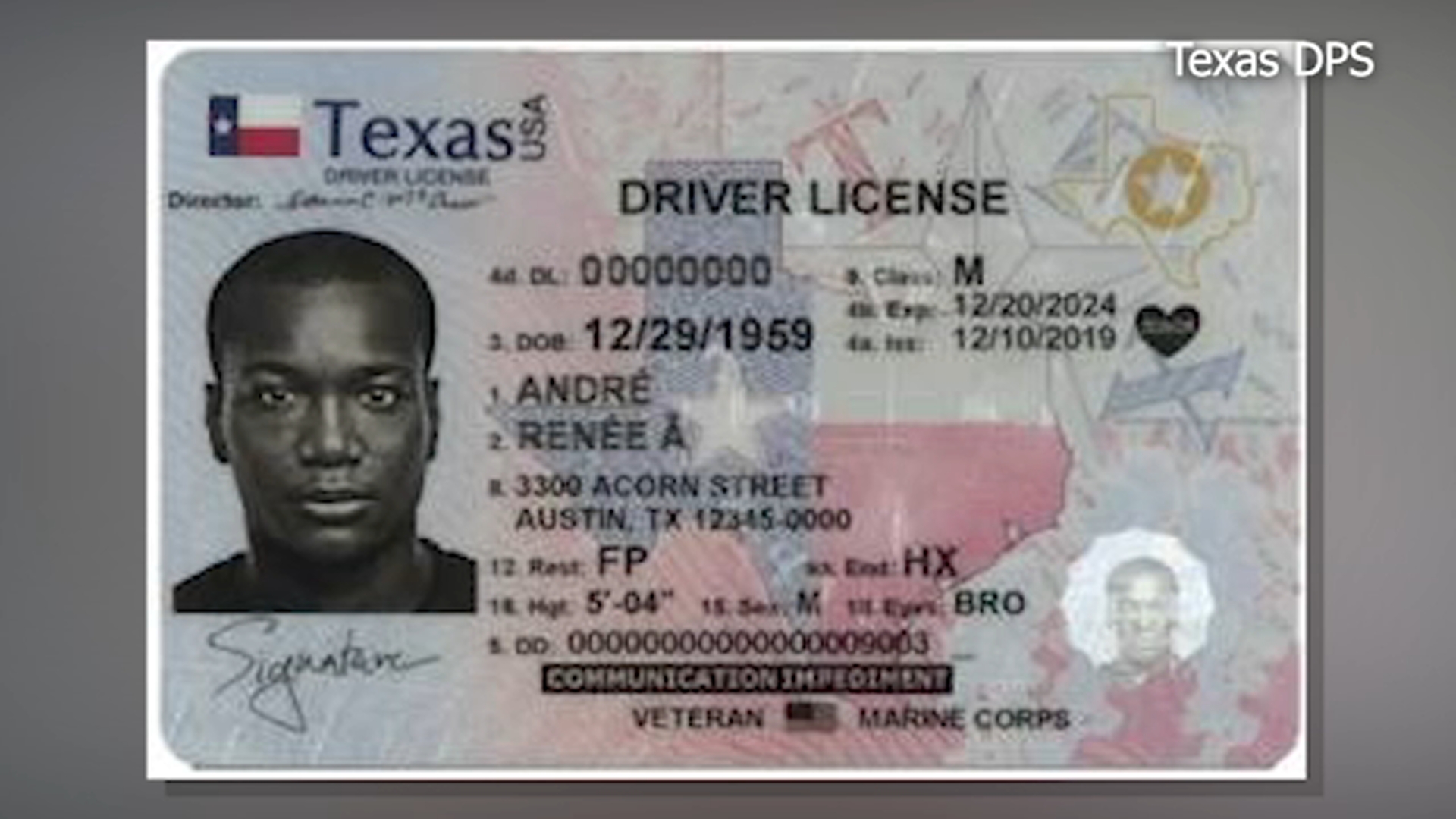
A Texas ID, officially known as a Texas Identification Card, is a primary form of identification issued by the Department of Public Safety (DPS). Unlike a driver’s license, it does not grant you permission to operate a motor vehicle, but it serves the same purpose as proof of identity and age. For many, especially those who do not drive or are new to the state and haven’t yet obtained a Texas Driver License, this card is essential.
Why is it so vital for travelers and new residents? In the context of travel and lifestyle, having a valid state-issued ID simplifies numerous aspects of daily life. It can be used for domestic air travel (especially with the upcoming Real ID compliance), age verification for various services and entertainment venues, banking transactions, and accessing local government or private services. For those seeking accommodation, while most hotels accept other forms of ID, a local ID can sometimes streamline check-in processes or facilitate long-term rental agreements. It solidifies your presence in the community, moving you from a visitor to an integrated part of the Texas fabric.
Navigating the Application Process: Your Step-by-Step Guide
The process of obtaining a Texas ID Card is relatively straightforward, but it requires careful preparation to ensure a smooth visit to the Department of Public Safety (DPS) office. Understanding each step beforehand can save you significant time and potential frustration.
Preparing for Your Visit to the DPS Office
Before you even leave your hotel or temporary accommodation, thorough preparation is key. The Department of Public Safety (DPS) website is an invaluable resource, providing detailed lists of acceptable documents and allowing you to schedule an appointment in advance at many locations. Scheduling an appointment is highly recommended to minimize wait times, especially in bustling metropolitan areas like Houston or Austin. Gather all your required documents (which we’ll detail below) and ensure they are original or certified copies, as photocopies are generally not accepted. It’s also wise to check the operating hours of your chosen DPS office and confirm any specific requirements they might have.
The Application Form (DL-14A)
Your journey begins with completing the application for a Texas ID, officially known as Form DL-14A. This form can usually be found online on the Department of Public Safety website, allowing you to fill it out and print it before your visit. Alternatively, forms are available at any DPS office. The application requires basic personal information such as your full name, date of birth, address, and Social Security Number. It’s crucial to fill this out accurately to avoid any delays in the application process.
The Vision Test
While you’re not applying for a driver’s license, all applicants for a Texas ID Card must pass a simple vision test. This is a quick assessment conducted right at the DPS office to ensure you meet the basic visual acuity standards. If you wear glasses or contact lenses, be sure to bring them, as you will be tested with them on. This step is a standard security and safety measure for all state-issued identification.
Fingerprinting and Photo
As part of the application process, your fingerprints will be taken electronically. This is a routine security measure to verify your identity. Immediately following the fingerprinting, a photo will be taken for your new Texas ID Card. It’s a good idea to consider your appearance on the day of your appointment, as this photo will represent you for the next few years on your official identification. These biometric steps are integral to the secure issuance of state IDs and driver licenses across the nation.
The Cornerstone of Your Application: Essential Documents
The most critical aspect of successfully obtaining your Texas ID Card lies in presenting the correct, verifiable documentation. The Department of Public Safety requires multiple forms of proof to confirm your identity, residency, and legal presence in the United States. Gathering these documents meticulously before your appointment will ensure a smooth process.
Proof of U.S. Citizenship or Lawful Presence
This category is fundamental and requires an original or certified document. For U.S. Citizens, common acceptable documents include:
- Original or Certified Birth Certificate: Issued by a state or territory of the U.S. or a U.S. district.
- U.S. Passport or Passport Card: A valid, unexpired U.S. Passport is an excellent primary document.
- Certificate of Citizenship or Certificate of Naturalization: For individuals who have acquired U.S. citizenship through these processes.
For non-U.S. Citizens demonstrating lawful presence, acceptable documents typically include:
- Permanent Resident Card (Form I-551): Commonly known as a “Green Card.”
- Employment Authorization Document (Form I-766): An EAD card.
- Valid Foreign Passport with a valid U.S. Visa and I-94: This is crucial for many international visitors or those on work/student visas.
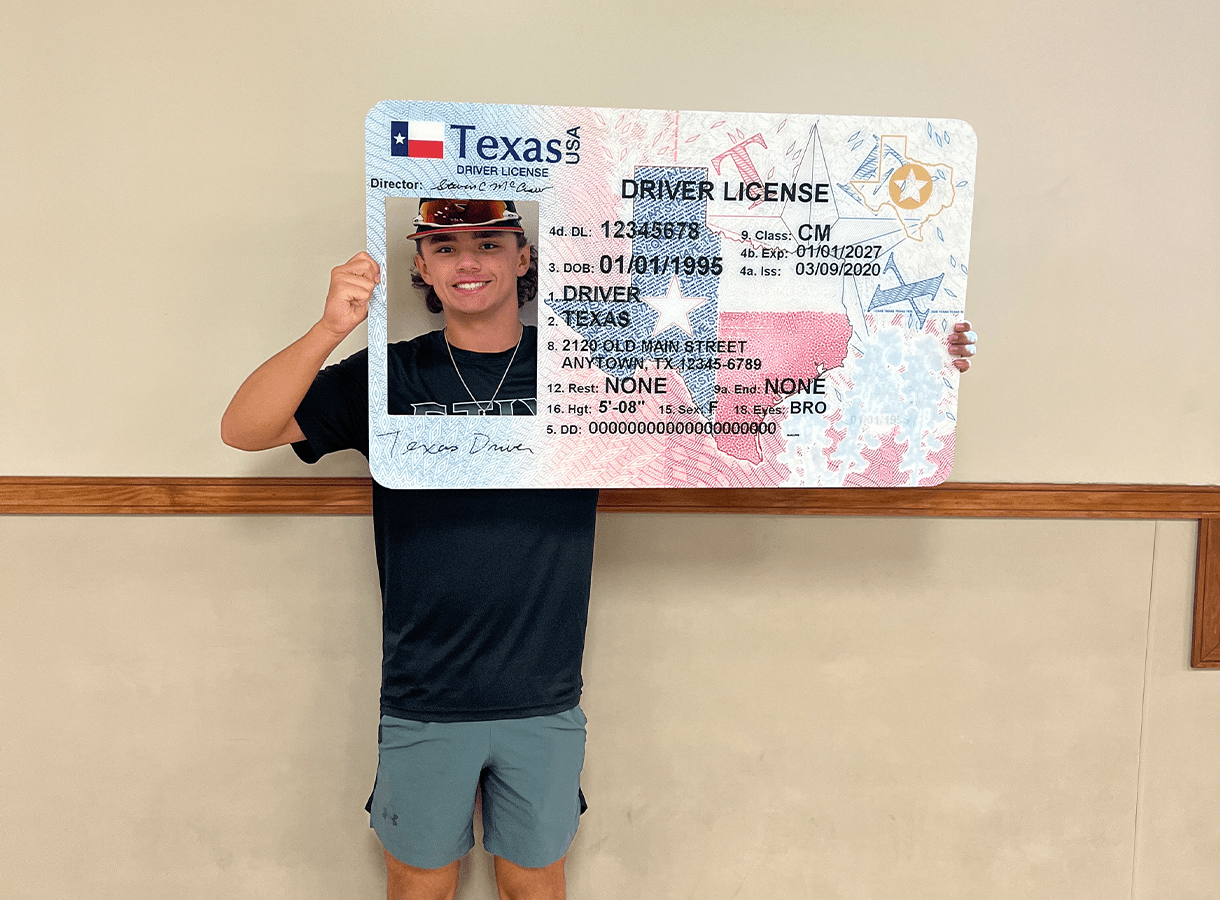
It’s imperative that these documents are current and accurately reflect your legal status. The Department of Public Safety is very strict about the authenticity and validity of these proofs.
Proof of Identity
Beyond your citizenship or lawful presence, you must provide secondary proof of your identity. The Department of Public Safety categorizes documents into primary and secondary. Ideally, you’ll present a primary identity document.
Primary Documents (one required):
- Texas Driver License or ID Card: If you are renewing or replacing an existing one.
- U.S. Passport or Passport Card: Again, a very strong primary document.
- Military ID (active duty, retired, or dependent): For service members and their families.
- Foreign Passport with a valid U.S. Visa and I-94: Often used in conjunction with lawful presence proof.
Secondary Documents (two required if no primary): These could include a Social Security Card, a certified copy of your Birth Certificate, a U.S. Citizen Identification Card, or a Department of Public Safety temporary ID.
Proof of Social Security Number
Every applicant must provide proof of their Social Security Number (SSN). Acceptable documents include:
- Social Security Card: The physical card is the most common form of proof.
- W-2 form or 1099 form: Tax forms displaying your full name and SSN.
- Paystub with your SSN: A recent paystub from an employer.
It’s important that the name on these documents matches your current legal name to avoid any discrepancies. If you do not have an SSN, you may need to provide a sworn affidavit confirming this, though this is less common for most applicants.
Proof of Texas Residency
This is particularly relevant for those new to Texas, including long-term travelers or individuals settling into new accommodation. You must provide two documents showing proof of your current physical street address in Texas. These documents must have your name and the Texas residential address.
Common examples include:
- Current utility bill: (e.g., electricity, water, gas, cable, landline phone bill) from the last 90 days.
- Current rental lease agreement or mortgage statement: Showing your address as the property owner or renter.
- Homeowner’s or renter’s insurance policy: Valid for the current year.
- Mail from a government agency: Such as a tax statement or vehicle registration.
- Current vehicle registration or title.
For individuals in transitional accommodation, proving residency can sometimes be tricky. While a short-term hotel stay will generally not suffice, a long-term rental agreement for an apartment or house, even if recent, should be acceptable. If you are staying with family or friends, they may need to provide an affidavit of residency along with two proofs of residency in their name, and a document linking you to that address (e.g., mail addressed to you at that location). It is always best to call your local DPS office if you have unique residency circumstances.
After Your Application: The Wait and What’s Next
Once you’ve successfully completed your application, provided all necessary documents, passed the vision test, and had your photo and fingerprints taken, the Department of Public Safety will issue you a temporary paper ID. This temporary document is valid for a short period and serves as proof that you have applied for your official Texas ID Card. While it can be used for most purposes requiring identification, some establishments may prefer the permanent card.
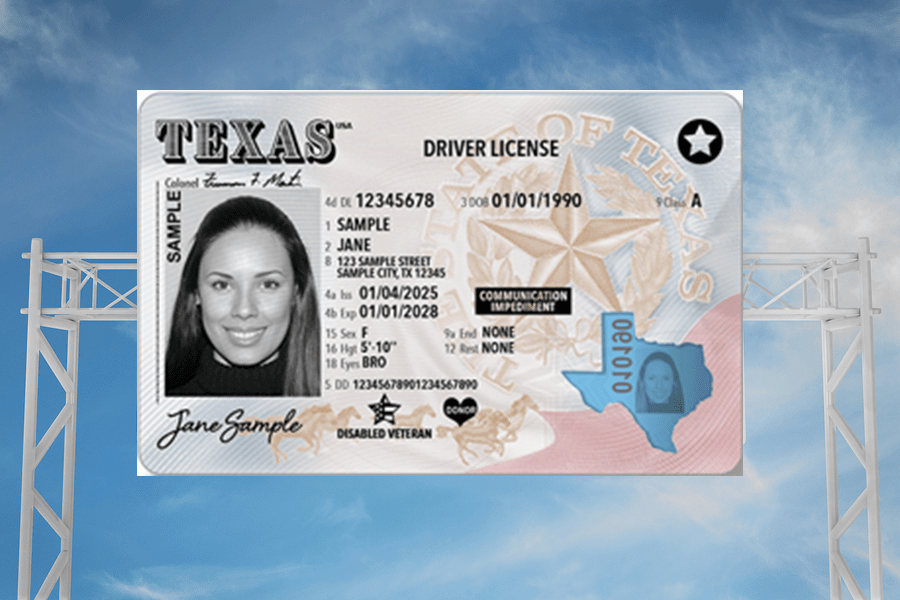
Your permanent Texas ID Card will typically be mailed to your provided Texas residential address within 2-3 weeks. It’s a moment of anticipation, as receiving it officially marks your integration into the state’s administrative system. Upon receipt, verify that all the information printed on the card is accurate. The new Texas ID Card is Real ID compliant, meaning it will be accepted for domestic air travel and access to federal facilities in the future, providing an added layer of convenience for your travel plans within the U.S..
Embracing the Lone Star Lifestyle with Your New ID
With your official Texas ID Card in hand, you’re not just carrying a piece of plastic; you’re holding a key to unlock the full spectrum of experiences the Lone Star State has to offer. This identification streamlines countless aspects of daily life and travel, enhancing your lifestyle whether you’re a long-term resident or on an extended adventure.
Seamless Travel and Accommodation: Beyond simplifying domestic air travel, your Texas ID Card will make checking into hotels, resorts, or any other accommodation across Texas a breeze. It’s universally recognized, reducing the need to carry other forms of identification and ensuring a smooth welcome wherever you choose to stay, from the luxurious Grand Hyatt Hotel in San Antonio to quaint bed and breakfasts in the Hill Country.
Engaging in Local Tourism and Culture: Your ID is essential for fully participating in Texas’ vibrant tourism scene. Whether you’re visiting the historic Alamo landmark, exploring the diverse museums in Houston, or enjoying the live music capital of the world in Austin, age verification for certain attractions, tours, or events often requires a valid state ID. From sampling local craft beers and wines in various distilleries and vineyards to experiencing the lively nightlife in Dallas, your ID ensures you meet age requirements effortlessly.
Day-to-Day Convenience and Lifestyle: Beyond leisure, a Texas ID Card is fundamental for daily living. Opening a bank account, signing up for local services (like internet or utilities, if you transition from temporary to permanent accommodation), and even picking up packages at a post office all become simpler. It offers a recognized proof of identity that integrates you into the local infrastructure, affirming your presence and easing transactions. For new residents, it’s a vital step in establishing roots and enjoying the practical aspects of Texas living.
In conclusion, while the process of obtaining a Texas ID Card involves gathering documents and a visit to the Department of Public Safety, the benefits far outweigh the effort. It’s an investment in your personal convenience, security, and your ability to fully explore and experience the rich tapestry that is Texas. So, prepare your documents, schedule your appointment, and get ready to embrace all the wonders the Lone Star State has in store for you with confidence.
LifeOutOfTheBox is a participant in the Amazon Services LLC Associates Program, an affiliate advertising program designed to provide a means for sites to earn advertising fees by advertising and linking to Amazon.com. Amazon, the Amazon logo, AmazonSupply, and the AmazonSupply logo are trademarks of Amazon.com, Inc. or its affiliates. As an Amazon Associate we earn affiliate commissions from qualifying purchases.