
Understanding the population of a state like South Dakota is fundamental for anyone planning a visit, considering a relocation, or simply seeking to grasp the state’s character. This vital statistic shapes everything from the development of infrastructure and the availability of services to the very atmosphere of its towns and cities. While often presented as a single number, the population of South Dakota is a dynamic entity, influenced by seasonal shifts, economic opportunities, and the enduring allure of its landscapes and lifestyle. For the discerning traveler or potential resident, delving into the specifics of this demographic data provides invaluable context for experiencing and engaging with the state.

Demographic Snapshot and Population Trends
The most recent census data and ongoing estimates reveal a state with a relatively modest population compared to its vast geographical area. South Dakota is characterized by a lower population density, meaning vast expanses of natural beauty and open land are readily accessible. This characteristic is a significant draw for those seeking an escape from urban congestion and a connection with the natural world.
Key Population Figures
As of the latest available estimates, the population of South Dakota hovers around the 900,000 mark. While this number might seem small, it represents a growing community with a distinct identity. The state has experienced steady, albeit slow, population growth over the past several decades, indicating a persistent appeal to its residents.
Urban vs. Rural Distribution
A defining feature of South Dakota’s population distribution is the significant rural component. While there are several urban centers, the majority of the state’s landmass is sparsely populated. This rural character is integral to the state’s identity, fostering a strong sense of community in its smaller towns and promoting an appreciation for the wide-open spaces that define its geography.
- Urban Centers: Cities like Sioux Falls, the largest metropolitan area, and Rapid City, serve as economic and cultural hubs. These areas attract a higher concentration of residents and visitors, offering a wider array of amenities and services.
- Rural Communities: Beyond these urban cores, numerous smaller towns and villages dot the landscape, each with its unique charm and history. These communities are often the heart of the state’s agricultural heritage and offer a glimpse into a more traditional way of life.
Seasonal Population Fluctuations
For travelers and those involved in the tourism industry, understanding seasonal population shifts is crucial. South Dakota experiences a notable influx of visitors during its peak tourist seasons, particularly in the summer months. This surge in temporary residents can significantly impact local economies, services, and the overall atmosphere of popular destinations.
- Summer Boom: The warmer months see a dramatic increase in the number of people visiting national parks, historical sites, and recreational areas. This is when businesses catering to tourists, from hotels to adventure outfitters, experience their busiest periods.
- Winter Dormancy: Conversely, the colder months tend to see a decrease in tourist numbers, with the exception of specific winter sports destinations or holiday events. This quieter period offers a different, more serene experience of the state.
Popular Destinations and Their Inhabitants
The distribution of South Dakota’s population is intrinsically linked to its most famous attractions and economic centers. Understanding where people live and congregate provides a roadmap for exploring the state’s diverse regions.
The Black Hills Region
The Black Hills are a major draw for both permanent residents and tourists. This iconic area is home to world-renowned landmarks and a growing population that caters to the tourism sector.
- Rapid City: As the second-largest city, Rapid City serves as a gateway to the Black Hills and boasts a substantial population that supports its robust tourism and service industries. Its proximity to attractions like Mount Rushmore National Memorial and Badlands National Park makes it a strategic location for visitors.
- Smaller Communities: Surrounding Rapid City are charming towns like Keystone, Hill City, and Custer, each with a smaller, dedicated population that thrives on the visitor economy. These towns offer unique lodging, dining, and shopping experiences close to major attractions.
- Seasonal Influx: During the summer, the population in the Black Hills swells considerably due to tourism, transforming these towns into bustling hubs of activity.
Eastern South Dakota and the Sioux Falls Metro Area
The eastern part of the state is generally more populous, with Sioux Falls leading the way as the state’s population and economic epicenter.
- Sioux Falls: Home to over 200,000 residents, Sioux Falls is the state’s largest city and a significant hub for business, healthcare, and culture. Its growing population reflects its economic opportunities and quality of life. Visitors will find a wide range of accommodations, from luxury hotels to comfortable apartments, and a vibrant culinary scene.
- Surrounding Towns: The Sioux Falls metropolitan area also includes smaller, growing communities that benefit from the proximity to the larger city, contributing to the overall population density in this region.
- Agricultural Influence: While more urbanized, the eastern region is still deeply connected to agriculture, with many residents involved in farming and related industries.
Central and Northern South Dakota
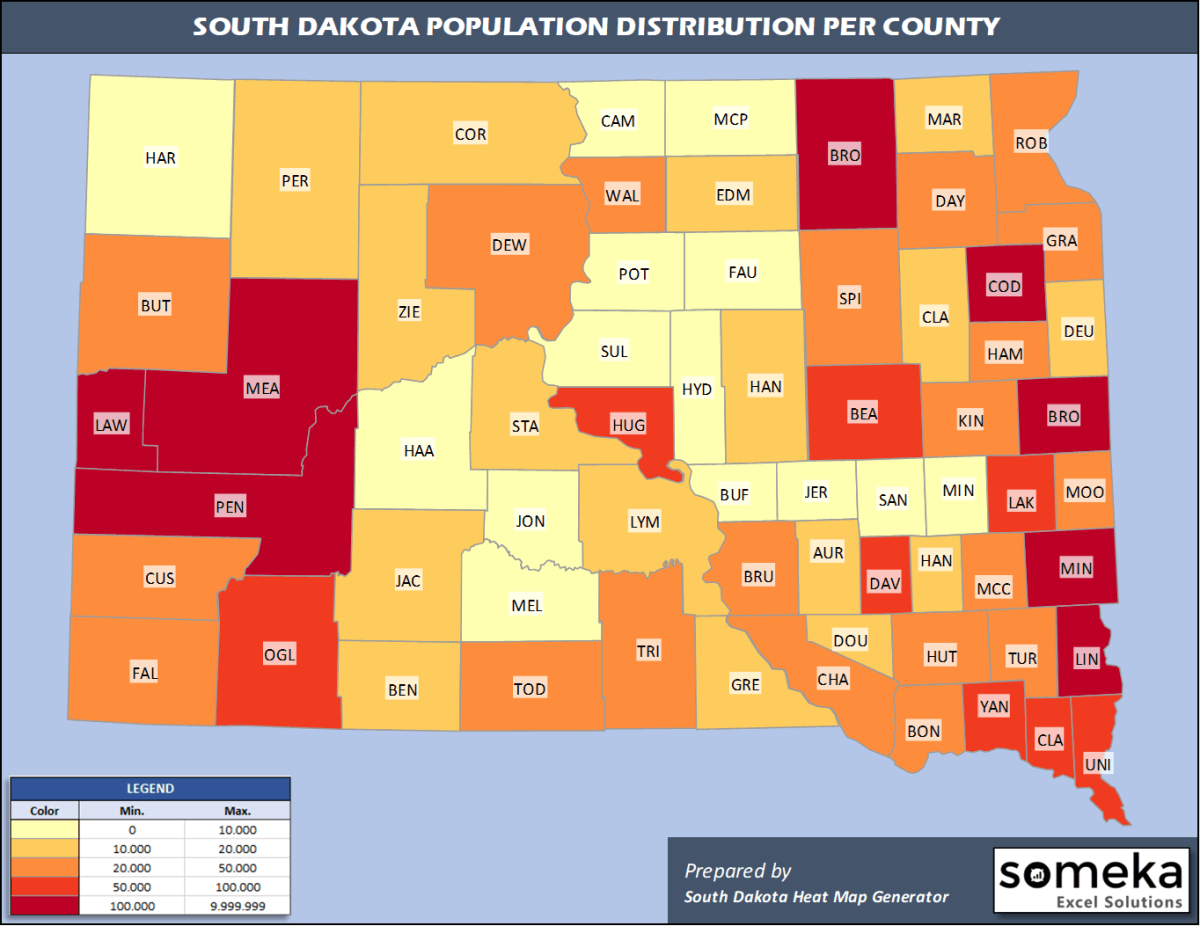
These regions of South Dakota are characterized by their vast agricultural lands and lower population densities, punctuated by smaller cities that serve as regional centers.
- Aberdeen and Watertown: Cities like Aberdeen and Watertown are important centers in the northern and central parts of the state, respectively. They serve as agricultural hubs and provide essential services to the surrounding rural populations. Their populations are relatively stable, reflecting the ongoing economic base of agriculture and local commerce.
- Open Plains and Small Towns: The vastness of these regions means that many residents live in scattered farmsteads or very small towns, where the sense of community is strong and life is closely tied to the land. For visitors, exploring these areas offers an authentic experience of South Dakota’s rural heartland.
Implications for Travelers and Visitors
Understanding the population dynamics of South Dakota offers practical advantages for anyone planning a visit. It influences everything from the availability of accommodation to the experience of popular attractions.
Accommodation and Booking Considerations
The population distribution directly impacts the demand for accommodation.
- Peak Season Demand: During the summer months, especially in tourist hotspots like the Black Hills and near Mount Rushmore, booking hotels, resorts, and vacation rentals well in advance is highly recommended. The higher number of visitors competing for limited rooms means prices can increase, and popular options can sell out quickly.
- Off-Season Opportunities: Traveling during the shoulder seasons or winter can offer more availability and potentially lower rates for accommodation. This also provides a more tranquil experience of many attractions, allowing for deeper immersion in the local culture and landscape.
- Urban vs. Rural Choices: Sioux Falls and Rapid City offer a broader range of hotel and apartment options to suit various budgets and preferences. In more remote areas, visitors might find charming inns or unique lodges that provide a more intimate experience.
Experiencing Local Culture and Activities
The population size and distribution also shape the cultural landscape and the types of activities available.
- Community Events: Smaller towns often have vibrant local festivals, farmers’ markets, and community gatherings that offer a genuine glimpse into South Dakota life. These events are more accessible and intimate in areas with smaller resident populations.
- Crowd Management at Attractions: Popular landmarks like Badlands National Park and Custer State Park can become quite busy during peak times. Understanding when the crowds are largest (typically mid-day in summer) can help visitors plan their visits for a more enjoyable and less congested experience, perhaps by visiting early in the morning or late in the afternoon.
- Dining and Local Flavors: In larger cities like Sioux Falls, a diverse culinary scene is available. In smaller towns, dining options might be more limited but often provide a more authentic taste of regional cuisine, emphasizing local ingredients and traditional recipes. Engaging with the local population, even briefly, can lead to delightful culinary discoveries.
Infrastructure and Services
The population of South Dakota influences the development and accessibility of infrastructure and services across the state.
- Healthcare and Transportation: The concentration of population in urban areas means that healthcare facilities and transportation networks are more developed in these locations. Visitors traveling to more remote areas should plan accordingly for potential limitations in these services.
- Connectivity: While mobile service and internet access are widespread, visitors venturing into very rural areas may experience reduced connectivity. This is part of the appeal for some, offering a digital detox, but it’s a factor to consider for those requiring constant connection.
- Road Conditions: South Dakota maintains its roads well, but in remote regions, especially during winter, road conditions can change rapidly. Staying informed about weather and road advisories is prudent for all travelers.
Understanding the “Sense of Place”
The population of South Dakota, though modest in number, has cultivated a profound “sense of place.” This is an intangible quality that arises from the state’s unique history, its striking natural environment, and the resilience and character of its people.
The Spirit of the Prairies and the Hills
The vast, open spaces of the Great Plains and the dramatic topography of the Black Hills have shaped the very ethos of South Dakota. The relative scarcity of people in many areas fosters a deep connection with nature, a respect for the land, and an appreciation for self-reliance. This is a place where the horizon seems endless, and the stars shine with an unparalleled brilliance, unhindered by light pollution.
Community and Connection
Despite its lower population density, South Dakota is known for its strong sense of community. In the smaller towns and even within the larger cities, there’s an underlying connection among residents, often forged through shared experiences, a common heritage, and mutual support. This is particularly evident in rural areas where neighbors rely on each other, and community events are central to social life. For visitors, this often translates into a welcoming atmosphere and genuine interactions with the local population.
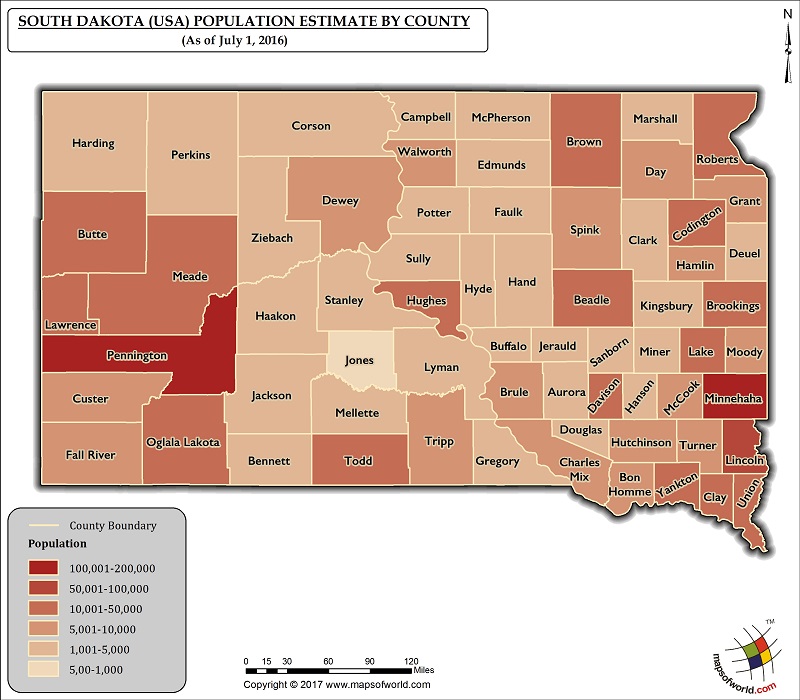
A Land of Opportunity and Tranquility
The population figures for South Dakota tell a story not just of numbers, but of lifestyle. It’s a state that appeals to those seeking a slower pace of life, a closer connection to the outdoors, and a place where community bonds remain strong. Whether you’re drawn by the majestic beauty of Wind Cave National Park, the historic charm of Deadwood, or the burgeoning urban amenities of Sioux Falls, understanding the human element – how many people call this place home, and how they live – enriches the entire experience. South Dakota offers a unique blend of natural grandeur and human connection, making it a destination that resonates long after you’ve departed.
LifeOutOfTheBox is a participant in the Amazon Services LLC Associates Program, an affiliate advertising program designed to provide a means for sites to earn advertising fees by advertising and linking to Amazon.com. Amazon, the Amazon logo, AmazonSupply, and the AmazonSupply logo are trademarks of Amazon.com, Inc. or its affiliates. As an Amazon Associate we earn affiliate commissions from qualifying purchases.