
California, a state synonymous with sunshine, innovation, and sprawling landscapes, holds a rich history that predates its modern-day fame. Understanding the origins of its name offers a fascinating glimpse into the era of exploration and the literary influences that shaped perceptions of this legendary land. While many associate the Golden State with its gold rush or its iconic coastline, the etymology of its name is rooted in a fantastical tale, a testament to the power of imagination in early cartography and exploration.
The story of California’s name is intrinsically linked to the age of Spanish exploration in the Americas. As intrepid navigators ventured across the vast oceans, they often named newly discovered lands based on religious figures, patrons, or popular literary works of their time. In the case of California, the naming convention was less about earthly geography and more about a mythical paradise.
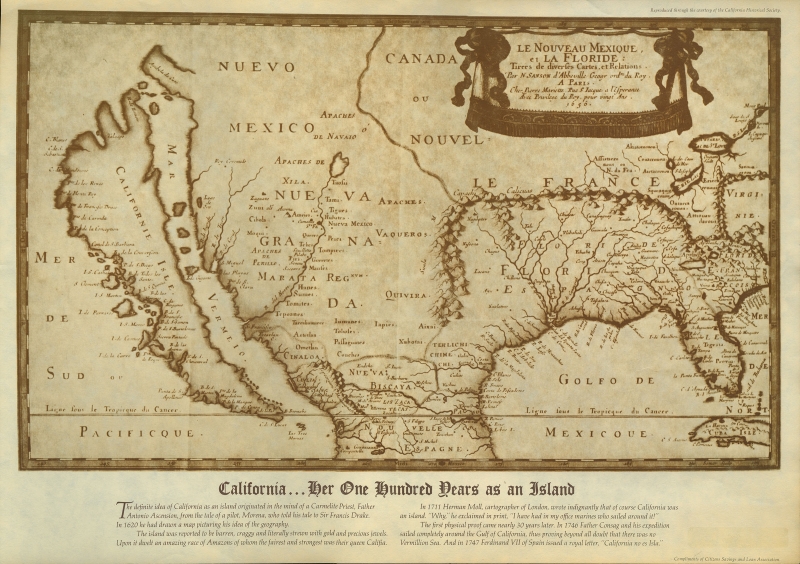
The Mythical Island of Amazons
The most widely accepted theory for the origin of the name “California” points to a popular Spanish romance novel of the early 16th century. This novel, titled Las Sergas de Esplandián (The Adventures of Esplandián), was written by Garci Rodríguez de Montalvo and first published around 1510. It was a sequel to the even more famous chivalric romance Amadís de Gaula.
In Montalvo’s tale, Las Sergas de Esplandián describes a fictional island located “on the right hand of the Indies,” a place of mythical proportions and inhabitants. This island was called “California,” and it was ruled by a powerful and beautiful queen named Calafia. The island was depicted as a land of great riches, populated by fierce, black Amazonian women who wielded weapons forged from gold. Their primary source of wealth was an abundance of griffins, whose feathers and claws were highly prized. The narrative further embellished this exotic locale, describing it as a terrestrial paradise, abundant with gold and precious stones, far removed from the mundane realities of the known world.
The Influence of Las Sergas de Esplandián
The novel Las Sergas de Esplandián was immensely popular in Spain during the 16th century. It captured the imaginations of readers with its tales of adventure, fantasy, and exotic lands. It is highly probable that Spanish explorers, many of whom were well-read and familiar with such literature, carried this romanticized vision with them on their voyages.
When Spanish conquistadors, such as Hernán Cortés, began exploring the western coast of what is now Mexico, they encountered the Baja California Peninsula. This landmass, jutting out into the Pacific Ocean, was initially believed to be an island. The description of this “island” and its potential riches may have evoked the imagery and allure of Montalvo’s mythical California. The name, with its connotations of a remote, wealthy, and somewhat mysterious paradise, seemed fitting for this unexplored territory.
Early Cartography and the “Island of California”
The earliest known use of the name “California” in relation to a geographical location appears on a map created by the cartographer Mercator in 1538. Mercator’s map depicted a large island off the west coast of North America, labeled “California.” This early cartographical representation likely solidified the idea of California as an island in the minds of Europeans for a considerable time.
Subsequent explorers and mapmakers continued to use the name, gradually refining its geographical representation as more of the coastline was charted. However, the initial perception of it being an island, coupled with the romantic literary origins, imbued the name with an enduring sense of mystery and allure. The name “California” thus became synonymous with a land of promise and undiscovered potential, a sentiment that would later resonate with settlers during the Gold Rush era.
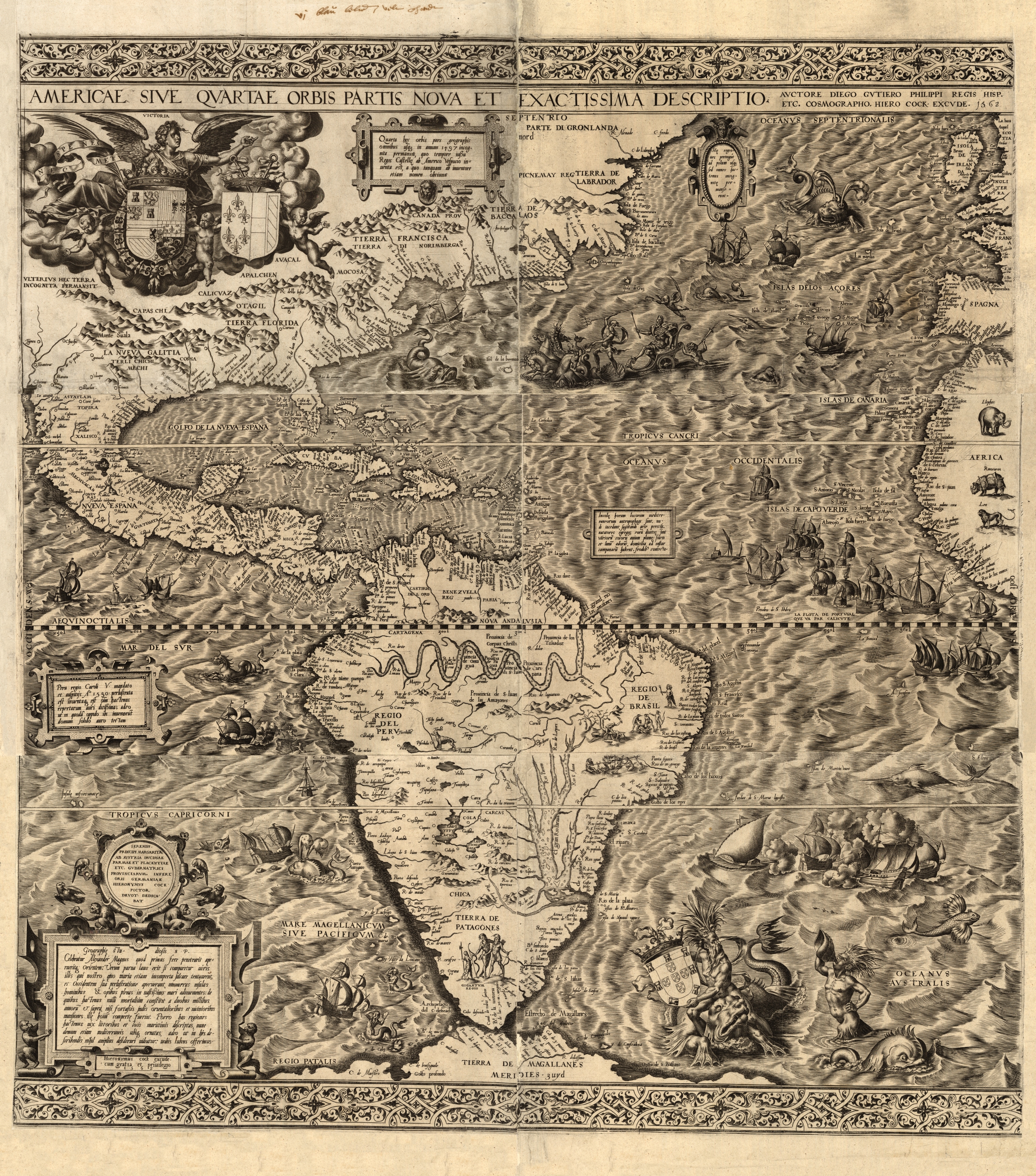
The Role of Spanish Explorers
Several key figures in Spanish exploration played a role in the early naming and mapping of the region.
Hernán Cortés and the Discovery of Baja California
While Hernán Cortés is famously known for his conquest of the Aztec Empire, his expeditions also extended to exploring the western coast of Mexico. In 1533, troops under his command, led by Hernando de Ulloa, reached the shores of the Sea of Cortez, which they initially believed to be an island. It was during these expeditions that the name “California” began to be applied to this region. The exact moment of application is debated, but the literary context of Las Sergas de Esplandián is the prevailing theory for the inspiration.
Other Explorers and the Gradual Understanding of Geography
Over the following decades, other explorers, including Francisco de Ulloa and Sebastián Vizcaíno, continued to chart the coastlines of what is now Baja California and Alta California (present-day California). As they mapped more of the land, the misconception of California being an island gradually gave way to the understanding that it was part of a larger continent. Despite this geographical correction, the name “California” stuck, carrying with it the historical and literary baggage that made it so evocative.
The Literary Legacy and the “Golden State”
The mythical origins of California’s name have undeniably contributed to its mystique. The idea of a land of abundance and extraordinary riches, born from a 16th-century romance novel, foreshadowed the actual discovery of gold in the 19th century.
From Mythical Riches to Real Gold
The discovery of gold at Sutter’s Mill near Coloma in 1848 ignited the famous California Gold Rush. Thousands of prospectors, known as “forty-niners,” flocked to the region, drawn by the promise of instant wealth. This historical event cemented the association of California with gold and prosperity, transforming the state’s economy and population. The nickname “The Golden State” is a direct tribute to this period of immense economic growth and the precious metal that fueled it.

The Enduring Allure of California
The name California, with its origins in a mythical island ruled by a queen, imbued the land with a sense of wonder and possibility from its very inception. This inherent allure has been amplified by centuries of exploration, settlement, and cultural influence. From the Spanish missions to the Hollywood dream factory, California has consistently represented a land of opportunity and reinvention.
The journey of the name “California” from a fictional island in a Spanish novel to a globally recognized state is a remarkable narrative. It highlights how literature, exploration, and historical events can intertwine to shape the identity and perception of a place. The name itself serves as a constant reminder of the power of imagination and the enduring quest for a better, richer, and more extraordinary life, a quest that continues to draw people to the shores of the Golden State.
LifeOutOfTheBox is a participant in the Amazon Services LLC Associates Program, an affiliate advertising program designed to provide a means for sites to earn advertising fees by advertising and linking to Amazon.com. Amazon, the Amazon logo, AmazonSupply, and the AmazonSupply logo are trademarks of Amazon.com, Inc. or its affiliates. As an Amazon Associate we earn affiliate commissions from qualifying purchases.